Understanding autism is so important for building a more inclusive society. Yet, many parents still find themselves navigating the unique challenges that come with raising children on the spectrum. In this article, we’ll explore some effective strategies that can help promote inclusion and acceptance for children with autism. Together, we’ll uncover insights that empower educators, parents, and communities alike.
How can these approaches not only transform the lives of autistic children but also enrich our shared experiences? Let’s dive in and discover how we can make a difference together!
To effectively advocate for promoting inclusion and acceptance for children with autism, it’s important to understand the defining traits and needs linked to autism spectrum disorder. Kids with autism often face challenges in social communication, sensory processing, and behavior regulation. For example, they might find it tough to read social cues, which can make forming friendships a bit tricky. Did you know that over 90% of individuals with ASD experience sensory processing challenges? That’s why it’s crucial to address these sensitivities in different environments.
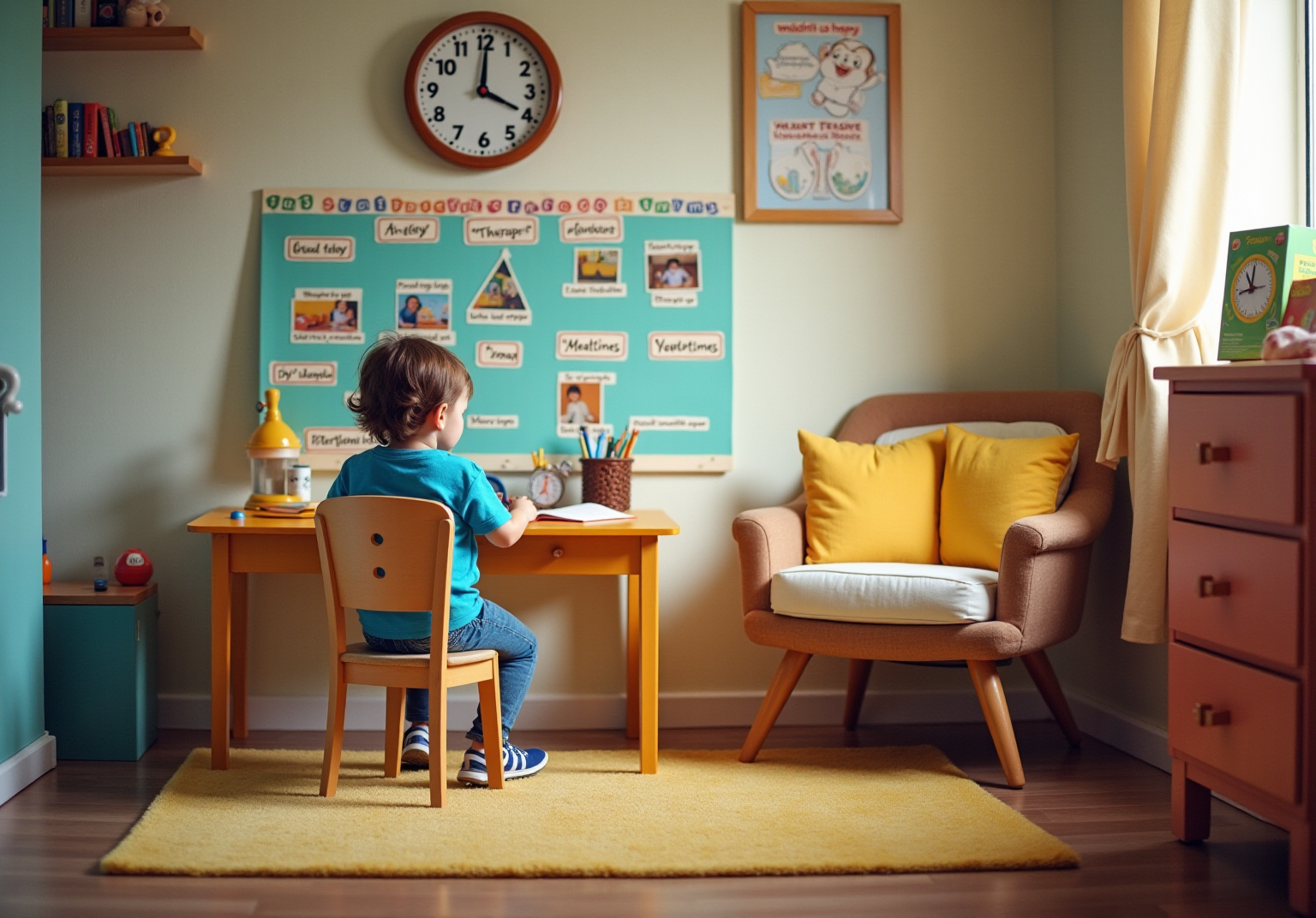
Recognizing these traits helps educators, parents, and peers create supportive spaces tailored to the unique needs of autistic individuals. Simple strategies like visual schedules can really help young ones navigate their daily routines, while sensory-friendly spaces can ease anxiety and boost engagement. Plus, understanding that 42-88% of individuals diagnosed with autism face sensory processing challenges highlights the need for adjustments that promote comfort and involvement.
By deepening our understanding of autism, we can foster empathy and contribute to promoting inclusion and acceptance for children with autism in our communities, paving the way for more inclusive interactions. As Dr. Temple Grandin wisely said, 'I am different, not less.' This reminds us that embracing these differences enriches our collective experience. It’s also vital to equip caregivers with the knowledge and skills to support their children’s behavioral goals through active involvement and data collection. This approach not only maximizes the impact of interventions but also creates a consistent and supportive atmosphere for kids, ultimately enhancing their development and social skills.
And let’s not forget, ABA therapy is the only scientifically proven treatment for developmental disorders that’s covered by insurance, making it accessible for many families. So, let’s explore this together! We’re here to help you every step of the way!

Creating inclusive environments for children with developmental disorders is so important, and schools and communities can really make a difference by utilizing targeted strategies that focus on promoting inclusion and acceptance for children with autism. One fantastic way to do this is by setting up comprehensive training programs for staff and volunteers. These programs focus on awareness and inclusion practices related to developmental disorders, giving educators the tools they need to understand the unique needs of autistic students. This way, they can provide tailored support that truly enhances learning experiences.
But that’s not all! Schools can also benefit from buddy systems or peer mentoring programs that pair neurotypical students with those on the spectrum. This initiative not only helps cultivate friendships but also encourages empathy and understanding among peers, creating a more inclusive atmosphere. Plus, developing sensory-friendly areas within schools - like quiet rooms or specific break zones - can really assist students who experience sensory overload. These spaces allow them to feel more at ease and focused in their learning environments.
By actively embracing these inclusive approaches, schools and communities can nurture a culture of acceptance that benefits all youth, thereby promoting inclusion and acceptance for children with autism. It’s all about fostering an environment where diversity is celebrated, and every individual has the chance to thrive. Let’s explore this together and make a positive impact!

Positive reinforcement is such a vital approach for promoting inclusion and acceptance for children with autism, allowing them to feel accepted and involved. When caregivers and educators recognize and reward positive behaviors, it can really boost young people's social skills and their sense of belonging. For example, if a young person starts a conversation or shares a toy, giving them immediate praise or a small reward can encourage those actions to happen again. Research shows that tangible rewards, like stickers or little toys, can motivate young individuals, making them feel accomplished and valued.
Implementing structured reward systems, like token economies or point systems, can also encourage young individuals to engage with their peers and join in group activities. It’s important to customize these reinforcement strategies to fit each individual’s unique interests and preferences. This way, the rewards truly resonate with them. Tailoring these plans is key to creating effective behavioral programs that set clear goals for skill development.
However, we should be careful not to rely too much on tangible rewards, as this might slow down the growth of intrinsic motivation over time. Consistent use of positive reinforcement helps create an environment that is focused on promoting inclusion and acceptance for children with autism, ensuring they feel valued and accepted. This, in turn, enhances their social interactions and relationships. Plus, when caregivers are equipped with ABA principles and strategies, they can better support their children’s behavioral goals through active participation and data collection. As experts in the field remind us, recognizing and rewarding positive behaviors is crucial for promoting inclusion and acceptance for children with autism, which fosters a supportive atmosphere that encourages growth and development.
Let’s explore this together! If you have any thoughts or experiences to share, we’d love to hear from you!

Building strong networks for kids with autism is all about teamwork among families, educators, and therapists. At Rori Care, our caring clinical leadership, including expert BCBAs and RBTs, is passionate about neurodiversity and the success of young individuals. We even offer free consultations to make sure families have the support they need. Keeping communication open is key! It helps everyone involved in a child’s care stay on the same page about their needs and progress. Regular gatherings and updates can really boost the sharing of ideas and insights, which can make a big difference in a young person’s development.
When parents get involved in planning and implementing educational strategies, it empowers them to play an active role in their child’s growth. Schools can set up parent assistance groups that provide resources, share experiences, and help families connect with others facing similar challenges. These groups not only increase parental involvement but also create a sense of community, which is so important for emotional support.
By nurturing a cooperative atmosphere, communities can significantly enhance the support available to youth with autism, promoting inclusion and acceptance for children with autism in various settings. Research shows that when parents actively participate in their child’s therapy, it leads to better outcomes. This really highlights the importance of strong partnerships among everyone involved. Plus, when caregivers are equipped with ABA principles and strategies, they can better support their child’s behavioral goals, contributing to positive developmental outcomes.
Let’s explore this together! We’re here to help you every step of the way!

Promoting inclusion and acceptance for children with autism is so important for creating a supportive environment where every child can truly thrive. By understanding the unique characteristics and needs of autism, we can lay the groundwork for effective strategies that foster empathy and inclusivity. When we recognize the challenges these children face - like difficulties in social communication and sensory processing - we can implement tailored approaches that really enhance their learning experiences and social interactions.
Let’s talk about some key strategies! Creating inclusive environments starts with:
These initiatives not only improve the educational experience for children with autism but also help their peers understand and accept them better. Plus, using positive reinforcement techniques and fostering collaboration among families, educators, and therapists is crucial for building strong support networks that empower both children and their caregivers.
Ultimately, when we come together to embrace neurodiversity and implement inclusive practices, we can create transformative changes in the lives of children with autism. It’s vital for our communities to actively engage in these strategies, ensuring that every child feels valued and included. By prioritizing inclusion and acceptance, we can cultivate a culture that celebrates diversity and enriches the lives of all its members. Let’s explore this journey together!
What are the key characteristics of autism spectrum disorder (ASD)?
Key characteristics of ASD include challenges in social communication, sensory processing difficulties, and behavior regulation. Children with autism may struggle to read social cues, which can affect their ability to form friendships.
How prevalent are sensory processing challenges among individuals with autism?
Over 90% of individuals with autism experience sensory processing challenges, highlighting the importance of addressing these sensitivities in various environments.
What strategies can help support children with autism?
Simple strategies, such as using visual schedules and creating sensory-friendly spaces, can help children with autism navigate their daily routines, reduce anxiety, and enhance engagement.
Why is it important to understand autism for promoting inclusion and acceptance?
Understanding autism helps educators, parents, and peers create supportive environments tailored to the unique needs of autistic individuals, fostering empathy and promoting inclusion within communities.
What role do caregivers play in supporting children with autism?
Caregivers should be equipped with knowledge and skills to support their children's behavioral goals through active involvement and data collection, which enhances the effectiveness of interventions and creates a consistent atmosphere for development.
What is ABA therapy and its significance for individuals with autism?
ABA (Applied Behavior Analysis) therapy is the only scientifically proven treatment for developmental disorders that is covered by insurance, making it accessible for many families seeking support for their children with autism.