Introduction
Promoting self-esteem and autonomy in children with autism isn’t just beneficial; it’s essential for their emotional and social development. Research shows that kids who feel confident are more likely to engage positively with their peers and tackle life’s challenges head-on. But let’s be real - many caregivers find it tough to nurture this self-worth while navigating the unique hurdles that autism brings.
So, what can we do to boost self-esteem and empower these amazing kids toward greater independence? Exploring practical techniques can really light the way to nurturing confident, autonomous individuals who thrive in their environments. Let’s explore this together!
Understand the Importance of Self-Esteem in Autism Development
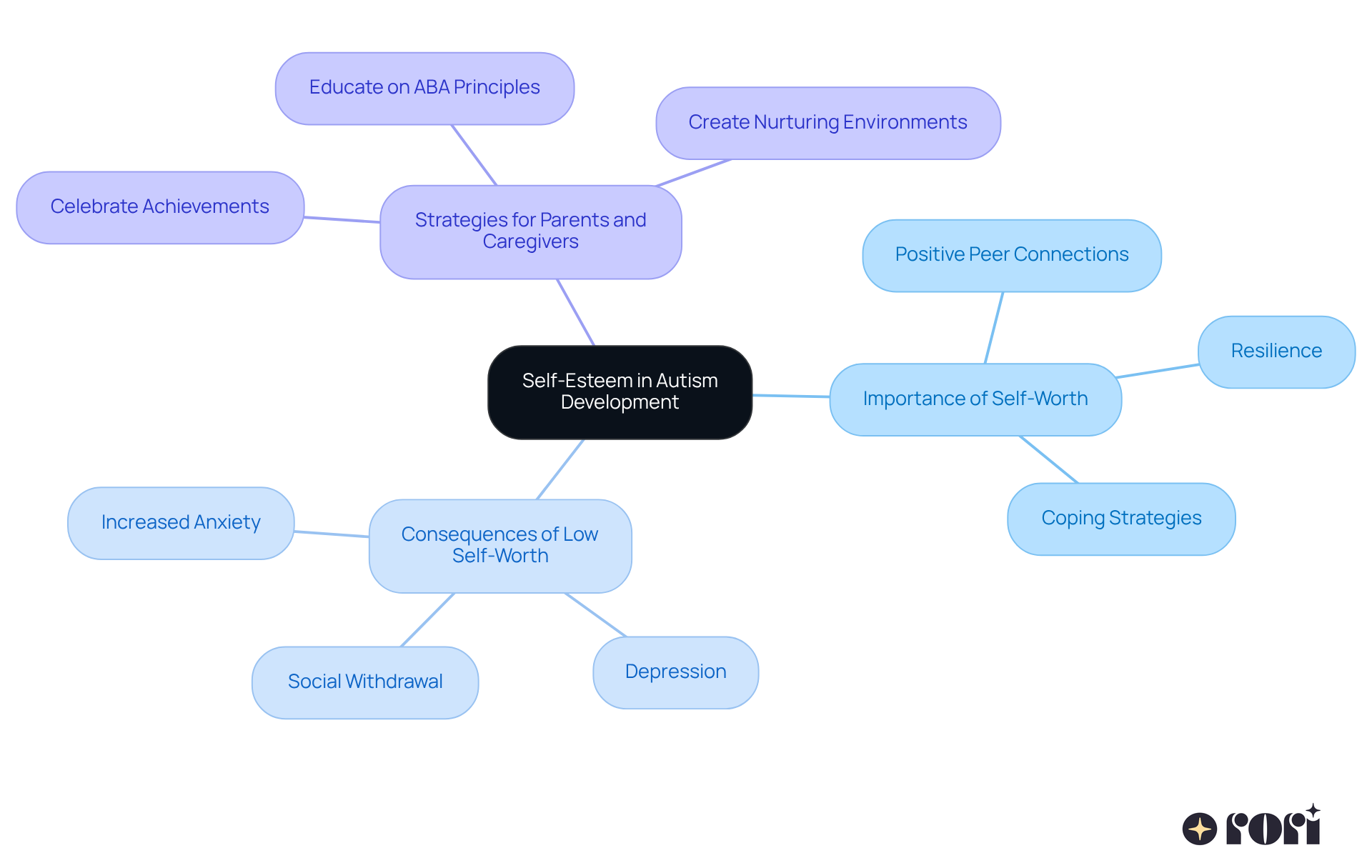
Self-worth is so important for the emotional well-being and social interactions of young people with autism. You know, studies show that kids who are more likely to connect positively with their peers, bounce back from challenges, and develop effective coping strategies. On the flip side, low self-worth can lead to increased anxiety, depression, and social withdrawal, which can really affect a child's quality of life.
For example, research indicates that autistic teens often report feeling less worthy compared to their non-autistic friends. A big factor here is cognitive alexithymia, which is the difficulty in identifying emotions, and it plays a significant role in this low self-worth. This really highlights how crucial it is to nurture self-worth as a means of promoting self-esteem and autonomy in children with autism to support overall development.
So, what can parents and caregivers do? Well, recognizing and celebrating achievements - no matter how small - can significantly contribute to promoting self-esteem and autonomy in children with autism. Plus, educating caregivers about ABA principles can provide valuable insights, empowering them to make informed choices that positively impact their child's progress.
Creating nurturing environments that acknowledge personal strengths and are focused on promoting self-esteem and autonomy in children with autism through various activities can boost confidence. Involving young individuals in hobbies and social groups that align with their interests can also enhance feelings of achievement and belonging, which strengthens their confidence and motivation.
Ultimately, fostering confidence is a journey. It’s all about helping young people with developmental differences thrive socially, emotionally, and academically. Let’s explore this together!
Implement Strategies to Boost Self-Esteem in Children with Autism
Promoting self-esteem and autonomy in children with autism can feel like a big task for caregivers, but there are some friendly strategies that can really help! Let’s explore this together!
- Focus on Strengths: First off, it’s all about recognizing those unique talents and interests. Think about what your child loves - maybe it’s art, music, or sports. Engaging them in these activities can significantly contribute to promoting self-esteem and autonomy in children with autism. Highlighting their strengths is essential for promoting self-esteem and autonomy in children with autism, as it helps them overcome feelings of low self-worth. There are so many inspiring stories of kids thriving when they dive into what they’re passionate about!
- Positive Reinforcement: Next, let’s talk about the power of praise! Using - like rewards and compliments - can make a world of difference. It not only acknowledges their efforts but also helps them feel valued. Visual praise charts can be a fun tool in ABA therapy, promoting independence and encouraging those positive behaviors.
- Set Achievable Goals: Breaking tasks into smaller, manageable steps is another great way to help kids succeed. Celebrating every little win, no matter how small, is essential for promoting self-esteem and autonomy in children with autism. Plus, when kids get to make choices about their activities and goals, it empowers them, which is essential for promoting self-esteem and autonomy in children with autism, giving them a sense of control over their achievements.
- Encourage Social Interaction: Facilitating social interactions is key! Helping kids engage with peers can enhance their social skills and boost their self-worth. Group activities that align with their interests can lead to positive interactions, reducing feelings of loneliness. Research shows that friendships are vital for improving mental health and overall well-being.
- Model Positive Self-Talk: Lastly, let’s not forget about the importance of positive self-talk. Teaching kids to use affirmations and positive dialogue can really help counteract negative thoughts. When parents model healthy self-worth through their own positive self-talk, it helps kids visualize and cultivate their own value. This supportive environment is crucial for fostering self-acceptance and emotional regulation.
Remember, you’re not alone in this journey! We’re here to help you every step of the way!

Encouraging independence in youth with sensory processing differences is vital for promoting self-esteem and autonomy in children with autism. Let’s explore some effective strategies to achieve this together:
- Offer Choices: Allowing young people to make decisions in daily activities-like picking their clothes or deciding what to eat-fosters a sense of control and ownership. This empowerment is essential! Independence is a vital aspect of life for everyone, including those with developmental differences, as it is essential for promoting self-esteem and autonomy in children with autism.
- Encourage Self-Help Skills: Teaching essential self-care skills, such as dressing, grooming, and preparing simple meals, can really boost confidence and independence. Mastering these skills is important for promoting self-esteem and autonomy in children with autism, while also preparing young individuals for the challenges of adulthood. Early intensive behavioral intervention (EIBI) plays a crucial role here, significantly enhancing learning, verbal, and social skills in individuals with autism.
- Utilize Visual Aids: Using visual schedules and prompts helps youngsters understand tasks and routines, . This approach can lessen frustration and empower young individuals to handle their daily responsibilities on their own. As we often say, breaking down significant tasks into smaller, manageable steps can really help individuals with autism minimize frustration and foster independence.
- Role-Playing: Engaging in role-playing scenarios can improve decision-making and problem-solving abilities, preparing young individuals to navigate social situations independently. This practice reinforces their ability to express needs and make choices, which is crucial for promoting self-esteem and autonomy in children with autism.
By understanding the unique needs of individuals with autism and using these strategies, parents and caregivers can greatly contribute to promoting self-esteem and autonomy in children with autism, thereby improving their personal development and overall quality of life. Empowering caregivers with ABA principles and strategies enhances their ability to support their children’s behavioral goals, leading to improved outcomes. As the Hidden Talents ABA Staff reminds us, fostering autonomy isn’t about pushing our students with ASD beyond their limits; it’s about providing them with the tools and support they need to reach their full potential at their own pace. And let’s not forget, 74% of autistic students in the U.S. graduate with a diploma! This highlights just how important fostering independence is for improving educational outcomes.

Create Supportive Environments for Self-Esteem and Autonomy
Creating a supportive atmosphere is essential for promoting self-esteem and autonomy in children with autism. Here are some friendly strategies to consider:
- Structured Routines: Having consistent daily routines can really help kids feel secure and confident. When they know what to expect, it reduces anxiety and stress. For example, a morning routine with specific tasks can make getting ready for the day a lot easier. And guess what? Sticking to these routines even on weekends can make a big difference!
- Sensory-Friendly Spaces: Think about setting up calming areas at home where your child can retreat when things get overwhelming. These spaces can help manage sensory sensitivities and give them a sense of control. A cozy corner with soft lighting and comforting items can be a perfect little haven.
- Positive Reinforcement: It’s all about creating an encouraging environment where kids feel safe to express themselves and take risks. Regularly using positive reinforcement can be an effective method for promoting self-esteem and autonomy in children with autism. For instance, a simple compliment for completing a task can inspire them to tackle new challenges.
- Peer Interaction: Look for opportunities for your child to engage with peers in organized settings, like group activities or clubs. These interactions can improve their social skills and help them build friendships, which is so important for their sense of belonging. Enrolling them in a social skills group can provide valuable practice in a supportive environment.
- Parental Involvement: Getting parents actively involved in the therapeutic process is key. When parents , it promotes unity and shared responsibility. For example, attending training sessions together can equip parents with effective strategies they can use at home.
The impact of structured routines on self-worth in kids with developmental disorders is truly significant. Studies show that routines not only provide predictability but also create opportunities for kids to practice and learn new skills, including daily living tasks. This structured approach is essential for promoting self-esteem and autonomy in children with autism, as well as nurturing their independence and supporting their social and emotional health.
Let’s explore these strategies together and see how they can make a difference in your child’s life!

Conclusion
Promoting self-esteem and autonomy in children with autism is so important for their growth! It can really boost their emotional well-being and help them connect with others. When caregivers nurture a strong sense of self-worth, it empowers these kids to tackle challenges, build resilience, and form meaningful friendships. Recognizing their unique strengths and celebrating their achievements creates a supportive environment where they can truly thrive.
To boost self-esteem, focus on each child’s individual talents, use positive reinforcement, and encourage social interactions. Fostering autonomy is equally crucial - let them make choices, teach self-help skills, and establish structured routines. These practices can significantly enhance a child's confidence and independence. Caregivers play a vital role here; their active involvement creates a nurturing atmosphere that supports the child's growth.
The importance of promoting self-esteem and autonomy can’t be overstated! By implementing these strategies, caregivers not only improve the quality of life for children with autism but also contribute to their overall development and future success. Embracing this approach leads to empowered individuals who feel valued and ready to face the world. It’s a shared journey that requires dedication, understanding, and a commitment to fostering an environment where every child can shine. Let’s explore this together!
Frequently Asked Questions
Why is self-esteem important for young people with autism?
Self-esteem is crucial for the emotional well-being and social interactions of young people with autism, as it helps them connect positively with peers, recover from challenges, and develop effective coping strategies.
What are the consequences of low self-worth in children with autism?
Low self-worth can lead to increased anxiety, depression, and social withdrawal, negatively impacting a child's quality of life.
How do autistic teens' feelings of self-worth compare to their non-autistic peers?
Research indicates that autistic teens often report feeling less worthy compared to their non-autistic friends.
What role does cognitive alexithymia play in self-worth among autistic individuals?
Cognitive alexithymia, which is the difficulty in identifying emotions, significantly contributes to low self-worth in autistic individuals.
What can parents and caregivers do to promote self-esteem in children with autism?
Parents and caregivers can promote self-esteem by recognizing and celebrating achievements, educating themselves about ABA principles, and creating nurturing environments that acknowledge personal strengths.
How can activities and social groups enhance self-esteem in children with autism?
Involving children in hobbies and social groups that align with their interests can enhance feelings of achievement and belonging, thus boosting their confidence and motivation.
What is the overall goal of fostering confidence in young people with autism?
The goal is to help young people with developmental differences thrive socially, emotionally, and academically.
List of Sources
- Understand the Importance of Self-Esteem in Autism Development
- The relationship between alexithymia and self-esteem in autistic adolescents (https://sciencedirect.com/science/article/pii/S1750946724000096)
- The Importance of Building Self-Esteem in Children with Autism | Advanced Autism Services (https://advancedautism.com/post/the-importance-of-building-self-esteem-in-children-with-autism)
- Implement Strategies to Boost Self-Esteem in Children with Autism
- How to Nourish Self-Esteem in Autistic Children (https://psychologytoday.com/us/blog/nurturing-self-esteem-in-autistic-children/202207/how-nourish-self-esteem-in-autistic-children)
- How to promote self-esteem in children with autism (https://mastermindbehavior.com/post/how-to-promote-self-esteem-in-children-with-autism)
- Autism and Self-Esteem: How to Help Your Child Feel Confident (https://autismparentingmagazine.com/autism-and-self-esteem?srsltid=AfmBOoqE4dbb1FIy5rrhjGPFwCFhTT1P654oHpoLQxp5_7fIuy6mKTHh)
- Promote Autonomy to Enhance Self-Esteem and Independence
- The Value of Fostering Autonomy in Children with Autism | (https://hiddentalentsaba.com/the-importance-of-fostering-autonomy-in-children-with-autism)
- Longdom Publishing SL | Open Access Journals (https://longdom.org/open-access/perceived-autonomy-support-in-children-with-autism-spectrum-disorder-33017.html)
- 10 inspiring quotes from people with autism | Autism Speaks (https://autismspeaks.org/life-spectrum/autism-quotes)
- Data and Statistics on Autism Spectrum Disorder (https://cdc.gov/autism/data-research)
- Autism statistics and facts | Autism Speaks (https://autismspeaks.org/autism-statistics-asd)
- Create Supportive Environments for Self-Esteem and Autonomy
- Data and Statistics on Autism Spectrum Disorder (https://cdc.gov/autism/data-research)
- The Numbers Don't Lie: Revealing Autism Therapy Statistics | Above and Beyond Therapy (https://abtaba.com/blog/autism-therapy-statistics)
- Why Routine and Structure Matter for Children with Autism (https://precisionfamilytherapy.com/post/why-routine-and-structure-matter-for-children-with-autism)
- The Importance of Routine and Structure in ABA Therapy for Children with Autism (https://buildingblockstherapy.org/blog/the-importance-of-routine-and-structure-in-aba-therapy-for-children-with-autism)
- Why Is Routine Important for Autism (https://riseupforautism.com/blog/autism-and-routine)