Recognizing the early signs of Autism Spectrum Disorder (ASD) is so important for parents navigating the ups and downs of their child's development. With ASD affecting about 1 in 31 children in the U.S., understanding those warning signs can really empower families to seek timely support and intervention. But many parents might ask: what specific behaviors should they keep an eye out for? And how can they effectively connect with healthcare providers to ensure their child's needs are met?
In this article, we’ll dive into the essential indicators of autism, explore the assessment process, and discuss the impactful role of therapies like Applied Behavior Analysis (ABA) in fostering positive outcomes. Let’s explore this together!
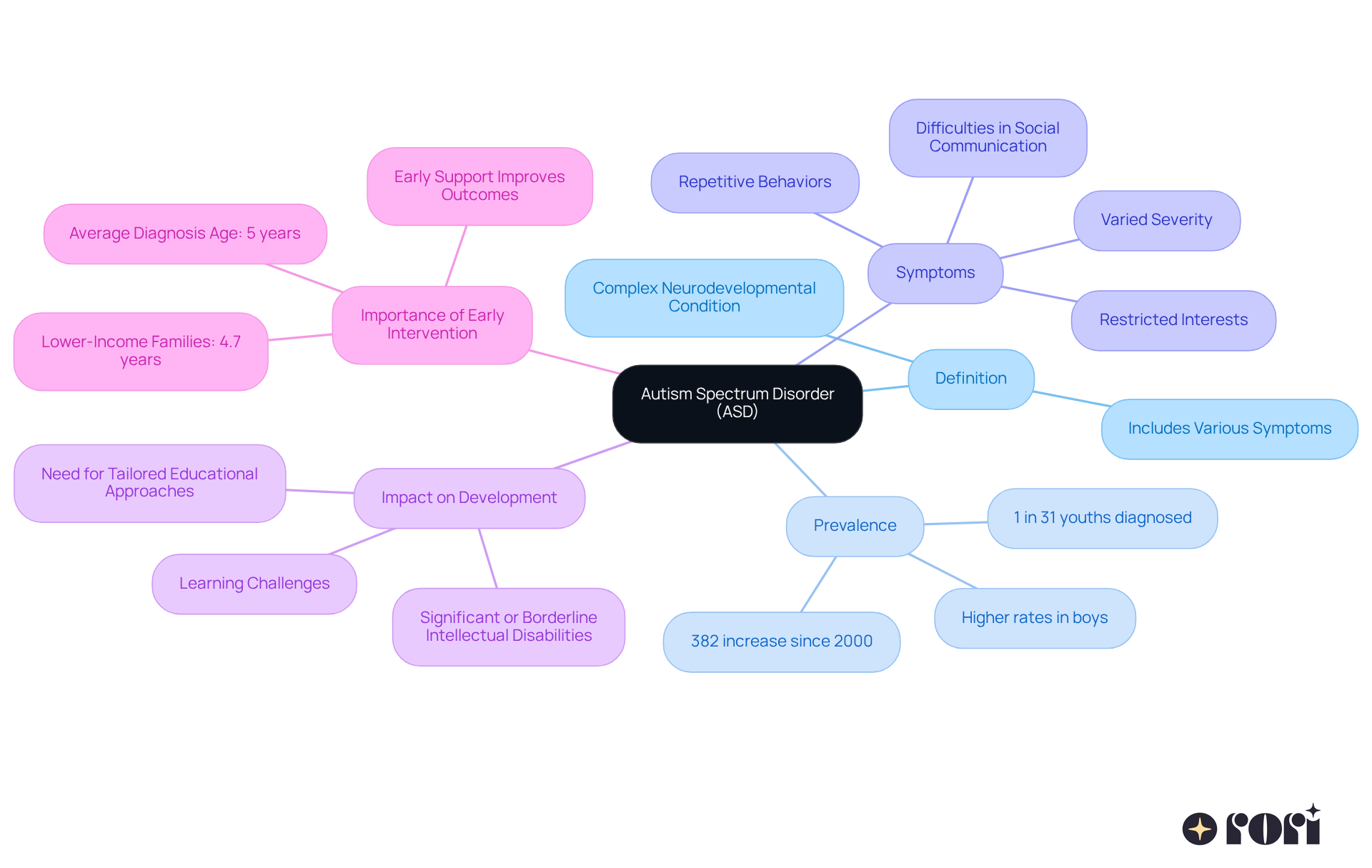
Autism Spectrum Disorder (ASD) is a complex neurodevelopmental condition that can present unique challenges for families. It often involves difficulties in social communication, restricted interests, and repetitive behaviors. The way ASD affects development can really vary from one child to another, influencing how they interact with others, communicate, and even play. Did you know that about 1 in 31 youths in the U.S. are diagnosed with ASD? That’s a staggering 382% increase since 2000! This highlights just how important it is for us to understand and raise awareness about ASD, especially since boys are nearly four times more likely to receive a diagnosis than girls.
Children with ASD can show a wide range of symptoms, from mild to severe, which can deeply impact their learning and overall development. In fact, statistics show that almost two-thirds of kids with ASD have significant or borderline intellectual disabilities. This really emphasizes the need for tailored educational approaches and support. Pediatricians stress the importance of early diagnosis and intervention. On average, children in the U.S. are diagnosed around age 5, but those from lower-income families are diagnosed even earlier, at about 4.7 years. Early support can make a big difference in communication skills and independence!
At Rori Care, we dream of a future where every young person can thrive, and every family has the tools they need to make that happen. Our passion for neurodiversity and the power of ABA therapy drives us to combine proven treatments with AI-powered technologies. This way, we empower families and therapists to achieve amazing results together! Understanding these factors is crucial for parents to identify autism warning signs for parents. It helps them identify autism warning signs for parents in their children and seek out the right resources and support to foster their development.
Let’s explore this journey together! We’re here to help you every step of the way!
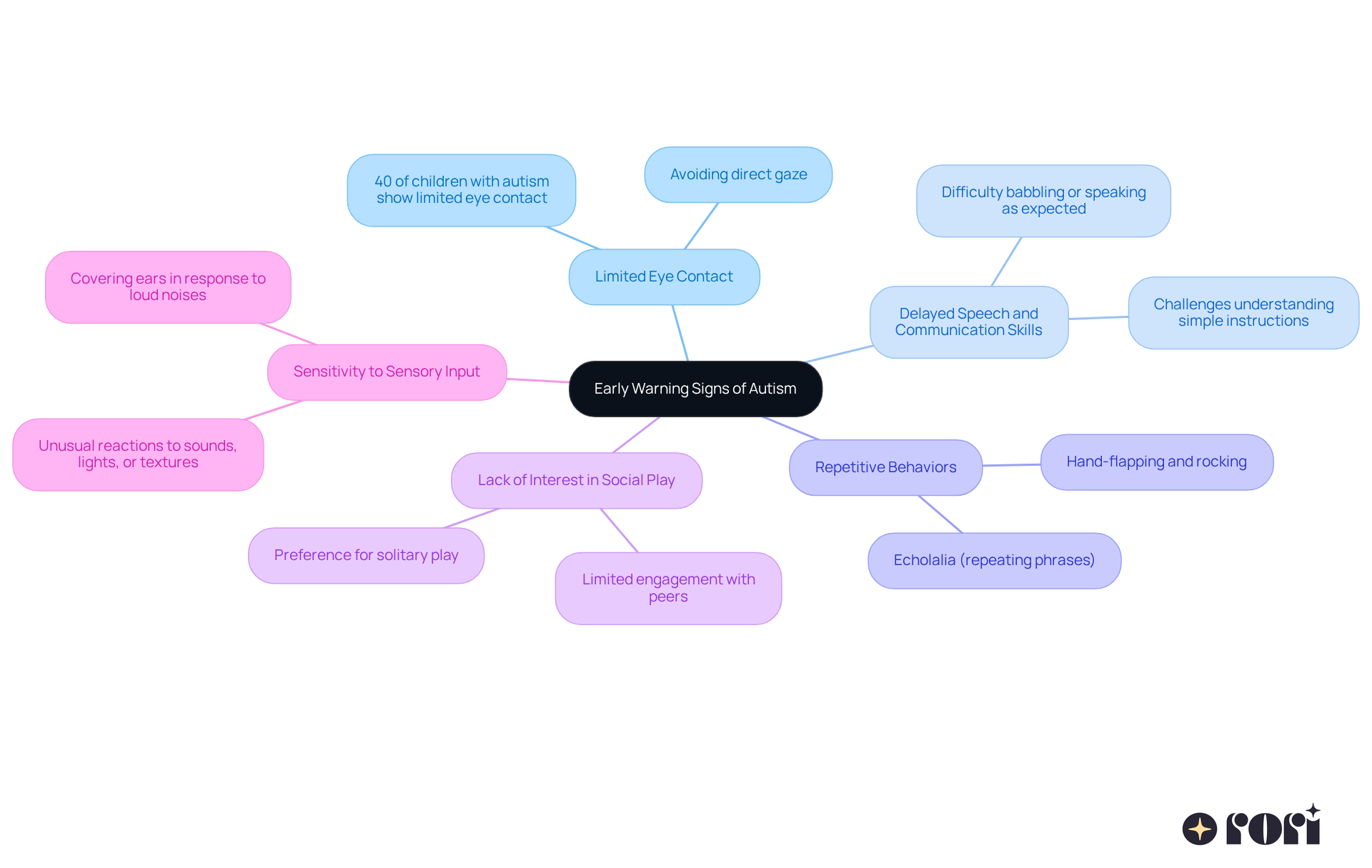
Recognizing autism warning signs for parents is crucial for enabling prompt intervention. Let’s take a look at some common indicators that can help you identify these signs:
By spotting these autism warning signs for parents early, they can seek expert advice sooner, which can significantly improve their child’s developmental journey and their access to the right support. It’s important to note that around 2.8% of 8-year-olds have autism spectrum disorder (ASD), and 49% of those diagnosed were assessed by age 36 months. There are also disparities, with Black youth being five times less likely than White youth to receive initial support services. Understanding these statistics really highlights the importance of early detection and intervention.
Additionally, Rori Care offers free consultations with Board Certified Behavior Analysts, providing families with the support and education they need to navigate these challenges effectively. Caregiver education is key to enhancing support, making informed decisions, and improving behavioral outcomes. Together, we can empower families to foster their child's development through ABA therapy. Let’s explore this journey together!
Navigating the assessment process for autism can feel overwhelming, but breaking it down into a few key steps can help. Let’s explore this together!
Developmental Screening: This is often the first step, usually happening during routine pediatric visits. Here, healthcare providers check in on developmental milestones. The American Academy of Pediatrics suggests screening at 18 and 24 months, but it’s interesting to note that the average age for an autism diagnosis is around 4 years. It’s never too early to start paying attention!
Comprehensive Evaluation: If there are any concerns, a more in-depth evaluation takes place. This involves a team of professionals, like psychologists, speech therapists, and pediatricians, who work together to gather a complete picture of your child’s development. They might conduct interviews, observations, and standardized tests. Research shows that early screening in primary care can significantly increase the rates of initial diagnosis, leading to timely support and better outcomes for kids.
Diagnosis: After the evaluation, a diagnosis may be made based on established criteria, like those in the DSM-5. A recent study found that about 1 in 31 kids aged 8 years are recognized with Autism Spectrum Disorder (ASD). This highlights the importance of effective screening tools to catch this condition early, no matter the background.
Follow-Up: Once a diagnosis is made, follow-up appointments become crucial. They help monitor progress and adjust treatment plans as needed. It’s so important for parents to be actively involved in their child’s care. Research indicates that early support can lead to significantly better developmental outcomes.
If you notice any concerning behaviors in your child, it is crucial to recognize the autism warning signs for parents and don’t hesitate to reach out for professional help. Early intervention can make a world of difference for kids with developmental disorders. Engaging with healthcare providers early on can open up a wealth of support and resources for your family. Remember, you’re not alone in this journey!

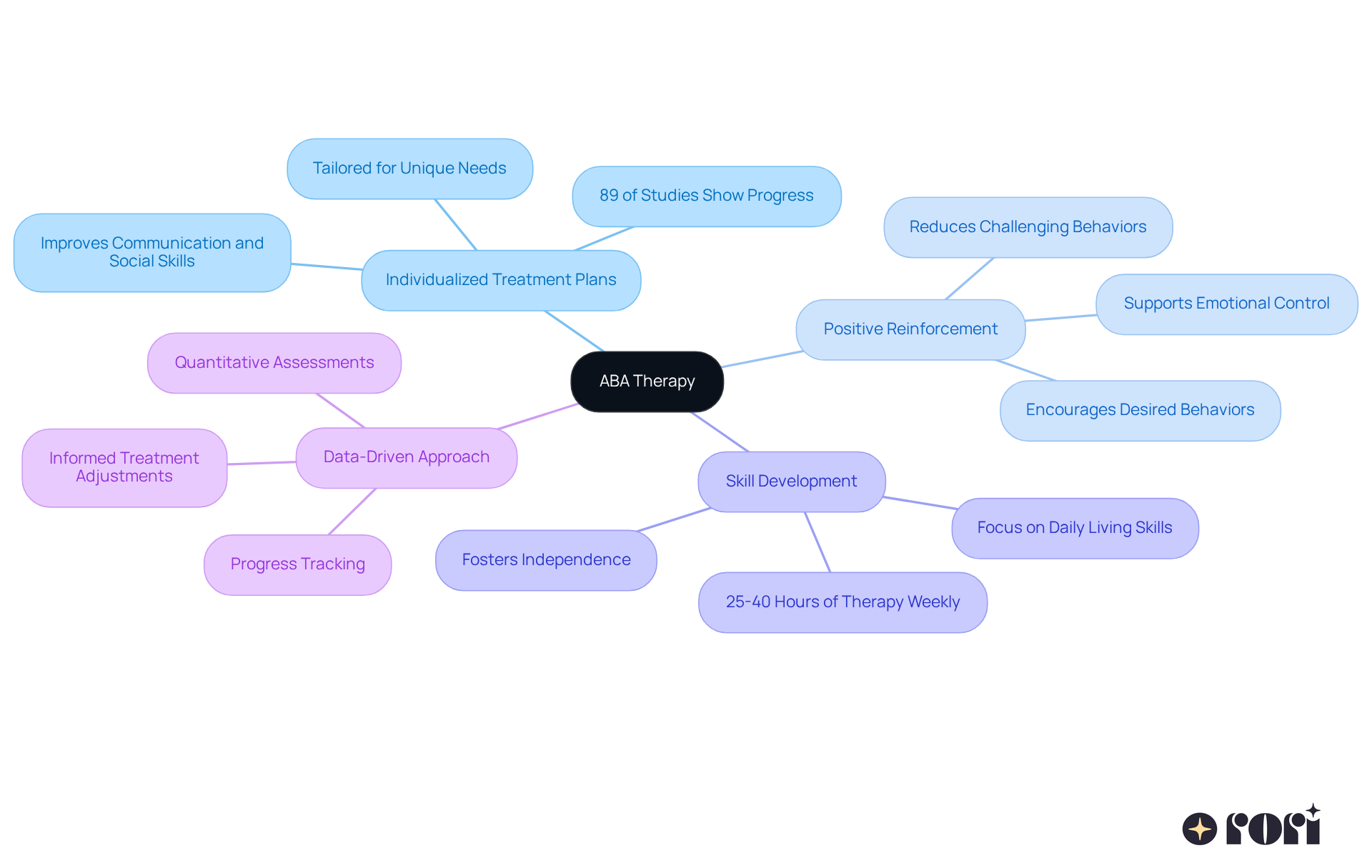
Applied Behavior Analysis (ABA) therapy is often seen as a top choice for helping individuals with autism. It focuses on improving specific behaviors and skills, making a real difference in their lives.
Individualized Treatment Plans: Every child deserves a plan tailored just for them! These customized plans address unique needs and goals. Research shows that when treatment is personalized, outcomes improve significantly. In fact, over 89% of studies highlight remarkable progress in communication, social skills, and adaptive behaviors among those undergoing ABA therapy.
Positive Reinforcement: One of the key strategies in ABA is positive reinforcement. This means encouraging desired behaviors while helping to reduce challenging ones. It’s a powerful way to help kids learn new skills and gain emotional control, especially for those with developmental disorders.
Skill Development: ABA therapy covers a wide range of areas, from communication to daily living skills, all aimed at fostering independence. Kids who engage in intensive therapy-about 25 to 40 hours a week-often see substantial progress. Many even achieve significant improvements in cognitive and adaptive functioning!
Data-Driven Approach: Progress isn’t just a guess; it’s tracked meticulously through data collection. This allows therapists to make informed adjustments to treatment plans as needed. It’s all about ensuring that interventions stay aligned with each child’s evolving needs.
As a parent, it’s important to recognize autism warning signs for parents and see ABA therapy as a viable and effective option for your child. It’s been recognized for enhancing the quality of life for individuals with autism, which includes understanding autism warning signs for parents. Plus, recent advancements, like telehealth services, have made it even easier for families to get involved in their child’s therapeutic journey.
Let’s explore this together! We’re here to help you every step of the way!
Recognizing the warning signs of Autism Spectrum Disorder (ASD) is such an important step for parents in supporting their child's development. When you understand these signs, it not only helps with early detection but also empowers families to seek timely intervention. This can really make a difference in enhancing outcomes for children on the spectrum. The journey toward awareness and support starts with acknowledging the unique challenges that ASD presents and the importance of being proactive in addressing them.
In this guide, we’ve highlighted key indicators of autism, like:
We’ve broken down the assessment process into manageable steps, emphasizing the need for early screening and thorough evaluations. Plus, we’ve underscored the role of Applied Behavior Analysis (ABA) therapy as an effective treatment option, showcasing its personalized approach and the positive impact it can have on developing essential skills.
Ultimately, understanding autism isn’t just about recognizing symptoms; it’s about creating a supportive environment where children can truly thrive. We encourage parents to stay vigilant and proactive, using available resources and seeking professional help when needed. By doing this, you can pave the way for your child’s success and well-being, ensuring that every child has the chance to reach their full potential. Let’s explore this together!
What is Autism Spectrum Disorder (ASD)?
Autism Spectrum Disorder (ASD) is a complex neurodevelopmental condition characterized by difficulties in social communication, restricted interests, and repetitive behaviors.
How does ASD impact development in children?
ASD affects development in various ways, influencing how children interact with others, communicate, and engage in play. Symptoms can range from mild to severe and can significantly impact learning and overall development.
What are the statistics regarding ASD diagnoses in the U.S.?
Approximately 1 in 31 youths in the U.S. are diagnosed with ASD, which represents a 382% increase since 2000. Boys are nearly four times more likely to receive a diagnosis than girls.
What is the significance of early diagnosis and intervention for children with ASD?
Early diagnosis and intervention are crucial as they can greatly improve communication skills and independence. On average, children in the U.S. are diagnosed around age 5, but those from lower-income families tend to be diagnosed earlier, at about 4.7 years.
What percentage of children with ASD have intellectual disabilities?
Statistics indicate that almost two-thirds of children with ASD have significant or borderline intellectual disabilities, highlighting the need for tailored educational approaches and support.
How does Rori Care support families and children with ASD?
Rori Care aims to empower families and therapists by combining proven treatments with AI-powered technologies, helping them achieve positive outcomes for children with ASD.
Why is it important for parents to understand autism warning signs?
Understanding autism warning signs is crucial for parents so they can identify potential issues in their children and seek the appropriate resources and support to foster their development.