ABA therapy organizations are truly changing the game when it comes to autism care. They’re here to provide essential support and tailored interventions for families who are navigating the complexities of autism. With over 33,000 of these organizations in the U.S. alone, it’s clear that the commitment to enhancing the lives of individuals on the spectrum has never been stronger.
But as these organizations evolve with technology and evidence-based practices, a pressing question comes to mind: how can families ensure they’re accessing the most effective resources and support systems available? Let’s explore this together! We’re here to help you every step of the way!
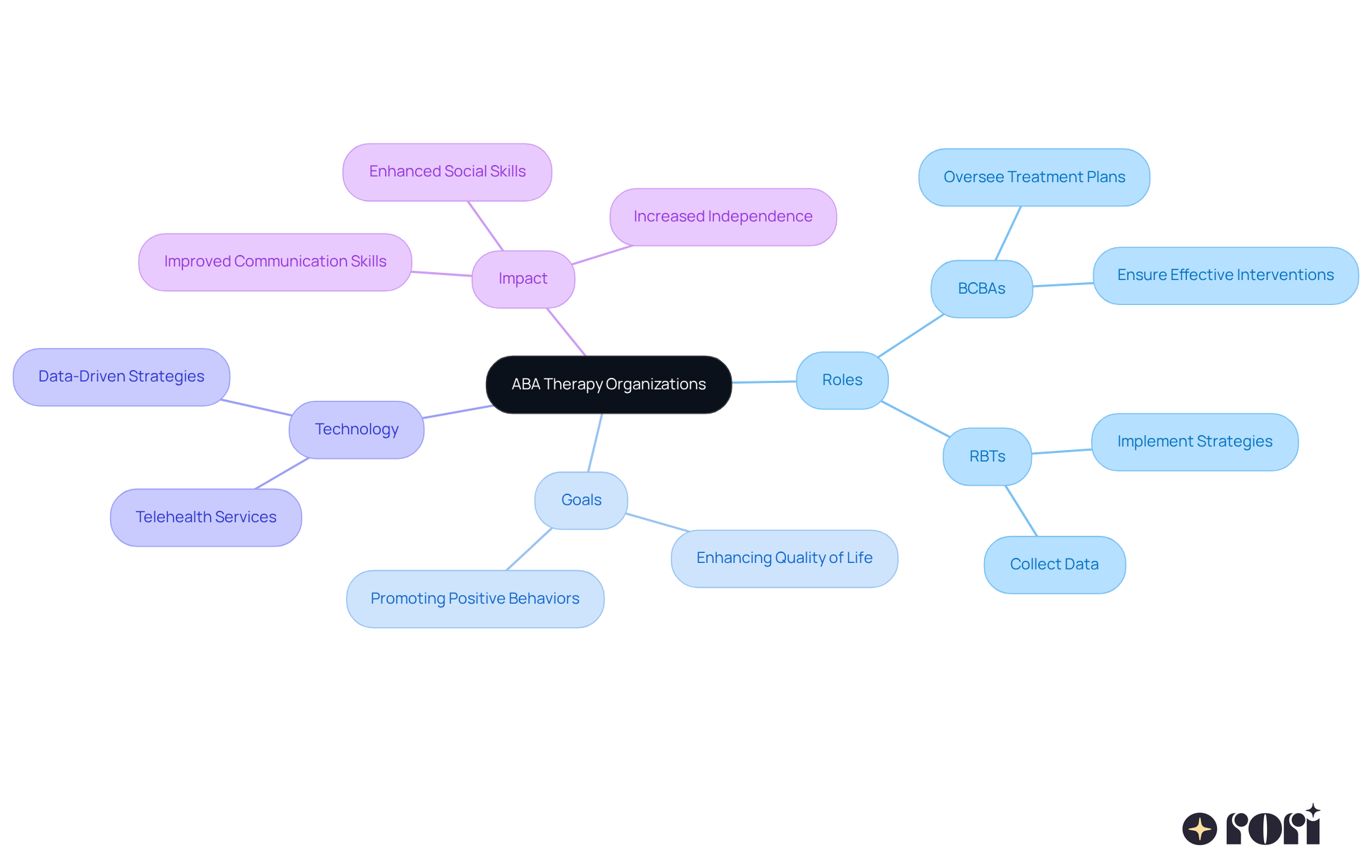
ABA therapy organizations are dedicated spaces where families can find support based on Applied Behavior Analysis (ABA), a proven method for understanding and changing behavior. These groups bring together qualified experts, like Board Certified Behavior Analysts (BCBAs) and Registered Behavior Technicians (RBTs), who collaborate to create personalized treatment plans tailored to the unique needs of children with autism. The main goal? To enhance the quality of life for individuals on the autism spectrum by promoting positive behaviors and minimizing challenges through and data-driven strategies.
As of 2025, there are over 33,000 ABA therapy organizations across the United States, illustrating the extent to which families are seeking these services. BCBAs play a vital role here, overseeing treatment plans and ensuring that interventions are effective and follow best practices. On the other hand, RBTs provide hands-on support to kids, implementing the strategies designed by BCBAs and collecting data to track progress. This teamwork is essential for achieving successful outcomes in ABA therapy, blending expert knowledge with practical help, ultimately leading to better communication, social skills, and independence for children with autism.
Recently, ABA groups have embraced technology to make treatment more efficient and accessible. For instance, telehealth services have emerged as a fantastic option, allowing families to engage in counseling from the comfort of their homes while still receiving top-notch care. This shift not only broadens access to services but also encourages greater parental involvement, which is crucial for reinforcing learned behaviors and helping skills transfer to everyday life.
In summary, the ABA therapy organization is a key player in autism support, employing skilled professionals to deliver customized treatment plans that significantly improve the lives of children with autism. The ongoing evolution of these groups, driven by technological advancements and a commitment to personalized care, positions them as essential partners in the journey toward better outcomes for individuals on the spectrum. Let’s explore this together!
ABA therapy organizations, including Rori Care - ABA Support, play a vital role in helping families navigate autism. They offer structured interventions tailored to each child’s unique needs. By conducting thorough assessments, these groups pinpoint specific behavioral challenges and strengths, which helps in crafting personalized treatment plans.
At Rori Care, you’ll find a range of services designed to support families, including personal counseling, caregiver education, and program development. The focus is on family involvement, providing training and support that empower parents to take an active role in their child’s treatment. This collaborative approach creates a strong support system, enhancing the effectiveness of interventions and paving the way for long-term success for children with autism.
Research shows that kids who receive consistent family support during ABA treatment often see remarkable improvements in communication, social skills, and daily living abilities. Parents have shared heartfelt testimonials about the transformative impact of these groups, expressing gratitude for the resources and support that have been crucial in their child’s development.
By bridging the gap between therapists, families, and educators, the ABA therapy organization not only facilitates effective interventions but also cultivates an environment where children can truly thrive. However, it’s important to acknowledge that families often face financial hurdles, with treatment costs averaging around $60,000 annually. This highlights the pressing need for .
Let’s explore this together! If you’re navigating these challenges, know that you’re not alone, and there are resources available to help you every step of the way!

When it comes to finding effective ABA therapy organizations, it’s all about their commitment to . These practices are key to delivering top-notch support for youth with autism. Did you know that around 66% of ABA therapy providers focus on ongoing training for their staff? This means therapists are always up-to-date with the latest research and techniques, which is fantastic for the kids they work with!
Having a team of skilled experts is essential in these settings. They bring a wealth of knowledge and experience to the table. Successful teams foster a collaborative environment where open communication between therapists and families is encouraged. This teamwork ensures that treatment plans are not only consistently followed but also adjusted as needed to meet each child’s unique needs.
Another important aspect of effective ABA practices is transparency in data collection and progress evaluation. By regularly analyzing data, these ABA therapy organizations can make informed decisions about treatment strategies and show accountability in the therapeutic process. As industry leaders often point out, using evidence-based methods is crucial for achieving meaningful results in ABA treatment. This reinforces the idea that early and intensive intervention can lead to significant improvements in communication, social skills, and overall adaptive behavior for individuals with autism.
Let’s explore this together! If you’re looking for support or resources, remember, we’re here to help you every step of the way!

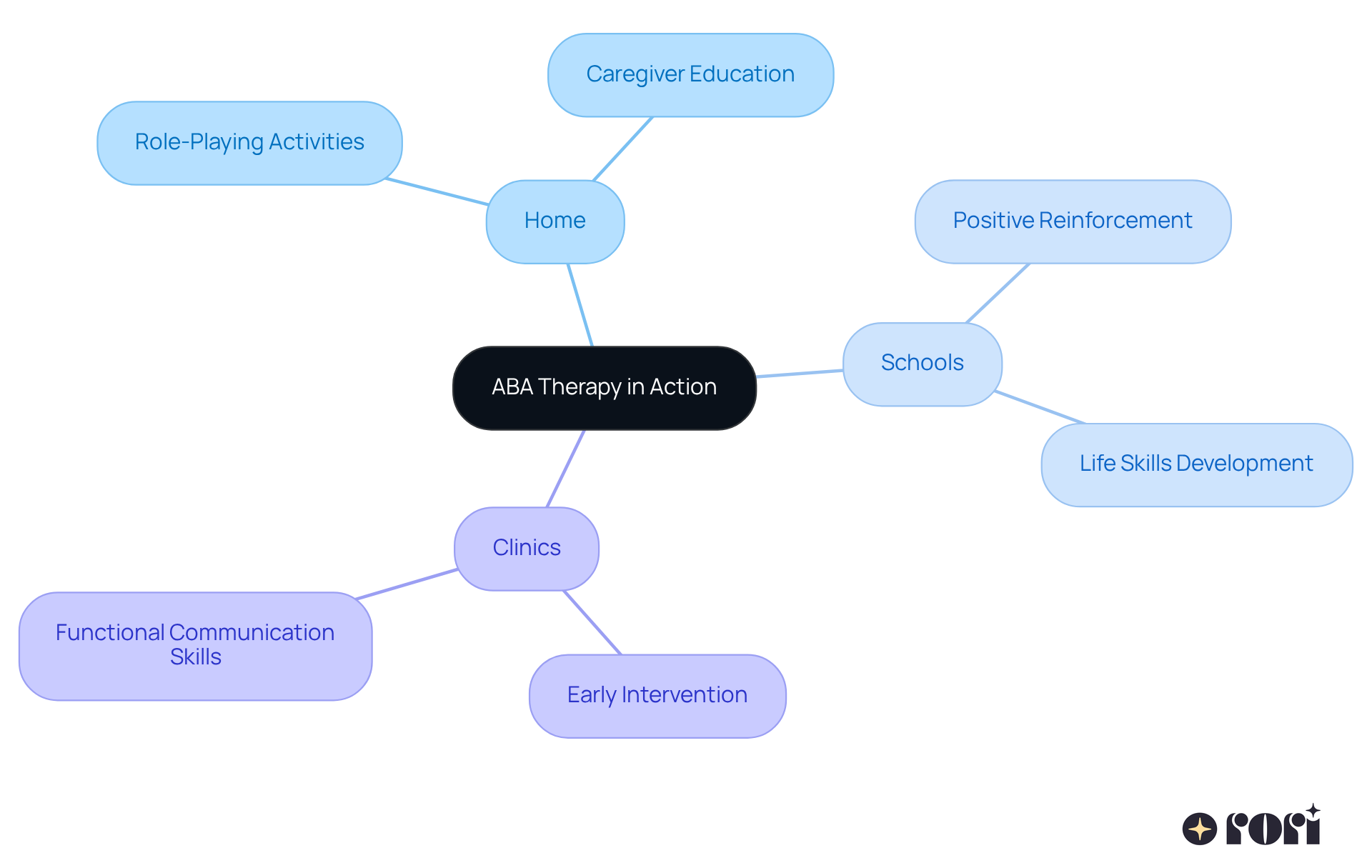
ABA therapy works wonders in various settings, like at home, in schools, and specialized clinics. For example, kids who struggle with social interactions often engage in role-playing activities designed to boost their communication skills and build confidence in social situations. This approach not only helps them develop but also prepares them for real-life interactions.
In schools, ABA techniques shine by reinforcing positive behaviors through strategies like positive reinforcement. Imagine a child receiving praise or rewards for completing self-care tasks, such as brushing their teeth or dressing independently. The ABA therapy organization focuses on practical applications that target specific behaviors, playing a vital role in developing essential life skills, promoting greater independence, and enhancing the quality of life for individuals with autism.
Research shows that kids receiving home-based interventions from an ABA therapy organization achieve results comparable to those in clinics. In fact, studies suggest that up to 90% of children who get [early help develop functional communication skills](https://upandupaba.com/faqs-resources/success-rates-of-aba-therapy). Plus, kids who start treatment by age two are three times more likely to thrive in inclusive educational settings compared to those who begin later. These insights underscore the importance of personalized interventions at home and school, highlighting how an ABA therapy organization can ensure therapy meets each child's unique needs. And when caregivers are educated about ABA principles, they can better support their child's progress, leading to improved behavioral outcomes and a happier family dynamic.
Let’s explore this together! If you’re a parent navigating these challenges, remember you’re not alone. We’re here to help you every step of the way!
ABA therapy organizations are truly invaluable for families navigating the complexities of autism care. They don’t just offer evidence-based interventions tailored to individual needs; they also create a space for collaboration between professionals and families. This teamwork ultimately enhances the quality of life for children on the autism spectrum.
Throughout our discussion, we’ve highlighted the essential roles within these organizations, like Board Certified Behavior Analysts and Registered Behavior Technicians. We’ve also touched on how technology can improve accessibility and the importance of family involvement in the therapeutic process. Plus, ongoing training for staff and data transparency are crucial for evaluating treatment effectiveness. All these elements come together to create successful outcomes for children, showcasing the significant impact these organizations have on autism treatment.
It’s clear that ABA therapy organizations are more than just service providers; they’re vital partners in the journey toward better communication, social skills, and independence for individuals with autism. For families seeking support, understanding the resources and strategies available through these organizations is key. Embracing the collaborative nature of ABA therapy can lead to meaningful changes. So, let’s engage actively in this process and advocate for fair access to these essential services. We’re here to help you every step of the way!
What are ABA therapy organizations?
ABA therapy organizations are dedicated spaces that provide support based on Applied Behavior Analysis (ABA), a method for understanding and changing behavior, particularly for children with autism.
Who are the professionals involved in ABA therapy organizations?
The professionals involved include Board Certified Behavior Analysts (BCBAs) who oversee treatment plans and Registered Behavior Technicians (RBTs) who provide hands-on support and implement strategies.
What is the main goal of ABA therapy?
The main goal of ABA therapy is to enhance the quality of life for individuals on the autism spectrum by promoting positive behaviors and minimizing challenges through structured interventions and data-driven strategies.
How many ABA therapy organizations are there in the United States as of 2025?
As of 2025, there are over 33,000 ABA therapy organizations across the United States.
What role do BCBAs play in ABA therapy?
BCBAs oversee treatment plans, ensuring that interventions are effective and follow best practices.
What do RBTs do in the context of ABA therapy?
RBTs provide hands-on support to children, implementing strategies designed by BCBAs and collecting data to track progress.
How has technology impacted ABA therapy organizations?
Technology has made treatment more efficient and accessible, with telehealth services allowing families to receive counseling from home, which increases access to services and encourages parental involvement.
Why is parental involvement important in ABA therapy?
Parental involvement is crucial for reinforcing learned behaviors and helping skills transfer to everyday life, enhancing the effectiveness of the therapy.
What outcomes can be expected from effective ABA therapy?
Effective ABA therapy can lead to improved communication, social skills, and independence for children with autism.