Introduction
Navigating the world of Applied Behavior Analysis (ABA) therapy can feel overwhelming for families dealing with autism. But understanding its ins and outs can truly make a difference! This article is here to guide you through the essential components of ABA sessions and highlight the amazing benefits of this evidence-based approach.
As parents, you might find yourselves asking:
- How can I engage with ABA therapy at home?
- What strategies can I use to enhance my child’s learning experience beyond therapy sessions?
These questions are common, and exploring them can empower you as caregivers. Plus, it enriches the entire therapeutic journey for your child. Let’s dive in together!
Define ABA Therapy: Core Principles and Objectives
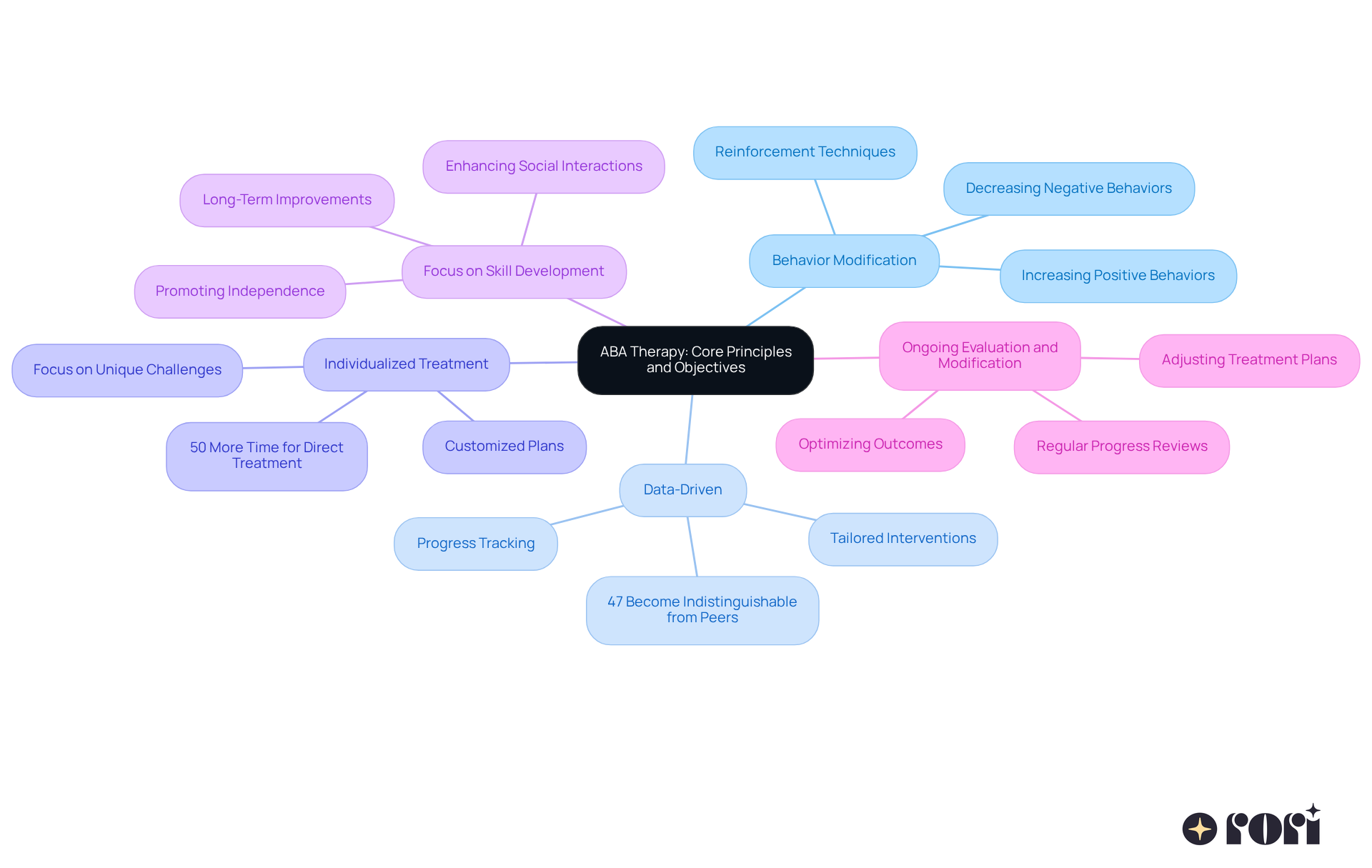
Applied Behavior Analysis (ABA) intervention is a scientifically validated approach designed to understand and modify behavior effectively. Let’s dive into some core principles of ABA that can really make a difference for families:
- Behavior Modification: At its heart, ABA operates on the idea that behaviors can be learned and changed through reinforcement and consequences. This means we focus on increasing the good behaviors while decreasing the not-so-good ones, creating a positive environment for everyone involved.
- Data-Driven: One of the coolest things about ABA is how it relies on data collection to track progress and guide treatment decisions. This systematic approach ensures that interventions are not just effective but also tailored to meet each individual’s unique needs. Did you know that studies show 47% of individuals receiving ABA treatment become indistinguishable from their peers? Plus, there’s an impressive over 89% success rate in addressing autism spectrum disorder in youngsters!
- Individualized Treatment: Every child is unique, and that’s why ABA therapy is customized to tackle specific challenges and goals. This personalized touch makes interventions more relevant and effective, leading to real improvements in communication and social skills. Rori Care takes this a step further by using advanced AI technology to automate progress report creation, freeing up 50% more time for direct treatment.
- Focus on Skill Development: ABA isn’t just about changing behaviors; it’s also about teaching new skills, enhancing social interactions, and promoting independence-key areas for individuals with autism. Research shows that intensive and long-term ABA therapy can lead to lasting improvements in daily living skills and overall development. By empowering caregivers with ABA principles and strategies, Rori Care ensures that parents can actively participate in their child’s behavioral goals through informed decision-making and data collection.
- Ongoing Evaluation and Modification: Keeping an eye on the client’s progress and how they respond to interventions is super important. Rori Care regularly tweaks behavioral plans to optimize outcomes, making sure that each individual’s treatment stays effective and relevant.
Understanding these principles can really help parents appreciate the ABA therapy structure and its for their children. It’s also worth noting that the typical cost of supporting someone with autism is around $60,000 annually, and only 15% of insured individuals referred for ABA-based behavioral health treatment receive 80% or more of the recommended treatment hours. As highlighted by the American Psychological Association, ABA is recognized as an evidence-based best practice treatment, emphasizing its flexibility to meet individual needs.
So, let’s explore this together! If you have any questions or thoughts, feel free to share. We’re here to help you every step of the way!
Explore the Structure of ABA Therapy Sessions: Key Components and Flow
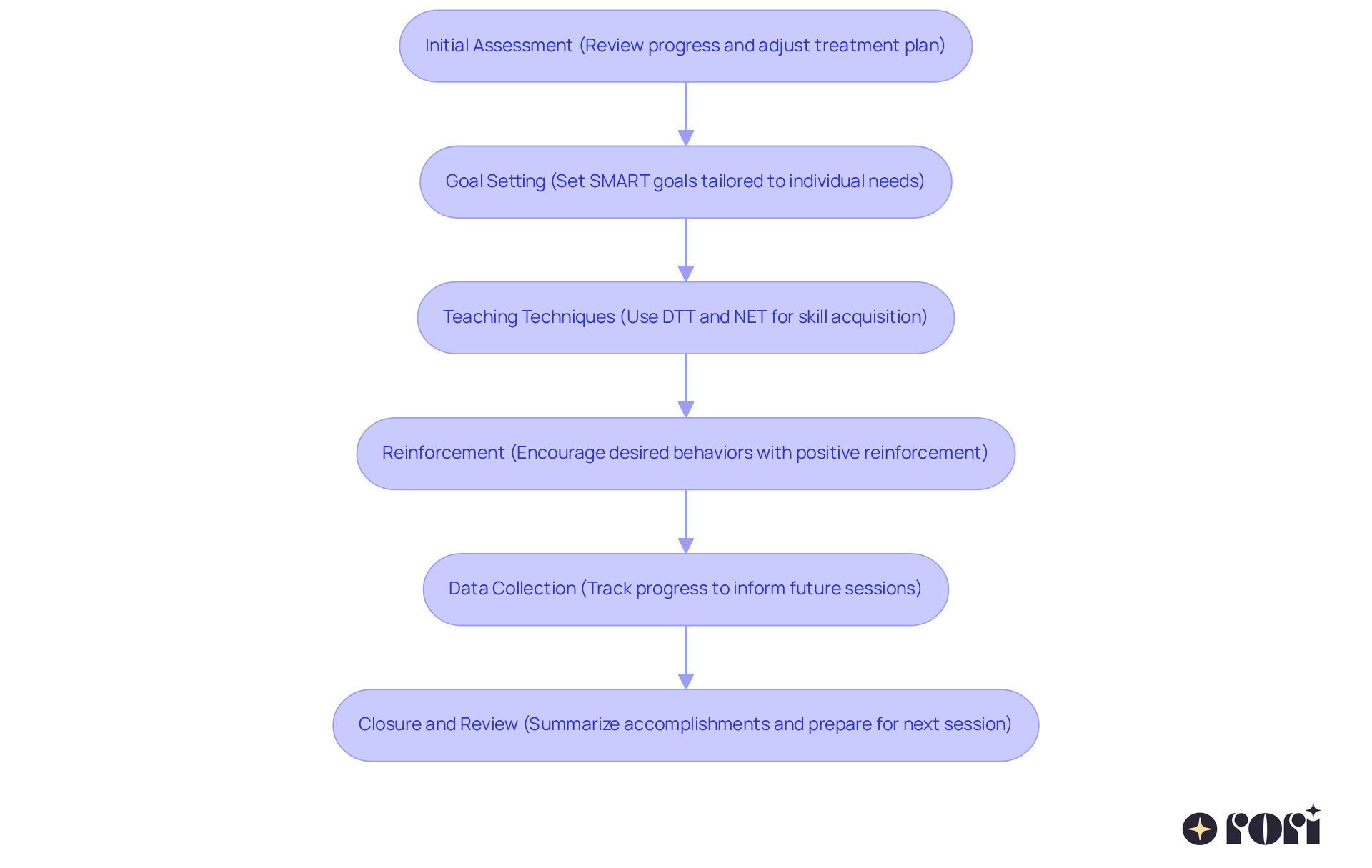
The aba therapy structure of the sessions is thoughtfully designed to make the most of every moment, featuring several key components that really help.
- Initial Assessment: Each session kicks off with a look at how the individual is progressing. This allows therapists to tweak the treatment plan as needed, ensuring it stays in tune with the person’s changing needs. It’s all about being responsive and supportive!
- Goal Setting: Setting clear, measurable goals is crucial for each session, focusing on specific skills or behaviors. By using SMART criteria - Specific, Measurable, Achievable, Relevant, and Time-bound - we can make sure these goals are realistic and tailored to the individual’s unique strengths and challenges. Plus, effective goal setting boosts motivation by giving young people achievable targets to aim for.
- Teaching Techniques: We use a mix of methods, like Discrete Trial Training (DTT) and Natural Environment Teaching (NET), to make learning happen in both structured and natural settings. This approach promotes skill acquisition in various contexts. These evidence-based strategies are rooted in the latest research, ensuring we’re using the best methods for behavior change. For instance, DTT breaks skills down into bite-sized steps, while NET encourages learning through play and everyday interactions.
- Reinforcement: Positive reinforcement plays a big role throughout the session. By encouraging desired behaviors with verbal praise, tokens, or fun activities, we help foster motivation and engagement.
- Data Collection: Keeping track of progress is essential for guiding future sessions. Ongoing data collection allows therapists to make informed decisions about interventions, ensuring treatment remains effective and responsive to the child’s needs. Our behavior care engine updates intervention and skill acquisition plans after each session based on what’s been achieved, highlighting the importance of being adaptable.
- Closure and Review: Each session wraps up with a summary of what’s been accomplished, reinforcing learning and setting the stage for the next session. This organized approach, which incorporates an aba therapy structure, not only supports efficient learning but also helps parents understand the treatment process clearly.
Statistics show that kids who participate in an ABA therapy structure that is well-organized are more likely to see significant improvements in adaptive behavior. For example, those who stayed in ABA for 24 months saw an average adjusted increase of 2.49 points in adaptive behavior. Plus, involving families in the goal-setting process has been shown to boost parental satisfaction and confidence, making the treatment even more effective. Interestingly, having a married or partnered parent increases the chances of staying in ABA for 12 and 24 months, emphasizing the importance of caregiver support. And let’s not forget, only 28% of kids received a complete ABA dose, which really highlights how crucial regular participation in treatment sessions is.
Let’s explore this together! We’re here to !
Utilize Technology in ABA Therapy: Enhancing Personalization and Effectiveness
Technology is truly changing the game in ABA therapy, bringing a host of benefits that make it more personal and effective for our kids:
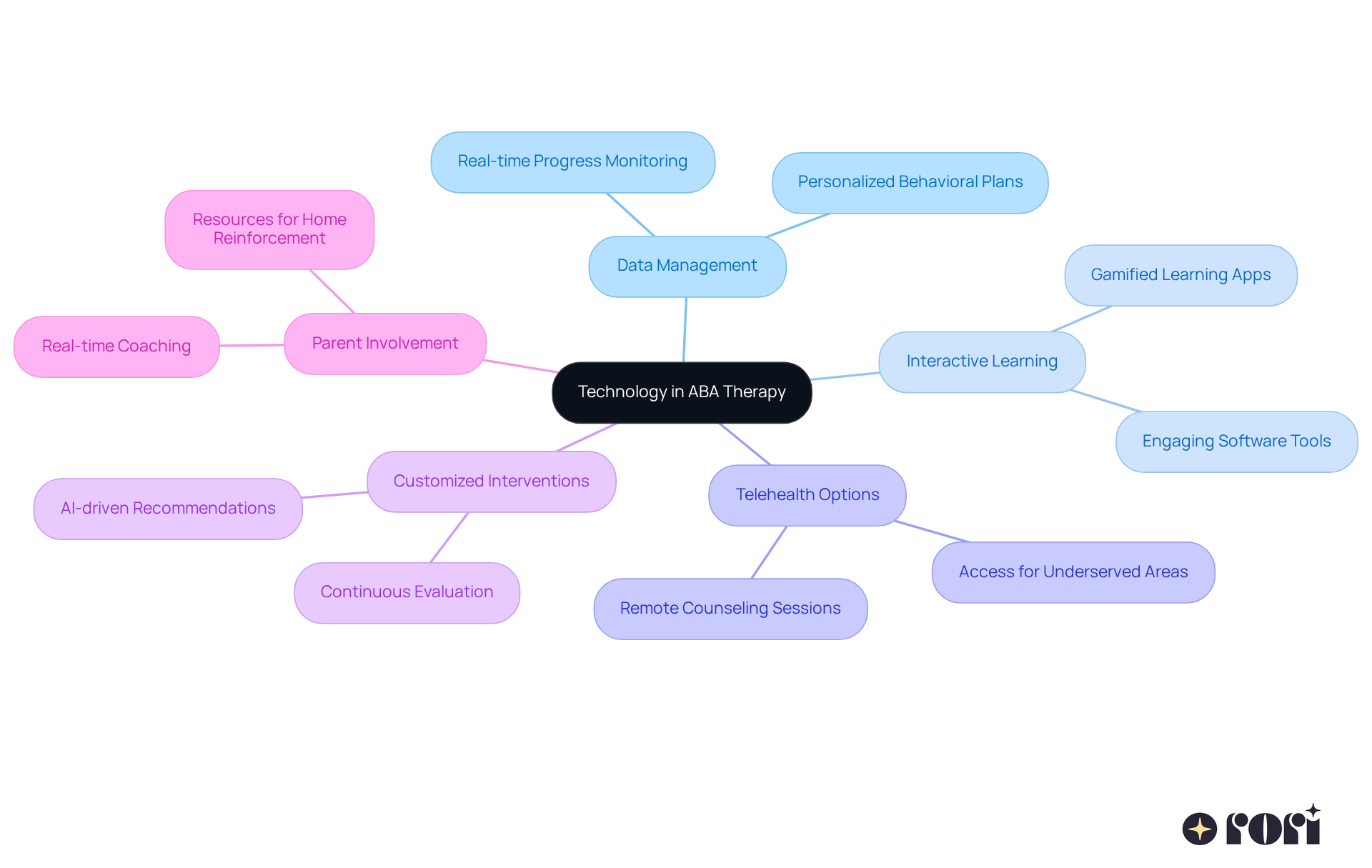
- Data Management: With digital tools, collecting and analyzing data has never been easier! Therapists can keep an eye on progress in real-time and adjust strategies on the fly. This is super important because research shows that intensive ABA therapy can lead to big improvements in various skills for children with autism. Each behavioral plan is crafted just for your child within the aba therapy structure, focusing on their unique needs, strengths, challenges, and goals. It’s all about personalized care!
- Interactive Learning: Have you seen the engaging apps and software out there? They add fun, gamified elements that encourage kids to dive into their learning. This interactive approach not only makes sessions enjoyable but also reinforces learning outcomes through an aba therapy structure with clear goals that demonstrate progress. It’s a win-win!
- Telehealth Options: Thanks to technology, remote counseling sessions are now a reality, making it easier for families facing geographical or logistical hurdles. With over 94% of the U.S. population having internet access as of 2024, telehealth is a practical solution for many. Plus, it opens up access to the ABA therapy structure for those in underserved or remote areas, eliminating the need for travel.
- Customized Interventions: AI-driven tools are game-changers! They analyze data within the aba therapy structure to provide personalized recommendations, ensuring that each treatment fits your child’s specific needs. Our behavior analysts use strategies based on the latest research, applying the most effective methods for behavior change. Continuous evaluation and adjustments keep interventions aligned with your child’s progress and needs.
- Parent Involvement: Technology also empowers parents by providing resources and tools to reinforce skills at home, boosting the overall effectiveness of treatment. Your involvement is crucial, as it helps beyond therapy sessions. And don’t worry-we prioritize HIPAA compliance, ensuring that all data is anonymized and handled with care, so you can feel secure about your child’s information.
By embracing these tech advancements, you can play a vital role in your child’s learning journey, making treatment not just effective but also enjoyable. Let’s explore this together!
Engage as a Parent: Strategies for Supporting ABA Therapy at Home
Parents play a crucial role in reinforcing the skills learned during ABA treatment. Here are some effective strategies to support your child's progress at home:
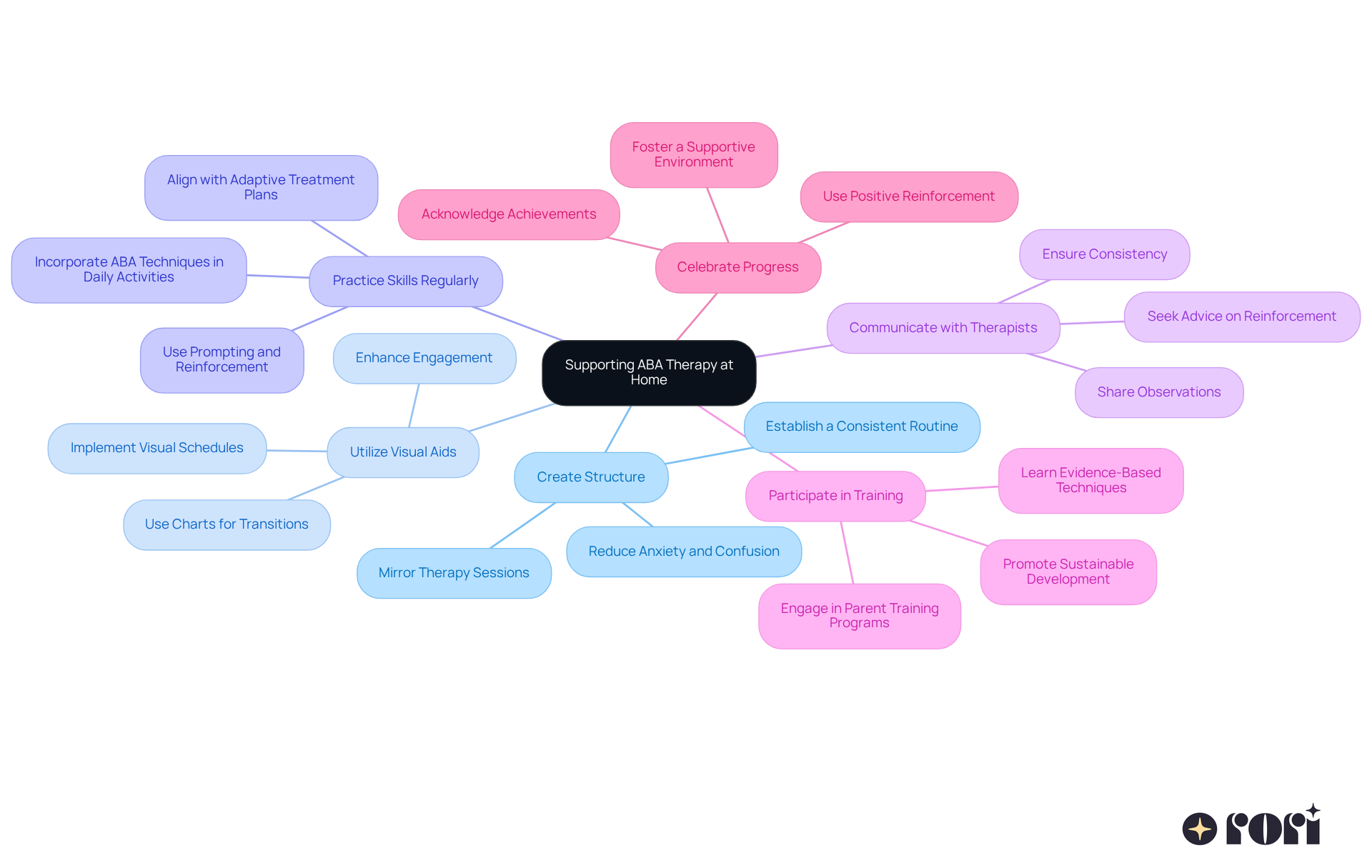
- Creating an ABA therapy structure involves establishing a consistent routine that mirrors the structure of therapy sessions, helping young individuals feel secure and understand expectations. Research shows that the ABA therapy structure significantly decreases anxiety and confusion, leading to improved learning outcomes for individuals with autism.
- Utilize Visual Aids: can assist young learners in anticipating activities and transitions, making daily routines easier to navigate. Behavior analysts emphasize the importance of visual supports within the ABA therapy structure, as they facilitate comprehension and engagement.
- Practice Skills Regularly: Incorporate ABA techniques into everyday activities. For instance, use prompting and reinforcement during playtime or mealtime to encourage desired behaviors. Research indicates that youngsters whose parents actively participate in practicing skills at home exhibit better behavioral enhancements. This active involvement aligns with the adaptive treatment plans that Rori Care implements, which are updated based on performance reports and caregiver participation.
- Communicate with Therapists: Keep those lines of communication open with your child's ABA therapist! Sharing observations and seeking advice on how to reinforce skills at home effectively is vital for ensuring consistency and maximizing progress.
- Participate in Training: Engage in parent training programs offered by Rori Care to learn techniques and strategies that can be applied at home. Research supports that parent training enhances treatment effectiveness and promotes sustainable developmental improvements for individuals with autism.
- Celebrate Progress: Acknowledge and celebrate your child's achievements, no matter how small. Positive reinforcement at home can inspire ongoing development, fostering a supportive environment that enhances learning opportunities. Empowering caregivers with ABA principles not only boosts confidence but also improves overall family dynamics.
By actively participating in your child's ABA therapy structure, you can significantly enhance their learning and development, ensuring that the skills acquired during therapy are effectively generalized to everyday life. Notably, when recommended hours are fully implemented with active caregiver involvement, 90% of children show remarkable progress.
Conclusion
Understanding the structure of ABA therapy is so important for parents looking for effective support for their kids. This guide highlights how a well-organized therapy framework not only tackles behavioral challenges but also helps kids develop skills and gain independence. When parents grasp the core principles of ABA, they can truly see how personalized interventions can boost their child's growth.
We’ve explored some key components of ABA therapy sessions, like:
- The need for individualized treatment
- Data-driven decision-making
- Ongoing evaluation
Techniques such as positive reinforcement and structured goal-setting play a crucial role in creating a fun and engaging learning environment. Plus, integrating technology can really enhance the personalization and effectiveness of therapy, offering real-time insights and interactive learning opportunities.
Ultimately, your involvement as a parent is vital in reinforcing the skills learned during therapy. By setting up consistent routines, using visual aids, and keeping open lines of communication with therapists, you can make a significant difference in your child’s progress. Embracing these strategies not only supports the learning process but also creates a nurturing atmosphere for development. Engaging with ABA therapy at home can lead to amazing improvements, highlighting the collaborative effort needed for successful outcomes. Let’s explore this together!
Frequently Asked Questions
What is ABA therapy?
Applied Behavior Analysis (ABA) therapy is a scientifically validated approach designed to understand and modify behavior effectively, focusing on increasing positive behaviors and decreasing negative ones.
How does ABA therapy modify behavior?
ABA therapy modifies behavior through reinforcement and consequences, creating a positive environment that encourages good behavior while reducing undesirable actions.
What role does data play in ABA therapy?
Data collection is essential in ABA therapy as it tracks progress and guides treatment decisions, ensuring that interventions are effective and tailored to meet individual needs.
What is the success rate of ABA therapy for individuals with autism?
Studies show that 47% of individuals receiving ABA treatment become indistinguishable from their peers, and there is an impressive over 89% success rate in addressing autism spectrum disorder in youngsters.
How is ABA therapy personalized for each child?
ABA therapy is customized to address specific challenges and goals of each child, making interventions more relevant and effective in improving communication and social skills.
What is the focus of skill development in ABA therapy?
ABA therapy focuses on teaching new skills, enhancing social interactions, and promoting independence, which are crucial areas for individuals with autism.
How does Rori Care enhance ABA therapy?
Rori Care uses advanced AI technology to automate progress report creation, allowing therapists to spend 50% more time on direct treatment with clients.
Why is ongoing evaluation important in ABA therapy?
Ongoing evaluation allows for regular adjustments to behavioral plans based on the client’s progress and response to interventions, ensuring that treatment remains effective and relevant.
What is the average cost associated with supporting someone with autism?
The typical cost of supporting someone with autism is around $60,000 annually.
How does insurance coverage affect access to ABA therapy?
Only 15% of insured individuals referred for ABA-based behavioral health treatment receive 80% or more of the recommended treatment hours.
Is ABA therapy recognized as an effective treatment?
Yes, ABA therapy is recognized by the American Psychological Association as an evidence-based best practice treatment, emphasizing its flexibility to meet individual needs.