Have you ever noticed how certain sounds or textures can really bother your child? Understanding sensory sensitivities in children with autism is so important because these sensitivities can really shape their daily experiences and interactions. By exploring the different types of sensory sensitivities - like sounds that might be too loud or textures that feel uncomfortable - we can find ways to help our kids navigate a world that can sometimes feel overwhelming.
But here’s the thing: how do we find that sweet spot between giving our kids the support they need and recognizing their unique sensory quirks? Digging into this can open up some eye-opening insights and real solutions that can brighten your child’s day-to-day life.
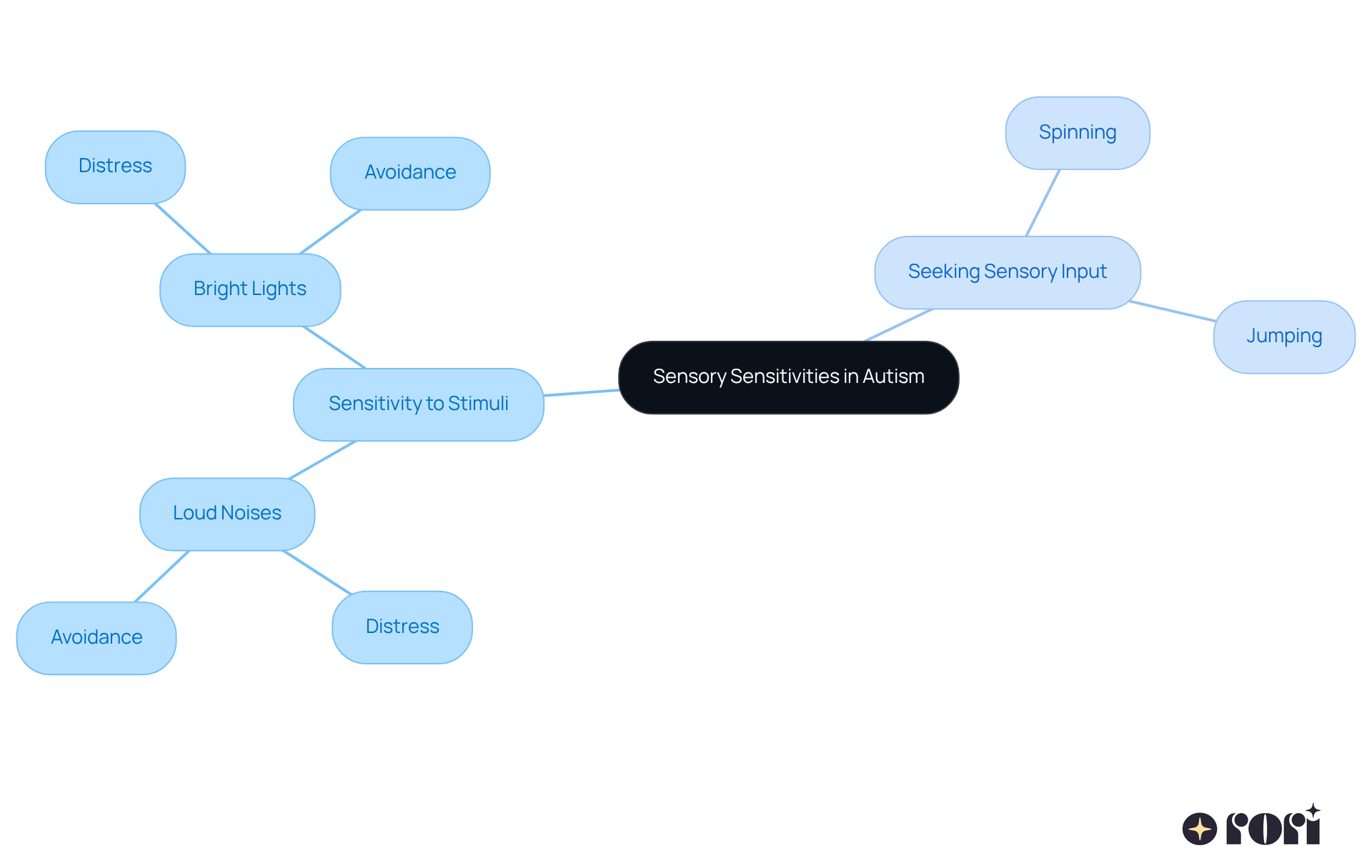
Have you ever noticed how some kids react differently to sounds or lights? Understanding and addressing sensory sensitivities in children with autism can manifest in unique ways, such as being extremely sensitive to loud noises or bright lights, potentially leading to distress or avoidance. On the flip side, some kids might seek out intense experiences, like spinning or jumping, to get the sensory input they crave.
Did you know that nearly all kids with autism experience some form of sensory sensitivity? Understanding and addressing sensory sensitivities in children with autism is essential for helping your child receive the support they need. It’s important to know that these reactions are common across different ages and types of stimuli.
By recognizing these differences, you can help your child engage more fully in daily activities and improve their overall quality of life. For instance, simple changes like lowering the volume or dimming the lights can make a big difference for your child. Let’s explore this together! By making small changes, you can create a more supportive environment for your child, helping them thrive every day.
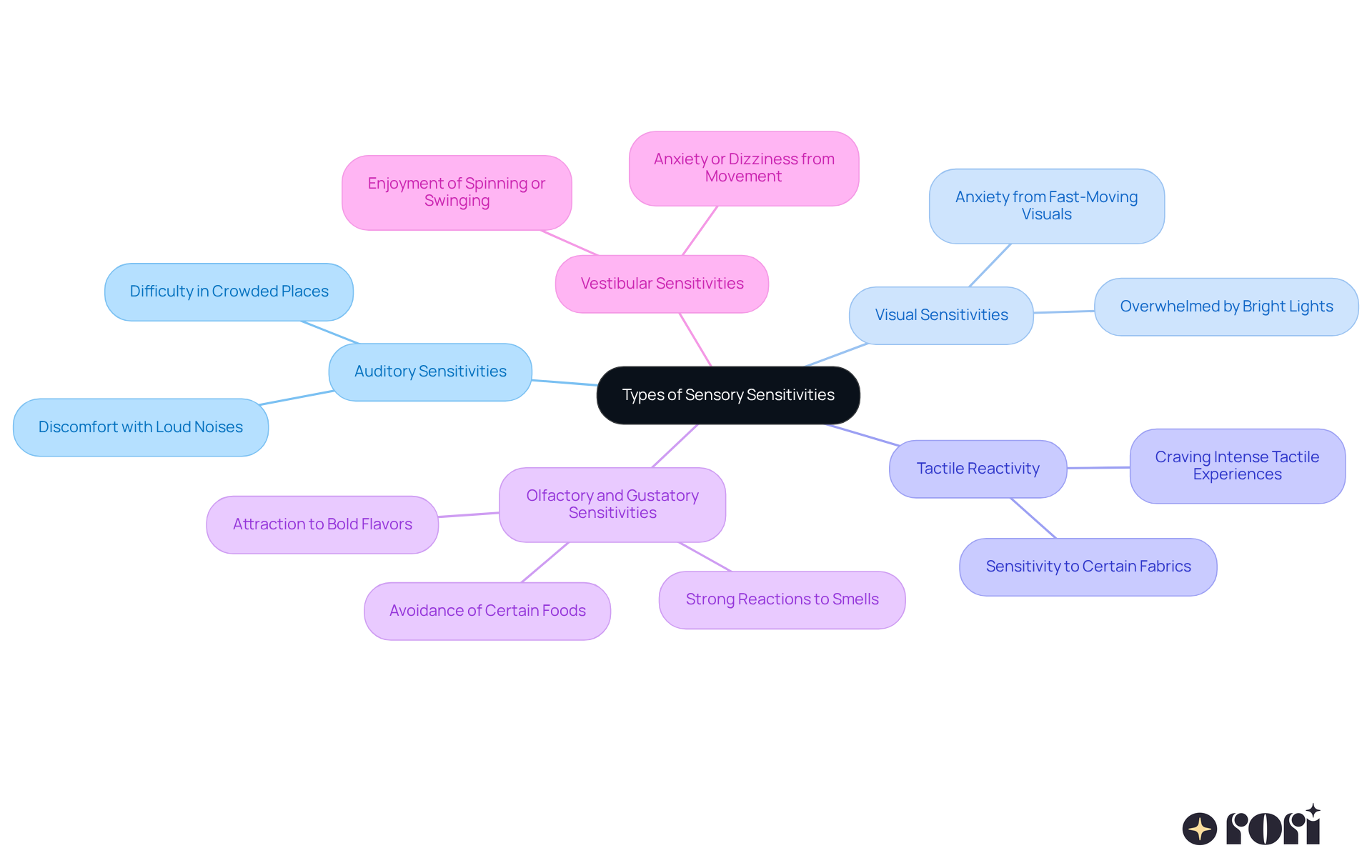
Have you ever noticed how certain sounds or lights can really bother your child? Sensory sensitivities can be broadly categorized into several types, and understanding them can truly help us support our kids better!
Auditory Sensitivities: Some kids might feel uncomfortable with loud noises or specific sounds, making crowded places or loud events tough to handle.
Visual Sensitivities: Bright lights or fast-moving visuals can be overwhelming for others, causing anxiety or discomfort.
Tactile Reactivity: This can mean being super sensitive to touch - like certain fabrics feeling unbearable - or, on the flip side, craving intense tactile experiences.
Olfactory and Gustatory Sensitivities: Some kids have strong reactions to smells or tastes, avoiding certain foods or being drawn to bold flavors and scents.
Vestibular Sensitivities: This relates to how kids respond to movement. Some might love spinning or swinging, while others could feel anxious or dizzy during those activities.
Understanding and addressing sensory sensitivities in children with autism can truly transform how we support our kids, making a significant difference in their daily lives. Here at Rori Care, we’re all about creating personalized plans that fit your child’s unique needs! Our qualified behavior analysts work closely with families to ensure that interventions are responsive to each child's evolving needs. By tracking progress clearly, we empower both clients and caregivers to engage actively in the therapeutic process, fostering a sense of ownership in achieving behavioral goals. Let’s explore this together!
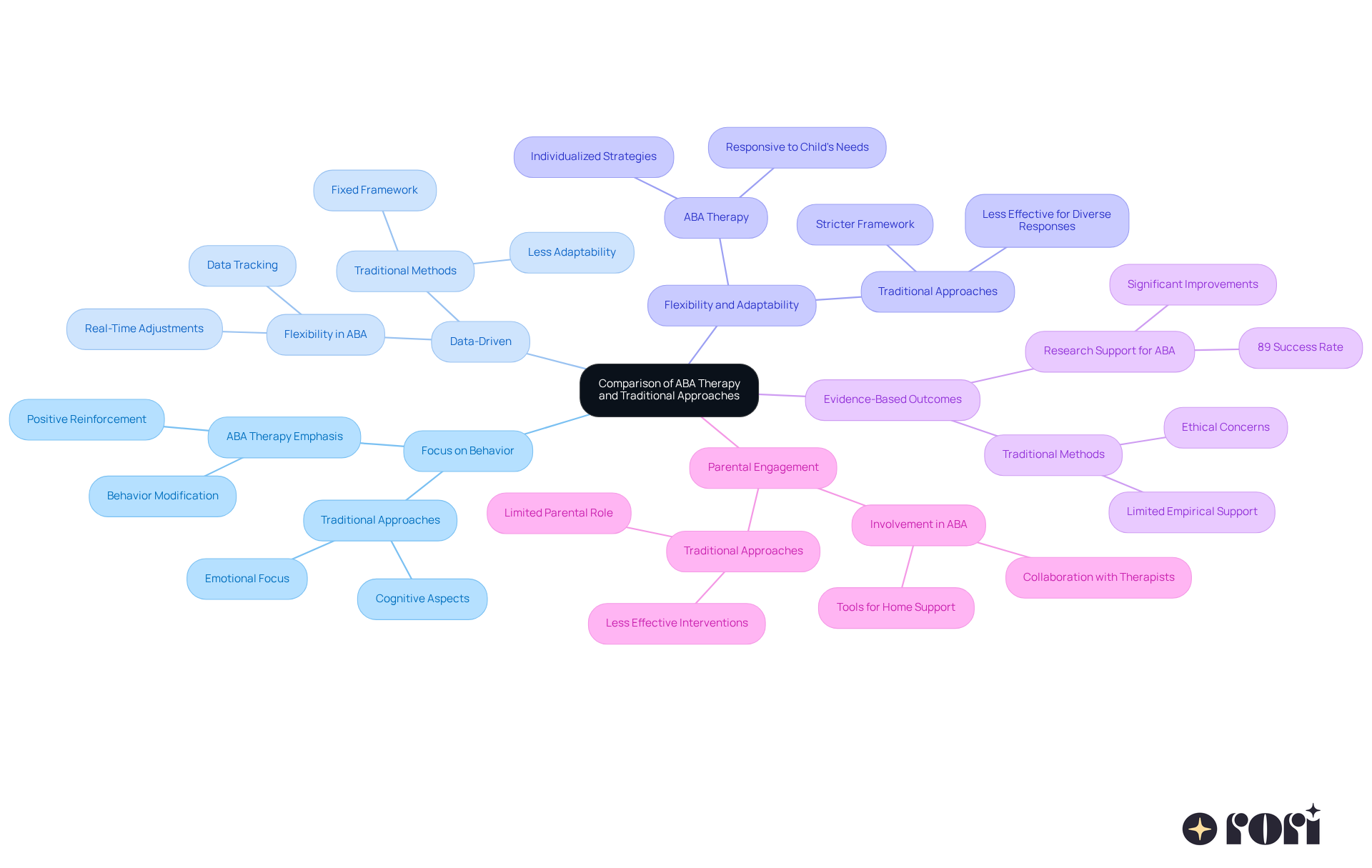
Choosing the right therapy for your child can feel overwhelming, especially when weighing the differences between ABA therapy and traditional approaches. Let’s break it down together!
Focus on Behavior: ABA therapy zooms in on behaviors we can see, using positive reinforcement to encourage good habits and reduce the not-so-great ones. Traditional methods, on the other hand, might not prioritize behavior modification, often focusing more on emotional or cognitive aspects without structured interventions.
Data-Driven: What’s great about ABA therapy is that it’s flexible! Therapists can tweak their strategies on the fly, depending on how your child responds. At Rori Care, we keep track of everything during sessions, so our team is always ready to help your child without missing a beat. Plus, all data is securely stored and anonymized, ensuring a rigorous approach that traditional methods might not offer.
Flexibility and Adaptability: The adaptable nature of ABA therapy allows therapists to modify strategies based on real-time data and individual responses. Conventional approaches often stick to a stricter framework, which can be less effective for kids who respond differently to various stimuli.
Evidence-Based Outcomes: Research shows that understanding and addressing sensory sensitivities in children with autism is crucial, and ABA therapy works wonders for these kids, particularly regarding their overall development. Studies indicate that kids receiving at least 25 hours per week of ABA therapy see significant improvements, with over 89% of studies reporting positive results. While traditional methods may not have the same level of empirical support, it’s crucial to consider the ethical concerns surrounding ABA therapy and the commitment it requires.
Parental Engagement: ABA therapy encourages parents to get involved, giving you tools to support your child’s needs right at home. This collaboration is often less emphasized in traditional approaches, which can limit the overall effectiveness of interventions.
Ultimately, understanding these differences can empower you to make the best choice for your child's unique needs. We’re here to help you every step of the way!
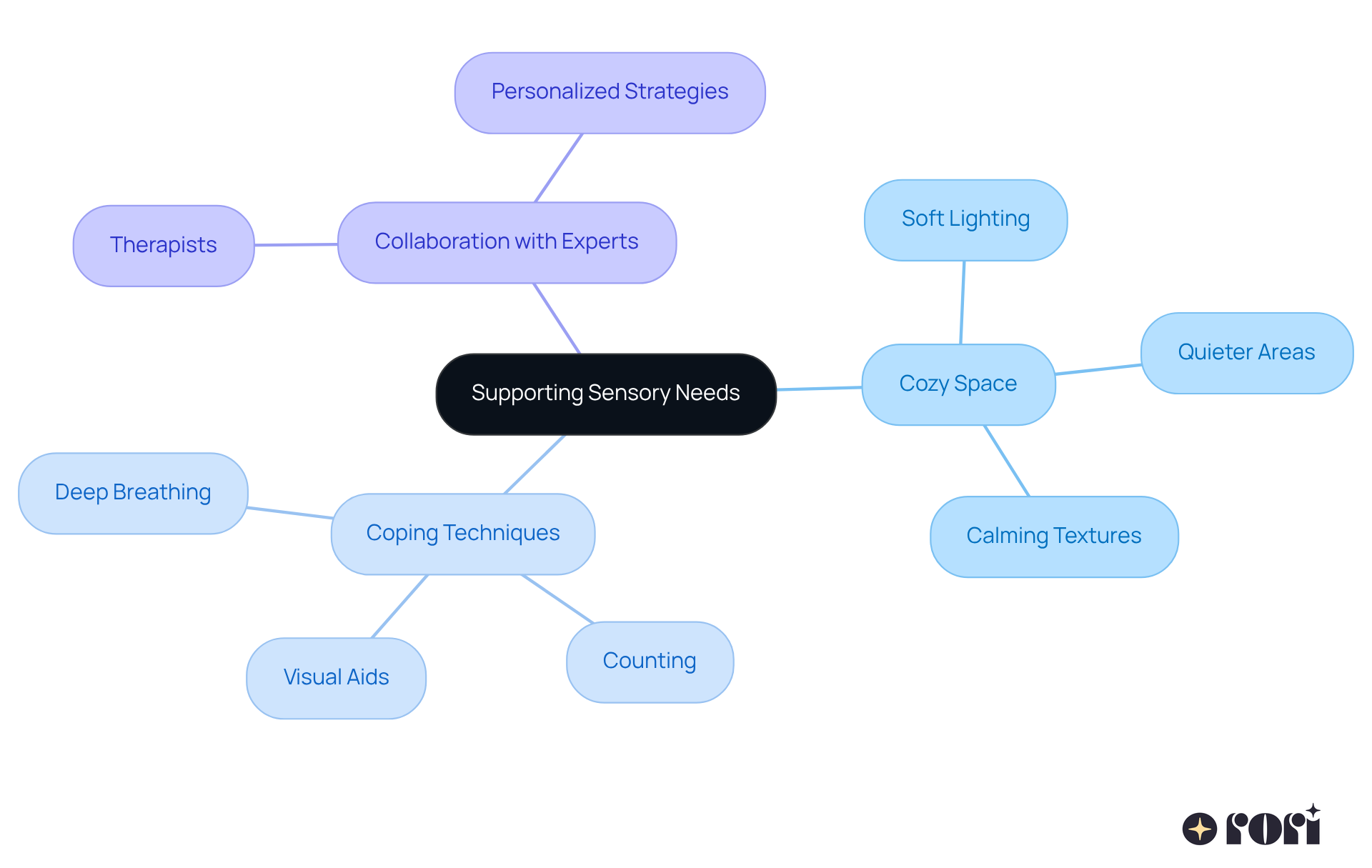
Have you ever watched your child struggle in a crowded place, feeling overwhelmed by all the noise and lights? Supporting children with autism involves understanding and addressing sensory sensitivities, which can feel like a big task, but there are some simple strategies that can make a world of difference.
Let’s create a cozy space for your child! Altering their surroundings can help reduce overwhelming stimuli. Think:
Designate a quiet nook where they can retreat when things get too much. A predictable environment is key to their comfort.
You might find that a weighted blanket helps your child sleep better and feel more secure. Including tactile tools like fidget toys or noise-canceling headphones can also assist them in handling sensory input. These tools align with ABA principles, providing structured support to help your little one adjust to their surroundings.
Establishing consistent routines can really help your child feel more secure and lessen anxiety. Integrating sensory breaks into daily activities is important for understanding and addressing sensory sensitivities in children with autism, as it allows them to engage in soothing practices that promote self-regulation and comfort, which is an essential part of ABA therapy.
Let’s equip your child with some coping techniques! Simple strategies like:
can empower them to navigate challenging situations. Teaching these skills is crucial, as it helps them respond to environmental challenges effectively.
Don’t hesitate to collaborate with experts! Working closely with therapists, including ABA practitioners from Rori Care, can help create tailored strategies that meet your child’s unique needs. Our passionate clinicians are here to support your family with compassionate Applied Behavior Analysis treatment. Regular communication with professionals fosters a supportive atmosphere for your child. For instance, creating an assessment application highlights the importance of personalized strategies for understanding and addressing sensory sensitivities in children with autism.
When you try these strategies, you’re building a warm and supportive space for your child to thrive. By taking these steps, you’re not just helping your child cope; you’re giving them the tools to thrive in a world that can sometimes feel too much.
Navigating the world with sensory sensitivities can feel like an uphill battle for many children with autism, but understanding these challenges is the first step toward creating a supportive environment. We’ve looked at different sensory sensitivities - like how some kids might be overwhelmed by loud noises or bright lights - and how these can affect their daily lives. Each type presents unique challenges, but with tailored strategies, we can help our children find comfort.
Imagine a child overwhelmed by everyday sounds or lights, struggling to find comfort in their own home. By creating calming spaces, using sensory tools, and sticking to consistent routines, we can make a real difference. We also explored how ABA therapy stands out with its adaptable, evidence-based approach, showing us how structured interventions can effectively address sensory sensitivities.
Let’s work together with professionals and take a proactive approach to help our kids build coping skills and flourish, even when things get tough. The importance of this support cannot be overstated; it lays the foundation for a brighter, more comfortable future for our children. By taking these steps, we can help our children not just cope, but truly thrive in a world that often feels overwhelming.
What are sensory sensitivities in autism?
Sensory sensitivities in autism refer to the unique ways children may react to sensory stimuli, such as being overly sensitive to loud noises or bright lights, which can lead to distress or avoidance. Some children may also seek intense sensory experiences, like spinning or jumping, to fulfill their sensory needs.
How common are sensory sensitivities among children with autism?
Nearly all children with autism experience some form of sensory sensitivity, making it a common characteristic across different ages and types of stimuli.
Why is it important to address sensory sensitivities in children with autism?
Addressing sensory sensitivities is essential for providing the necessary support to help children engage more fully in daily activities and improve their overall quality of life.
What are some simple changes that can help children with sensory sensitivities?
Simple changes such as lowering the volume of sounds or dimming the lights can significantly improve comfort and help children with sensory sensitivities thrive in their environment.