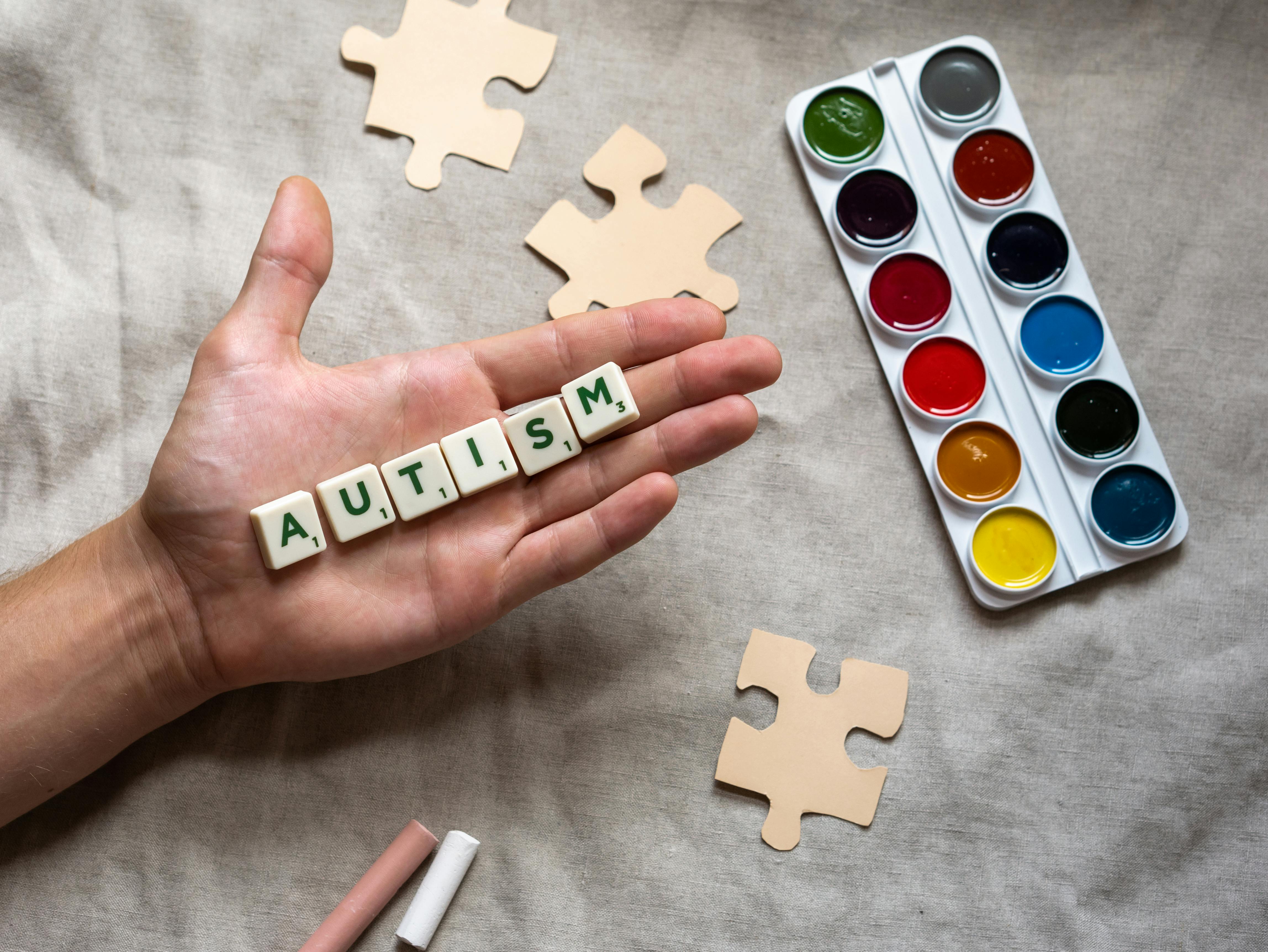
Understanding the symptoms of autism in children aged 3 to 6 is crucial for early intervention and support. Children on the autism spectrum can exhibit a wide range of symptoms that often vary significantly between individuals. Common signs include difficulties in communication, such as limited speech and challenges in maintaining conversations, as well as social interaction issues like minimal interest in engaging with peers.
These challenges highlight the importance of tailored communication strategies and support systems.
Emotional responses in autistic children can also be atypical, with some children struggling to respond to social cues or express their own emotions. This can lead to frustration and social withdrawal, emphasizing the need for early detection and intervention. Additionally, repetitive behaviors and a strong preference for routines are common, often serving as coping mechanisms for overwhelming sensory inputs or emotions.
Early identification and support are essential to mitigate these challenges and promote positive health outcomes. By focusing on the unique strengths and needs of each child, caregivers and educators can create supportive environments that foster development and well-being.
Youngsters aged 3 to 6 who are on the spectrum can exhibit a wide range of symptoms, which frequently differ significantly from one individual to the next. Common indicators include , such as limited speech or challenges in initiating and maintaining conversations. These challenges can manifest as an inability to follow directions or frequent misunderstandings, highlighting the necessity for tailored .
can also be significantly affected. Numerous youngsters display little enthusiasm for interacting with others or exchanging experiences, which can be linked to difficulties in comprehending and interpreting interpersonal signals such as smiles. Research underscores the differences between genuine smiles, which reflect , and posed smiles, which may not. This subtlety in interpersonal communication can be especially difficult for kids with autism.
Emotional reactions in autistic individuals can be atypical. For example, a young person might not react to interpersonal signals like a grin or may find it difficult to convey their own feelings, resulting in annoyance and isolation. Grasping the influence of these is essential, as 90% of brain growth takes place before the age of five, and both positive and negative experiences can shape a young person's .
Furthermore, unmet health-related social needs, such as food or transportation insecurity, can increase stress for both young individuals and parents, further affecting development. Consequently, are crucial to alleviate these difficulties and encourage favorable health results, emphasizing the significance of a needs-driven strategy instead of a diagnosis-focused system for support.
Communication difficulties are a major aspect of the condition, often presenting as , where youngsters might not talk at the anticipated age. Non-verbal communication, including gestures and eye contact, can also be limited. In terms of society, young individuals with autism may struggle to understand societal expectations, leading to uncomfortable exchanges. They may not participate in typical play scenarios, preferring solitary activities or showing little interest in group play. As Dr. David Offord emphasized, ensuring fair involvement for all young individuals, including those with disabilities, is crucial for their . Individuals with autism frequently encounter extra obstacles because of simultaneous emotional and , rendering their participation in communal environments even more difficult. 'The significance of tackling is highlighted by the IACC, which seeks to enhance coordination and interaction within research and services related to developmental disorders.'. Employing devices such as can assist in improving communication for individuals on the spectrum, promoting greater and alleviating stress for both young individuals and their caregivers.

Children with this condition often display , which can appear as repeated movements such as rocking or hand-flapping. These movements are not merely habits but are often a way for the young person to cope with overwhelming sensory inputs or emotions. Furthermore, young individuals on the spectrum usually exhibit a and may become extremely upset if these routines are interrupted.
Another aspect of is an or objects. It is not unusual for a young person with a developmental condition to engage so intensely in their passion that it leaves out other pursuits or social engagements. This intense focus can sometimes be seen in behaviors such as (known as echolalia) or being particularly fascinated by specific parts of objects, like the wheels of a toy car.
Engaging, peaceful, and well-supported involvement in is crucial for the of young individuals with disabilities, including autism. where routines are honored and particular interests are recognized can greatly lessen stress for these young individuals. Ensuring that caregivers have the resources they need to aid their children’s development is also fundamental for their overall well-being.
Detecting autism early is essential for effective intervention and improving long-term outcomes. Monitoring developmental milestones and seeking professional evaluation at the first sign of concern can lead to and access to crucial therapies and support services. Research highlights that early intervention can significantly enhance a young person's ability to develop , fostering greater independence and social engagement.
AI technology is also showing promise in aiding , as a study by the University of Southern California indicates. With advancements in AI, the potential for quicker and more accurate identification of the condition is increasing, which could transform early intervention strategies.
Dr. David R. Offord highlighted the significance of , including those with . Ensuring these young individuals receive the necessary support and resources is fundamental to their mental health and overall development. The IACC, a federal advisory committee, also emphasizes the need for related to to accelerate progress and enhance results for families.
By addressing developmental disorders early, families can alleviate the challenges and support their youngsters excel in educational, home, and community environments. This not only benefits the young one's development but also supports the well-being of the entire family.

Evaluating autism involves a detailed assessment by a multidisciplinary team, including pediatricians, psychologists, and speech therapists. This typically encompasses , , and standardized tests. Such a thorough diagnosis is crucial for understanding the individual's and for guiding . The US Preventive Services Task Force (USPSTF) emphasizes the significance of , which can aid in early identification and support for individuals with developmental challenges.
Recognizing the unique abilities and needs of each young person is crucial, as Dr. David Offord, a noted psychiatrist for youth, emphasized the significance of equitable opportunities for all individuals, including those with disabilities. He stated, 'I do not mind if my offspring are in a race as long as the race is fair.' 'This highlights the necessity to acknowledge and tackle the unfulfilled requirements and capabilities that young individuals with developmental differences contribute to their communities.'.
Furthermore, speech and language delays are frequent in youngsters with autism and can result in additional social and behavioral difficulties. Evidence indicates that can significantly enhance outcomes for these individuals, reducing chronic stress and promoting healthy development. Ensuring that caregivers have the necessary resources is vital for the well-being of both the young one and the family.

A diverse array of treatments and services is available to support young individuals with autism, each designed to meet their unique needs. Behavioral therapies, such as , are widely used but have faced criticism for being overly controlling. Forta Health, for instance, has modernized ABA to focus more on of youth rather than merely changing behaviors. Speech therapy and occupational therapy are also of a .
Research emphasizes the significance of , with organizations such as The Autism Community in Action (TACA) pointing out that the sooner behavioral therapy starts, the more favorable the long-term results for the individual. NeuroQure's innovative diagnostic tools aim to identify Autism Spectrum Disorder (ASD) as early as a few weeks after birth, significantly shortening the diagnostic timeline.
Customizing each individual's treatment plan to their specific strengths and challenges is essential. is a cornerstone of effective therapy, ensuring that the treatment is . As Dr. David (Dan) R. Offord, a noted child psychiatrist, emphasized, “Engaged, peaceful, and well-supported participation of children and youth with disabilities in major life domains is a fundamental determinant of mental health.” This principle is crucial for fostering an inclusive environment where every child can thrive.

Children with developmental differences often exhibit that can be nurtured to foster their growth and development. Many showcase exceptional abilities in areas such as mathematics, music, or art. Acknowledging these strengths is crucial for establishing an atmosphere that fosters their talents and promotes positive results. 'For instance, a report by Child of the North and the Center for Young Lives highlights the significance of a 'needs-led' approach in autism assistance, rather than a 'diagnosis-led' system.'. This method promotes , guaranteeing that youngsters obtain the aid they require without avoidable hold-ups.
At the same time, recognizing the particular difficulties encountered by each autistic child enables . The IACC, a federal advisory committee, highlights the significance of , involving various stakeholders including autistic individuals, parents, and professionals. , such as mental health issues and school exclusion.
Dr. David (Dan) R. Offord, a distinguished youth psychiatrist, once stated, 'Growing up in Canada is like a race.'. I do not mind if my kids are in a race as long as the competition is fair This sentiment highlights the necessity for fair prospects for all young individuals, including those with disabilities. Ensuring that caregivers have the necessary resources and support is crucial for the well-being of autistic individuals and their families.

Assisting youngsters with developmental disorders in both educational and home environments necessitates a cooperative and thorough strategy. The (IDEA) underscores the importance of preparing students with developmental differences for life beyond high school, emphasizing further education and employment. A key component of this preparation is where all students feel they belong, regardless of their abilities.
Creating is crucial for helping children with autism feel secure. 'This can be accomplished by utilizing , which enhance communication and interpersonal interactions.'. Visual aids, such as schedules and charts, offer a tangible representation of what to anticipate, decreasing anxiety and encouraging independence. Social stories, customized to personal requirements, can assist youngsters in comprehending and maneuvering through , improving their social abilities.
is essential to ensure consistency in approaches and strategies. This partnership enables the exchange of insights and techniques that are most effective for the young person, establishing a seamless support system across various environments. As one researcher noted, “Engaged, peaceful, and well-supported participation of children and youth with disabilities in the major school, home, and leisure domains of their lives is a fundamental determinant of mental health.”
Moreover, the role of federal advisory committees like the Interagency Autism Coordinating Committee (IACC) is to enhance coordination and communication across various agencies involved in autism research and services. The IACC collaborates with the community of individuals on the spectrum, including autistic adults, parents, advocates, and researchers, to ensure that the needs of those with the condition are addressed effectively.
Incorporating and maintaining open communication between all stakeholders can significantly improve the quality of life for children with autism, helping them thrive in both educational and home environments.

Understanding the symptoms of autism in children aged 3 to 6 is vital for fostering early intervention and support. The diverse range of symptoms, including communication difficulties, social interaction challenges, and atypical emotional responses, underscores the necessity for tailored strategies that address individual needs. Early identification plays a crucial role in mitigating these challenges, paving the way for positive developmental outcomes throughout childhood.
The emphasis on communication barriers and social engagement highlights the importance of utilizing effective tools and therapies, such as Augmentative and Alternative Communication (AAC) systems. These resources can enhance interaction and reduce stress for both children and caregivers, ultimately promoting better social participation. Additionally, recognizing the significance of repetitive behaviors and routines offers insights into how children with autism cope with sensory overload and emotional distress, informing supportive practices.
The article reinforces the critical role of early diagnosis and intervention in improving long-term outcomes for children on the autism spectrum. By advocating for a needs-led approach rather than a diagnosis-led one, caregivers and professionals can create environments that foster strengths while addressing challenges. Collaborative efforts between families, educators, and healthcare providers are essential in ensuring that children receive the support they need to thrive in various settings.
In summary, a comprehensive understanding of autism symptoms, the importance of early intervention, and the implementation of supportive strategies can significantly enhance the quality of life for children with autism and their families. By fostering inclusive environments and ensuring equitable opportunities, the potential for positive development can be realized, benefiting not just the child, but the community as a whole.
What are common symptoms of autism in children aged 3 to 6?
Children on the autism spectrum may exhibit a variety of symptoms, including difficulties in communication (limited speech and challenges in conversations), social interaction difficulties (little enthusiasm for engaging with others), and atypical emotional reactions.
How do communication difficulties manifest in young children with autism?
These difficulties can include delayed speech development, challenges in following directions, and misunderstandings in conversations. Non-verbal communication, such as gestures and eye contact, may also be limited.
What social challenges do young children with autism face?
Many children with autism may struggle to understand social cues, such as smiles, and may show little interest in group play. They often prefer solitary activities and may experience uncomfortable exchanges in social settings.
How do emotional reactions differ in children with autism?
Children with autism may not respond to social signals like smiles or may find it difficult to express their own feelings, which can lead to feelings of frustration and isolation.
Why is early detection of autism important?
Early detection is crucial as it allows for timely intervention, which can lead to improved long-term outcomes. Monitoring developmental milestones and seeking professional evaluations at the first signs of concern can facilitate this process.
What role does AI play in diagnosing autism?
AI technology has shown promise in aiding early diagnosis, potentially leading to quicker and more accurate identification of autism, which could enhance early intervention strategies.
What types of assessments are used to evaluate autism?
A comprehensive evaluation typically involves a multidisciplinary team, including pediatricians, psychologists, and speech therapists. This process includes developmental screenings, behavioral observations, and standardized tests.
What treatments and services are available for young individuals with autism?
Various treatments are available, including behavioral therapies (like Applied Behavior Analysis), speech therapy, and occupational therapy. Each treatment plan should be customized to meet the unique needs of the child.
How important is family involvement in the treatment of autism?
Family involvement is essential as it ensures that the treatment approach is holistic and supportive, fostering an environment where the child can thrive.
How can caregivers support children with autism in educational settings?
Creating structured environments with clear expectations, using visual aids, and collaborating with educators can help children feel secure and improve their learning experiences.
What is the significance of a needs-driven approach in autism support?
A needs-driven approach focuses on identifying and addressing the specific needs of each child, rather than solely relying on a diagnosis. This method promotes early recognition and timely assistance, enhancing developmental outcomes.
How do repetitive behaviors manifest in children with autism?
Children may display repetitive behaviors such as rocking or hand-flapping, which help them cope with sensory overload or emotions. They may also have intense interests, sometimes to the exclusion of other activities.
Why is it important to acknowledge the strengths of children with autism?
Recognizing and nurturing the unique strengths of children with autism can foster their growth and development, leading to positive outcomes in various areas, such as academics and social interactions.