Understanding the ins and outs of Applied Behavior Analysis (ABA) therapy can be a game-changer for families with children on the autism spectrum. With an impressive success rate of over 89%, ABA therapy not only encourages positive behavior changes but also helps kids develop vital skills like communication and social interaction.
But let’s be real - navigating this journey can come with its own set of challenges. How can personalized treatment plans really maximize these benefits? And what hurdles might pop up along the way? 🤔 Exploring these questions can shed light on the incredible potential of ABA therapy for families like yours.
So, let’s dive in together and see how we can make the most of this journey!
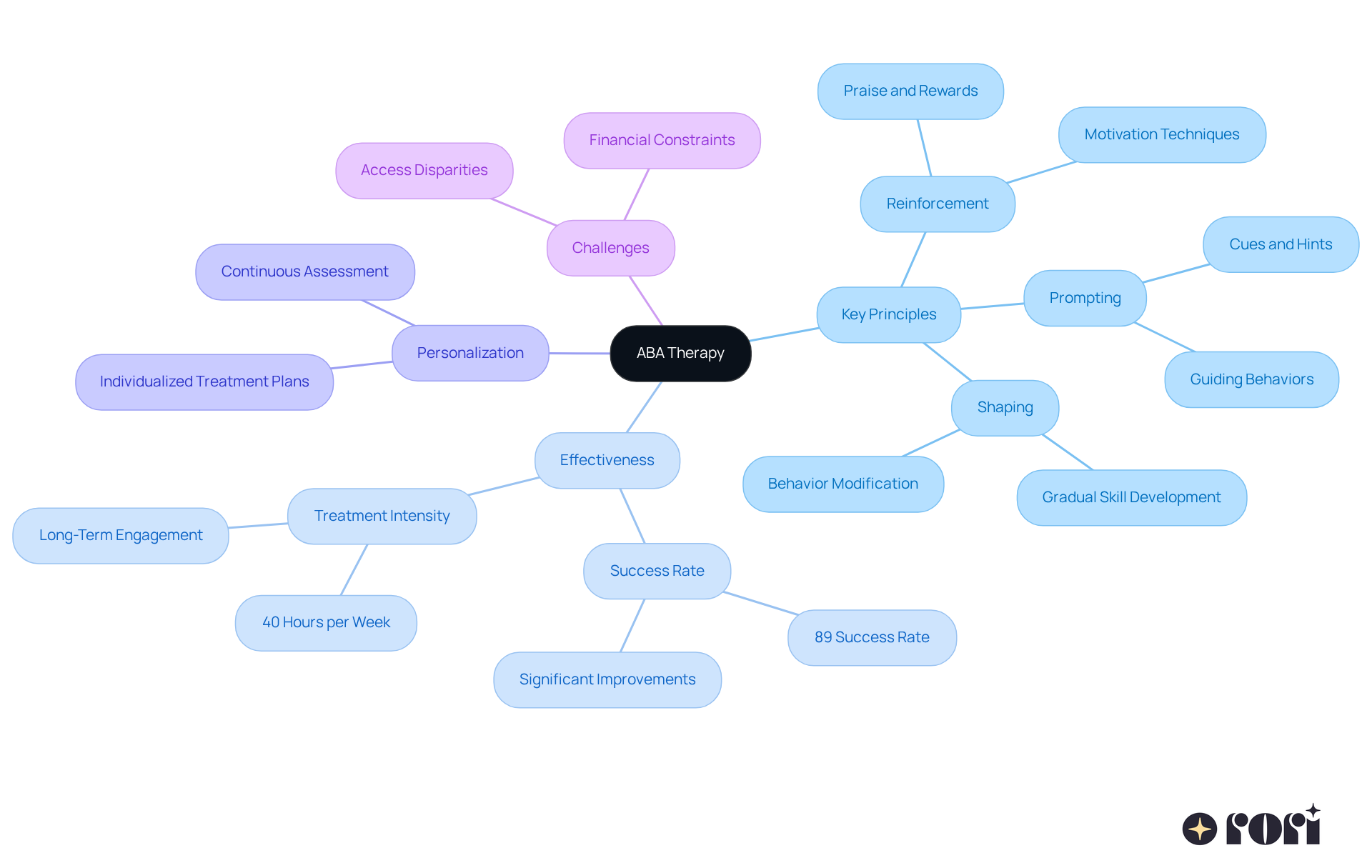
is a proven approach designed to improve specific behaviors in individuals, especially those diagnosed with autism spectrum disorder (ASD). At its heart, ABA focuses on principles like reinforcement, prompting, and shaping. These work together to boost while reducing those that aren’t so helpful. Grounded in behaviorist theories, ABA looks at observable behaviors and the environmental factors that influence them. By applying these principles systematically, ABA helps enhance communication, social skills, and daily living abilities, paving the way for greater independence for individuals with autism.
Research shows that the reveal a for individuals with ASD, highlighting its effectiveness in fostering positive behavioral changes. For instance, reinforcement techniques - like offering praise or rewards for good behavior - can really motivate kids to engage in positive actions. Similarly, prompting techniques guide young learners toward desired behaviors through cues or hints, making it easier to teach new skills. These methods are not just effective; they’re also flexible, allowing for tailored to each child’s unique needs and circumstances. Plus, continuous assessment and adjustments ensure that these plans remain effective and responsive to the child’s progress.
At Rori Care, we’re all about enhancing the effectiveness of ABA treatment by integrating cutting-edge AI technology. Our behavior care engine automates progress report creation, freeing up to 50% more time for direct youth treatment. This innovation lets our clinicians focus more on , ensuring that each is custom-made to fit the unique needs, strengths, challenges, and goals of the client. As a result, ABA treatment shines as a leading evidence-based approach, with ongoing research supporting the evidence-based outcomes of ABA therapy in improving the lives of kids with autism.
Did you know that participating in about 40 hours of ABA treatment each week can lead to ? This really underscores the . As of 2024, around 1 in 36 youths in the U.S. are identified with Autism Spectrum Disorder (ASD), which highlights just how crucial ABA intervention is in meeting the needs of this growing community. Let’s explore this together and see how we can make a difference!
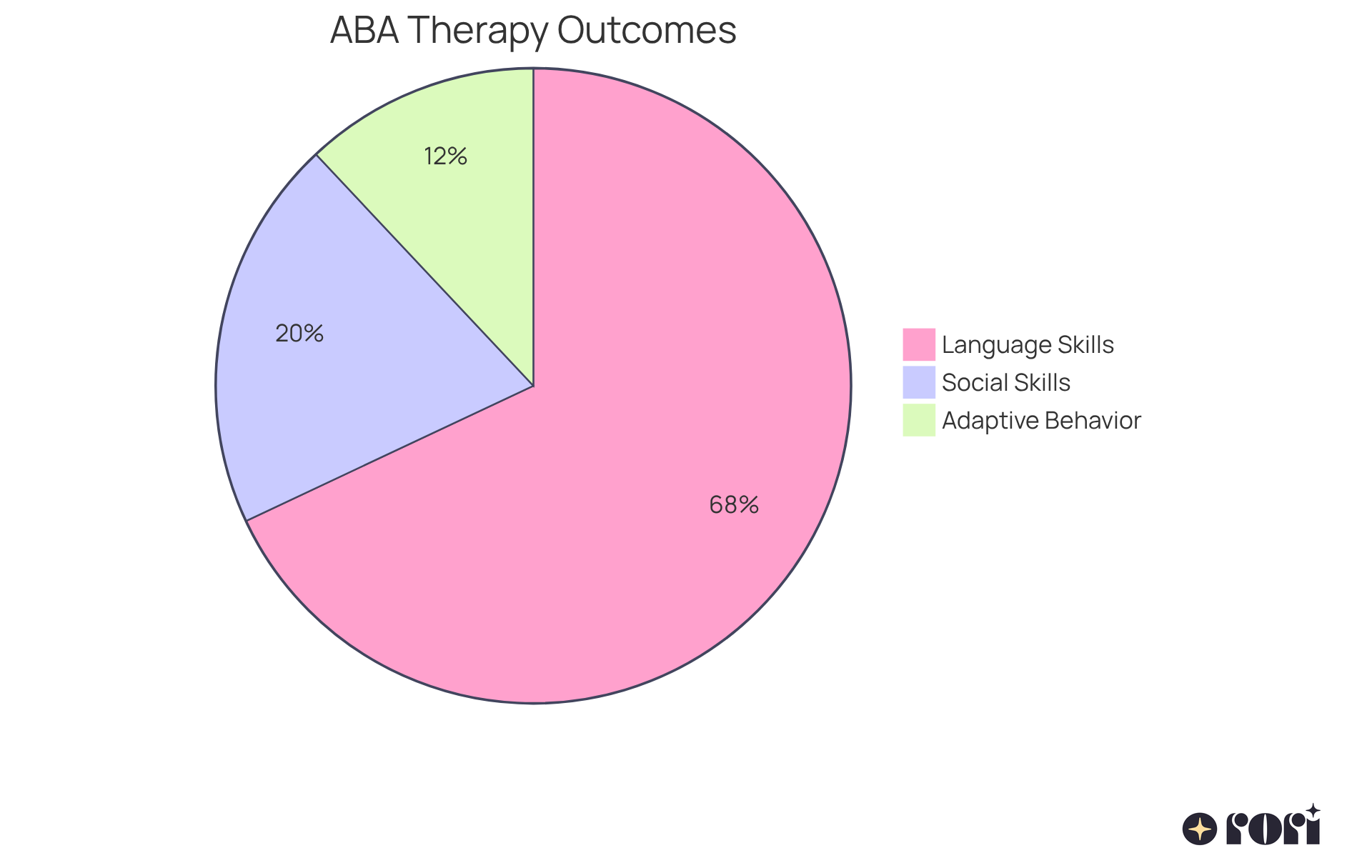
When it comes to supporting kids with autism, comprehensive studies have consistently shown that stands out as one of the most . Many parents have seen their little ones thrive through ABA, experiencing real improvements in communication, social skills, and adaptive behavior. For example, a recent meta-analysis from 2025 revealed that about 68% of children made thanks to structured ABA interventions. Isn’t that encouraging?
Longitudinal studies also suggest that starting early and engaging in intensive ABA intervention can lead to fantastic , like better and an overall improved quality of life. However, it’s important to acknowledge that challenges like service discontinuation and low dosing rates can sometimes hinder the effectiveness of .
At Rori Care, we understand these hurdles and are here to help! We combine with advanced AI to monitor progress and create detailed reports, giving you 50% more time to focus on your child’s care. This innovative approach not only boosts the efficiency of ABA treatment but also empowers you with the tools and strategies needed to support your child’s .
These compelling findings really highlight the importance of of , reinforcing its role as a leading choice for autism care. Let’s explore this together and see how we can make a difference for your child!
is a fantastic resource that can be used in various places like homes, schools, and clinics to address a range of . For example, therapists often use ABA techniques to help kids learn , like dressing on their own and improving social interactions with friends.
Let me share a story: there was a young person who struggled with communication. Through targeted , they developed , which made a world of difference in expressing their needs and connecting with others. Isn’t that amazing?
Moreover, ABA therapy is key in reducing challenging behaviors, such as tantrums or self-injury, by teaching kids alternative, more appropriate responses. These practical applications show how ABA not only helps in skill development but also creates a more positive and enriching environment for children with autism and their families.
Research indicates that kids who receive regular ABA support often see significant improvements in , and the impacting their overall quality of life. This reinforces why ABA is considered a gold standard in autism care, especially because of the evidence-based outcomes of ABA therapy. In fact, , which supports the evidence-based outcomes of ABA therapy, when they receive the recommended hours of therapy with active involvement from caregivers.
is crucial! Kids who start treatment within their first year tend to show fewer signs of autism compared to those who begin later. Plus, family involvement is vital for better treatment outcomes. By empowering caregivers with ABA principles and strategies, Rori Care helps them support their child’s behavioral goals through active participation and data collection.
Regular evaluations ensure that treatment aligns with the child’s changing needs. Statistics show that 66% of individuals referred for ABA support stay in care for 12 months, highlighting the commitment to effective assistance. And here’s something important: ABA intervention is the only that insurance covers.
So, if you’re navigating this journey, remember you’re not alone. Let’s explore this together! We’re here to help you every step of the way!

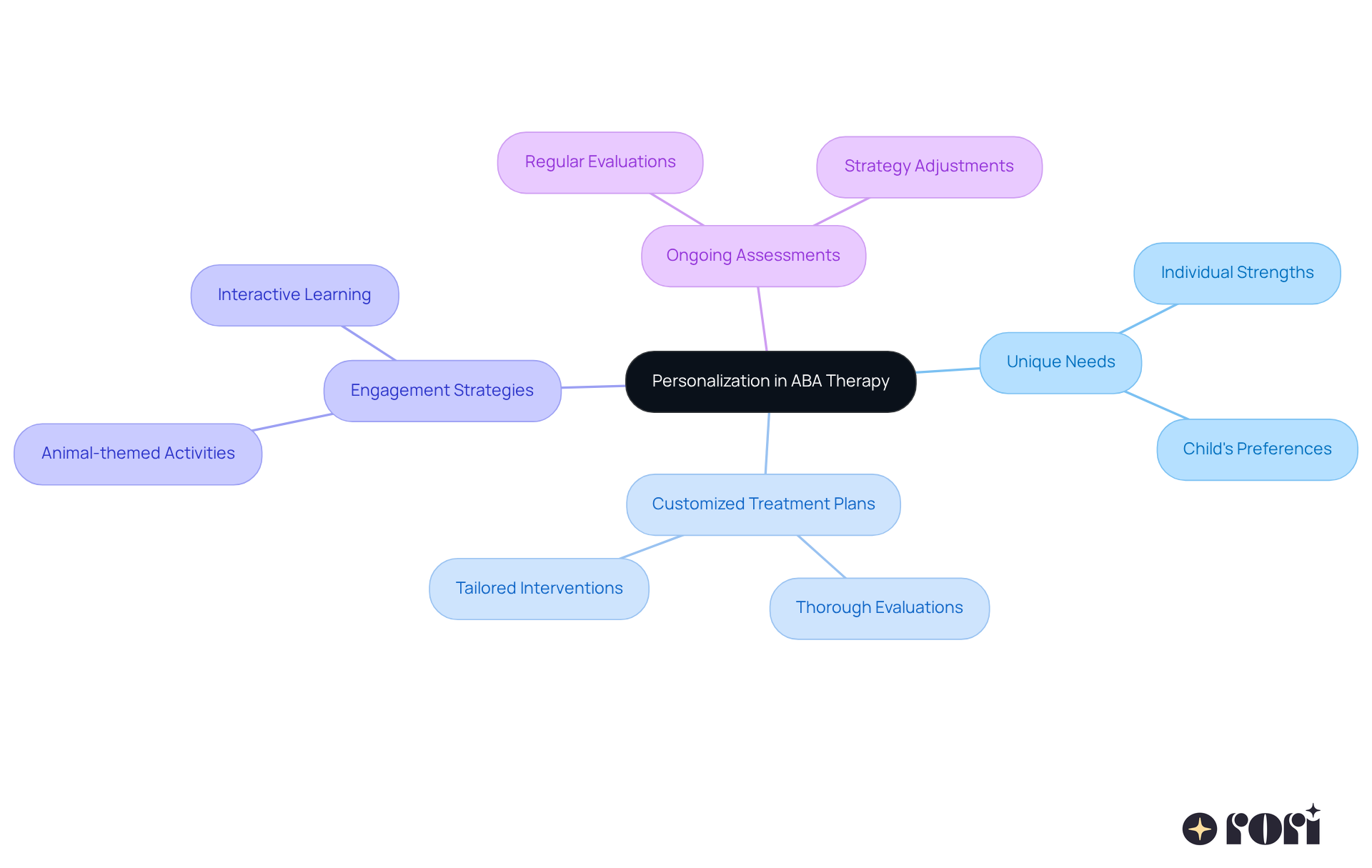
Personalization is at the heart of . Each child has unique needs, strengths, and preferences, and recognizing this is crucial. Skilled experts, like Kristine Le and Dr. Jesslyn Nicole Farros, develop . This ensures that the interventions are not just effective but also engaging and aligned with what the child loves.
For instance, imagine a young learner who adores animals. Their treatment plan might include fun, animal-themed activities that spark motivation and reinforce positive behaviors. This not only boosts engagement but also helps the child feel a sense of ownership in their learning journey.
allow ABA therapists to tweak strategies as needed, keeping the treatment effective and responsive to the child’s evolving needs. This commitment to personalization truly sets ABA therapy apart as a powerful tool for , which is demonstrated by the .
Let’s explore this together! If you’re curious about how can make a difference, we’re here to help you every step of the way!
Applied Behavior Analysis (ABA) therapy truly shines as a vital approach for supporting children with autism spectrum disorder (ASD). By focusing on key principles like reinforcement and personalization, ABA not only boosts specific behaviors but also nurtures greater independence and enhances the quality of life for individuals. The evidence-based outcomes show a remarkable success rate, highlighting how effective this therapy can be in fostering positive behavioral changes.
Throughout this journey, we uncover significant insights into how ABA therapy can transform lives through tailored treatment plans and ongoing assessments. At Rori Care, the integration of advanced technology amplifies the impact of ABA, allowing clinicians to focus on personalized care. This ensures that each child receives the attention and strategies they need for their unique journey. Plus, the compelling statistics surrounding ABA's effectiveness remind us of the importance of early intervention and active family involvement in achieving the best outcomes.
Given these findings, it’s essential for families navigating the complexities of autism to consider the transformative potential of ABA therapy. By embracing evidence-based practices and engaging with personalized treatment plans, caregivers can empower their children to thrive. The journey may have its challenges, but with the right support and resources, significant advancements in communication, social skills, and overall well-being are absolutely within reach. Let’s explore this together and see how ABA therapy can be a viable and impactful solution for your loved ones!
What is ABA therapy?
ABA therapy, or Applied Behavior Analysis, is a proven intervention designed to improve specific behaviors in individuals, particularly those diagnosed with autism spectrum disorder (ASD). It focuses on principles like reinforcement, prompting, and shaping to enhance positive behaviors and reduce unhelpful ones.
What are the core principles of ABA therapy?
The core principles of ABA therapy include reinforcement, prompting, and shaping. These principles work together to encourage positive behaviors while minimizing less helpful ones.
How effective is ABA therapy for individuals with ASD?
Research indicates that ABA therapy has a success rate of over 89% for individuals with ASD, demonstrating its effectiveness in fostering positive behavioral changes.
What techniques are used in ABA therapy?
Techniques used in ABA therapy include reinforcement, which involves offering praise or rewards for good behavior, and prompting, which guides learners toward desired behaviors through cues or hints.
How are ABA therapy plans personalized?
ABA therapy plans are personalized to fit each child's unique needs and circumstances. This includes continuous assessment and adjustments to ensure the plans remain effective and responsive to the child's progress.
How does Rori Care enhance ABA treatment?
Rori Care enhances ABA treatment by integrating AI technology to automate progress report creation, allowing clinicians to dedicate more time to individualized planning and setting measurable goals for clients.
How many hours of ABA treatment are recommended for significant advancements?
Participating in about 40 hours of ABA treatment each week can lead to significant advancements in language, cognitive, and social skills.
What is the prevalence of Autism Spectrum Disorder (ASD) in the U.S.?
As of 2024, approximately 1 in 36 youths in the U.S. are identified with Autism Spectrum Disorder (ASD), highlighting the importance of ABA intervention to meet the needs of this growing community.