Navigating the world of Autism Spectrum Disorder (ASD) in girls can feel overwhelming for parents, especially when the signs are often subtle and easily missed. We’ll explore the unique challenges girls with autism face, sharing insights into their distinct symptoms and the important steps you can take for effective evaluation and support.
So, how can you spot these subtle signs and be the best advocate for your daughter in a world that sometimes overlooks her needs?
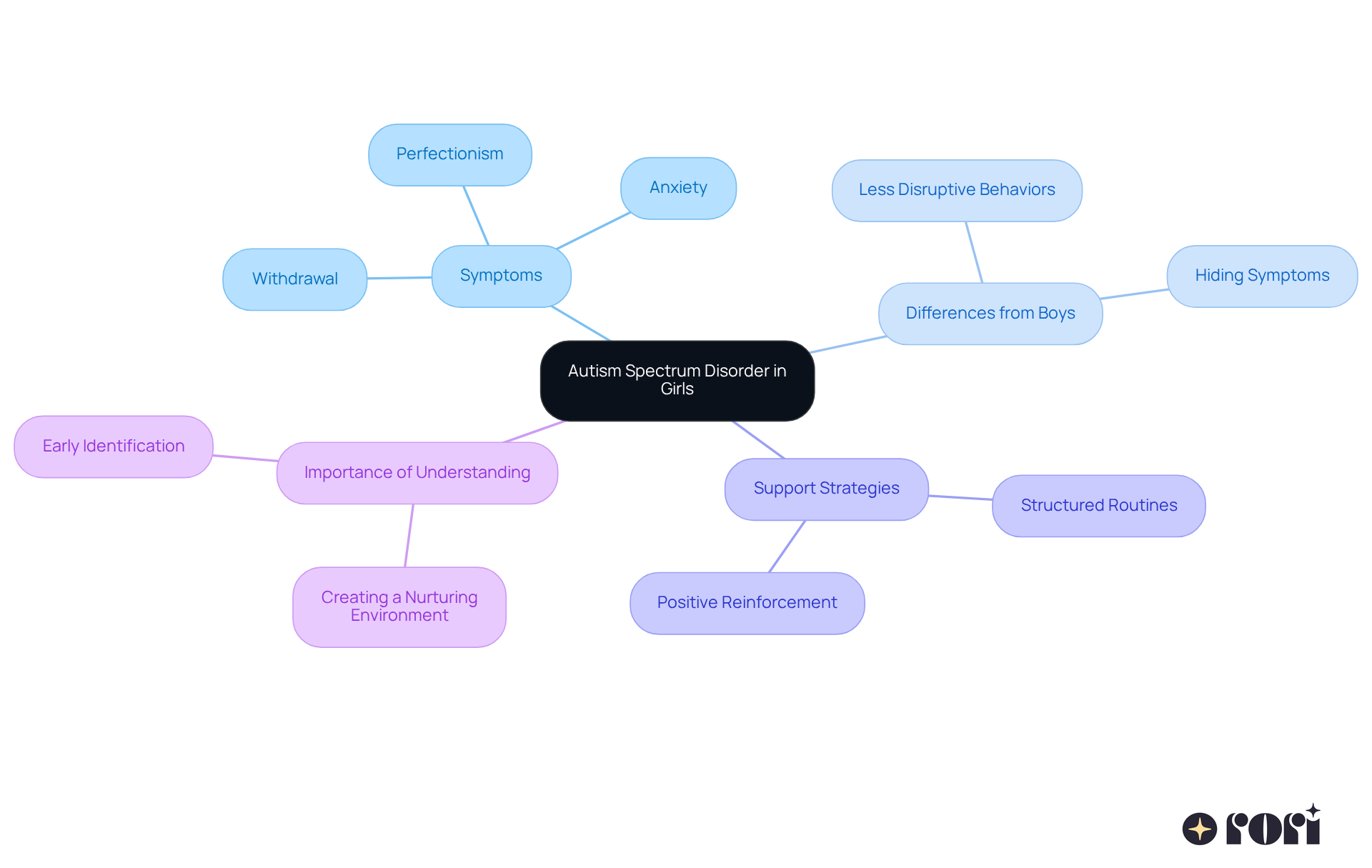
Navigating the world of Autism Spectrum Disorder (ASD) can feel overwhelming for parents, especially when it comes to understanding the symptoms of autism in girls and how they present differently. Did you know that ASD is actually 3.4 times more common in boys than in girls? Girls often show less overtly disruptive behaviors and might be better at hiding the symptoms of autism in girls, which can include feelings of withdrawal, anxiety, and perfectionism. As Temple Grandin beautifully said, "If I could snap my fingers and be non-autistic, I would not. Autism is part of what I am."
Getting to know these differences can really help you spot signs of autism early and find the right support for your child. By equipping yourself with knowledge and skills, like using positive reinforcement and structured routines, you can create a nurturing environment that makes a real difference. Rori Care emphasizes how important it is to be actively involved in your child's journey. When you have the right tools and knowledge, like using positive reinforcement and routines, you can really help your child thrive. This approach not only enhances the effectiveness of interventions but also leads to meaningful improvements in interpersonal skills and emotional regulation for children with autism. Let's explore this together!
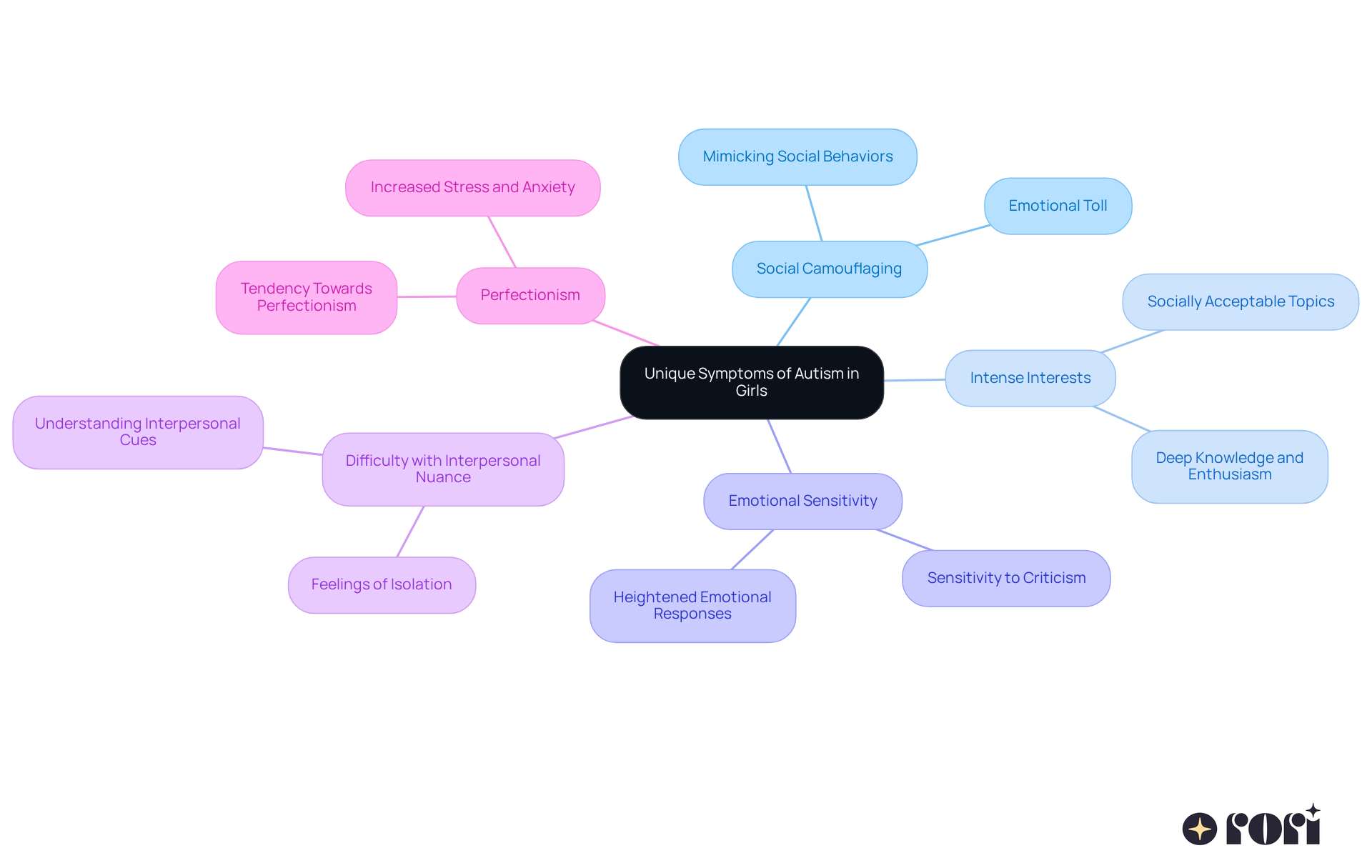
Have you ever noticed how the symptoms of autism in girls can sometimes go unnoticed? Recognizing the symptoms of autism in girls early on is crucial to provide the right support for their unique challenges. Here are some key characteristics to look out for:
By understanding the symptoms of autism in girls, you can become the advocate your daughter needs to thrive and flourish in her own unique way. After identifying these symptoms, consider booking a free consultation with Rori Care's Board Certified Behavior Analysts. During this consultation, you can discuss your concerns and learn about early intensive behavioral intervention (EIBI) options that can significantly enhance learning, verbal, and social skills in individuals with autism. Let’s explore this together!
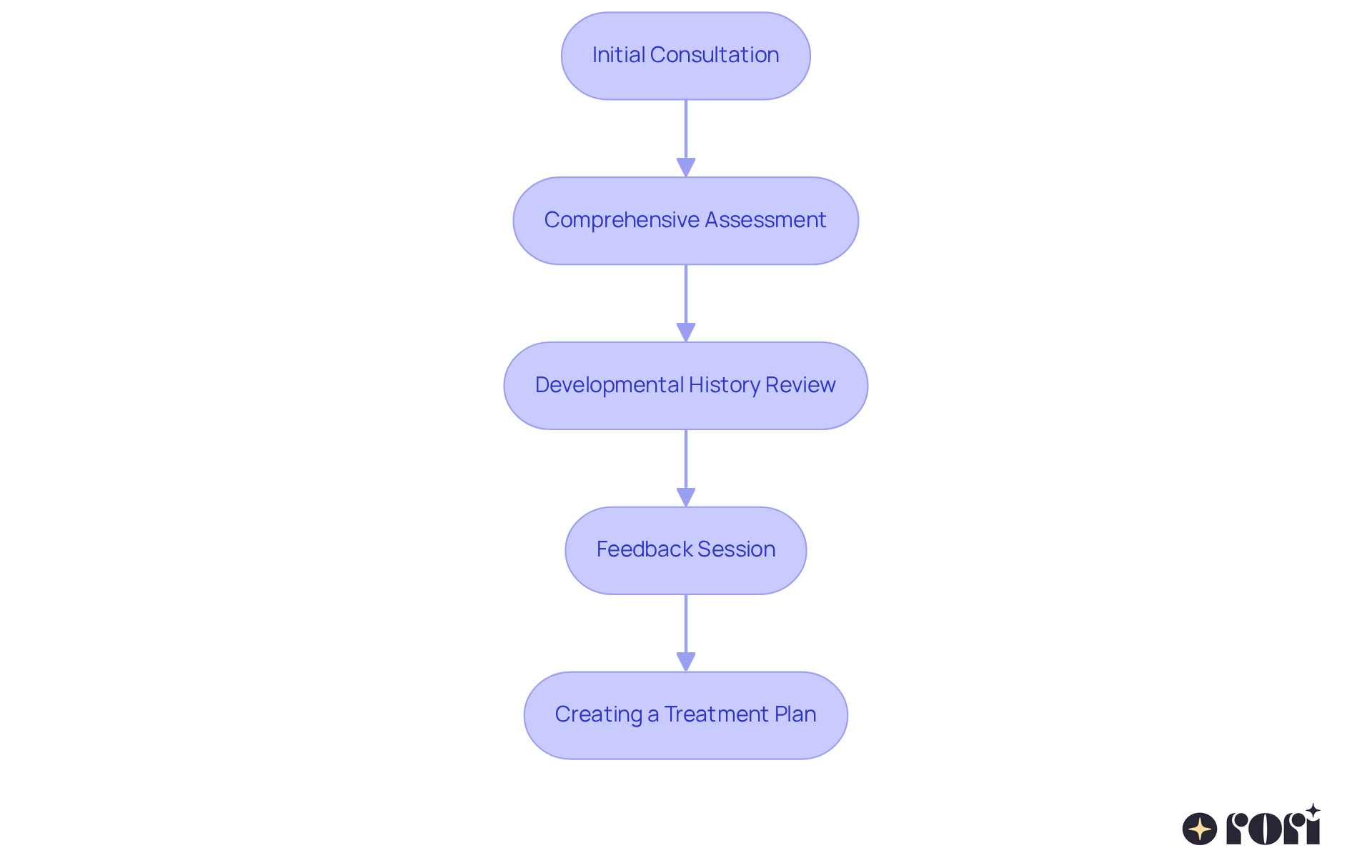
Navigating the evaluation process for autism can feel overwhelming for parents, but understanding each step can make a world of difference. Here’s a friendly guide to help you through it!
Grasping this process can empower parents, allowing them to advocate effectively for their child’s needs. When parents feel informed and empowered, they can truly make a difference in their child's journey toward support and understanding.
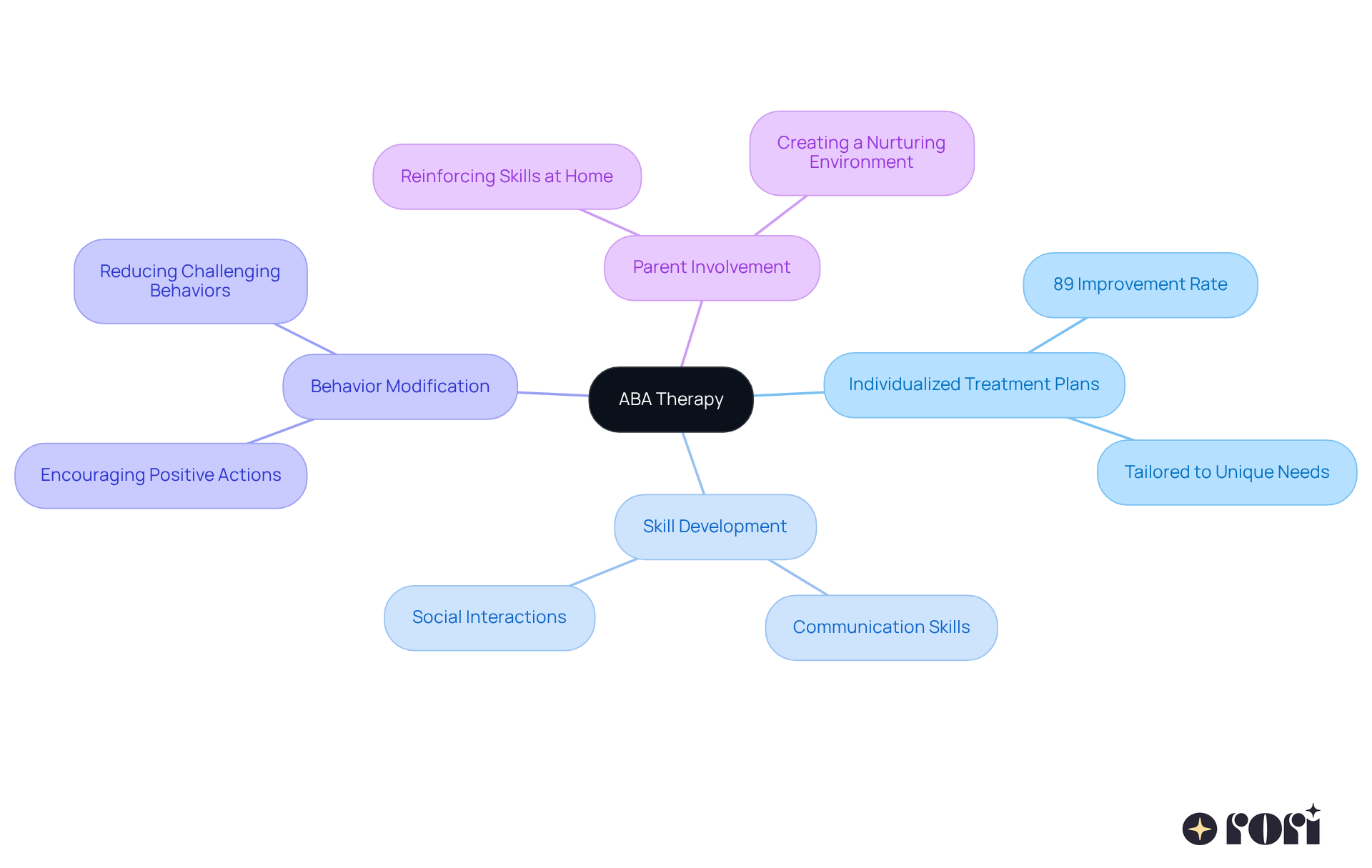
Have you ever felt lost trying to support your child with autism? Applied Behavior Analysis, or ABA, is a fantastic therapy that helps kids with autism by focusing on their unique behaviors and how to improve them. Let’s take a closer look at what makes ABA therapy so special:
Here at Rori Care, we make ABA therapy even better by using smart technology to help with progress reports, so our clinicians can focus more on your child! By empowering you with ABA principles and strategies, we ensure you can actively participate in your child's development, leading to better outcomes and informed decisions.
Recent studies highlight how personalized treatment strategies in ABA lead to improved outcomes for children with autism. By focusing on tailored strategies, ABA therapy not only addresses the unique challenges related to the symptoms of autism in girls but also empowers them to thrive in their social interactions and daily lives. Imagine the joy of seeing your child thrive with the right support-let's take that journey together!
Recognizing the signs of autism in girls can feel like a puzzle, but it’s a puzzle worth solving. Understanding the symptoms is crucial for parents who want to provide the right support for their children. The distinct ways autism spectrum disorder shows up in girls - like social camouflaging, emotional sensitivity, and perfectionism - make it so important to spot these signs early. When you understand these unique traits, you can really advocate for your daughter and create a nurturing space for her to grow.
Throughout this article, we’ve talked about the evaluation and diagnosis process, which can feel overwhelming. But it doesn’t have to be! By breaking it down into manageable steps - from the first consultation to crafting a personalized treatment plan - you can empower yourself to navigate this journey with confidence. Plus, exploring Applied Behavior Analysis (ABA) therapy shows how tailored treatment plans can lead to real improvements in communication, social skills, and overall well-being for girls with autism.
At the end of the day, it’s all about creating a space where your daughter can truly thrive. By seeking the right support and using resources like ABA therapy, you can play an active role in her development. This journey requires patience and commitment, but with the right tools and support, you can help your daughter shine in her own unique way.
What is Autism Spectrum Disorder (ASD)?
Autism Spectrum Disorder (ASD) is a developmental disorder characterized by difficulties in social interaction, communication, and repetitive behaviors.
How common is ASD in girls compared to boys?
ASD is 3.4 times more common in boys than in girls.
How do symptoms of autism in girls differ from those in boys?
Girls often exhibit less overtly disruptive behaviors and may be better at hiding their symptoms, which can include feelings of withdrawal, anxiety, and perfectionism.
What are some signs of autism to look for in girls?
Signs of autism in girls can include withdrawal, anxiety, perfectionism, and other subtle symptoms that might not be as easily recognizable.
How can parents support their child with autism?
Parents can support their child by being actively involved in their journey and utilizing strategies such as positive reinforcement and structured routines to create a nurturing environment.
What are the benefits of using positive reinforcement and structured routines for children with autism?
These strategies enhance the effectiveness of interventions and lead to meaningful improvements in interpersonal skills and emotional regulation for children with autism.
Why is it important for parents to understand the differences in autism symptoms in girls?
Understanding these differences helps parents spot signs of autism early and find the right support for their child, which can significantly improve their development and well-being.