Celebrating small victories can truly change the journey of autism care! 🌟 Positive reinforcement is such a powerful tool in this process. It not only boosts learning but also nurtures emotional growth, creating a supportive environment that’s essential for development.
But how can caregivers and therapists effectively use these strategies to make the most impact? Let’s dive into the nuances of positive reinforcement together! By exploring its profound benefits, we can uncover how it reshapes the lives of individuals with autism and their families. We’re here to help you every step of the way!
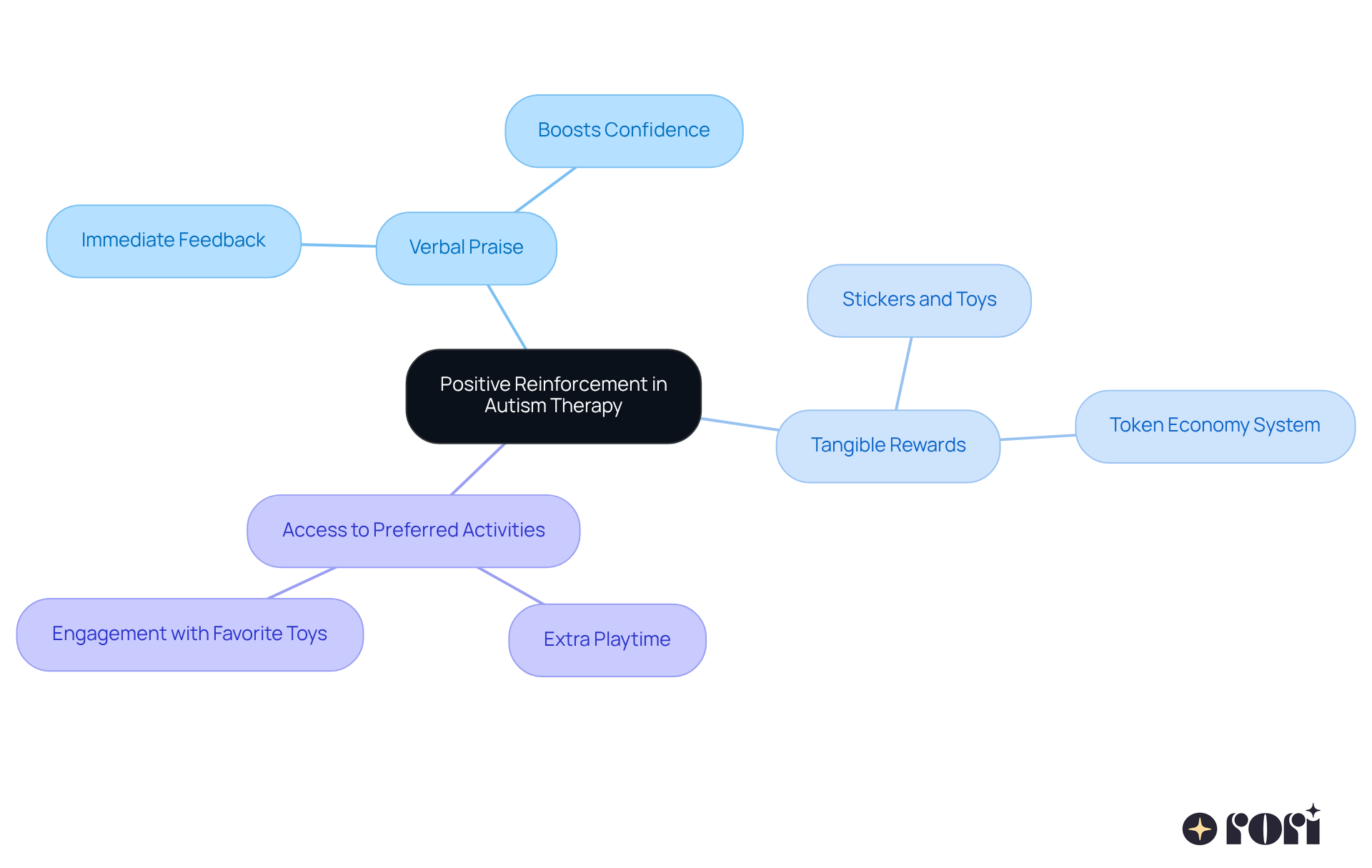
Celebrating those little victories highlights the benefits of positive reinforcement in autism care! It’s the practice of giving a rewarding stimulus right after a desired action happens, which helps increase the chances of that action being repeated. Think of it as a high-five for good behavior! This can be anything from verbal praise to tangible rewards or even access to fun activities. The idea is simple: when actions lead to positive outcomes, like the benefits of positive reinforcement in autism care, they’re more likely to happen again. That’s why it’s such a key technique in ABA therapy, highlighting the benefits of positive reinforcement in autism care. Therapists create a nurturing environment that fosters skill development and emotional growth in kids with autism by focusing on the benefits of positive reinforcement in autism care.
At Rori Care, we take a personalized approach to positive reinforcement. Each behavioral plan is crafted to meet the unique needs and goals of your child. We set clear, measurable objectives for change, giving you a transparent way to track progress. Our behavior analysts use evidence-based strategies and are always evaluating and tweaking interventions to get the best results. Plus, we empower caregivers through education, enhancing your ability to support your child’s development effectively. This education leads to better support, informed decision-making, and ultimately, improved behavioral outcomes. Together, we create a strong support system for individuals with autism.
Let’s explore this journey together! We’re here to !
The benefits of positive reinforcement in autism care are crucial in therapy! It helps create a nurturing and supportive environment that’s essential for effective learning. At Rori Care, our clinical leadership team truly values neurodiversity and is dedicated to empowering caregivers with ABA principles and strategies that support behavioral goals.
When therapists reward preferred actions, they not only encourage those behaviors but also demonstrate the benefits of positive reinforcement in autism care by and motivation. This approach is a world away from punitive measures, which can create fear and anxiety, ultimately slowing down progress. Research shows that kids with autism respond much better to positive feedback, demonstrating the benefits of positive reinforcement in autism care, which helps them engage and comply, leading to better therapy outcomes.
For example, studies reveal that giving prompt rewards after desired behaviors significantly increases the chances of those behaviors happening again. Plus, consistent positive feedback helps kids feel appreciated and understood, which is crucial for their emotional and social growth.
Case studies have highlighted how tailored support strategies can enhance self-esteem and motivation, showcasing the benefits of positive reinforcement in autism care. By actively involving caregivers in this journey, Rori Care ensures better support, informed decision-making, and improved behavioral results for our youth.
Let’s explore this together! We’re here to help you every step of the way!

When it comes to autism therapy, the benefits of can truly make a world of difference! Here are a few practical applications that really resonate:
These examples illustrate the benefits of positive reinforcement in autism care by showing how positive encouragement can be tailored to fit each student's interests, making learning both fun and effective. At Rori Care, we emphasize the importance of flexible treatment plans that are informed by progress reports and active caregiver participation. This way, every support strategy aligns with the individual’s unique goals and strengths.
By setting clear, measurable objectives and regularly checking in on progress, our skilled analysts can tweak reward strategies to boost results. This empowers both the young individual and their caregivers throughout the therapeutic journey. Let’s explore this together!
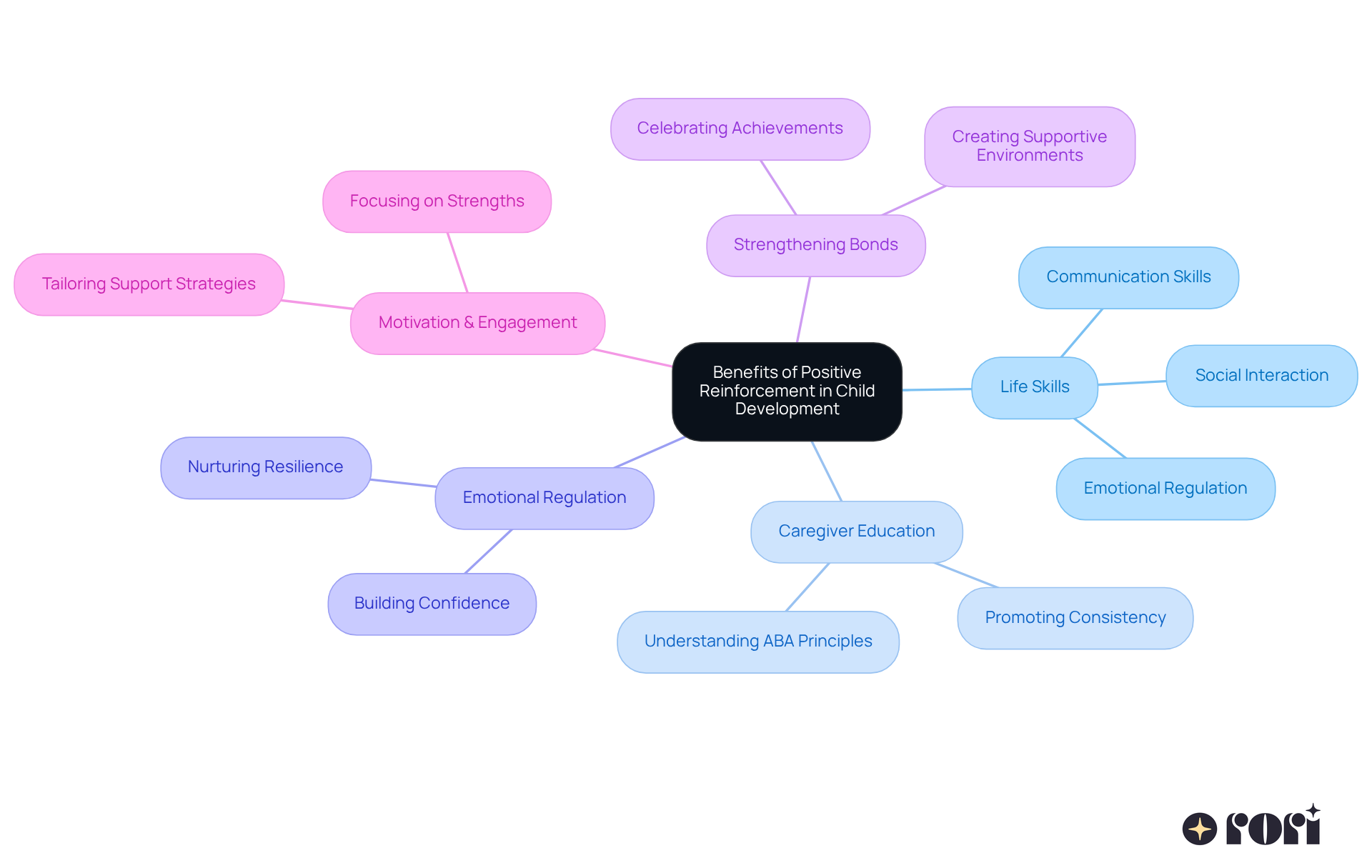
The benefits of constructive encouragement go way beyond just changing actions in the moment. Consistently using constructive encouragement demonstrates the benefits of positive reinforcement in autism care, helping individuals with autism build essential life skills like communication, social interaction, and emotional regulation. This approach demonstrates the benefits of positive reinforcement in autism care by encouraging the repetition of positive behaviors and nurturing a sense of security and trust between children and their caregivers.
When caregivers learn about ABA principles and strategies, they’re better prepared to offer the right support at home. This not only complements professional interventions but also promotes consistency. For instance, the benefits of positive reinforcement in autism care can be seen when young individuals experience success through encouraging feedback, which helps them gain confidence and resilience - key traits for navigating social situations and tackling challenges.
Additionally, the benefits of positive reinforcement in autism care can significantly strengthen the bond between parents and their children. As parents become adept at recognizing and celebrating their kids' achievements, it creates a warm and supportive home environment that highlights the benefits of positive reinforcement in autism care. This holistic approach to development is so important!
Research shows that tailoring support strategies to fit individual preferences can significantly boost motivation and engagement. When we focus on children’s strengths, they’re better equipped to thrive in different settings, which highlights the in autism care on their overall growth.
And let’s not forget about the role of caregiver education! It’s crucial for reducing stress and improving family dynamics, helping caregivers feel more confident and supported in their roles. So, let’s explore this together and see how we can make a difference!
As we wrap up, let’s take a moment to appreciate the incredible impact of positive reinforcement in autism care. It’s not just about rewarding behaviors; it’s about creating a warm, supportive environment where children can truly thrive. When caregivers and therapists celebrate a child’s achievements, big or small, it boosts their motivation and self-esteem, paving the way for overall growth. 🌱
Throughout this journey, we’ve explored various aspects of positive reinforcement - from verbal praise to fun rewards and engaging activities. Each strategy is tailored to meet the unique needs of every child, ensuring that they feel understood and valued. This personalized approach, combined with active involvement from caregivers, is key to fostering better behavioral outcomes.
But the beauty of positive reinforcement goes beyond just immediate changes. It lays the groundwork for essential life skills and strengthens those precious family bonds. By embracing these techniques, caregivers can guide children with autism through challenges, helping them shine in different settings.
So, let’s remember: the journey of understanding and implementing positive reinforcement isn’t just about therapy; it’s about building a brighter future for individuals with autism and their families. Together, we can make a difference! If you have thoughts or experiences to share, we’d love to hear from you. Let’s explore this together!
What is positive reinforcement in autism care?
Positive reinforcement in autism care is the practice of providing a rewarding stimulus immediately after a desired action occurs, which increases the likelihood of that action being repeated. It can include verbal praise, tangible rewards, or access to enjoyable activities.
Why is positive reinforcement important in autism care?
Positive reinforcement is important because it encourages the repetition of desirable behaviors, helping to foster skill development and emotional growth in children with autism. It is a key technique used in Applied Behavior Analysis (ABA) therapy.
How does Rori Care implement positive reinforcement?
At Rori Care, positive reinforcement is personalized for each child. Behavioral plans are tailored to meet individual needs and goals, with clear, measurable objectives set to track progress.
What strategies do behavior analysts use at Rori Care?
Behavior analysts at Rori Care use evidence-based strategies and continuously evaluate and adjust interventions to achieve the best results for each child.
How does Rori Care support caregivers in the positive reinforcement process?
Rori Care empowers caregivers through education, enhancing their ability to support their child’s development effectively. This education leads to better support and informed decision-making, ultimately improving behavioral outcomes.
What is the overall goal of using positive reinforcement in autism care?
The overall goal of using positive reinforcement in autism care is to create a nurturing environment that supports the development of skills and emotional growth for individuals with autism.