Creating a supportive and structured environment is so important for individuals on the autism spectrum. It really helps foster a sense of safety and predictability. But it’s not just about comfort; predictable environments play a key role in reducing anxiety, enhancing learning, and promoting emotional regulation.
Now, you might be wondering, how can caregivers effectively implement these strategies while still allowing for some flexibility? Exploring the nuances of predictability in autism care reveals not only the profound benefits but also the challenges that come with balancing structure and adaptability.
Let’s explore this together! We’re here to help you every step of the way!
Creating a consistent and reliable environment highlights the advantages of for individuals on the spectrum. Think of it as having and clear expectations that help our young ones feel safe and secure. For kids with developmental challenges, knowing what to expect can really ease anxiety and make daily activities a lot smoother.
Discussing predictability highlights the in autism care, which are especially important for those on the autism spectrum. It helps them by allowing them to anticipate what’s coming next. This idea is rooted in , which emphasizes the advantages of predictable environments in autism care for and emotional regulation.
At Rori Care, we take this to heart! We create in our behavioral programs, tailoring each one to meet the unique needs and goals of every child. By setting measurable goals and using , we make sure that the predictability of the environment aligns perfectly with therapeutic objectives.
And here’s the best part: when we empower caregivers with ABA principles, it boosts their ability to support their child’s . This leads to better outcomes and a more cohesive approach to care. So, let’s explore this together! We’re here to !
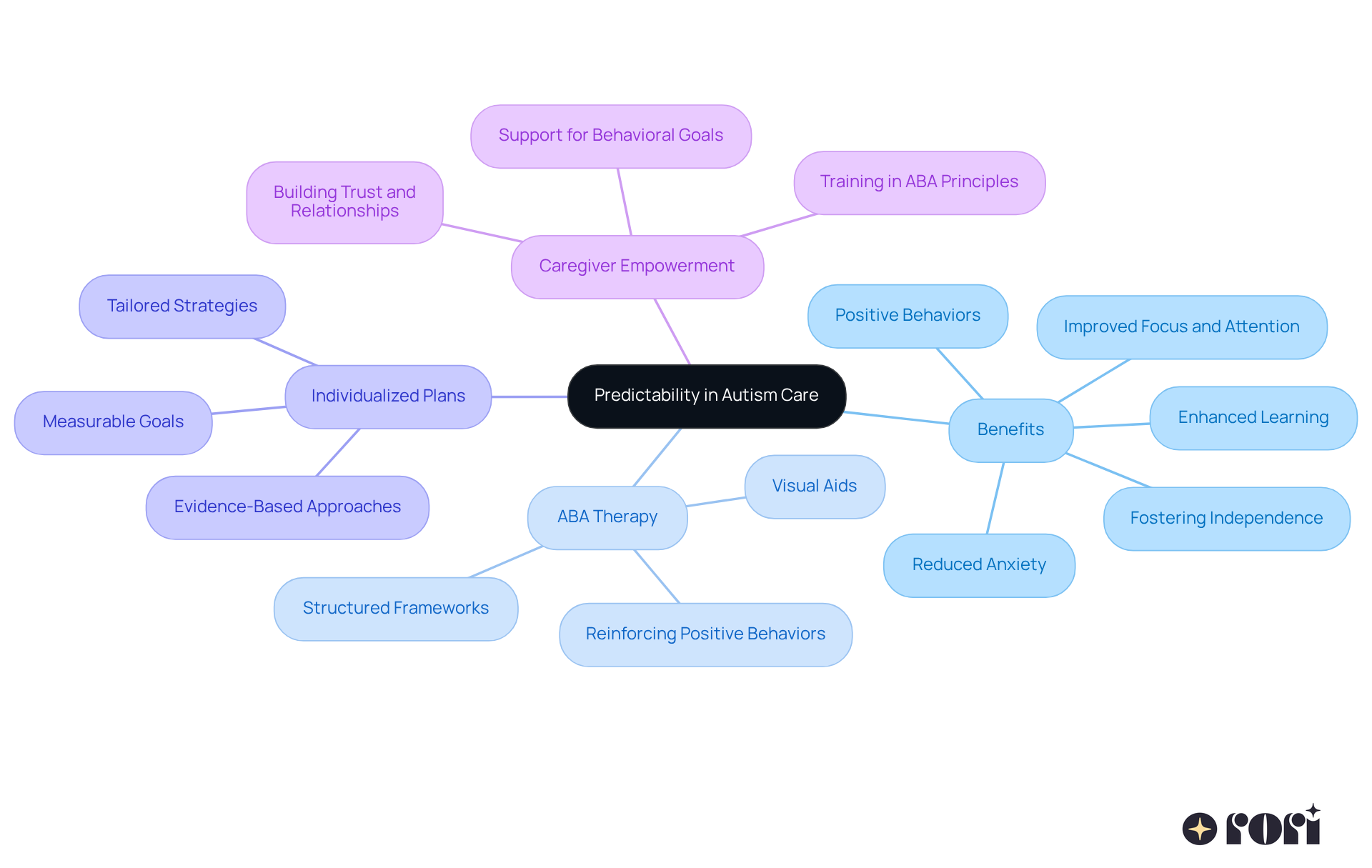
The advantages of can significantly impact children with autism. Let’s take a look at some of the key benefits:
Now, let’s talk about how plays a vital role in maximizing these benefits. By equipping caregivers with , they can provide better support at home. This not only complements professional interventions but also promotes consistency. When caregivers are informed, they can make decisions that positively impact their child’s progress. often lead to better behavioral outcomes, empowering caregivers and easing family stress.
Real-life examples really highlight these benefits. Kids who stick to consistent bedtime routines often enjoy better sleep and overall health. Those engaged in structured daily activities show improved focus and attention. By creating environments that showcase the advantages of predictable environments in autism care, caregivers can significantly reduce anxiety and foster a more positive developmental path.
As Stephen Shore wisely said, 'If you’ve encountered one person with a developmental disorder, you’ve encountered one person with a developmental disorder.' This really emphasizes the need for tailored predictability to meet each child’s unique needs.
So, let’s explore this together! We’re here to help you every step of the way!
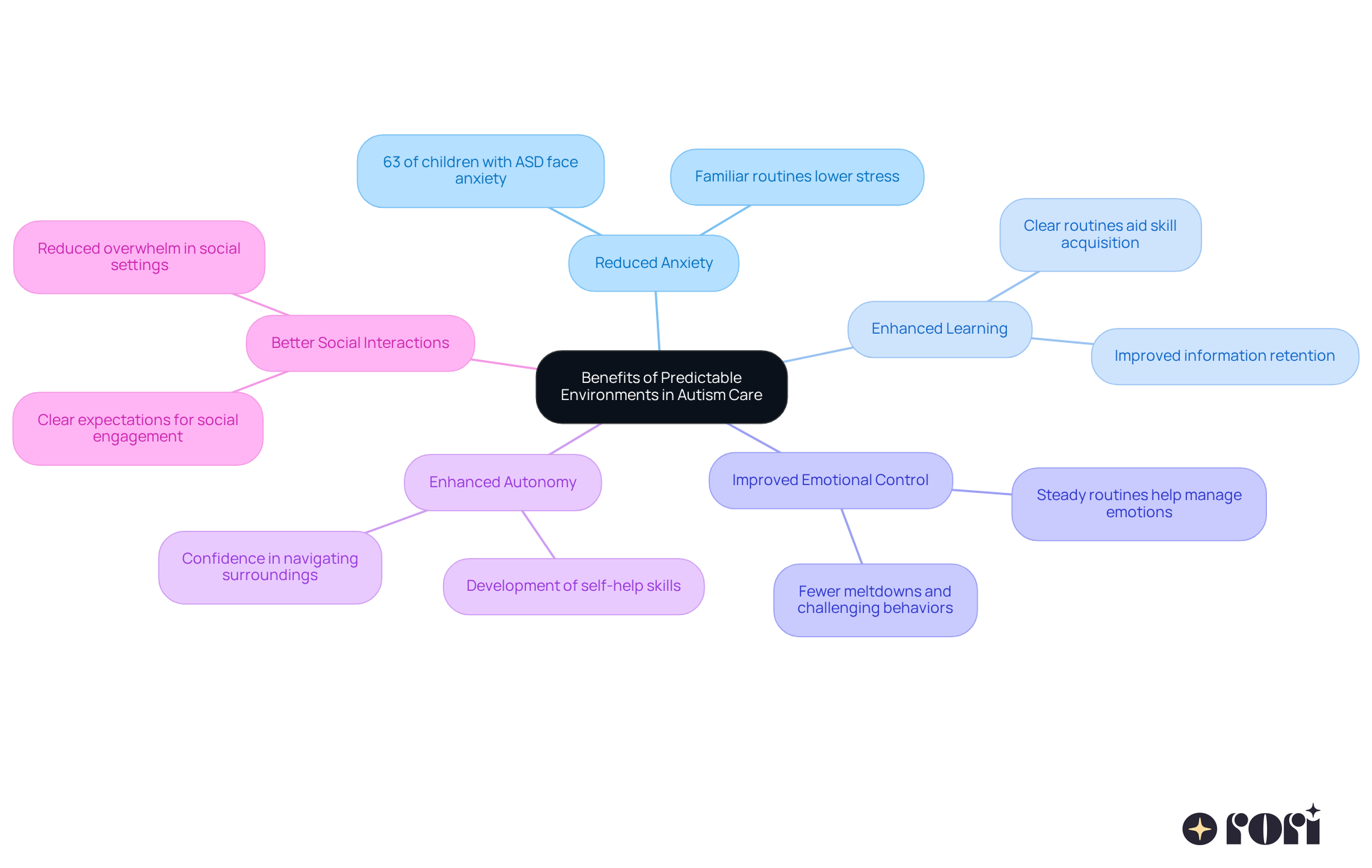
Establishing predictable routines for children with autism can illustrate the advantages of ! Here are some friendly strategies to consider:
By integrating these approaches, you might notice and increased self-sufficiency in your child. Research indicates that the advantages of predictable environments in autism care can significantly enhance focus and decrease challenging behaviors in children with developmental disorders.
Let’s explore this together! We’re here to help you every step of the way!

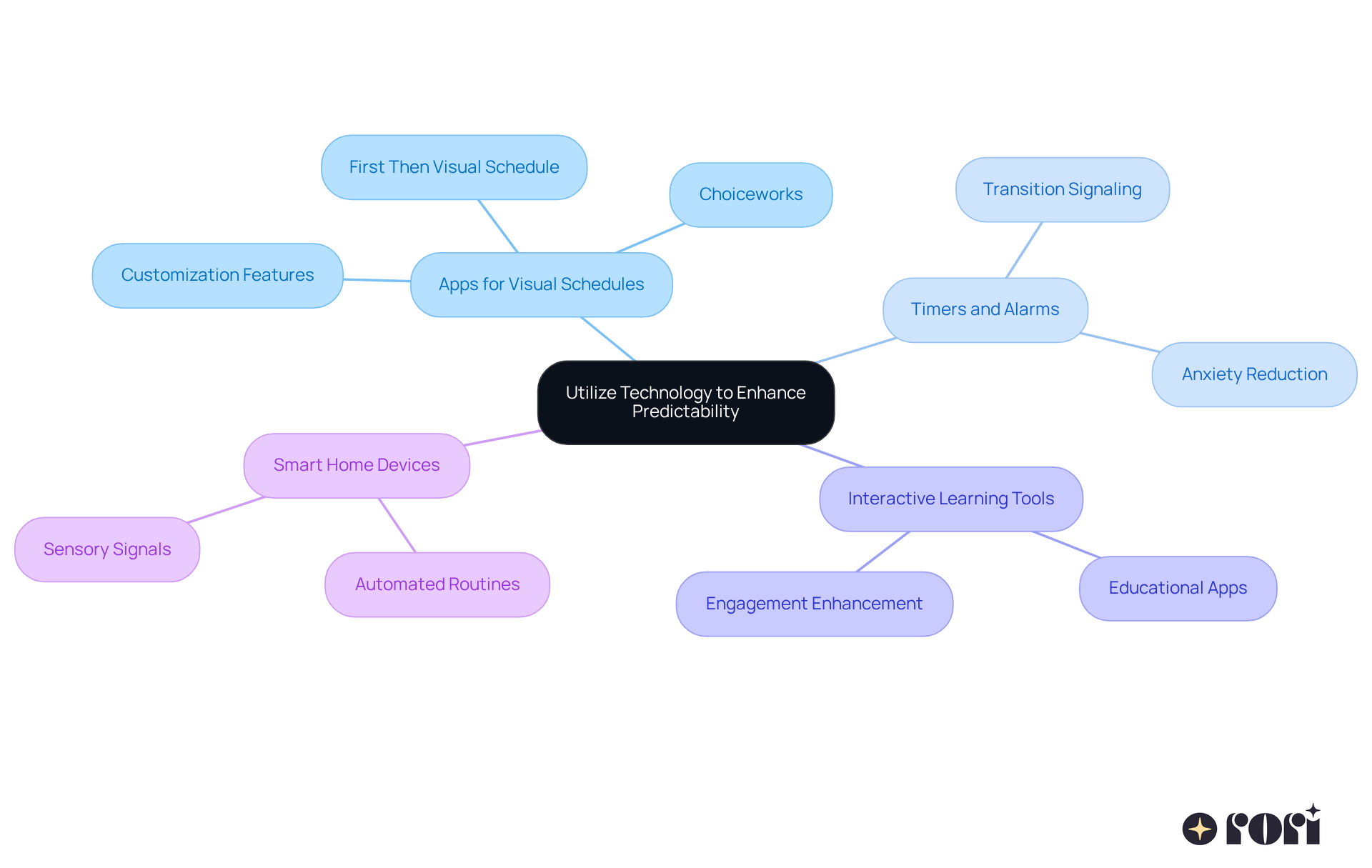
Technology can significantly highlight the advantages of by helping youth establish . Let’s take a look at some great tools that can help!
Research shows that visual schedules, especially when delivered through apps, can significantly improve on-task behavior and overall engagement for kids with developmental differences. As more diagnoses come to light, it’s clear that like these are becoming essential.
So, let’s explore this together! If you’re looking for ways to support your child, these tools might just be what you need.
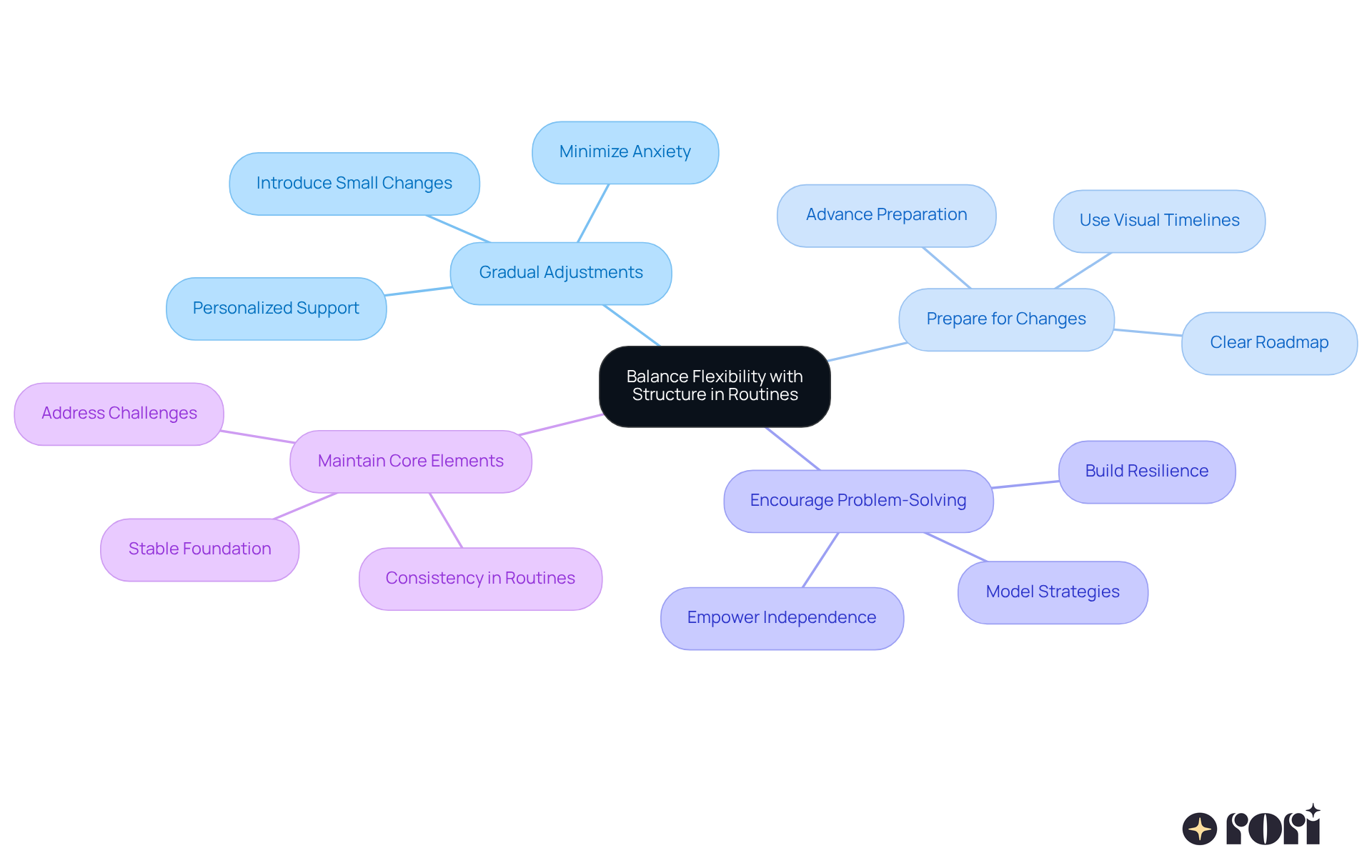
While the are extremely important for kids with autism, it’s also crucial to weave in some adaptability into their schedules. Let’s look at some :
By recognizing the , parents can create an environment that supports both comfort and adaptability, ultimately . And here’s something encouraging: progress is seen in 90% of children when the recommended hours are fully implemented with active caregiver involvement. That really underscores the effectiveness of Rori Care’s ABA therapy!
Let’s explore this together!
Creating predictable environments in autism care is so important for helping children on the spectrum feel secure and stable. When caregivers set up structured routines and clear expectations, it can really help reduce anxiety and boost emotional regulation. This, in turn, leads to better learning and social interactions. The key takeaway here is that predictability not only supports a child’s growth but also empowers caregivers, enhancing their ability to positively influence their child's journey.
Throughout this discussion, we’ve highlighted some fantastic benefits of predictable environments. Think about:
We’ve also explored strategies for establishing these routines, like:
Plus, integrating technology can be a great way to reinforce predictability, while finding that sweet spot between structure and flexibility is crucial for adapting to changes without overwhelming the child.
The importance of predictability in autism care really can’t be overstated. By prioritizing structured environments and equipping caregivers with effective strategies, we can dramatically increase the potential for positive outcomes in children’s lives. Embracing these principles not only supports the emotional and developmental growth of children with autism but also builds a supportive community where caregivers feel empowered to make meaningful changes. Let’s keep exploring and implementing these practices together, ensuring every child has the chance to thrive in a nurturing, predictable environment!
What is predictability in autism care?
Predictability in autism care refers to creating a consistent and reliable environment with structured schedules and clear expectations, which helps individuals on the autism spectrum feel safe and secure.
Why is predictability important for children with autism?
Predictability is important because it allows children with autism to anticipate what’s coming next, reducing anxiety and making daily activities smoother. It fosters positive behaviors and emotional regulation, which are crucial for their development.
How does Rori Care implement predictability in their programs?
Rori Care creates individualized plans in their behavioral programs tailored to meet each child's unique needs and goals, ensuring that the predictability of the environment aligns with therapeutic objectives.
What are the benefits of predictable environments in autism care?
The benefits include reduced anxiety, enhanced learning, improved emotional control, enhanced autonomy, and better social interactions, all of which contribute to the overall well-being of children with autism.
How does predictability reduce anxiety in children with autism?
Familiar routines make children feel more secure, significantly lowering stress and anxiety that often accompany uncertainty. Approximately 63% of young individuals with autism experience anxiety that impacts their daily lives.
In what ways does predictability enhance learning for children with autism?
Clear routines allow children to focus on learning new skills rather than worrying about transitions, creating a better learning environment that helps them retain and apply information.
How does predictability improve emotional control in children with autism?
Predictable environments contribute to better emotional management, resulting in fewer meltdowns and challenging behaviors by providing a stable framework for children to feel secure.
What role do caregivers play in maximizing the benefits of predictability?
Caregivers equipped with ABA principles and strategies can provide better support at home, complementing professional interventions and promoting consistency, which leads to better behavioral outcomes.
Can you provide examples of how predictable environments benefit children?
Yes, children who maintain consistent bedtime routines often experience better sleep and health, while those engaged in structured daily activities show improved focus and attention.
Why is it important to tailor predictability to each child’s needs?
Each child with a developmental disorder is unique, and tailored predictability ensures that their individual needs are met, fostering a more positive developmental path.