Forward chaining is a powerful methodology in ABA therapy that deconstructs complex skills into smaller parts to facilitate learning for individuals with autism. This incremental approach celebrates each step of progress, empowering autistic individuals to actively participate in society. With the increasing prevalence of autism, tailoring interventions like forward chaining is crucial to support diverse needs and optimize therapy outcomes.
By following structured steps and measuring progress accurately, parents and practitioners can foster skill acquisition and promote positive changes in social engagement and overall well-being. This informative article explores the steps to implement forward chaining, the importance of assessing learner's interests and skills, identifying teaching opportunities, determining targeted skills, and setting clear learning goals. It also delves into the practical application of forward chaining, creating a supportive learning environment, utilizing natural prompts and cues, seizing teaching opportunities, and presents examples and case studies that highlight the effectiveness of forward chaining.
Additionally, the article discusses the challenges and solutions in implementing forward chaining and emphasizes the importance of evidence-based resources and community involvement. By embracing forward chaining and incorporating it into ABA therapy, parents and practitioners can empower children with autism to reach their full potential.
represents a key methodology in , meticulously deconstructing into their constituent parts to facilitate learning for individuals with autism. Initially focusing on the fundamental steps, this technique systematically introduces additional ones, culminating in the acquisition of the complete skill. Such is designed to celebrate each victory along the way, bolstering confidence and laying a foundation for future learning.
This method mirrors the ethos of creating equitable opportunities for all children to thrive, as emphasized by , who advocated for fair and engaged participation in various life domains. The importance of this approach is magnified for , particularly those facing co-occurring emotional and behavioral challenges, to foster their inclusion and active participation in society. As the prevalence of autism increases, with current estimates as high as 1 in 36 individuals, tailoring interventions like forward chaining to support diverse needs is crucial.
This strategy aligns with the evolving landscape of ABA, where professionals strive to deliver high-quality, coordinated care, leveraging technology to optimize therapy outcomes. Indeed, the structured nature of forward chaining can be instrumental in addressing the varied abilities of individuals on the autism spectrum, aiming for a noticeable and positive change in their and overall well-being.

To successfully apply within the realm of ABA therapy, it's essential to incorporate a series of . This evidence-based approach involves breaking down complex behaviors into smaller, teachable units, starting with the first step and gradually adding subsequent steps once mastery of the previous one is achieved. Professionals in the field, like New York state-licensed and Board-Certified Behavior Analysts with extensive experience in both direct patient care and the development of technology solutions for coordinated care, emphasize the importance of high-quality, .
The process begins by conducting a thorough assessment to identify the specific steps necessary for the target behavior. Each step is then taught in sequence, ensuring the learner achieves a high level of proficiency before advancing. This methodical progression is supported by recent behavior-analytic research, which highlights the effectiveness of concurrent-chains arrangements in evaluating preferences for interventions.
This research underlines the significance of employing that lead to noticeable improvements in socially significant behaviors.
A critical aspect of is the consistent and accurate measurement of progress, which is crucial for determining when to introduce the next step in the chain. The data collected from this meticulous approach is invaluable, driving decision-making and adjustments in the intervention strategy. By adhering to these steps, parents and practitioners can foster in a structured manner, ultimately leading to the successful generalization of the desired behavior.

Commencing forward chaining in education, especially for learners with unique needs, requires an that is as much about understanding the learner as it is about setting the stage for . This process entails discovering the and what they find motivating—crucial elements that can significantly enhance engagement and progress. Furthermore, knowing the learner's forms a baseline, allowing for tailored teaching strategies and clear tracking of advancements over time.
For instance, consider the journey of Lil, a 17-year-old preparing to . The team around her, recognizing the complexities of this change, especially for someone with autism, focused on identifying her strengths, preferences, and the skills she already possessed to ease the transition to a new environment rich in community-based activities. Such a underscores the importance of s in creating educational paths that are not only effective but also respectful of individual differences and developmental trajectories.
As educators, it's imperative to weave learning into the fabric of everyday life, ensuring that children are not only taught but immersed in experiences that foster growth. Integrating teaching opportunities into a child's natural surroundings, such as everyday routines and play, facilitates a seamless blend of education and life. This approach is substantiated by the rise of like Scandinavian forest schools, where children spend substantial time in , engaging in activities that promote physical and mental health, resilience, and .
The empirical evidence supports that environments rich in nature contribute to the overall well-being of children. For instance, a research collaboration among various educational and environmental organizations is set to publish a white paper highlighting the extensive community, economic, and environmental advantages of , emphasizing the societal value that extends beyond individual student gains.
Moreover, the profound connection between humans and the natural world has been reiterated by philosophers and educators alike, advocating for a re-engagement with our environmental roots to enhance mental and physical health. This is particularly relevant in an era marked by environmental disruption and . Engaging with nature through tailored activities aligns with historical practices in , which have been shown to boost resilience, pride, and a sense of purpose.
In light of these insights, identifying opportunities within a child's environment to practice target skills is not just beneficial, it's a necessity. By doing so, we harness the of our surroundings to nurture healthier, more resilient, and cognitively adept individuals, ready to thrive in an ever-evolving world.
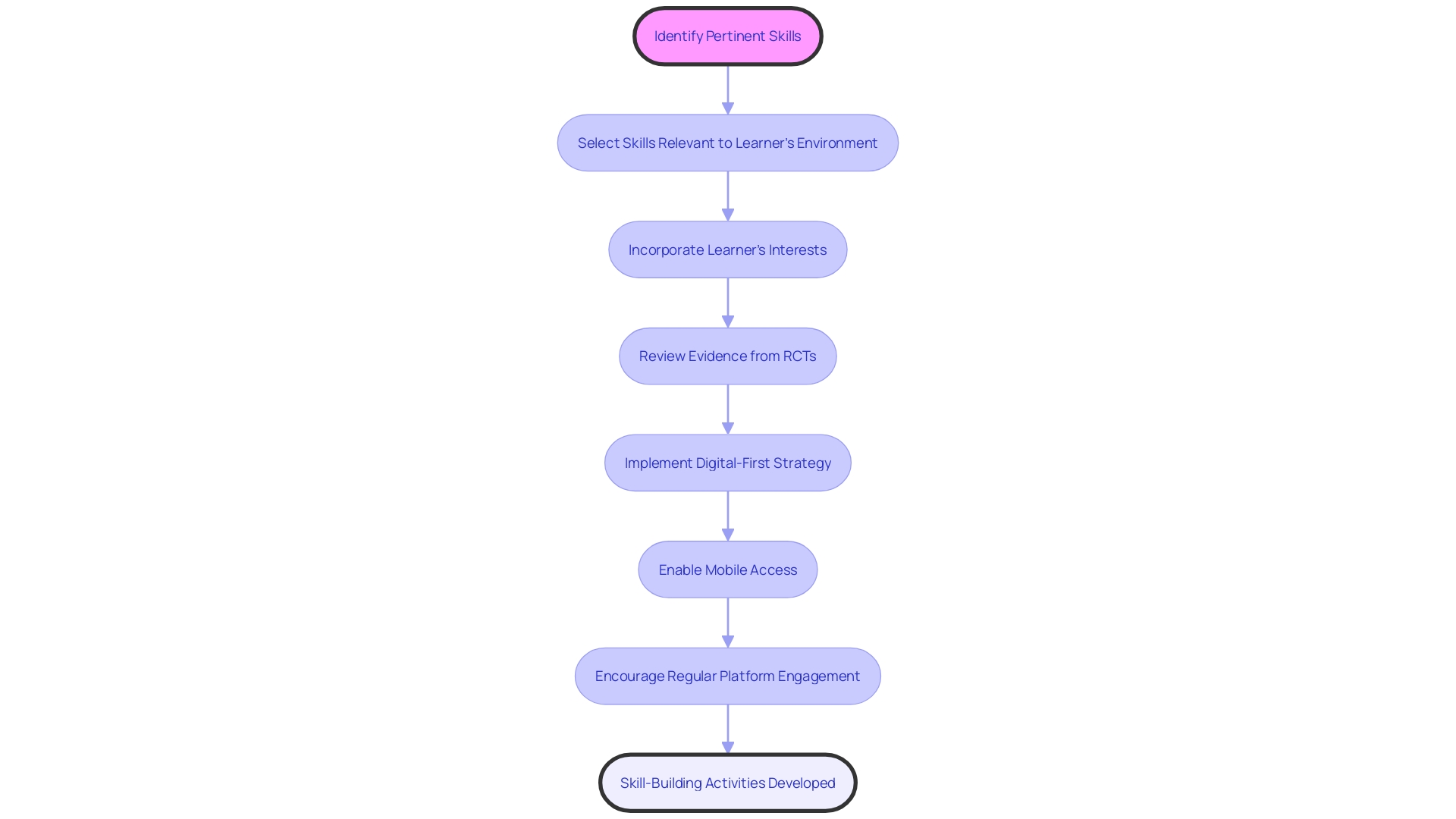
When using forward chaining, it's vital to select skills that are not only pertinent to the learner's immediate environment but also contribute to their . Emphasizing skills that resonate with the learner's interests ensures engagement and fosters a sense of relevance. This approach is corroborated by evidence from randomized trials across various educational contexts, where has proven highly effective.
Such instruction is most impactful when it is both implemented rigorously and tailored to the learner, whether delivered by teachers or volunteers. Furthermore, the digital age offers new avenues for learning, as demonstrated by Guide Dogs' adoption of a digital-first blended learning strategy. Enabling content access through mobile devices and encouraging regular platform engagement are strategies that parallel the in forward chaining.
By focusing on , we align with the that prioritize individual needs and outcomes.
When teaching children with autism, the formulation of clear, is a cornerstone of effective educational strategies like . These objectives are most productive when they adhere to the , ensuring that each goal is Specific, Measurable, Attainable, Relevant, and Time-bound. This approach not only streamlines the educational process but also facilitates the meticulous tracking of a child's progression towards their .
By integrating technology solutions that support this framework, educators and healthcare providers can offer coordinated care that aligns with best practices and high-quality standards.
The importance of structured goals is echoed by renowned researchers, such as K. Anders Ericsson, who highlights that mastery of a skill is not merely a function of time but also of how that time is invested in deliberate practice. This practice necessitates a system that includes specific tasks and immediate feedback, which is in harmony with the precision required by SMART objectives in DTT.
Moreover, the design of SMART goals is supported by . For instance, the statutory Early Years Foundation Stage (EYFS) framework mandates that children be assessed against clearly defined early learning goals. This systematic approach reflects the necessity of structured objectives in fostering meaningful and lasting development, which is the cornerstone of designed to assist children with autism.
In summary, the careful construction of SMART goals in DTT not only provides a clear roadmap for educators and therapists but also ensures a consistent, measurable approach to skill acquisition for children with autism, resonating with the best practices in both clinical and educational settings.

is a structured teaching technique used in for children with autism. It involves breaking down skills into smaller, teachable components and often requires careful planning and strategizing. To effectively implement DTT, one can draw inspiration from real-world applications of systematic processes.
For instance, consider the integration of in industries such as real estate. Agents often face repetitive tasks like lead qualification, which involves gathering key information from potential clients. By automating this with a system designed to interact and collect data, agents can focus on more complex aspects of their job.
Similarly, when applying DTT, automating certain repetitive components can save time and allow for more focus on the child's individual needs.
The importance of customization is also evident in , where treatments are tailored to individual patient characteristics. In education, DTT can be personalized by assessing each child's unique learning style and adapting trials accordingly. This approach has been seen to improve outcomes significantly, as in the case of , where training in ordering skills related to math performance was beneficial.
Moreover, the rise in , such as the pandemic, highlights the need for effective strategies like DTT. A study by Colizzi et al. noted an increase in behavioral issues in individuals with autism, underscoring the importance of structured interventions.
Ultimately, whether it's real estate, healthcare, or educational settings, the key lies in to enhance efficiency and outcomes. By employing strategies akin to those used in other fields, one can optimize the practical application of DTT to support children with autism in developing new skills and behaviors.
To foster an optimal learning environment for children with autism, the implementation of necessitates a supportive atmosphere. This involves crafting a predictable and orderly space where distractions are kept to a minimum. Incorporating can significantly bolster both comprehension and participation levels, allowing for a more engaging learning experience.
Visual supports, in particular, play a vital role. As Dr. Jan Blacher points out, the diverse manifestations of autism call for varied intervention methods, tailored to the unique of each child. By using visual cues, children who may struggle with verbal instructions can better understand and follow the steps.
Moreover, a study drawing on expectancy-value theory highlights that motivation to learn is enhanced when tasks are perceived as valuable and doable, suggesting that a can promote their willingness to engage with the material. The theory emphasizes the importance of aligning tasks with personal values and the realistic estimation of success, which can be facilitated through a .
In accordance with the principles of scaffolding, delineated by the revered psychologist Vygotsky, the learning environment should also provide 'just-right' challenges that children can overcome with guidance. This could be an adult or more capable peer assisting the child to achieve tasks within their zone of proximal development, allowing them to learn and grow in confidence.
Lastly, news from the field of autism education, such as the partnership between Aetna Better Health of Kentucky and MapHabit, underlines the importance of training providers to cater to each child's individual needs, emphasizing the significance of a tailored learning environment. These advancements in the understanding and support of autism underscore the critical role of a well-structured learning environment in forward chaining and other educational strategies.

When teaching a new skill to a learner on the autism spectrum, play a pivotal role. By integrating these into the initial steps, the learner is encouraged to engage with the target skill in a manner that feels organic and less contrived. Over time, as these learners grow more confident and skilled, the prompts are subtly reduced, allowing for a seamless transition toward .
This method complements the to in both school and community life, which is .

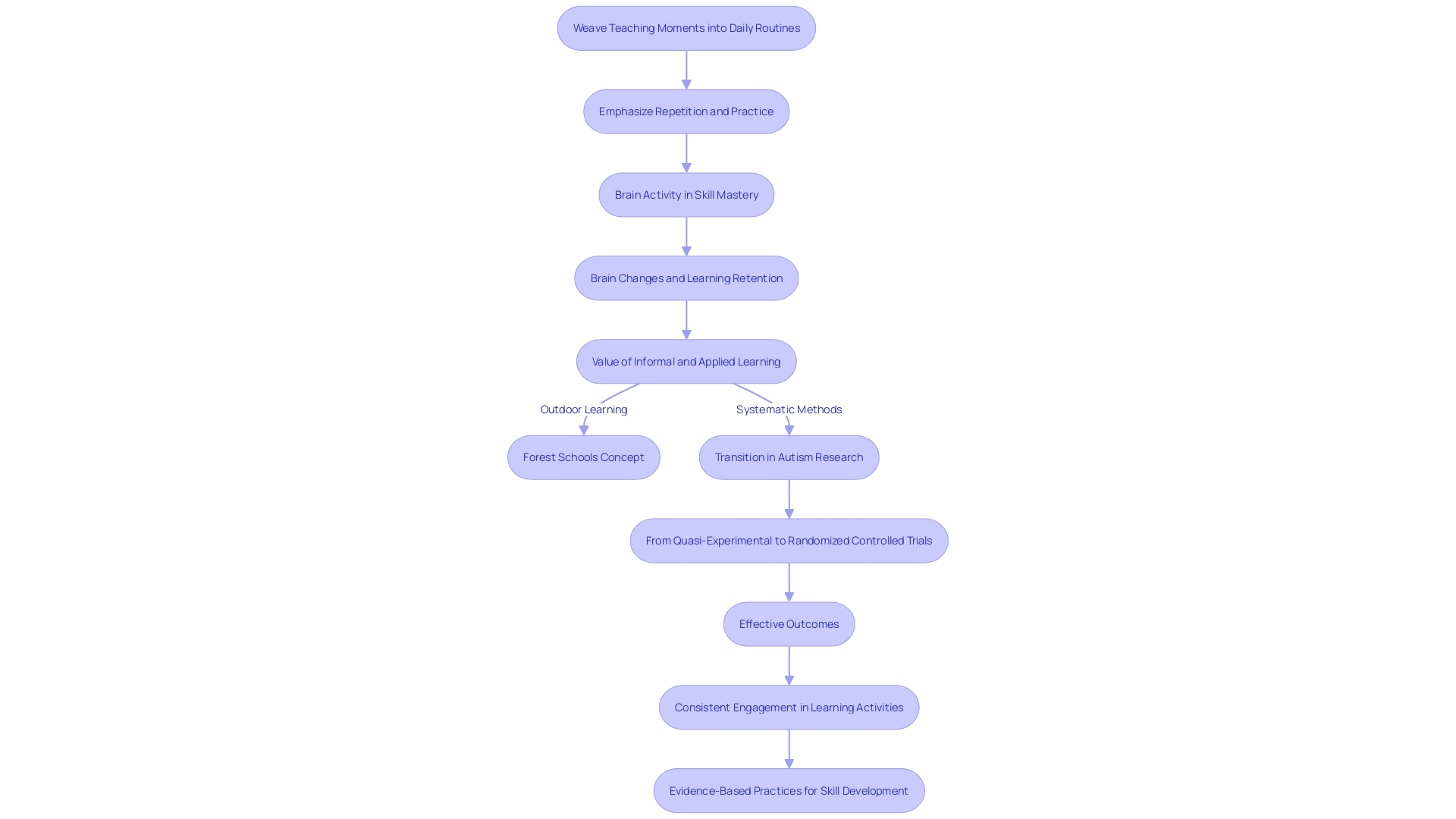
To optimize in children, it's important to weave teaching moments into their daily routines. Repetition and consistent practice are not just beneficial, they're necessary for learning. This is evident through various studies, one of which highlights that specific regions of the brain are more active when we're mastering new skills, emphasizing the importance of practice and the subsequent brain changes that occur, which contribute to our ability to learn and retain new information.
Additionally, in the realm of education, there's a shift toward appreciating the value of , such as those that occur organically throughout the day. For instance, outdoor learning environments have been shown to foster not only educational development but also community and environmental benefits. This approach aligns with the Scandinavian concept of forest schools, where outdoor activities are integral to the curriculum.
Moreover, adopting , as seen in the evolving practices within autism research, can lead to more . The transition from quasi-experimental to randomized controlled trials in evaluating interventions for autism indicates a commitment to rigor and the potential for replicable results in real-world settings. Thus, in learning activities, supported by , can significantly enhance the effectiveness of skill development in children.
Case studies have revealed the profound impact of , particularly in addressing among individuals with autism. For instance, a thorough review of articles from January 2018 to June 2023, focusing on concurrent-chains arrangements, showcased a methodical approach to evaluating preferences for various interventions. These interventions were defined as behavior-change procedures aimed at eliciting noticeable improvements in behavior within a clinical population.
In one such arrangement, a French child with autism was encouraged through ABA therapy to alter responses to environmental stimuli which, while potentially viewed as more 'neurotypical', also sparked debates regarding the child's actual well-being and mental health.
In addition, a pediatric occupational therapist from Florida, named Kara, shared insightful experiences with . Her application of Independence Therapy, combined with parent education, led to remarkable outcomes, particularly for an 11-year-old girl with anxiety and higher support needs. This real-world example underscores the effectiveness of in fostering autonomy and skill acquisition in children on the autism spectrum.
Moreover, recent advancements in generative AI have captured the medical community's attention, with institutions like the Mayo Clinic exploring . Although still in early development stages, these innovations have the potential to revolutionize intervention strategies and improve the quality of life for those with autism.
These narratives are supported by that critically examine for autistic children and youth. Findings indicate that many studies suffer from design flaws, which obscure the true effectiveness and potential risks of such interventions. Nonetheless, the autism community has played a pivotal role in advocating for higher research standards and ethical considerations, which directly impact the respect and care provided to individuals with autism.

Real-world case studies play a critical role in illustrating the effectiveness of , a teaching technique utilized within for children with autism and other developmental disabilities. For example, multimedia tools have been leveraged to teach various skills, including , , and . The use of multimedia is particularly beneficial as it enables individuals to engage with educational content at their own pace, revisit the material as needed, and access it at a convenient time, which is essential for reinforcing learning.
In diverse communities, like Southern Nevada, where a significant portion of the population speaks a language other than English at home, can be invaluable. These tools often incorporate visual aids, such as pictures and interactive elements, to enhance comprehension among children, including those with intellectual disabilities, for whom traditional written materials may not be as effective.
Recent studies have highlighted the successful incorporation of multimedia in , demonstrating its potential to enhance understanding and engagement. This is especially pertinent for parents navigating complex genetic conditions or intellectual disabilities in their children. The availability of resources across various developmental stages underscores the importance of adaptable and accessible educational materials.
Continuous innovation in educational methods is vital, as evidenced by a 2023 study presented at the CHI Conference on Human Factors in Computing Systems. This study noted the profound impact of digital tools on mental health support, an area where traditional services may fall short. The integration of technology in education and therapy reflects a broader trend towards personalized and accessible interventions for those with learning and developmental challenges.
These findings underscore the importance of incorporating forward chaining and multimedia educational tools in teaching children with special needs. By presenting these case studies and their positive outcomes, parents and practitioners can gain practical insights and be inspired by the tangible successes achieved through these modern and inclusive educational strategies.

While forward chaining is a valuable technique in skills development, it's not without its challenges. Addressing these challenges head-on is crucial for parents and professionals working with children who have autism. One of the primary concerns is designing interventions that genuinely benefit the child.
Research has shown that many interventions suffer from design flaws, leading to ambiguities regarding their effectiveness and potential adverse effects.
It's essential to ensure that interventions align with the and that they are , taking into account the community's views on the goals, procedures, and outcomes. One notable professional with over a decade of clinical experience emphasizes the importance of creating and enhancing technology solutions that support providers and health plans. This focus on high-quality, is vital for ensuring that interventions are not only effective but also seamlessly integrated into a child's care plan.
Moreover, the involvement of community members, including parents and professionals, in the research and development phase can be instrumental. For instance, the Icelandic Technology Fund's support for prototype development and the engagement of schools like Laekjarskoli in trials have contributed to significant advancements in educational and mental health support tools. These partnerships allow for a wide range of testing scenarios, ensuring that the solutions developed are robust and versatile.
Furthermore, is critical, as underscored by organizations like The Autism Community in Action (TACA). They advocate for timely treatment, which leads to better outcomes for children with autism. In the quest for early diagnosis and intervention, innovative approaches such as using AI to analyze retinal images are emerging, offering hope for quicker and more accurate autism diagnoses.
In conclusion, navigating the complexities of forward chaining requires a multi-faceted strategy that includes rigorous research, , and a commitment to early and . With these strategies in place, parents and practitioners can overcome the challenges and maximize the potential benefits of forward chaining for children with autism.
In the quest for understanding and applying forward chaining in , it is essential to refer to that can guide practitioners and parents alike. For instance, the rigorous review process for selecting articles that applied concurrent-chains arrangements to evaluate intervention preferences offers a foundation for best practices. These articles, filtered through stringent criteria, including applied evaluations in English with human subjects, provide insights into behavior-change procedures producing significant outcomes for clinical populations.
A case in point is the report of a French child who underwent ABA therapy, which underscores the complexities and nuanced outcomes of such interventions. This real-world example highlights the potential , while also acknowledging the critical voices within the autistic community regarding the therapy's goals and its impact on mental health.
Additionally, news from the U.S. Administration for Children and Families and the ABA Center on Children and the Law focuses on kinship care, demonstrating the in children when placed with family members. This underscores the importance of a in the effectiveness of any , including ABA therapy.
Moreover, leveraging technology to enhance coordinated care is another pivotal aspect, as noted by a New York state-licensed and Board-Certified Behavior Analyst. Her decade-long experience in patient care and technology solutions emphasizes the necessity of integrating high-quality, coordinated care in treatment settings, which can be particularly beneficial for ABA therapy practices.
Lastly, acknowledging the broader context of children with disabilities, as stated by Dr. David (Dan) R. Offord, it is clear that ensuring equitable conditions and addressing unmet needs are vital for their mental health and development. This overarching goal aligns with the principles of ABA therapy, aiming to provide fair and supportive opportunities for all children.
To delve deeper into these aspects, it is recommended to explore the original sources and research articles that have rigorously evaluated concurrent-chains arrangements and their implications for interventions in the field of ABA therapy.
In conclusion, forward chaining is a powerful methodology in ABA therapy that deconstructs complex skills into smaller parts to facilitate learning for individuals with autism. By following structured steps, accurately measuring progress, and creating a supportive learning environment, parents and practitioners can foster skill acquisition and promote positive changes in social engagement and overall well-being.
Implementing forward chaining involves assessing the learner's interests and skills, identifying teaching opportunities, determining targeted skills, and setting clear learning goals. Creating a supportive learning environment, utilizing natural prompts and cues, and seizing teaching opportunities enhance skill acquisition and generalization.
Real-world examples and case studies highlight the effectiveness of forward chaining in addressing socially significant behaviors in individuals with autism. Tailored interventions, such as the integration of multimedia tools and personalized healthcare, demonstrate positive outcomes.
Challenges in implementing forward chaining include designing interventions that genuinely benefit the child and ensuring community involvement and early intervention. By addressing these challenges through rigorous research, involving the community, and committing to evidence-based interventions, parents and practitioners can maximize the potential benefits of forward chaining for children with autism.
In conclusion, forward chaining empowers children with autism to reach their full potential by deconstructing complex skills, fostering skill acquisition, and promoting positive changes in social engagement. By implementing structured steps, creating a supportive learning environment, utilizing natural prompts and cues, and seizing teaching opportunities, parents and practitioners can optimize therapy outcomes. It is crucial to refer to evidence-based resources and involve the community to navigate the complexities of forward chaining effectively.
Discover the power of forward chaining and unlock your child's potential today!
What is forward chaining in ABA therapy?
Forward chaining is a technique used in Applied Behavior Analysis (ABA) that involves breaking down complex skills into smaller, teachable steps. It starts with teaching the first step and then gradually introduces additional steps as each one is mastered.
Why is forward chaining important for individuals with autism?
Forward chaining is important for individuals with autism as it allows them to learn complex skills incrementally, building confidence and a foundation for future learning. It is tailored to support diverse needs and can lead to positive changes in social engagement and overall well-being.
How is forward chaining implemented in ABA therapy?
Forward chaining in ABA therapy is implemented through a series of structured steps. It begins with a thorough assessment of the learner's skills, followed by teaching each step in sequence until proficiency is achieved. Consistent measurement of progress is crucial to determine the readiness for the next step.
What is the first step in implementing forward chaining?
The first step in implementing forward chaining is conducting an initial assessment of the learner's interests, motivations, and current abilities to create effective and personalized instruction strategies.
How do teaching opportunities fit into forward chaining?
Teaching opportunities are integrated into the learner's natural environment, such as daily routines and play, to promote seamless education and skill practice.
What factors should be considered when determining targeted skills in forward chaining?
When determining targeted skills in forward chaining, it is important to select skills that are relevant to the learner's immediate environment, resonate with their interests, and contribute to their overall development.
How are clear learning goals set in forward chaining?
Clear learning goals in forward chaining are set using the SMART criteria, ensuring that each goal is Specific, Measurable, Attainable, Relevant, and Time-bound. This aids in tracking a child's progression towards their targets.
Can you provide examples of practical applications of forward chaining?
Practical applications of forward chaining include multimedia tools to teach self-care routines and communicative abilities, as well as adapting teaching methods to each child's unique learning style to improve outcomes.
What constitutes a supportive learning environment in forward chaining?
A supportive learning environment for forward chaining includes a predictable and orderly space with minimal distractions, the use of visual aids, and tasks that are just challenging enough to be overcome with guidance, tailored to each child's needs.
Why are natural prompts and cues used in forward chaining?
Natural prompts and cues are used in forward chaining to encourage learners to engage with the target skill organically, with the aim of reducing these prompts over time to allow for independent skill execution.
What is the significance of seizing teaching opportunities in forward chaining?
Seizing teaching opportunities within daily routines is significant for skill acquisition and generalization, as consistent practice is necessary for learning and retaining new information.
What are some challenges associated with forward chaining, and how can they be addressed?
Challenges in forward chaining include designing beneficial interventions and ensuring social validation. These can be addressed through rigorous research, community involvement, and a focus on high-quality, coordinated care.
Where can I find more information on forward chaining and ABA therapy?
More information on forward chaining and ABA therapy can be found through evidence-based resources, research articles, and case studies that have rigorously evaluated interventions and their outcomes for individuals with autism.