Unlocking the Effectiveness of Early Intervention for Autism

Discover the effectiveness of early intervention for autism, enhancing development and quality of life.

Introduction

Unlocking the potential of early intervention for autism can truly change the game for children diagnosed with autism spectrum disorder (ASD). 🌟 When families provide timely therapeutic support, they can really boost their child's communication, social skills, and overall quality of life. But here’s the thing: many kids still miss out on these vital early services, often because of socioeconomic disparities.

So, what can we do to bridge this gap? How can we ensure that every child gets the support they need for a brighter future? Let’s explore this together! We’re here to help you every step of the way!

Define Early Intervention and Its Importance in Autism

Prompt support is all about providing therapeutic services to young kids diagnosed with autism spectrum disorder (ASD), ideally before they turn three. This early stage is super important because young minds are incredibly adaptable, making it easier for them to learn new skills. Research shows the effectiveness of early intervention for autism, as kids who receive this early support often make significant strides in their development, including improvements in their communication, social skills, and everyday behaviors. For instance, studies have found that children receiving early help demonstrate the effectiveness of early intervention for autism, leading to better long-term outcomes such as higher academic success and smoother social interactions.

By addressing developmental delays early on, families can help their children reach their full potential, which really enhances their quality of life. One study even found that kids in a support group had an average IQ increase of 18 points and showed major improvements in their language skills. This really highlights the for autism and its impactful nature in therapeutic involvement! Plus, the effectiveness of early intervention for autism has been linked to a reduction in autistic symptoms, especially in younger kids, which underscores the need for timely support to set them on the best developmental path.

Caregiver education is also a key part of this journey. It boosts support, helps with decision-making, and leads to better behavioral outcomes. However, it’s concerning that fewer than half of autistic youth in four New Jersey counties received early intervention program (EIP) services before they turned 36 months. This points to some serious gaps in access to these vital services. Between 2009 and 2017, 17% of kids aged 3-17 were identified with a developmental disability, which really shows the urgent need for early help.

Interestingly, children with autism in wealthier areas were found to be 80% more likely to receive early support services compared to those in less privileged neighborhoods. This highlights the critical need for fair access to these programs. At Rori Care, we’re committed to providing comprehensive and compassionate ABA therapy, ensuring that both kids and caregivers feel empowered through education and support. Let’s explore this together!

The center represents the main idea of early intervention, with branches showing its importance, effectiveness, access issues, and the role of caregiver education. Each branch highlights key points that contribute to understanding why early intervention is crucial.

Explore Therapeutic Approaches in Early Intervention

When it comes to supporting children with autism, there are several therapeutic strategies that can really enhance the effectiveness of early intervention for autism. Each one is designed to meet specific developmental needs, and it’s all about finding what works best for your child. Let’s take a look at some key approaches:

  • Applied Behavior Analysis (ABA): This evidence-based method is all about reinforcing positive behaviors while gently reducing the negative ones. It’s structured and effective, especially when it comes to enhancing communication and social skills. At Rori Care, we personalize our ABA therapy to fit each child’s unique strengths and challenges. We set clear, measurable goals for behavior change and skill development, which helps everyone see the progress being made. Our qualified behavior analysts are dedicated to designing these individualized plans, ensuring that strategies are implemented effectively and adjusted as needed.
  • Early Start Denver Model (ESDM): This is a fantastic early intervention program for kids aged 12 to 48 months. ESDM combines developmental and behavioral techniques to promote learning in natural settings, making it a great fit for little ones.
  • Developmental, Individual Difference, Relationship-Based (DIR/Floortime): This approach focuses on emotional and relational growth. It encourages children to engage in play and social interactions that help build those all-important emotional connections.
  • Speech and Language Therapy: Communication is key! This therapy helps kids develop both verbal and non-verbal communication skills, which are crucial for social interaction.
  • Occupational Therapy: This one’s all about enhancing daily living skills. Occupational therapy helps children develop fine motor skills and sensory processing abilities, setting them up for success in everyday activities.

Each of these methods can be tailored to meet your child’s specific needs, ensuring a personalized support plan that maximizes the effectiveness of early intervention for autism to enhance their developmental benefits. Plus, we’re committed to continuously assessing and adjusting treatment strategies. With the help of , we streamline progress reporting, freeing up 50% more time for direct care. This means we can focus even more on what truly matters-improving the overall effectiveness of our services.

Let’s explore this together! We’re here to help you every step of the way!

The center represents the main theme of therapeutic approaches, while each branch shows a specific strategy. The sub-branches provide details about what each approach entails and how it supports children with autism.

Discuss Long-Term Developmental Benefits of Early Intervention

Studies consistently show the effectiveness of early intervention for autism, which can lead to some amazing long-term benefits for individuals with autism. Let’s take a closer look at these key developmental advantages:

  • Improved Cognitive Abilities: Kids who get early intervention often see big boosts in their IQ and cognitive skills. For instance, a study found that children involved in the Early Start Denver Model (ESDM) intervention had an average IQ increase of 18 points, while those in community programs only gained a little over four points. These cognitive gains can really help with school performance and problem-solving skills.
  • Improved Social Abilities: Early therapeutic support encourages kids to interact socially, helping them learn important skills like sharing, taking turns, and reading social cues. Techniques like social skills training are crucial for this initial support, enabling children to navigate social situations more smoothly.
  • Better Communication Skills: Programs that focus on speech and language development can lead to better verbal and non-verbal communication. For example, kids in ESDM programs showed nearly 18-point improvements in their receptive language skills, which helps them connect better with peers and adults.
  • Enhanced Autonomy: Children who receive early help are more likely to develop self-help skills and adaptive behaviors, paving the way for greater independence as they grow. This newfound independence allows them to reach their full potential and lead fulfilling lives.
  • Decreased Demand for Intensive Services Later: By addressing developmental challenges early, many young individuals find they need fewer intensive services as they grow. Early intervention can save an estimated $1.3 million per person over their lifetime by cutting down on the need for long-term special education and intensive care, which is a win for families and healthcare systems alike.

Alongside these benefits, empowering caregivers with education in ABA principles and techniques significantly boosts their ability to support their child’s development. When caregivers are informed, they can make choices that positively impact their child’s progress, leading to and less stress for the family. Overall, the long-term benefits of timely support really underscore the effectiveness of early intervention for autism in shaping positive developmental journeys for individuals.

Let’s explore this together! We’re here to help you every step of the way!
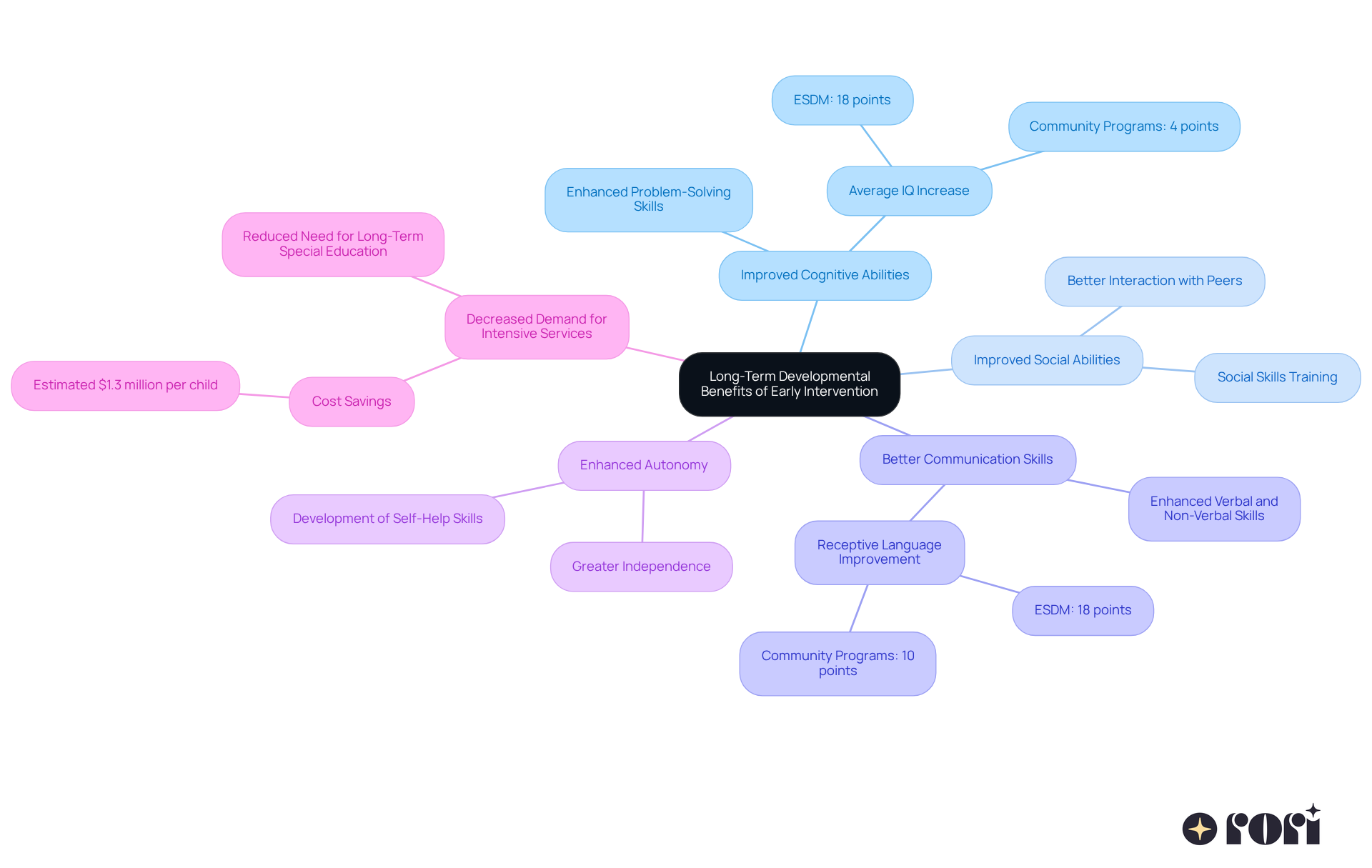
The central node represents the overall theme, while each branch highlights a specific benefit of early intervention. The sub-branches provide detailed examples or statistics that illustrate how these benefits manifest in real life.

Highlight the Role of Family and Interdisciplinary Teams

When it comes to supporting individuals with autism, the effectiveness of early intervention for autism can make a world of difference. And guess what? Families play a huge role in this journey! At Rori Care, we believe that when families actively participate, the success of interventions skyrockets. Let’s dive into some key aspects that make this happen:

  • Family Involvement: Families are at the heart of the intervention process. Your insights into your child’s behavior and preferences are invaluable! By being involved in therapy sessions and decision-making, you not only contribute to your child’s progress but also foster a sense of ownership. At Rori Care, we empower caregivers with ABA principles and strategies, so you can support your child’s behavioral goals effectively.
  • Interdisciplinary Teams: Early support often means bringing together a team of professionals - think behavior analysts, speech therapists, occupational therapists, and educators. Our clinical leadership team at Rori Care, made up of expert BCBAs and RBTs, collaborates to ensure every aspect of your child’s development is addressed. This teamwork is essential for reinforcing learning in different environments, making sure your child gets the best care possible.
  • Common Objectives: It’s all about teamwork! Multidisciplinary groups work together to create common objectives for your child, ensuring everyone is on the same page. This consistency is crucial for reinforcing learning across various settings. Plus, our commitment to neurodiversity means these goals are tailored to fit your child’s unique needs.
  • Support Networks: You’re not alone! Families benefit from support networks that include other parents, professionals, and community resources. At Rori Care, we provide these networks, offering emotional support, practical advice, and access to additional resources. With , you’ll feel more prepared to offer the right support at home, complementing professional assistance and promoting consistency.

By fostering collaboration between families and interdisciplinary teams, we can improve the effectiveness of early intervention for autism. Together, we can lead to better outcomes for children with autism. Let’s explore this journey together!

The central node represents the main theme, while the branches show key aspects of how families and teams work together. Each branch highlights important points that contribute to effective early intervention for autism.

Conclusion

Recognizing the power of early intervention for autism is so important for nurturing growth in children with autism spectrum disorder (ASD). When families access timely therapeutic services, they can really boost their children's communication, social skills, and overall quality of life. The evidence is clear: early intervention can lead to better long-term outcomes, making it a vital part of autism care.

Throughout this discussion, we’ve seen how crucial it is to address developmental delays quickly. There are various therapeutic approaches available, and family involvement, along with interdisciplinary teams, plays a significant role in the intervention process. Strategies like:

  1. Applied Behavior Analysis (ABA)
  2. The Early Start Denver Model (ESDM)
  3. Speech therapy

can be customized to fit each child's unique needs, ensuring they get the personalized support they deserve. Plus, when caregivers are equipped with education and resources, the effectiveness of these interventions really shines.

But the benefits of early intervention go beyond just immediate developmental gains. They open doors to greater independence, reduce the need for intensive services down the line, and improve family dynamics. By advocating for fair access to early intervention programs and encouraging collaboration among families and professionals, we can create a nurturing environment that celebrates the potential of every child with autism. Let’s embrace these strategies today for brighter futures for individuals with ASD. It’s essential for our communities to prioritize early intervention initiatives, and together, we can make a difference!

Frequently Asked Questions

What is early intervention in the context of autism?

Early intervention refers to providing therapeutic services to young children diagnosed with autism spectrum disorder (ASD), ideally before they turn three years old. This stage is crucial as young minds are highly adaptable, making it easier for them to learn new skills.

Why is early intervention important for children with autism?

Early intervention is important because research shows that children who receive support at a young age often make significant strides in their development, including improvements in communication, social skills, and everyday behaviors. It can lead to better long-term outcomes, such as higher academic success and smoother social interactions.

What are some benefits of early intervention for autism?

Benefits of early intervention include addressing developmental delays, enhancing children's quality of life, increasing average IQ scores, and showing major improvements in language skills. It has also been linked to a reduction in autistic symptoms in younger children.

What role does caregiver education play in early intervention?

Caregiver education is crucial as it boosts support for children, aids in decision-making, and leads to better behavioral outcomes for children receiving early intervention services.

What are the statistics regarding access to early intervention services?

Fewer than half of autistic youth in four New Jersey counties received early intervention program (EIP) services before turning 36 months. Between 2009 and 2017, 17% of children aged 3-17 were identified with a developmental disability, highlighting the urgent need for early support.

How does socioeconomic status affect access to early intervention services?

Children with autism in wealthier areas are 80% more likely to receive early support services compared to those in less privileged neighborhoods, indicating a critical need for equitable access to these programs.


List of Sources

  1. Define Early Intervention and Its Importance in Autism
  • Data and Statistics on Autism Spectrum Disorder (https://cdc.gov/autism/data-research)
  • Study finds autism early intervention highly effective | Autism Speaks (https://autismspeaks.org/science-news/early-intervention-toddlers-autism-highly-effective-study-finds)
  • Importance of Early Intervention in Reducing Autistic Symptoms and Speech–Language Deficits in Children with Autism Spectrum Disorder - PMC (https://pmc.ncbi.nlm.nih.gov/articles/PMC9857540)
  • Only Half of Children With Autism Receive Early Intervention Services (https://rutgers.edu/news/only-half-children-autism-receive-early-intervention-services)
  • Success Rate of Early Intervention for Autism | Connect n Care (https://connectncareaba.com/blog/early-intervention-autism-success-rate-statistics)
  1. Explore Therapeutic Approaches in Early Intervention
  • The Numbers Don't Lie: Revealing Autism Therapy Statistics | Above and Beyond Therapy (https://abtaba.com/blog/autism-therapy-statistics)
  • Success Rate of Early Intervention for Autism | Connect n Care (https://connectncareaba.com/blog/early-intervention-autism-success-rate-statistics)
  • Early Intervention Autism: New Research Shows 87% Success Rate at 18 Months (https://globalrph.com/2025/07/early-intervention-autism-new-research-shows-87-success-rate-at-18-months)
  • The Efficacy of Early Interventions for Children with Autism Spectrum Disorders: A Systematic Review and Meta-Analysis - PMC (https://pmc.ncbi.nlm.nih.gov/articles/PMC9457367)
  • Success Rates of ABA Therapy (https://besteveraba.com/blog/success-rates-of-aba-therapy)
  1. Discuss Long-Term Developmental Benefits of Early Intervention
  • Success Rate of Early Intervention for Autism | Connect n Care (https://connectncareaba.com/blog/early-intervention-autism-success-rate-statistics)
  • How Early Autism Intervention Improves Long-Term Success for Children | Advanced Autism Services (https://advancedautism.com/post/how-early-autism-intervention-improves-long-term-success-for-children)
  • Early Intervention Autism: New Research Shows 87% Success Rate at 18 Months (https://globalrph.com/2025/07/early-intervention-autism-new-research-shows-87-success-rate-at-18-months)
  • Study finds autism early intervention highly effective | Autism Speaks (https://autismspeaks.org/science-news/early-intervention-toddlers-autism-highly-effective-study-finds)
  • The Long-Term Benefits of Early Intervention for Autism (https://ssautismcenter.com/the-long-term-benefits-of-early-intervention-for-autism)