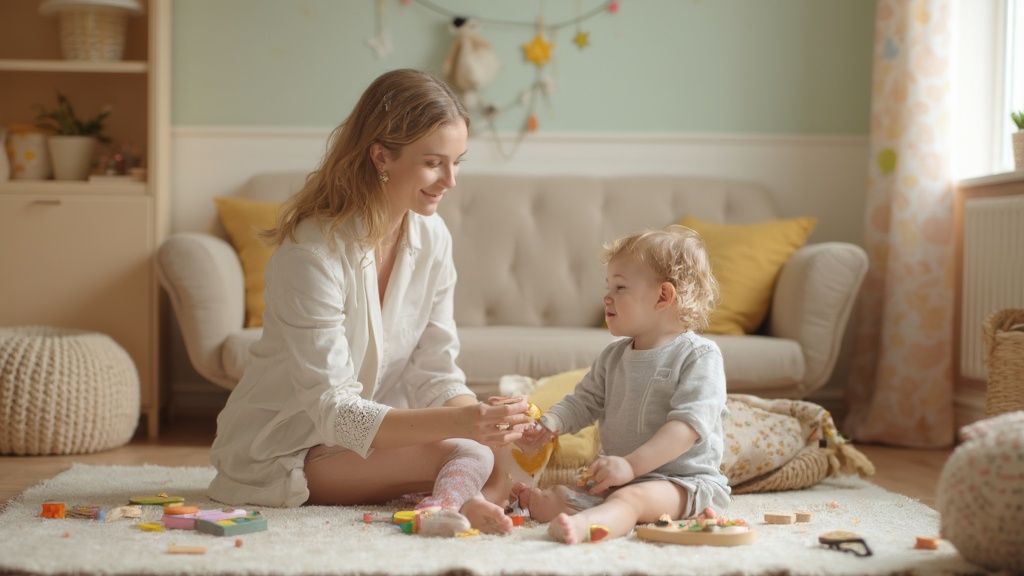
Individuals with mild autism, also known as high-functioning autism, exhibit a range of traits and behaviors that reflect their unique neurodevelopmental profiles. This spectrum condition affects each person differently, with varying degrees of challenges in social situations, sensory sensitivities, and engaging in repetitive behaviors. Early identification of autism spectrum disorder (ASD) is crucial for timely access to interventions that support individuals in leading fulfilling lives.
Recent advances in research, such as the use of machine learning models, show promise in revolutionizing early diagnosis and intervention strategies. Understanding the signs and characteristics of mild autism is essential for fostering inclusive and supportive environments that empower every individual to thrive.
Individuals with , often referred to as high-functioning autism, display a constellation of traits and behaviors that reflect their unique neurodevelopmental profiles. This spectrum condition, which includes a diverse range of autistic manifestations, affects each person differently and to varying degrees. Despite having average or above-average intellectual abilities and less pronounced challenges with speech and communication, these individuals often encounter substantial difficulties in social situations, exhibit sensory sensitivities, and engage in repetitive behaviors.
[Early identification of autism spectrum disorder](https://rori.care/post/exploring-the-effectiveness-of-pivotal-response-treatments-for-autism) (ASD) is pivotal, as it enables timely access to interventions that can support individuals in leading fulfilling lives. Diagnosis typically involves a combination of parent or caregiver observations and professional assessments, as outlined by the American Psychiatric Association's DSM-5 criteria. It's important to note that no singular assessment tool can conclusively diagnose ASD; instead, a comprehensive evaluation that may include referrals to specialists is necessary.
Recent advances in research, such as the use of machine learning models like AutMedAI, have shown promise in identifying patterns indicative of autism in children as young as under two years old, with an accuracy rate of approximately 80%. These models analyze various parameters that do not require extensive assessments and medical tests, thereby potentially revolutionizing early diagnosis and intervention strategies.
Moreover, it's crucial to recognize that autism is not a one-size-fits-all diagnosis; individuals on the spectrum may also face an increased risk of co-occurring physical and mental health issues, which can impact their overall well-being and life expectancy. Studies have indicated that autistic individuals are significantly more likely to have physical health conditions compared to non-autistic individuals and may experience unmet healthcare needs.
Understanding the signs, characteristics, and traits of mild autism is not only vital for those directly affected but also for society at large to foster environments that are more inclusive and supportive of neurodiversity. This knowledge empowers us to ensure that every individual has the opportunity to thrive.
Navigating social interactions can be particularly challenging for individuals with mild autism, who might find it tough to grasp verbal and nonverbal communication nuances. This includes interpreting social cues like body language and facial expressions, maintaining eye contact, and reciprocating in conversations. Such challenges often result in a feeling of isolation and can hinder the development of meaningful relationships. Insights from research emphasize the importance of recognizing and leveraging the unique communication strengths that individuals with autism bring to the table. For instance, while some may excel at making requests or showing empathy, others might find it easier to engage in conversations through structured questions or alternative communication methods like the Picture Exchange Communication System (PECS), or simply typing instead of speaking. Researchers stress the significance of early intervention in social communication to build a foundation for future verbal skills. Focusing on preverbal forms of communication, such as joint attention, can be a critical step towards enhancing language abilities later in life.
The societal expectation to conform can pose additional stress for individuals with autism, particularly in cultures that emphasize uniformity, such as in Japan. The pressure to mask autistic traits to fit in with societal norms can significantly impact mental health. This phenomenon, known as 'social camouflage,' has yet to be fully explored, especially regarding its effects on mental well-being in non-Western societies. Moreover, research underscores the disparities in health outcomes for autistic individuals, including a higher risk of co-occurring conditions and decreased life expectancy, which may be linked to various neurological and mental health issues. Understanding these challenges is crucial in developing supportive strategies that respect and accommodate the , aiming to foster their inclusion and well-being in society.

Individuals with mild autism often exhibit repetitive movements and a deep adherence to specific routines or activities, which can be understood as manifestations of predictable patterns that offer comfort. For example, hand-flapping or rocking are physical expressions that can serve as coping mechanisms for managing sensory processing or emotional regulation. However, these repetitive behaviors, while providing a sense of security and stability, can impact daily life by limiting adaptability and openness to new experiences.
The American Psychiatric Association's Diagnostic and Statistical Manual (DSM-5) notes that such behaviors are a core aspect of the autism spectrum, which includes restricted and repetitive patterns of behavior, activities, and interests. These can range from simple motor stereotypes to an insistence on sameness, and difficulties with transitions. Intense fixations on particular interests are also common, and while they may lead to high levels of expertise in certain areas, they can simultaneously result in challenges, particularly when there is a need to switch attention or engage in various social contexts.
Research has shown that autism is a complex neurodevelopmental condition with a prevalence estimated by the CDC to occur in as many as 1 in 36 individuals. Despite the lack of a single known cause for autism, genetic factors have been implicated. Novel research approaches, such as a genetics-first model, have the potential to revolutionize our understanding and treatment of autism by identifying brain structure patterns associated with genetic variations. This connection between brain morphology and autism's genetic underpinnings was highlighted in a study published in the journal Science Advances, which used transport-based morphometry to reveal these critical patterns.
Moreover, studies tracking development from childhood into adulthood have found that while some symptoms of autism and maladaptive behaviors tend to improve over time, this progression is not always linear. Improvements in adaptive skills and a decrease in maladaptive behaviors compared to childhood have been observed, but these advancements often taper off after the transition from adolescence to adulthood. This indicates a need for throughout an individual's life to maximize their potential and quality of life.

Individuals experiencing mild autism spectrum disorder (ASD) often encounter challenges with sensory processing, which manifests as either an increased or decreased sensitivity to sensory input. This can include . Sensory sensitivities are a core symptom of ASD and can contribute to significant discomfort and distress.
For some, the world can seem excessively loud or unbearably bright, leading to sensory overload and a need for a quieter, dimmer environment. Others may seek out more intense sensory experiences to feel grounded. These sensory processing difficulties are not only central to the condition, but they also profoundly affect a person's behavior, learning, and development.
The impact of these sensitivities is substantial, as they can alter the way an individual with mild autism interacts with their environment, influencing both their social interactions and their capacity to cope with everyday stimuli. For instance, the noise in a bustling classroom or the flickering lights in a supermarket can be overwhelming. Recognizing and respecting these sensory preferences is crucial in shaping a supportive and accommodating environment, whether it be at home, school, or in the workplace.
Professional guidance can be invaluable in addressing these sensory challenges. Engaging with educational webinars and informative series led by specialists in autism can equip caregivers and educators with the understanding and strategies needed to effectively support those with mild autism. Tailored approaches that acknowledge each person's unique sensory profile can enhance their quality of life and enable them to navigate the world with greater ease.
Understanding the nuances of , often referred to as a spectrum condition, is fundamental for early identification and assistance. Children with mild autism may exhibit a diverse range of behaviors, including but not limited to, persistent differences in communication, challenges in social interactions, and restricted, repetitive patterns of behavior or interests. For example, they might repeat phrases (echolalia), demonstrate an exceptional focus on specific subjects, or show unusual responses to sensory stimuli.
The complexity of autism requires a professional diagnosis, particularly as it's based on criteria outlined in the DSM-5, such as the degree and nature of social interaction across various settings. The Centers for Disease Control and Prevention (CDC) estimate that up to 1 in 36 individuals may be on the autism spectrum, underscoring the importance of awareness and early screening.
Research underscores the importance of early and accurate diagnosis, which can lead to effective interventions. Recent shifts in study approaches, favoring randomized-controlled trials over quasi-experimental studies, aim to better evaluate intervention efficacy and support individuals with autism and their caregivers amid a landscape of diverse and sometimes conflicting treatment options.
It's also crucial to recognize that while the internet is a resource for information, verification with healthcare professionals is essential, especially when considering the benefits and risks of medications and interventions. As one expert puts it, "Caregivers are responsible for understanding their child's medications, weighing the risks against the benefits, and observing changes in their behavior." Moreover, the lived experience of those with autism can be inspirational, with one parent noting, "Autism, in many ways, has been a gift to my family."
Understanding the nuances of mild autism, particularly in adults, can be challenging due to its less apparent nature. Individuals with mild autism may have developed various strategies to cope with daily life, which can sometimes mask the symptoms. However, they often face difficulties with social interaction, communication, and adapting to change. For many, grasping social cues and maintaining steady employment are hurdles, and establishing enduring personal relationships can be taxing.
The journey toward a diagnosis of autism in adulthood is not always clear-cut. The neurodivergent community acknowledges the validity of self-diagnosis, especially considering the limitations and inconclusive outcomes that can arise from formal medical assessments. For some, an official diagnosis is less about validation and more about personal clarity or helping others recognize and accept their situation.
Recent research has highlighted a concerning trend: a vast majority of mild cognitive impairment cases, which can be an early indication of conditions like Alzheimer's, go undiagnosed. This reflects a broader issue that many adults with mild autism may also face – their symptoms might not be recognized or understood by healthcare professionals, leading to a lack of diagnosis and support.
With an estimated 1 in 45 adults in the U.S. diagnosed with autism spectrum disorder, it's clear that there are many more who live without a diagnosis, possibly due to misdiagnosis or simply never identifying the within themselves. Understanding adult autism's hallmark signs, such as challenges in social communication and repetitive behaviors, is crucial for recognition and support.
Moreover, socioeconomic and clinical factors play a significant role in the prevalence and recognition of cognitive impairments, affecting disadvantaged groups disproportionately. Therefore, raising awareness among both the public and healthcare providers is essential to improve early detection and intervention, which can significantly benefit those affected by such conditions.
Identifying mild autism, a spectrum condition with diverse manifestations, requires a comprehensive evaluation process by healthcare professionals. It's essential to observe the individual's social behaviors and communication abilities, often through direct observation and standardized diagnostic tools. This process may also include discussions with parents or caregivers to gather a complete developmental history. Early and accurate diagnosis is pivotal to ensuring tailored support and access to effective interventions. With that 1 in 45 adults in the U.S. has autism spectrum disorder (ASD), recognizing the signs is critical for improving outcomes. Conditions like OCD might be mistaken for autism's repetitive behaviors; thus, distinguishing these is a key aspect of the diagnosis. According to recent news, advancements in technologies such as an AI-powered app, SenseToKnow, aim to streamline the diagnostic process for ASD by analyzing a child's reactions to specific stimuli. These tools represent the forefront of efforts to provide diagnoses as early as possible, as early intervention is associated with better prognosis. Moreover, self-identification within the neurodivergent community is respected, and individuals may choose not to pursue formal testing if it does not impact their access to necessary resources. However, understanding the signs and traits of autism can empower individuals to seek the support they need to thrive. As the clinical definition of ASD includes persistent differences in social interaction and restricted, repetitive behaviors, recognizing these traits can be the first step toward a diagnosis and subsequent support.
Individuals with mild autism exhibit a unique set of signs and characteristics that, while sometimes subtle, can significantly impact their daily lives. Recognizing these traits early on is critical in providing the to foster their development and well-being. Evidence-based practices such as Applied Behavior Analysis (ABA) therapy have been instrumental in improving social and communication skills, mitigating challenging behaviors, and encouraging greater independence.
Interventions must be chosen with care, as recent shifts in autism research favor randomized controlled trials over quasi-experimental studies to ensure the most effective outcomes. As research advances, interventions like speech and language therapy, occupational therapy, and social skills training continue to be invaluable resources for individuals with mild autism. Embracing the principles of the neurodiversity movement, the goal is not to 'cure' but to support and enhance the unique abilities of each individual.
Creating an inclusive environment at home, in schools, and within the community is fundamental. The Kevin and Avonte Program, for instance, addresses the challenging issue of wandering and elopement, showcasing the importance of tailored local initiatives. Additionally, state Medicaid plans play a critical role in ensuring that individuals with autism have access to necessary care and services.
Moreover, the concept of social validation is gaining traction, involving community members in evaluating the goals, procedures, and outcomes of interventions. This approach ensures that the support provided aligns with the values and expectations of the community, fostering a sense of belonging and acceptance for individuals with autism.
In the context of a rapidly evolving society, it is vital that individuals with mild autism are supported in a way that allows them to participate fully in all aspects of life. As Dr. David (Dan) R. Offord poignantly expressed, ensuring that 'the race is fair' for children, including those with disabilities, is a cornerstone of equity and mental health. It is a commitment to recognizing their needs, valuing their contributions, and providing them with the resources needed for a healthy, engaged, and peaceful life.
In conclusion, individuals with mild autism exhibit unique traits and behaviors that reflect their neurodevelopmental profiles. Early identification of autism spectrum disorder (ASD) is crucial for accessing timely interventions. Recent advances in research, such as machine learning models, show promise in revolutionizing early diagnosis and intervention strategies.
Understanding the signs and characteristics of mild autism is essential for creating inclusive and supportive environments.
Navigating social interactions can be challenging for individuals with mild autism. Recognizing and leveraging their unique communication strengths is important. Repetitive behaviors provide a sense of security but can limit adaptability to new experiences.
Sensory sensitivities are a core symptom of ASD and can cause discomfort and distress. Understanding these sensitivities is crucial for shaping supportive environments. Early identification and assistance are fundamental for children with mild autism, who may exhibit differences in communication and social interactions.
Recognizing the nuances of mild autism in adults can be challenging. They often face difficulties with social interaction, communication, and adapting to change. Identifying mild autism requires a comprehensive evaluation process by healthcare professionals.
Individuals with mild autism have unique signs and characteristics that impact their daily lives. Providing the right support and interventions is crucial for their development and well-being. Creating inclusive environments and embracing the principles of the neurodiversity movement are essential.
Interventions such as ABA therapy, speech and language therapy, occupational therapy, and social skills training have improved social and communication skills. Ensuring equity and mental health for individuals with mild autism involves recognizing their needs and providing necessary resources for a healthy, engaged, and peaceful life.
What is mild autism?
Mild autism, often referred to as high-functioning autism, is part of the broader autism spectrum disorder (ASD). Individuals with mild autism usually have average or above-average intellectual abilities and milder speech and communication challenges, but they may still face significant difficulties in social situations, have sensory sensitivities, and exhibit repetitive behaviors.
How is autism spectrum disorder diagnosed?
Diagnosis of autism spectrum disorder involves a combination of observations by parents or caregivers and professional assessments based on the DSM-5 criteria. No single assessment tool is definitive, and comprehensive evaluations often include referrals to specialists.
What recent advances have been made in the early diagnosis of autism?
Advances such as the use of machine learning models like AutMedAI have shown promise in identifying patterns indicative of autism in children as young as under two years old, with approximately an 80% accuracy rate. These models analyze various parameters without the need for extensive assessments and medical tests.
What are some social communication challenges faced by individuals with mild autism?
Individuals with mild autism may struggle to interpret social cues, maintain eye contact, and reciprocate in conversations. They might find it challenging to grasp verbal and nonverbal communication nuances, which can lead to isolation and hinder the development of meaningful relationships.
What are repetitive behaviors and restricted interests in the context of mild autism?
Repetitive behaviors, such as hand-flapping or rocking, and restricted interests, like intense focus on specific subjects, are common in individuals with mild autism. These behaviors offer a sense of security but can limit adaptability and openness to new experiences.
How do sensory sensitivities affect individuals with mild autism?
Sensory sensitivities in individuals with mild autism can lead to increased or decreased reactions to sensory input, such as loud noises or bright lights, which can cause discomfort and affect their interaction with their environment.
What are some signs of mild autism in children?
Signs of mild autism in children include persistent differences in communication, challenges in social interactions, and repetitive patterns of behavior or interests, such as echolalia or unusual responses to sensory stimuli.
How is mild autism identified in adults?
Adults with mild autism may have developed coping strategies that can mask symptoms, but they often face difficulties with social interaction, communication, and adapting to change. An official diagnosis can provide personal clarity and help others recognize and accept their condition.
What role do socioeconomic and clinical factors play in the recognition of autism?
Socioeconomic and clinical factors significantly affect the prevalence and recognition of autism, with disadvantaged groups being disproportionately affected. Raising awareness among the public and healthcare providers is essential for early detection and intervention.
What types of support and intervention are available for individuals with mild autism?
Support and intervention for individuals with mild autism include evidence-based practices like Applied Behavior Analysis (ABA) therapy, speech and language therapy, occupational therapy, and social skills training. The goal is to support and enhance the individual's unique abilities and create inclusive environments.