Introduction
Many parents find themselves feeling overwhelmed when it comes to helping their children with autism get a good night's sleep. With nearly 80% of autistic youth experiencing sleep difficulties, understanding these issues is crucial for fostering better rest and overall well-being. This article explores how Applied Behavior Analysis (ABA) methods can make a real difference, offering practical strategies that can significantly improve sleep quality for children with autism.
Could structured routines and positive reinforcement be the secret to those restful nights? Let’s explore this together and see how we can find new ways to help everyone sleep better!
Understand Sleep Challenges in Children with Autism
Navigating sleep challenges with children who have autism can feel like an uphill battle for many parents. These little ones often face a variety of sleep issues that can really impact their daily lives and overall happiness. Here are some common challenges:
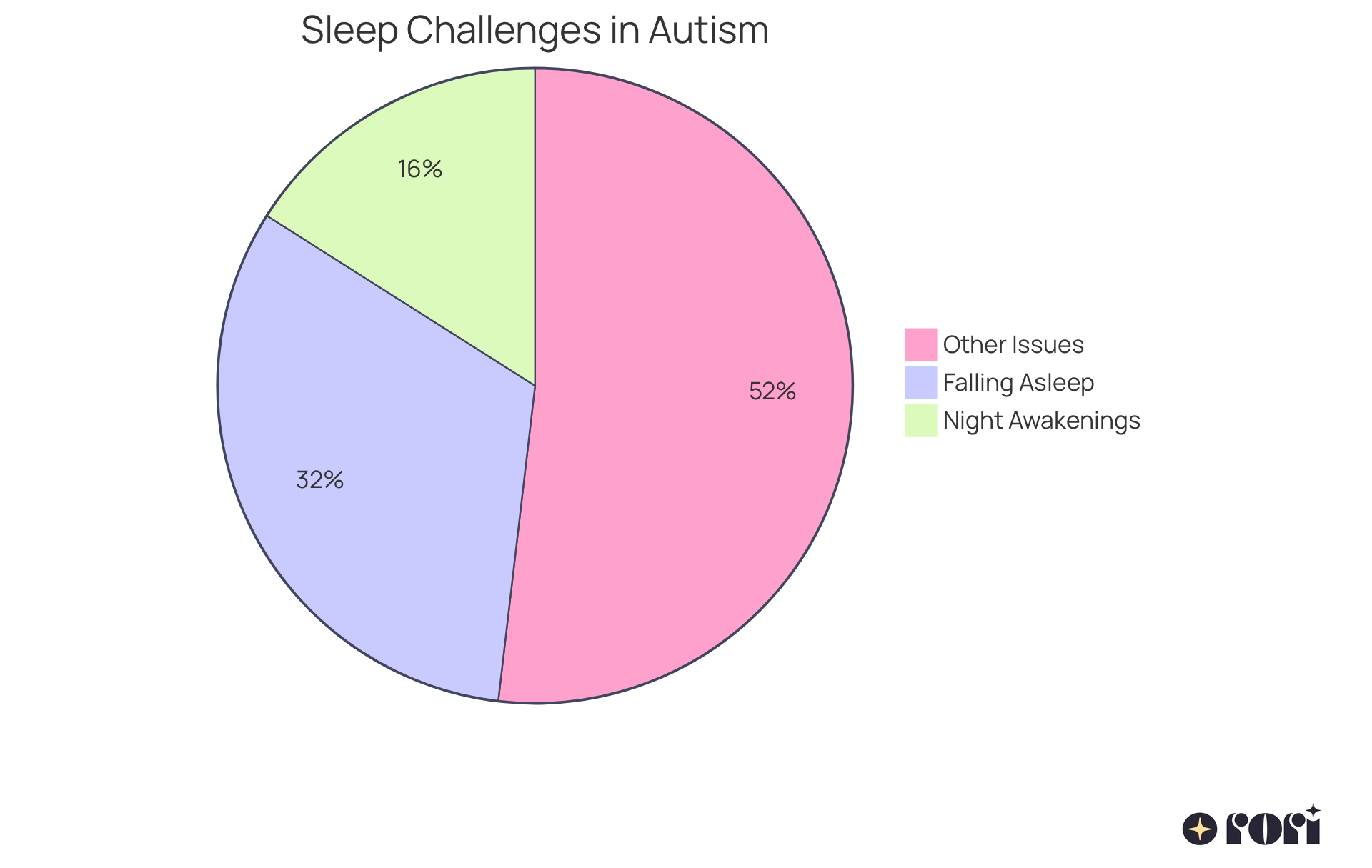
- Difficulty falling asleep: Many kids resist bedtime or take longer to settle down, often due to anxiety or sensory sensitivities. Did you know that about 48.6% of young children with autism aged 1-3 struggle to fall asleep?
- Frequent night awakenings: It’s not uncommon for these kiddos to wake up several times during the night, which can throw their sleep cycles off. Research shows that 24.2% of youngsters in this age group report waking up frequently at night.
- Early morning waking: Some kids might wake up way earlier than anyone would like, which can really affect their mood and behavior throughout the day. This early rising can lead to more behavior problems and attention issues during the day.
- Sleep issues: Conditions like insomnia, sleep apnea, and restless legs syndrome are more common among children with autism. Alarmingly, studies indicate that up to 78.4% of youths with autism face sleep difficulties, compared to just 34.5% of their typically developing peers.
Recognizing these challenges is key to finding effective solutions. As parents and guardians, it’s important to keep an eye on your child’s sleep patterns and behaviors. By identifying specific issues, you can take meaningful steps toward improving their rest and overall happiness. Let’s explore this together!
Implement ABA Strategies for Sleep Improvement
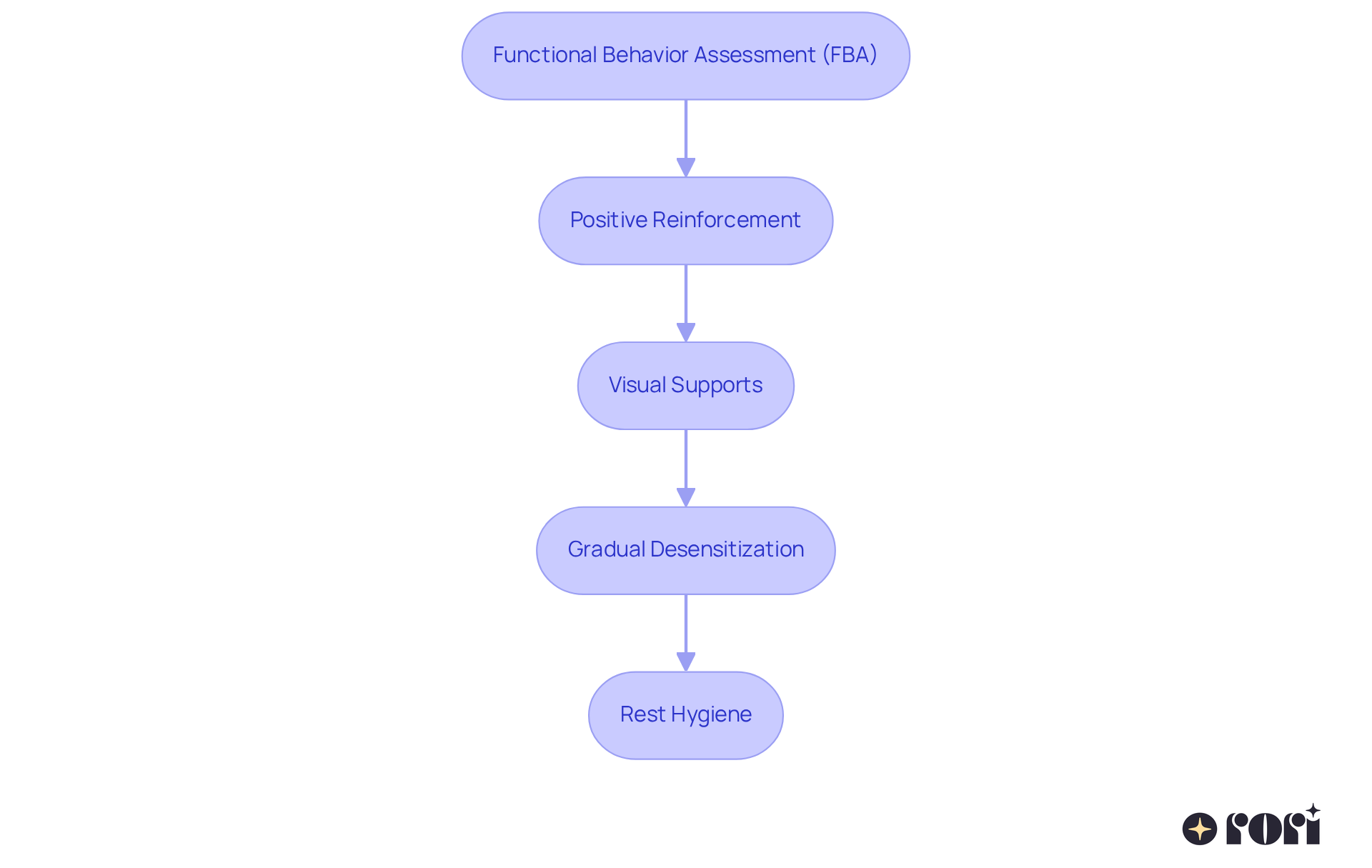
If your child with autism struggles to get a good night's sleep, consider using ABA methods to address sleep difficulties in children with autism, as you're not alone! Many parents face this challenge, and they can try helpful strategies, such as using ABA methods to address sleep difficulties in children with autism. Let’s start with a Functional Behavior Assessment (FBA). This means taking a closer look at your child's sleep habits and figuring out what might be causing those restless nights.
Next up is positive reinforcement! Think of it as a way to cheer on your little one when they stay in bed or drift off to sleep on their own. Setting clear goals and celebrating their successes can make a big difference.
Visual supports can be a game changer! Try making a fun visual schedule that shows your child what to expect during their evening routine. This can help ease any anxiety they might have about bedtime.
If your child feels anxious about bedtime, gradual desensitization can help. This means gently introducing them to what makes them nervous, step by step, while reinforcing calm behavior.
Lastly, let’s talk about rest hygiene! Share some cozy bedtime practices with your child, like turning off screens before bed and creating a calming atmosphere. By implementing these strategies, including using ABA methods to address sleep difficulties in children with autism, you can help your child find comfort in their bedtime routine, paving the way for restful nights ahead.
Establish Consistent Bedtime Routines
Did you know that many kids with autism struggle with sleep? It’s a common challenge that can really affect their day-to-day life! Creating a regular nightly routine is essential for using ABA methods to address sleep difficulties in children with autism to improve their rest quality. Here are some effective steps to create a successful routine:
- Set a Regular Bedtime: Designate a specific bedtime each night and stick to it, even on weekends. This consistency helps manage your child's internal clock, which is key for better sleep. Keeping a regular bedtime can really help kids behave better and feel more secure!
- Incorporate Calming Activities: Engage in calming activities before bed, like reading a book or taking a warm bath. These activities signal to your child that it’s time to wind down, promoting emotional regulation and a smoother transition to sleep. Plus, these moments can strengthen your bond with your child!
- Utilize a Visual Schedule: Implement a visual schedule that outlines each step of the nightly routine. This can include tasks like brushing teeth and changing into pajamas. Using simple visual schedules can make bedtime easier and more predictable for your child!
- Limit Stimulation: Reduce stimulating activities and screen time at least an hour before bedtime. Instead, focus on calm, soothing activities that promote relaxation. Positive reinforcement can encourage your child to stick to these routines, using rewards like praise or small treats.
- Establish a Relaxing Rest Space: Make sure the bedroom is cozy for sleeping by keeping it dark, quiet, and at a comfortable temperature. Small adjustments, like blackout curtains or a white noise machine, can make a big difference in your child’s sleep experience.
By creating these routines using ABA methods to address sleep difficulties in children with autism, you can help your kids develop self-discipline and better sleep skills, leading to a more harmonious home atmosphere. Kids who stick to regular bedtime routines often sleep better, stay asleep longer, and wake up less during the night. So, let’s explore this together! You’ve got this, and we’re here to help you every step of the way!

Engage Parents in the ABA Sleep Intervention Process
Navigating the world of ABA rest interventions can feel like a daunting task for parents, can’t it? Here are some friendly ways to engage parents effectively:
- Education and Training: Let’s dive into how we can help parents learn about ABA principles and apply them at home! Recognizing the significance of consistency and reinforcement can empower caregivers to make informed choices that positively impact their child’s progress and ease their stress.
- Collaborative Goal Setting: Let’s work together with parents to set some realistic sleep goals for their little ones! Involving them in this process boosts their investment in the intervention and helps them provide the right support at home, which can lead to happier family dynamics.
- Regular Communication: Keeping the conversation going with parents is key! Frequent check-ins can help address concerns, share progress, and adjust strategies as needed, creating a collaborative environment that enhances behavioral outcomes.
- Encourage Consistency: Let’s remind parents how important it is to stick to those bedtime routines, even when things get tough! Following through with established routines reinforces their vital role in the therapeutic process.
- Provide Resources: We can share helpful resources like articles and visual aids that parents can use to track their child’s progress! This not only supports their child’s development but also boosts caregivers’ confidence in their ability to help.
By taking these steps, you’re not just helping your child; you’re also creating a more harmonious family environment that everyone can enjoy.

Monitor Progress and Adjust Interventions
Navigating sleep challenges can feel like a daunting task for many parents, but there are simple steps you can take to make it easier. Here are some key steps to follow:
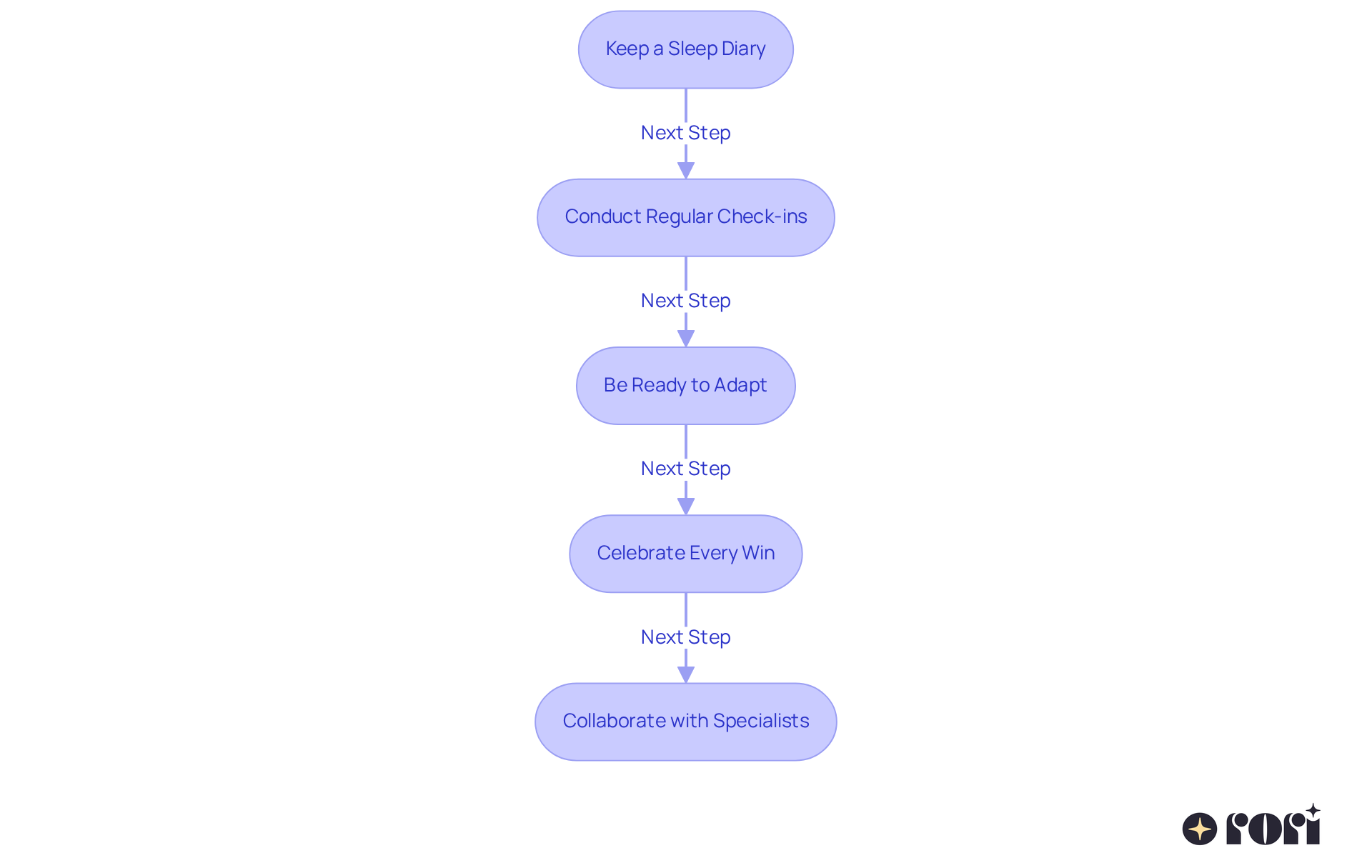
- Let’s talk about sleep diaries! Keeping track of your child's sleep patterns - like when they go to bed and wake up - can really help you spot trends and make improvements. This documentation is crucial, as studies indicate that about 80 percent of autistic youth experience sleep issues, which can be tackled by using ABA methods to address sleep difficulties in children with autism. Dr. Rashmi Adiga emphasizes that sleep diaries are useful tools when considering using ABA methods to address sleep difficulties in children with autism.
- Regular check-ins are key! By taking a moment to see how things are going, you can feel more in control and notice any changes in your child's sleep habits. This can include direct observations and feedback from you about your child's rest behaviors. Research shows that consistent evaluations can significantly enhance the success of sleep interventions, particularly when using ABA methods to address sleep difficulties in children with autism. Your active participation in these evaluations helps you make informed choices that positively influence your child's progress.
- Be ready to adapt! Based on what you find in your sleep diaries and assessments, don’t hesitate to change things up if something isn’t working. If a particular approach isn’t yielding results, consider trying something new or tweaking your existing plan. As Dr. Rashmi Adiga observes, understanding sleep issues can help parents effectively support their children's unique sleep requirements by using ABA methods to address sleep difficulties in children with autism. The behavior care engine at Rori Care updates intervention plans based on progress report data, ensuring that strategies remain adaptive and effective, thereby enhancing caregiver support and informed decision-making.
- Celebrate every little win! Acknowledge and celebrate improvements, no matter how small. Positive reinforcement for both your child and yourself can motivate continued efforts, creating a supportive environment for change. This recognition boosts your confidence and reduces stress, contributing to improved family dynamics.
- Teamwork makes the dream work! Collaborate closely with other specialists involved in your child's care, like therapists and pediatricians. This teamwork can lead to more effective management strategies tailored to your child's specific needs, particularly when using ABA methods to address sleep difficulties in children with autism, reinforcing the importance of a team-based approach in ABA therapy.
When you work together with professionals and celebrate every little win, you’re not just helping your child sleep better; you’re building a stronger family bond.
Conclusion
It can feel overwhelming when your child struggles to sleep through the night, especially when you’re doing everything you can to help. Navigating sleep challenges for children with autism is no small feat, but using ABA methods can really make a difference in their sleep quality. By understanding the unique sleep difficulties they face - like trouble falling asleep, waking up frequently, or rising too early - parents can take proactive steps to foster better sleep habits and overall well-being.
Key strategies include:
- Conducting a Functional Behavior Assessment to pinpoint specific sleep issues.
- Using positive reinforcement to encourage good behaviors.
- Setting up consistent bedtime routines that include calming activities.
It’s so important to engage parents in this process through education, collaborative goal setting, and regular check-ins. Plus, keeping track of progress with sleep diaries and being open to tweaking interventions helps ensure that strategies stay effective and tailored to each child’s needs.
When sleep improves, everyone in the family can breathe a little easier. These approaches do more than just help with sleep; they create a more harmonious family environment and enhance the quality of life for both the child and their caregivers. By embracing these techniques, you’re not just helping your child sleep better; you’re creating a happier home for everyone.
Frequently Asked Questions
What are common sleep challenges faced by children with autism?
Common sleep challenges include difficulty falling asleep, frequent night awakenings, early morning waking, and various sleep issues like insomnia and sleep apnea. Approximately 48.6% of young children with autism struggle to fall asleep, and 24.2% wake up frequently at night. Up to 78.4% of youths with autism experience sleep difficulties.
How can parents recognize sleep challenges in their children with autism?
Parents can recognize sleep challenges by monitoring their child's sleep patterns and behaviors. Identifying specific issues such as resistance to bedtime, waking during the night, or early rising can help in finding effective solutions to improve their child's sleep.
What is a Functional Behavior Assessment (FBA) in the context of sleep improvement for children with autism?
A Functional Behavior Assessment (FBA) involves closely examining a child's sleep habits to identify the underlying causes of their sleep difficulties. This assessment helps guide the development of targeted strategies to improve sleep.
How can positive reinforcement be used to help children with autism sleep better?
Positive reinforcement involves encouraging and rewarding children when they stay in bed or fall asleep independently. Setting clear goals and celebrating their successes can motivate them to develop better sleep habits.
What role do visual supports play in improving sleep routines for children with autism?
Visual supports, such as a fun visual schedule, can help children understand what to expect during their evening routine. This can reduce anxiety related to bedtime and promote a smoother transition to sleep.
What is gradual desensitization and how can it assist children with autism at bedtime?
Gradual desensitization is a technique that involves slowly introducing a child to bedtime-related anxieties in a step-by-step manner while reinforcing calm behavior. This approach can help ease their fears and make bedtime less stressful.
What are some recommended practices for sleep hygiene for children with autism?
Recommended sleep hygiene practices include turning off screens before bed and creating a calming atmosphere to promote relaxation. Establishing cozy bedtime rituals can help children feel more comfortable and ready for sleep.
List of Sources
- Understand Sleep Challenges in Children with Autism
- Sleep Issues in Autism - Beth Malow, M.D. (https://autism.org/sleep-issues-in-autism-beth-malow-m-d)
- Frontiers | Analysis of sleep problem in children aged 1–3 years with autism spectrum disorder in Zhejiang province, China (https://frontiersin.org/journals/psychiatry/articles/10.3389/fpsyt.2022.923757/full)
- Autism in Children and Sleep | Sleep Health Foundation (https://sleephealthfoundation.org.au/sleep-topics/austism-in-children-and-sleep)
- Establish Consistent Bedtime Routines
- The Impact of Sleep Dysregulation on Autism (https://med.stanford.edu/csasd/sleepautism.html)
- Sleep | Autism Speaks (https://autismspeaks.org/sleep)
- Consistent bedtime linked with better child emotion and behavior regulation | Penn State University (https://psu.edu/news/health-and-human-development/story/consistent-bedtime-linked-better-child-emotion-and-behavior)
- How ABA Therapy Helps Children Follow Bedtime Routines (https://newpatternsaba.com/blog/how-aba-therapy-helps-children-follow-bedtime-routines)
- Monitor Progress and Adjust Interventions
- Exploring the connection between autism and sleep (https://thetransmitter.org/spectrum/exploring-the-connection-between-autism-and-sleep)
- Sleep diary to note sleep-related troubles in a child with Autism - Nayi Disha (https://nayi-disha.org/article/autism/maintain-sleep-diary-note-sleep-related-troubles-child-autism)
- Why We Sleep Quotes by Matthew Walker (https://goodreads.com/work/quotes/55587034-why-we-sleep-unlocking-the-power-of-sleep-and-dreams)