Introduction
Many parents find it tough to encourage their children with autism, and that’s completely understandable! Using positive reinforcement is key to shaping behaviors, celebrating those little wins, and keeping kids engaged in daily activities! But figuring out what works best for each child can be a real challenge! So, how can parents find the right techniques that not only work but also grow with their child? Let's explore this together!
Define Positive Reinforcement in Autism Therapy
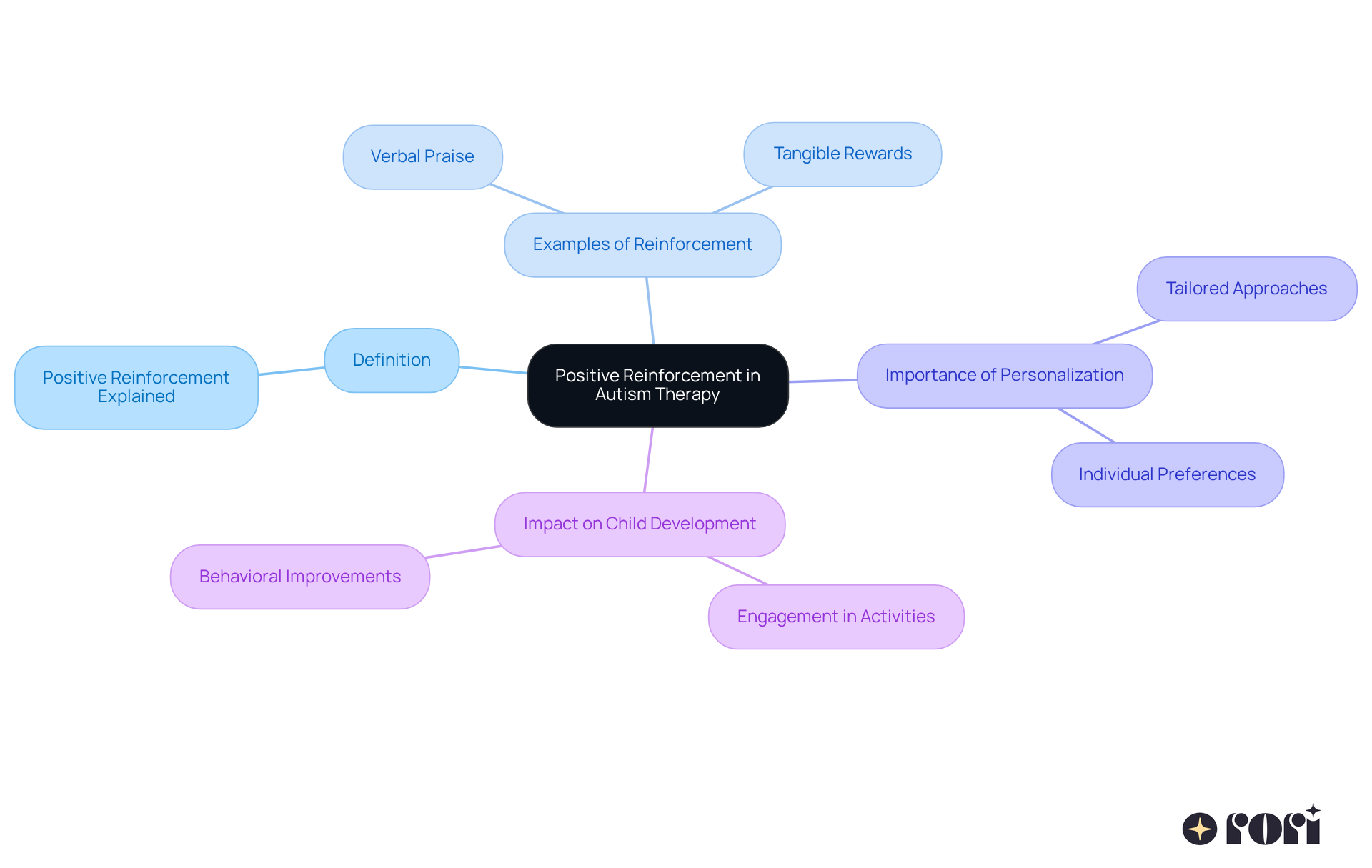
Many parents find it challenging to know how to encourage their little ones effectively, especially when it comes to autism therapy. Positive encouragement is all about celebrating those little wins right when they happen! This can be as simple as giving a cheerful 'Great job!' or rewarding them with a sticker when they follow directions. What matters most is that the reward means something special to your child, making them want to repeat that good behavior!
This method is just one piece of a bigger puzzle that helps kids with autism, ADHD, and learning challenges thrive! By focusing on personalized planning and measurable goals, caregivers can effectively use these principles to support their child's development. When parents are using reinforcement to shape behaviors in children with autism, they often see their children thriving and becoming more engaged in activities. Let’s explore this together and see how you can make a difference!
Choose Effective Reinforcement Strategies
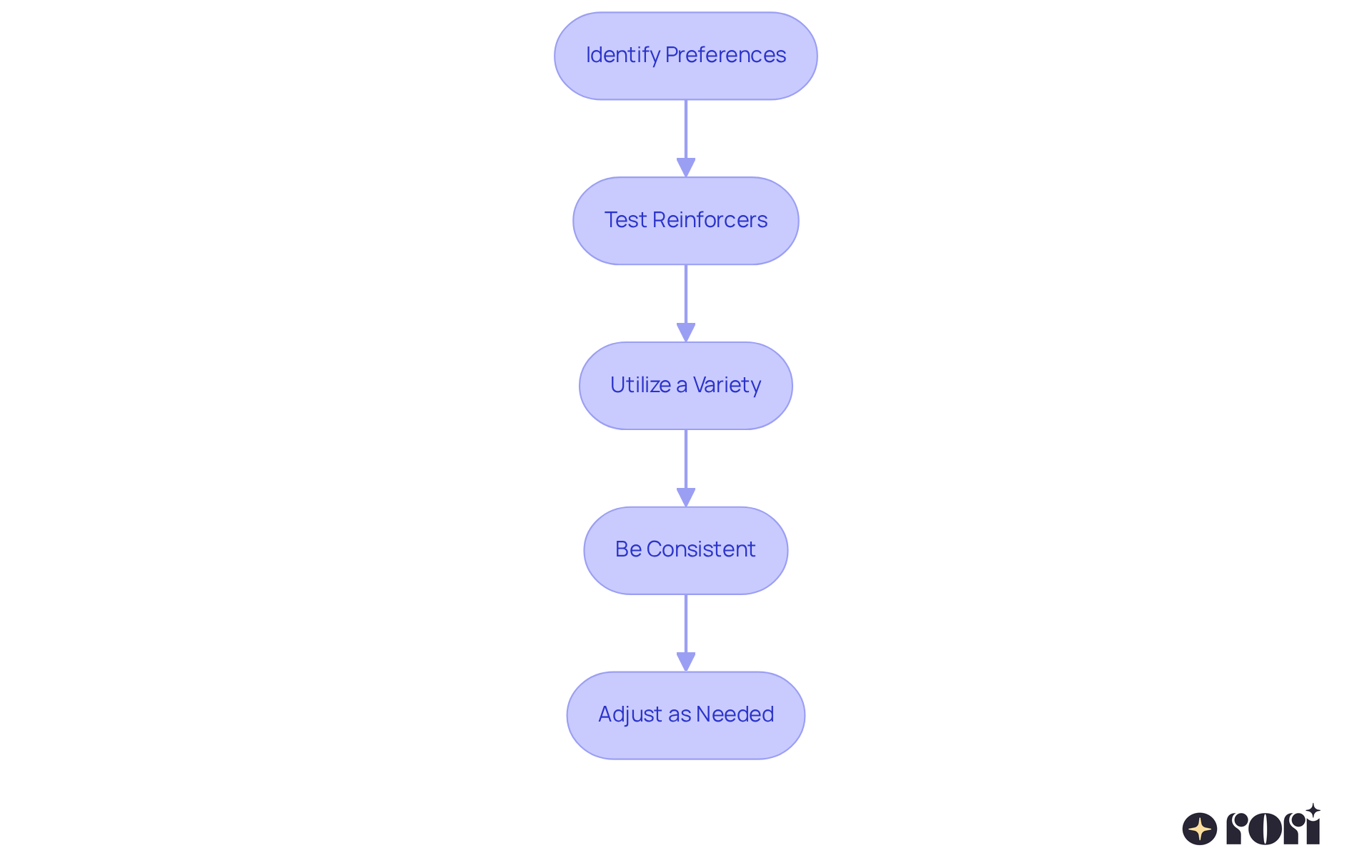
Ever wonder what really gets your child excited and motivated? Start by observing what lights them up! Here are some steps to guide you in this process:
- Identify Preferences: Make a fun list of things your child loves, whether it’s toys, games, or even playdates. Knowing what they enjoy is key for you as a caregiver, helping you make choices that positively influence their growth.
- Test Reinforcers: Try out different rewards during activities and watch how your child reacts. Take note of what brings out those big smiles! Finding what resonates with your little one can really help them understand the behaviors you want to encourage by using reinforcement to shape behaviors in children with autism.
- Utilize a Variety: Mix it up with different types of rewards - think stickers or small toys for tangible incentives, praise or high-fives for social ones, and extra playtime for activity-based rewards. Balancing these keeps your child engaged and excited about learning!
- Be Consistent: Use those chosen rewards right after your child does something great - it helps them connect the dots! Consistency builds trust and security, making them more open to learning. Additionally, the knowledge you gain as a caregiver enhances your confidence in using reinforcement to shape behaviors in children with autism.
- Adjust as Needed: Keep an eye on how well those rewards are working. As your child grows and their interests change, it’s important to tweak your strategies. Staying in tune with their evolving interests can make all the difference in nurturing their growth and happiness.
Implement Reinforcement Techniques in Daily Life
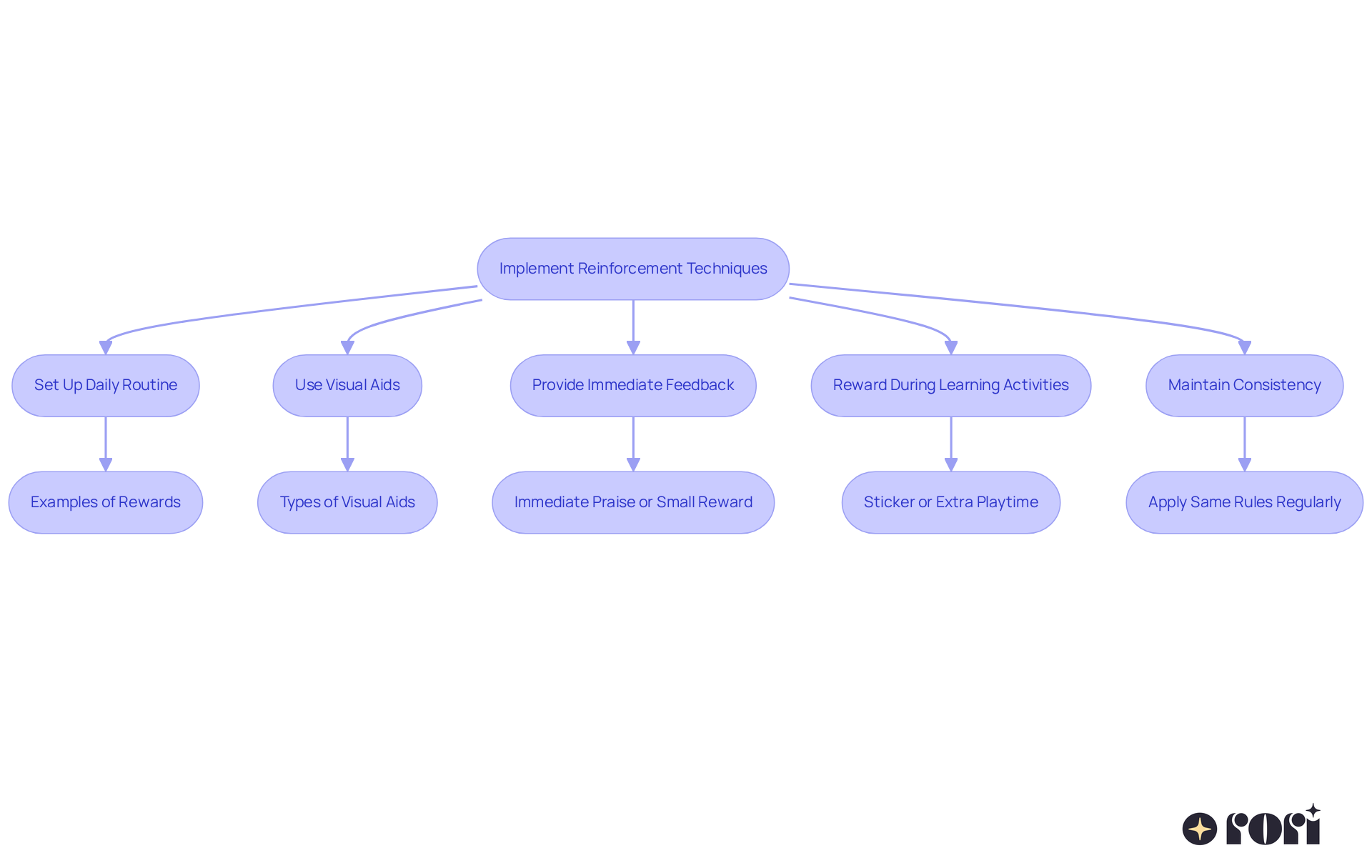
Let’s face it, keeping up with our kids’ behavior can be a real challenge! To effectively implement reinforcement techniques in daily life, consider using reinforcement to shape behaviors in children with autism by setting up a daily routine that includes chances to reinforce good behavior! For example, during mealtime, you can make finishing vegetables more appealing by promising a favorite dessert. This way, kids can look forward to rewards, making them more likely to do what you want!
Visual aids can also work wonders. A colorful chart showing daily activities along with the rewards can help kids see when they’ll get their reinforcement. It nurtures a sense of achievement and encourages them to complete tasks.
Keep an eye out for those little moments when your child does something great! If they share a toy or follow a direction, give them immediate praise or a small reward. This quick feedback strengthens the link between their actions and the positive outcome, demonstrating the effectiveness of using reinforcement to shape behaviors in children with autism, making it more likely they’ll repeat the behavior.
During learning activities, sprinkle in some encouragement! For instance, rewarding your child with a sticker or extra playtime for answering a question correctly can motivate them to join in more actively.
And remember, being consistent is key to helping your child understand what’s expected. Apply the same rules and rewards regularly to clarify expectations. Without consistency, kids may become confused about what behaviors lead to rewards. So, a little patience and consistency can make a world of difference in your child’s behavior!
Troubleshoot Common Challenges in Reinforcement
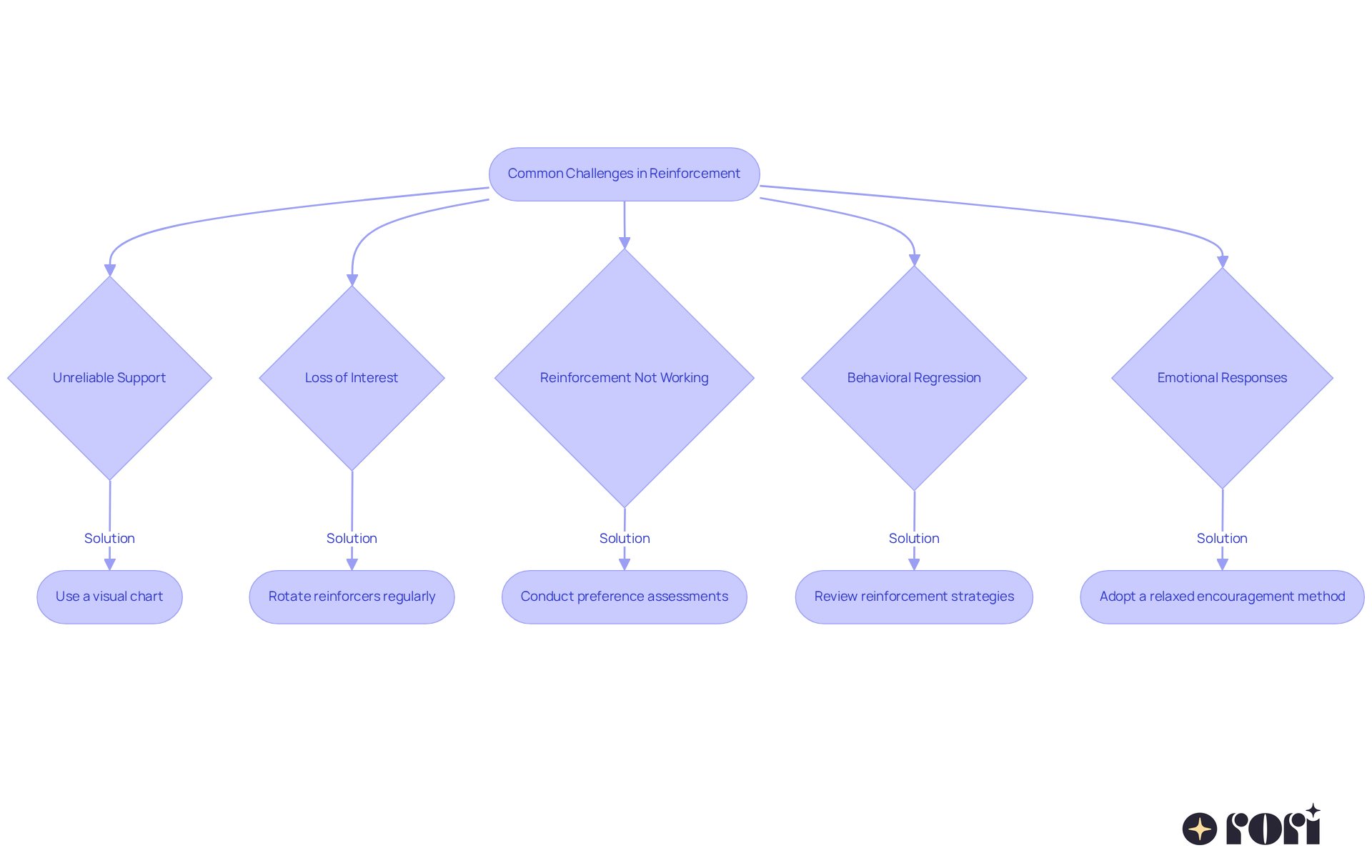
Navigating the world of support strategies can feel overwhelming for parents, can’t it? Implementing support strategies can present various challenges. Here are some common issues and effective solutions:
- Unreliable Support: When support is applied erratically, children may become uncertain about which actions are being rewarded. A simple visual chart can make it easier to see which behaviors are being rewarded and when. Caregiver education improves informed decision-making, enabling caregivers to implement support strategies consistently and effectively, particularly by using reinforcement to shape behaviors in children with autism.
- Loss of Interest: Children may lose interest in certain reinforcers over time. To keep things fresh, regularly rotate the reinforcers you use. Introducing new toys or activities can keep the reinforcement system dynamic and appealing. When caregivers know the basics of ABA, they can enhance their approach by using reinforcement to shape behaviors in children with autism, helping to choose the right reinforcers to keep kids motivated and engaged.
- Reinforcement Not Working: If your child isn’t responding to a reinforcer, it’s a good idea to check in on what they really like. Conduct preference assessments by offering choices and observing which items generate the most enthusiasm. Caregiver involvement in this process can lead to improved behavioral outcomes, as they can provide insights into their child's preferences and needs.
- Behavioral Regression: If you notice some behaviors slipping, it might be time to take another look at your reinforcement strategies. Confirm that the reinforcers remain meaningful and provide immediate feedback following the desired behavior when using reinforcement to shape behaviors in children with autism to effectively reinforce learning. Caregiver education empowers families to adapt strategies that align with their loved one's evolving needs, enhancing support and consistency.
- Emotional Responses: Sometimes, kids might push back against encouragement, especially if they feel too much pressure. In such situations, adopt a more relaxed method to encouragement, emphasizing positive interactions over strict adherence to rewards. This can encourage a more supportive atmosphere for change in actions. Collaborating with family members allows therapists to gain valuable insights into the individual's needs, ultimately enhancing the effectiveness of the treatment plan.
By embracing these strategies, you’re not just helping your child; you’re also creating a nurturing environment for growth and understanding.
Conclusion
Navigating the world of reinforcement for children with autism can feel overwhelming, but it’s also incredibly rewarding! By focusing on positive reinforcement, caregivers create a warm space that celebrates every little win. This approach not only helps with behavior but also strengthens the bond between parents and their children, supporting their growth together.
Throughout this guide, we’ve shared key strategies like:
- Spotting what motivates your child
- Staying consistent
- Adjusting your techniques as they grow
By tuning into their preferences and mixing up rewards, you can keep your little ones motivated and engaged. Plus, tackling common challenges ensures that reinforcement stays meaningful and effective, paving the way for ongoing progress.
Reinforcement is a game-changer in autism therapy, and it’s something every caregiver should embrace! Staying proactive and flexible is key to meeting your child’s changing needs. By using these techniques, you’re not just helping your child; you’re building a brighter future together. Let’s explore this journey together and make a lasting difference in their lives!
Frequently Asked Questions
What is positive reinforcement in autism therapy?
Positive reinforcement in autism therapy involves celebrating and rewarding small achievements immediately when they occur, such as giving praise or tangible rewards like stickers, to encourage children to repeat desired behaviors.
Why is positive reinforcement important for children with autism?
It helps children with autism, ADHD, and learning challenges thrive by making them feel motivated to engage in positive behavior, leading to increased participation in activities and overall development.
How can parents effectively use positive reinforcement?
Parents can effectively use positive reinforcement by ensuring that the rewards are meaningful to their child and by focusing on personalized planning and measurable goals to support their child's growth.
What are some examples of positive reinforcement?
Examples of positive reinforcement include verbal praise like "Great job!" or giving stickers as rewards when a child follows directions or achieves a goal.
What is the overall goal of using positive reinforcement in therapy?
The overall goal is to shape behaviors in children with autism, helping them thrive and become more engaged in various activities through consistent and meaningful encouragement.
List of Sources
- Define Positive Reinforcement in Autism Therapy
- Autism Therapy: Key Statistics (https://ambitionsaba.com/resources/autism-therapy-statistics)
- The Numbers Don't Lie: Revealing Autism Therapy Statistics | Above and Beyond Therapy (https://abtaba.com/blog/autism-therapy-statistics)
- goldstarrehab.com (https://goldstarrehab.com/parent-resources/autism-therapy-statistics)
- 81 ABA Therapy Statistics You Need to Know - apricott ABA (https://apricott.com/resources/aba-therapy-statistics)
- The Impact of Positive Reinforcement on ABA Therapy Outcomes (https://crossrivertherapy.com/articles/the-impact-of-positive-reinforcement-on-aba-therapy-outcomes)
- Choose Effective Reinforcement Strategies
- 10 inspiring quotes from people with autism | Autism Speaks (https://autismspeaks.org/life-spectrum/autism-quotes)
- Effective Reward Systems for Children With Autism (https://handscenter.com/effective-reward-systems-for-children-with-autism)
- Inspirational ABA and Autism Quotes - Mrs. Moe's Modifications (https://mrsmoesmodifications.com/inspirational-aba-and-autism-quotes)
- Current Statistics and Rates of Autism - Positive Reinforcement (https://positivereinforcement.net/current-statistics-and-rates-of-autism)
- Quotes About Autism - Arms Wide Open ABA Therapy (https://armswideopenaba.com/blog/quotes-about-autism)
- Implement Reinforcement Techniques in Daily Life
- Current Statistics and Rates of Autism - Positive Reinforcement (https://positivereinforcement.net/current-statistics-and-rates-of-autism)
- The Impact of Positive Reinforcement on ABA Therapy Outcomes (https://crossrivertherapy.com/articles/the-impact-of-positive-reinforcement-on-aba-therapy-outcomes)
- goldstarrehab.com (https://goldstarrehab.com/parent-resources/autism-therapy-statistics)
- Inspiring Quotes on Child Learning and Development (https://vincegowmon.com/inspiring-quotes-on-child-learning-and-development)
- Troubleshoot Common Challenges in Reinforcement
- The Numbers Don't Lie: Revealing Autism Therapy Statistics | Above and Beyond Therapy (https://abtaba.com/blog/autism-therapy-statistics)
- Autism Therapy: Key Statistics (https://ambitionsaba.com/resources/autism-therapy-statistics)
- Current Statistics and Rates of Autism - Positive Reinforcement (https://positivereinforcement.net/current-statistics-and-rates-of-autism)
- Why Behavioral Challenges in Autism Happen and How to Help (https://attentiveautismcare.com/blog/behavioral-challenges-in-autism)