Using Rewards and Praise to Motivate Children with Autism: A Step-by-Step Guide

Discover effective strategies for using rewards and praise to motivate children with autism.

Introduction

Motivating children with autism can sometimes feel like wandering through a maze, can’t it? Let’s explore how reward systems and praise can really make a difference in fostering positive behaviors and enhancing learning. But what do you do when those incentives just don’t seem to work anymore? Finding the right approach could be the key to helping your child shine in their own unique way.

Define Reward Systems for Children with Autism

Finding ways to motivate our kids can sometimes feel like a puzzle, especially when traditional methods just don’t seem to fit! Using rewards and praise to motivate children with autism is a great way to encourage positive behaviors, and these systems can come in all sorts of fun forms.

  • Token Economies: In this system, kids earn tokens for showing desired behaviors, which they can later trade for rewards. For example, a young one might earn 2 tokens for following instructions or finishing homework, and 5 tokens could get them extra screen time or a trip to the park. This method not only boosts positive actions but also teaches kids about effort and achievement.
  • Sticker Charts: These visual tools let kids earn stickers for completing tasks or showing good behavior. The instant feedback from stickers can really enhance learning and increase the chances of those positive actions happening again.
  • Activity Incentives: This approach allows kids to enjoy their favorite activities as a reward for good behavior. For instance, a child might earn extra playtime for sharing toys or participating in class, which can significantly boost their motivation.

It’s super important to customize these frameworks to fit what our kids love, making sure the rewards really resonate with them! For example, a child who enjoys stickers may respond well to a sticker chart, while another might prefer earning extra playtime.

Understanding these systems is the first step in creating an effective motivational strategy that aligns with each child’s unique preferences. You know, many experts believe that one of the best tools we have in applied behavior analysis (ABA) for helping kids thrive is using rewards and praise to motivate children with autism! By using these strategies thoughtfully, we can create a nurturing space where our kids can really grow and become more independent. Plus, the importance of early intensive behavioral intervention (EIBI) is vital, as it enhances learning, communication, and social skills in children with autism, especially when using rewards and praise to motivate children with autism, making these incentive methods even more effective. When we tailor these strategies to our children's unique interests, we open the door to a world of possibilities for their growth and independence.
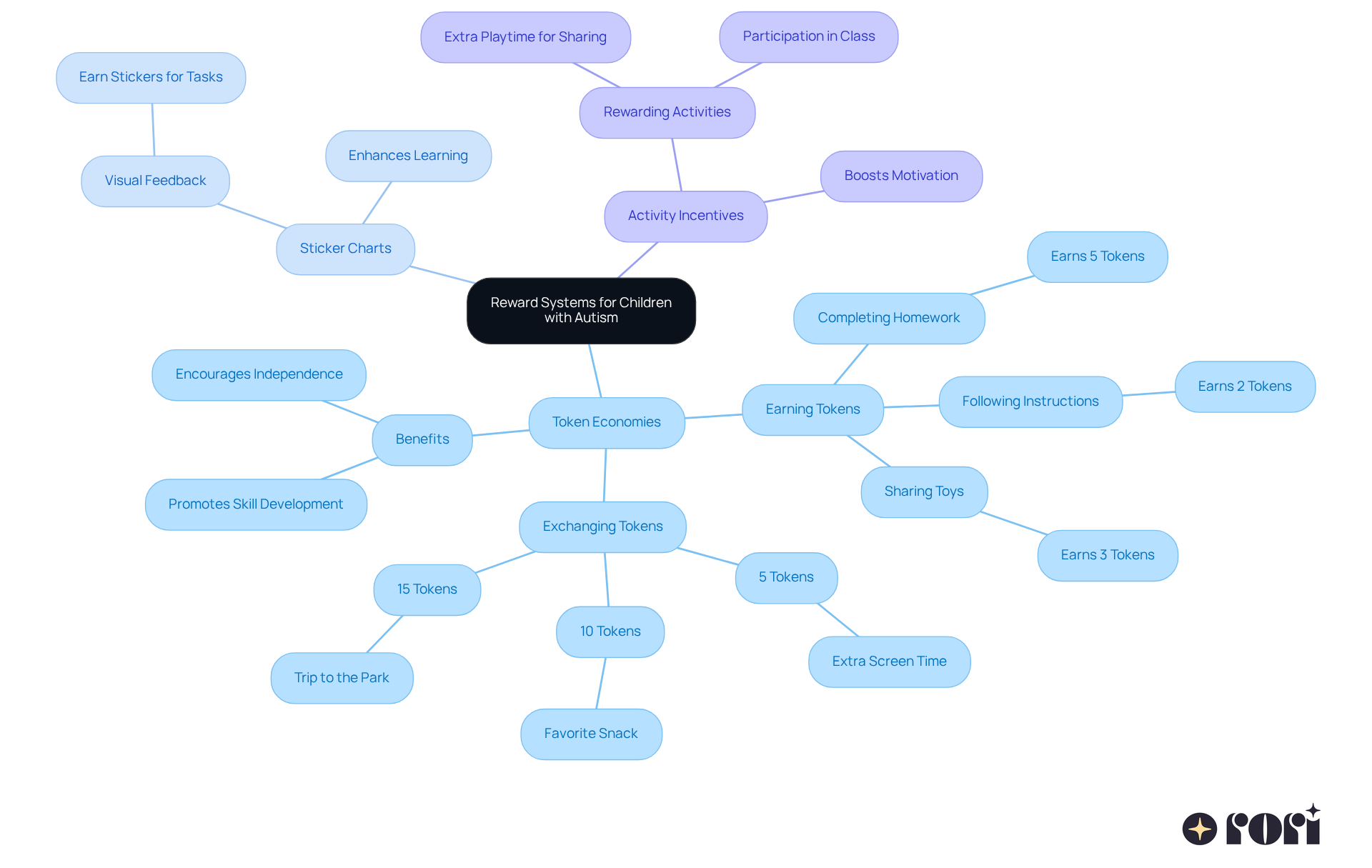
This mindmap starts with the main idea of reward systems at the center. Each branch represents a different method of motivation, and the sub-branches provide details or examples. This layout helps you see how each method connects back to the central theme of encouraging positive behaviors in children with autism.

Establish Clear Goals and Select Meaningful Rewards

Creating a reward system for your kids can feel like a puzzle, right? Here are some friendly steps to help you get started:

  1. Identify Specific Behaviors: Think about the behaviors you want to encourage. For instance, if you want to boost communication skills, maybe set a target number of words for your child to use in conversations.
  2. Set Achievable Goals: Make sure the goals are realistic and within reach. Breaking larger objectives into smaller, manageable steps can help prevent frustration and promote a sense of accomplishment.
  3. Let’s Find Some Fun Incentives: Choose rewards that resonate with your kids’ interests. This could be a favorite snack, extra screen time, or a special outing. The more meaningful the incentive, the stronger the motivation for your little one to engage in the desired behavior.
  4. Involve Your Kids: Whenever you can, include your children in the goal-setting process. Let them share what interests them and what incentives they find motivating. This involvement fosters a sense of ownership and investment in their progress.

By setting clear goals and using rewards and praise to motivate children with autism, you create a motivating atmosphere that encourages positive behavior and supports their growth. When kids feel involved, they’re more likely to embrace the journey of learning and growing.
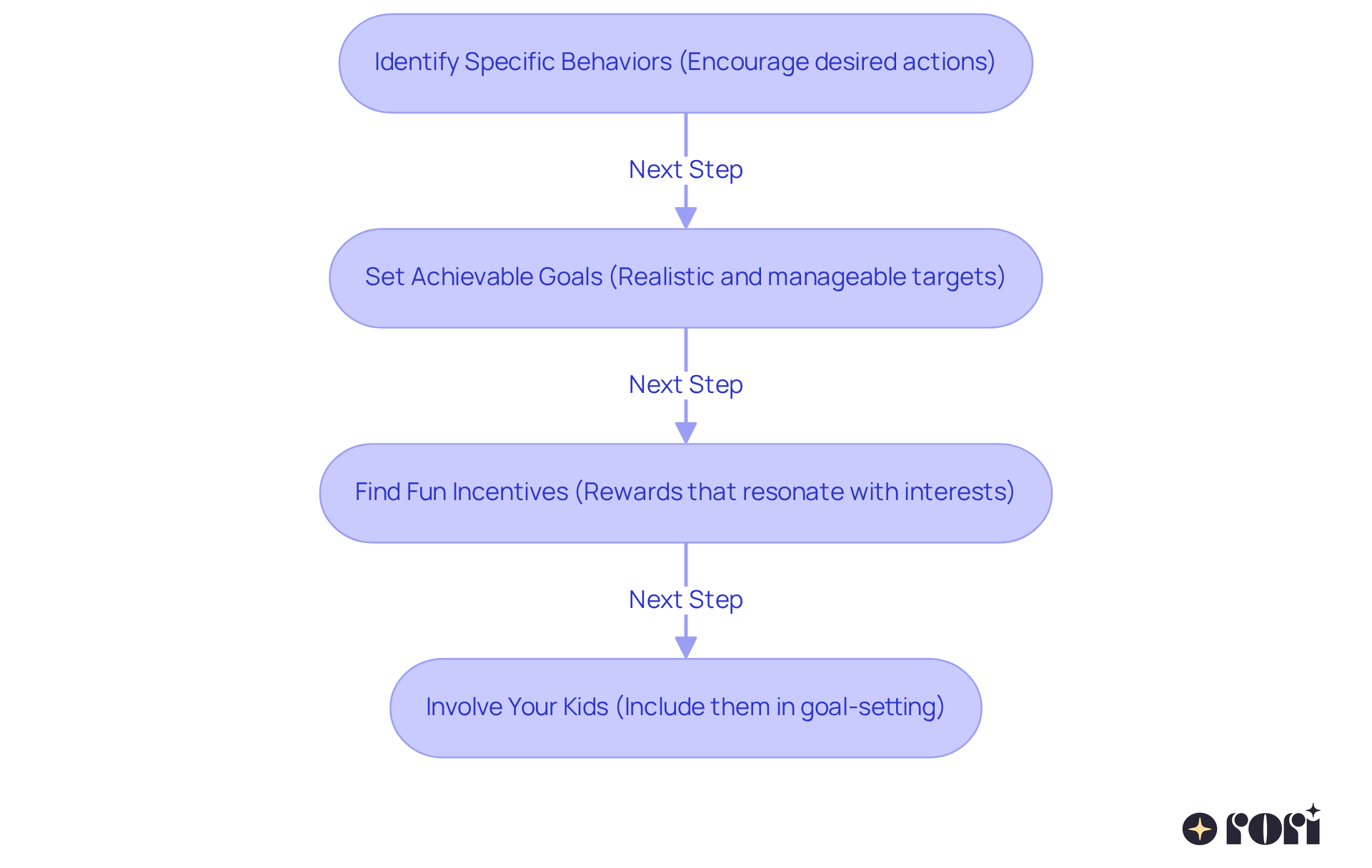
Each box represents a step in the process of setting up a reward system. Follow the arrows to see how each step leads to the next, helping you create a motivating environment for your child.

Implement Consistent Reinforcement and Monitor Progress

Implementing a reward system can feel like a daunting task, but it doesn’t have to be when using rewards and praise to motivate children with autism! Here are some friendly tips to help you along the way:

  1. Consistency is Key: Make sure to provide rewards right after your child shows the desired behavior. This quick reinforcement helps them connect their actions with the rewards they receive.
  2. Track Progress: Keeping track of progress is super important! It helps you see what’s working and what might need a little tweak to better support your child. You can use a simple chart or a handy app to note down the good behaviors and the rewards given. Plus, it’s a great way to spot trends and make informed changes to your reward system. With tools like Rori Care’s behavior care engine, you can easily generate progress reports and adjust plans based on what you see.
  3. Adjust as Needed: Be ready to change things up if the rewards start to lose their spark. Regularly check in on whether the goals you set are still relevant and if the rewards are still exciting. A behavior analyst would say that using rewards and praise to motivate children with autism is key to keeping an eye on progress and ensuring your strategies are truly helping your child learn better!
  4. Celebrate Achievements: Don’t forget to celebrate every little win! Recognizing milestones, no matter how small, boosts motivation and encourages your child to keep reaching for their goals, especially when using rewards and praise to motivate children with autism. When you celebrate progress, you’re not just cheering them on; you’re also creating a supportive environment that helps them grow.

By embracing these strategies, you’re not just helping your child; you’re also creating a supportive environment that nurtures their growth and happiness. With around 1 in 44 children in the U.S. diagnosed with autism, establishing effective incentive methods is more vital than ever. Let’s explore this together!
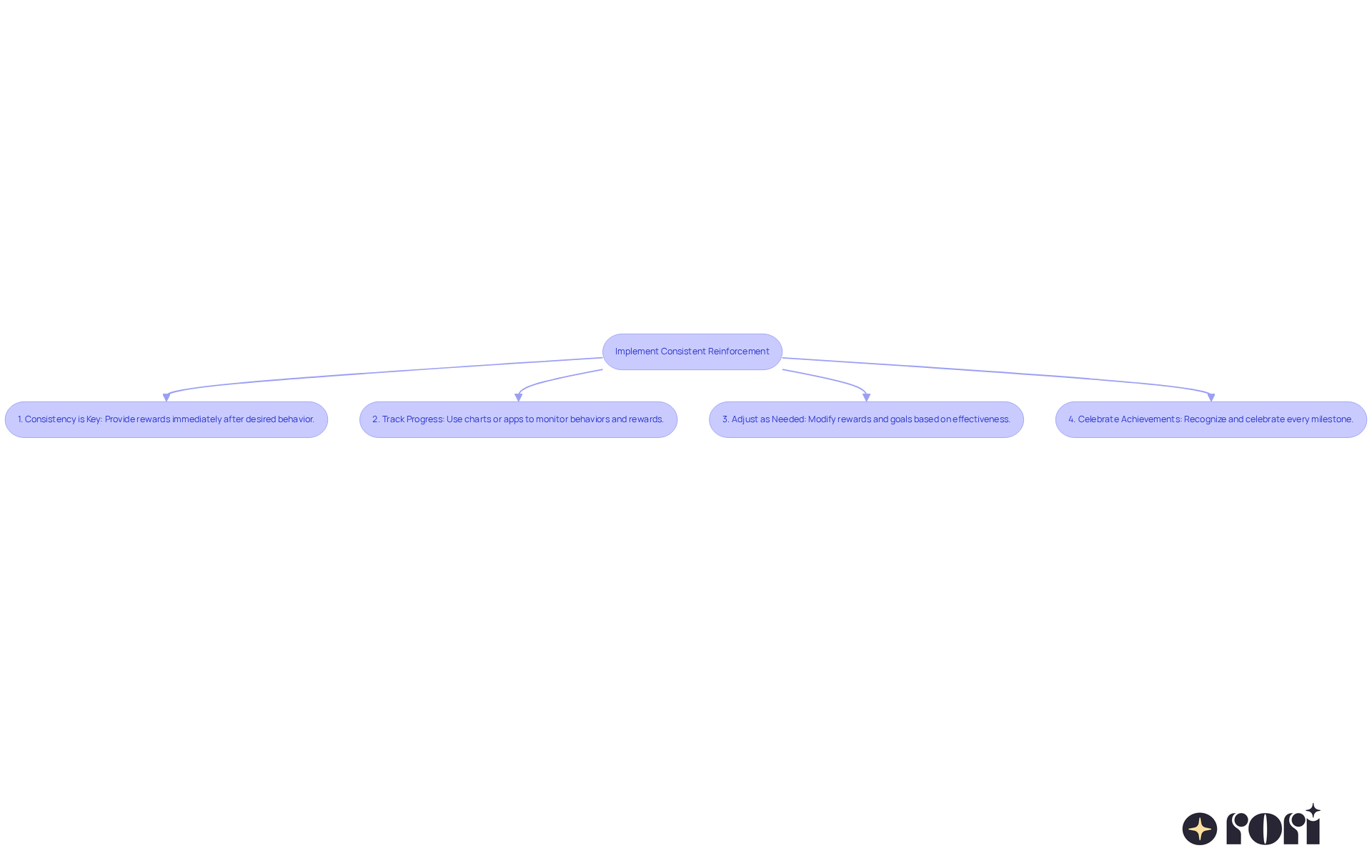
This flowchart outlines the key steps to effectively implement a reward system. Start at the top with the main goal, then follow the arrows to see each step in the process. Each box gives you a quick idea of what to focus on next, making it easy to follow along!

Address Challenges and Adapt the Reward System as Needed

Setting up an incentive program for your child can feel like a juggling act, can’t it? It’s not always easy, but there are some effective strategies to help you navigate these challenges.

Let’s talk about some common bumps in the road:

  • Maybe your child loses interest in the incentives.
  • It’s tough to keep track of their progress.

Sound familiar? Research shows that sometimes, when there are too many incentives, kids might not feel as motivated. It’s all about finding that sweet spot!

As your child grows, their interests will change, and so should your approach. What works today might not be effective tomorrow. For instance, studies have found that many autistic kids can lose motivation when using rewards and praise to motivate children with autism if they feel the incentives aren’t worth it anymore.

Don’t forget to involve your child in the conversation! Ask them if the incentives are still exciting and if the goals feel relevant. Their feedback can help you make adjustments that keep things engaging.

If you’re still facing challenges, reaching out to a Board Certified Behavior Analyst (BCBA) or autism specialist can be a game-changer. They can offer tailored strategies that really resonate with your child’s needs. Additionally, using rewards and praise to motivate children with autism, along with neurodiversity-affirming approaches like giving choices and tapping into their interests, can boost motivation and engagement.

By staying flexible and open to change, you can create a reward system that truly resonates with your child and supports their growth. Let’s explore this together!
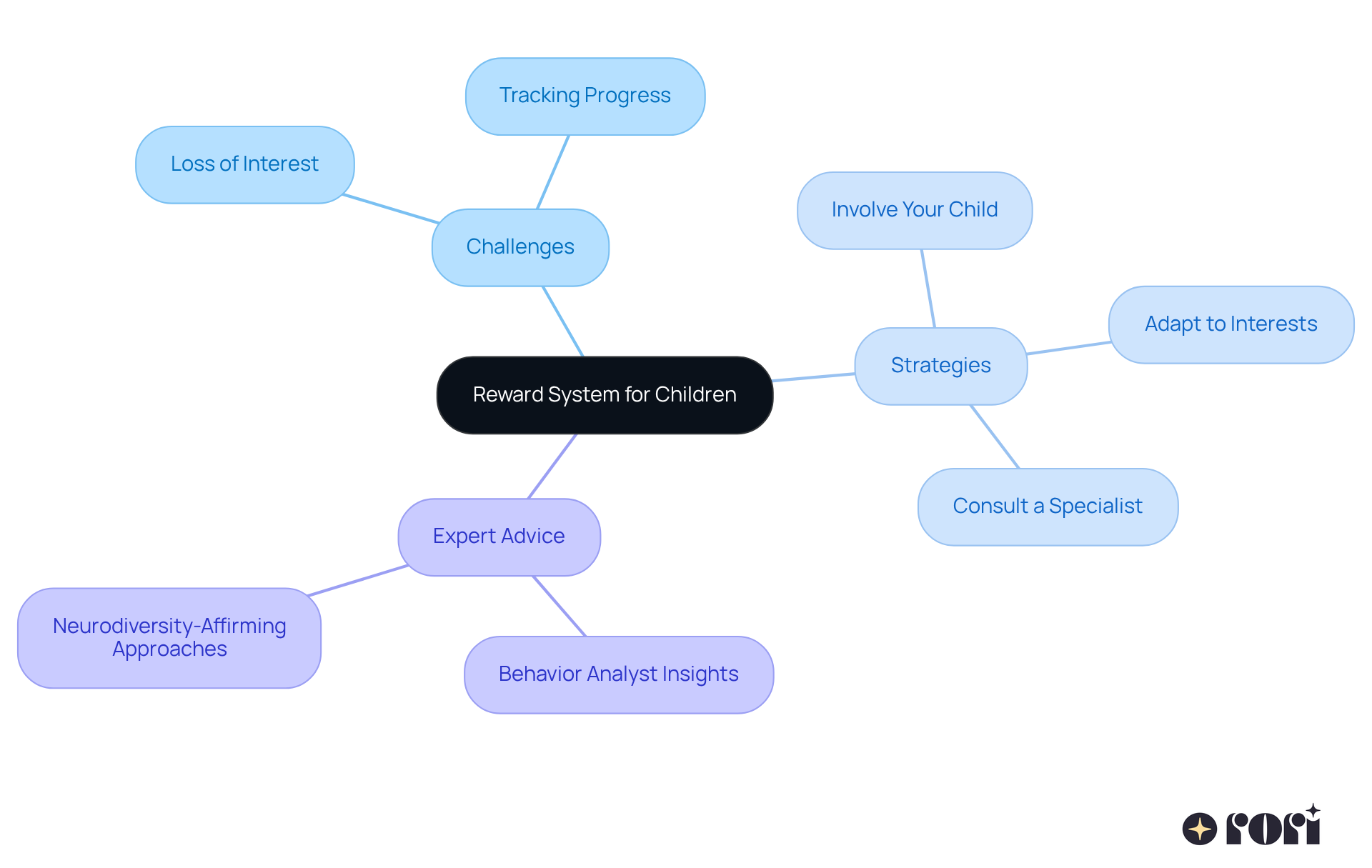
This mindmap helps you visualize the key challenges and strategies for setting up a reward system for your child. Start at the center with the main idea, then follow the branches to explore the common bumps in the road and how to adapt your approach based on your child's feedback and needs.

Conclusion

Using rewards and praise to motivate children with autism is a powerful approach that can truly make a difference in their lives! By implementing tailored reward systems, caregivers can create engaging and supportive environments that resonate with the unique interests and needs of each child. This approach not only encourages positive behaviors but also helps kids learn and communicate better, which is so important for their growth!

The article outlines several effective reward systems, like:

  1. Token economies
  2. Sticker charts
  3. Activity incentives

It’s all about customizing these frameworks to match what your child loves. Establishing clear goals and involving children in the process can really boost their motivation. Plus, keeping an eye on progress and being consistent with reinforcement helps ensure these strategies work over time. And remember, when we adjust our approach, we open the door to even more success!

We can’t forget how important it is to use rewards and praise to motivate our kids with autism! By embracing these strategies, we can create a nurturing environment that not only celebrates our children's achievements but also strengthens our bond with them. Let’s explore this together and see how we can support our kids on their unique journeys!

Frequently Asked Questions

What are reward systems for children with autism?

Reward systems for children with autism are motivational tools that use rewards and praise to encourage positive behaviors. These systems can take various forms, such as token economies, sticker charts, and activity incentives.

How does a token economy work?

In a token economy, children earn tokens for displaying desired behaviors, which they can later exchange for rewards. For example, a child might earn 2 tokens for following instructions and can trade 5 tokens for extra screen time or a trip to the park.

What is a sticker chart?

A sticker chart is a visual tool that allows children to earn stickers for completing tasks or demonstrating good behavior. The immediate feedback from earning stickers can enhance learning and increase the likelihood of repeating positive actions.

What are activity incentives?

Activity incentives involve allowing children to engage in their favorite activities as a reward for good behavior. For instance, a child might earn extra playtime for sharing toys or participating in class, which can significantly boost their motivation.

Why is it important to customize reward systems?

Customizing reward systems is essential because it ensures that the rewards resonate with each child's unique interests and preferences. This personalization increases the effectiveness of the motivational strategy.

How do rewards and praise relate to applied behavior analysis (ABA)?

Rewards and praise are considered some of the best tools in applied behavior analysis (ABA) for helping children with autism thrive. These strategies foster a nurturing environment that promotes growth and independence.

What is early intensive behavioral intervention (EIBI)?

Early intensive behavioral intervention (EIBI) is a vital approach that enhances learning, communication, and social skills in children with autism. Using rewards and praise within this framework can make incentive methods even more effective.

List of Sources

  1. Define Reward Systems for Children with Autism
    • Autism Token Economy | Autism Therapy Services (https://hiddengemsaba.com/articles/autism-token-economy)
    • Using Token Economy Systems in ABA Therapy (https://totalcareaba.com/autism/aba-therapy-for-token-economy-systems)
    • Token Economy System Autism: Reward-Based Behavior Guide for Kids - Nurturing Nests (https://nurturingnests.com/token-economy-system-autism)
    • 10 inspiring quotes from people with autism | Autism Speaks (https://autismspeaks.org/life-spectrum/autism-quotes)
  2. Establish Clear Goals and Select Meaningful Rewards
    • Autism Reward System: All You Need to Know (https://autismparentingmagazine.com/autism-kids-reward-system?srsltid=AfmBOorWgbksw9GCl_tDIPVmeNySjgbsKleePGsM4k_szqAqXgjQ-CXl)
    • Effective Reward Systems for Children With Autism (https://handscenter.com/effective-reward-systems-for-children-with-autism)
    • What Rewards Work Best for Autistic Children - Golden Care Therapy (https://goldencaretherapy.com/what-rewards-work-best-for-autistic-children)
    • 10 inspiring quotes from people with autism | Autism Speaks (https://autismspeaks.org/life-spectrum/autism-quotes)
    • The Numbers Don't Lie: Revealing Autism Therapy Statistics | Above and Beyond Therapy (https://abtaba.com/blog/autism-therapy-statistics)
  3. Implement Consistent Reinforcement and Monitor Progress
    • The Numbers Don't Lie: Revealing Autism Therapy Statistics | Above and Beyond Therapy (https://abtaba.com/blog/autism-therapy-statistics)
    • ABA Therapy Progress Tracking: Therapists Measure Progress (https://championsaba.com/aba-therapy-progress-tracking)
    • Why ABA Data Collection Matters: Tracking Progress and Improving Autism Therapy Outcomes (https://astraaba.com/blog/why-aba-data-collection-matters-tracking-progress-and-improving-autism-therapy-outcomes)
    • Measuring Progress In ABA Therapy: A Guide To Tracking Success (https://kidsclubaba.com/how-to-measure-progress-in-aba-therapy-tracking-success-guide)
    • Tracking Measurable Progress With Data-Driven ABA Therapy: A Comprehensive Guide to Evidence-Based Outcomes - RightWay ABA (https://rightwayaba.com/tracking-measurable-progress-with-data-driven-aba-therapy)
  4. Address Challenges and Adapt the Reward System as Needed
    • Research examines autism and special interests | Autism Speaks (https://autismspeaks.org/news/research-examines-autism-and-special-interests)
    • Reward Devaluation in Autistic Children and Adolescents with Complex Needs: A Feasibility Study (https://onlinelibrary.wiley.com/doi/full/10.1002/aur.2388)
    • How Reward-Based Systems Fail Autistic Students (https://socialcipher.com/post/how-reward-based-systems-fail-autistic-students)