Have you ever wondered how role-playing can help your child with Autism Spectrum Disorder connect better with others? This engaging method allows kids to navigate tricky social situations in a safe and supportive space, giving them a chance to practice important skills like starting conversations and resolving conflicts.
But let’s be honest, figuring out how to make role-playing work for your child can feel a bit daunting, right? Together, we’ll explore some helpful strategies that can make role-playing a fun and effective way for your child to build those important social skills!
By understanding these techniques, you can help your child turn practice into real-life connections that matter.
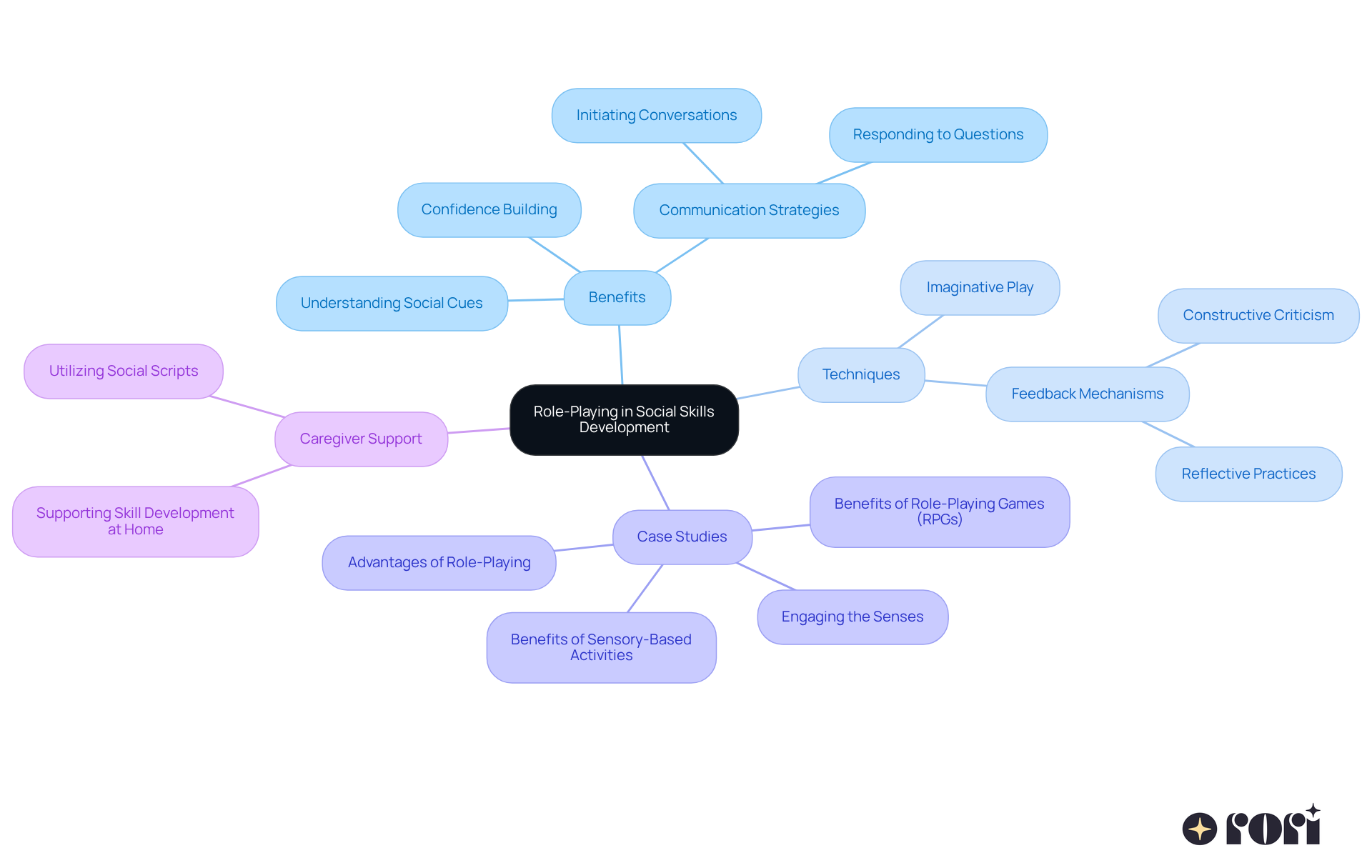
Have you ever watched your child struggle to connect with others? You're not alone. Using role-playing to teach appropriate social behaviors to children with ASD acts as a fantastic tool for helping them develop their interpersonal skills in a safe environment. Through imaginative play, they can practice scenarios like greeting peers, sharing, or even resolving conflicts - things that can be tough in real life. By stepping into different roles, kids not only learn to read social cues but also gain confidence in their interactions.
You might be surprised to learn that acting out scenarios can really boost your child's interaction skills! For instance, psychologists often highlight how practicing simple greetings or asking for help can help kids develop effective communication strategies. Plus, getting constructive feedback during these role-play sessions encourages a growth mindset, allowing them to reflect on their experiences and recognize their strengths.
When caregivers learn how to support these skills at home, kids can practice what they’ve learned in real-life situations. Case studies demonstrate the impact of using role-playing to teach appropriate social behaviors to children with ASD. One study pointed out that using role-playing to teach appropriate social behaviors to children with ASD helps create a shared understanding among peers, fostering acceptance and positively influencing their development. Another case study revealed that using visual supports alongside acting scenarios can enhance comprehension and engagement in social interactions.
Incorporating acting exercises into skills training gives kids a safe space to practice interactions and equips them with the tools they need to succeed in real life. By embracing these role-playing techniques, you can help your child turn challenges into opportunities for growth. Let’s explore this together!
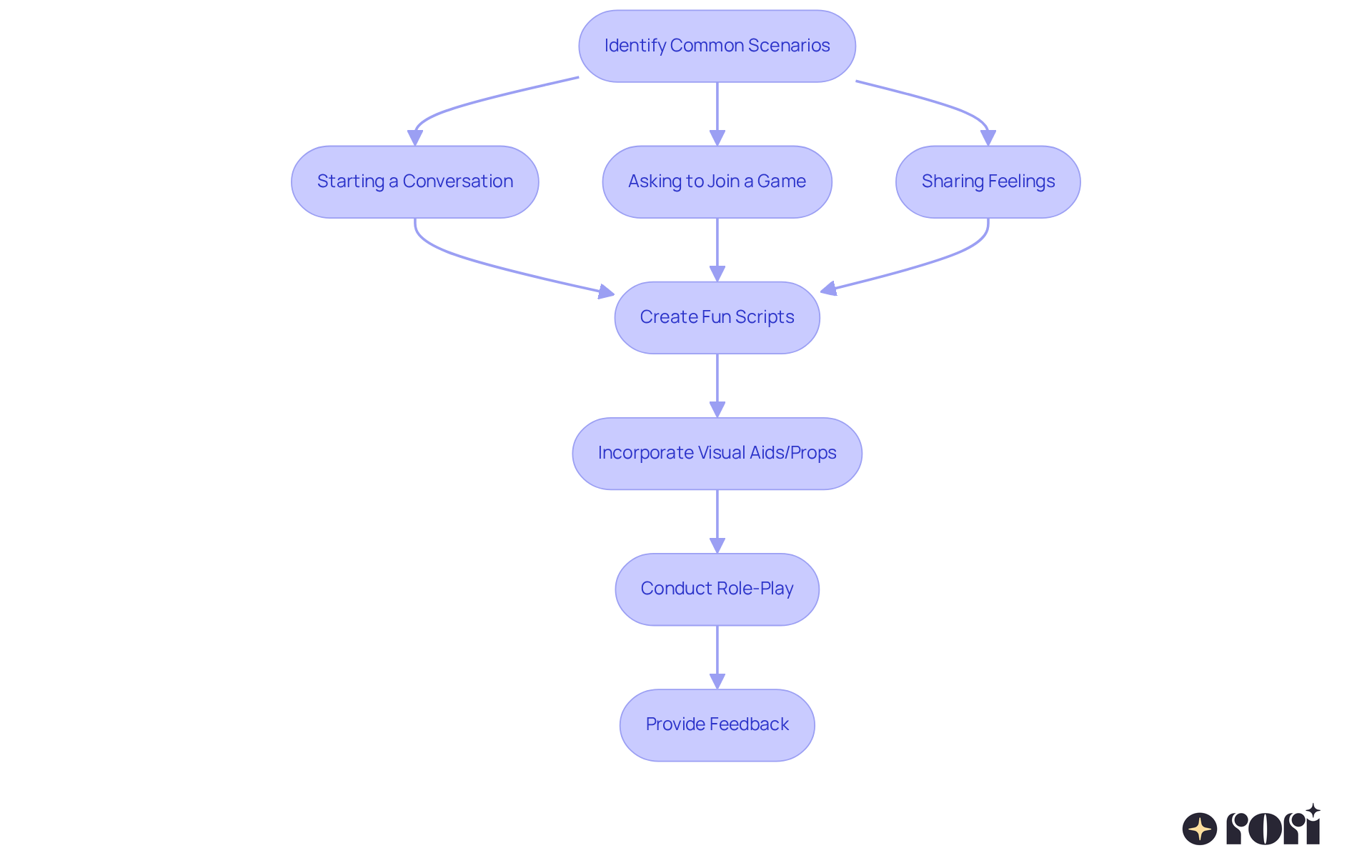
Have you ever noticed how tricky social situations can be for kids with ASD? To help them out, start by identifying common scenarios they might face and consider using role-playing to teach appropriate social behaviors to children with ASD, such as:
Why not whip up some fun scripts that clearly lay out the roles and what everyone says? Incorporating visual aids or props, like puppets or dolls, can make these scenarios even more engaging and enjoyable.
After each role-play, take a moment to share what they did great and where they can improve! This not only helps them learn but also gets them thinking about how they interact with others. Plus, social skills group therapy that incorporates using role-playing to teach appropriate social behaviors to children with ASD, led by trained therapists, can really boost these interactions, improving communication skills and relationship management.
And remember, equipping caregivers with ABA principles and strategies for supporting their child’s behavioral goals can make a big difference. By embracing these strategies, you’re not just helping your child; you’re opening doors to new friendships and experiences.
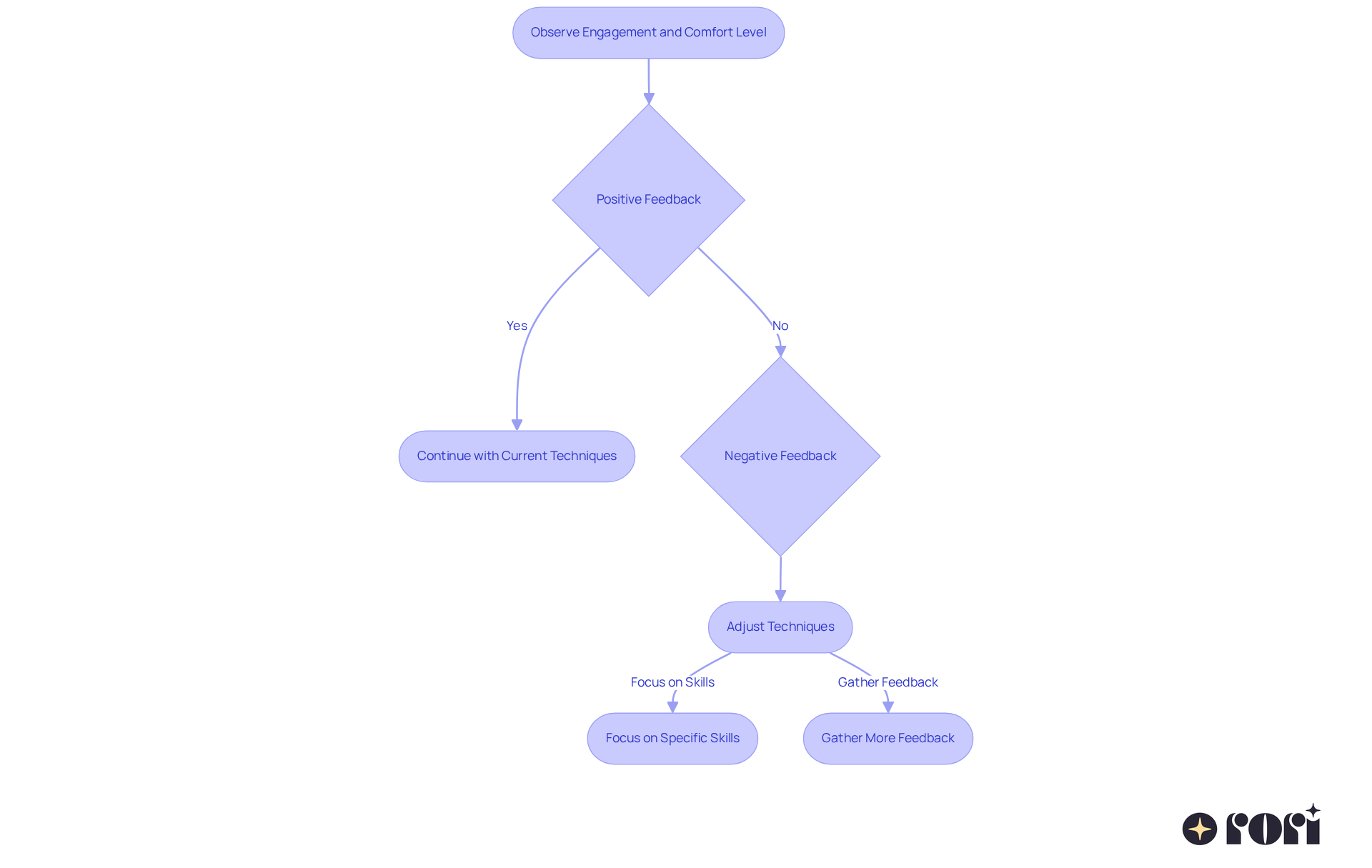
Have you ever noticed how some kids light up during role-play, especially when using role-playing to teach appropriate social behaviors to children with ASD, while others seem hesitant? To make the most of using role-playing to teach appropriate social behaviors to children with ASD, it’s important to observe how engaged the young participants are. Pay attention to their comfort level and willingness to jump in. After each session, let’s chat with the kids about what they enjoyed and what felt tricky. This feedback is super helpful for tailoring future scenarios.
For instance, if a child is great at greeting peers but struggles with conflict resolution, we can focus on activities that help them navigate disagreements. This way, we keep things relevant and help kids build their social skills step by step by using role-playing to teach appropriate social behaviors to children with ASD.
Studies show that around 70% of kids who regularly engage in imaginative play see improvements in their behavior and communication. That’s pretty amazing, right? Plus, when we listen to their feedback, we can help them shine in their interactions. By adjusting our approach based on what they share, we create a supportive environment that boosts their learning and social competence.
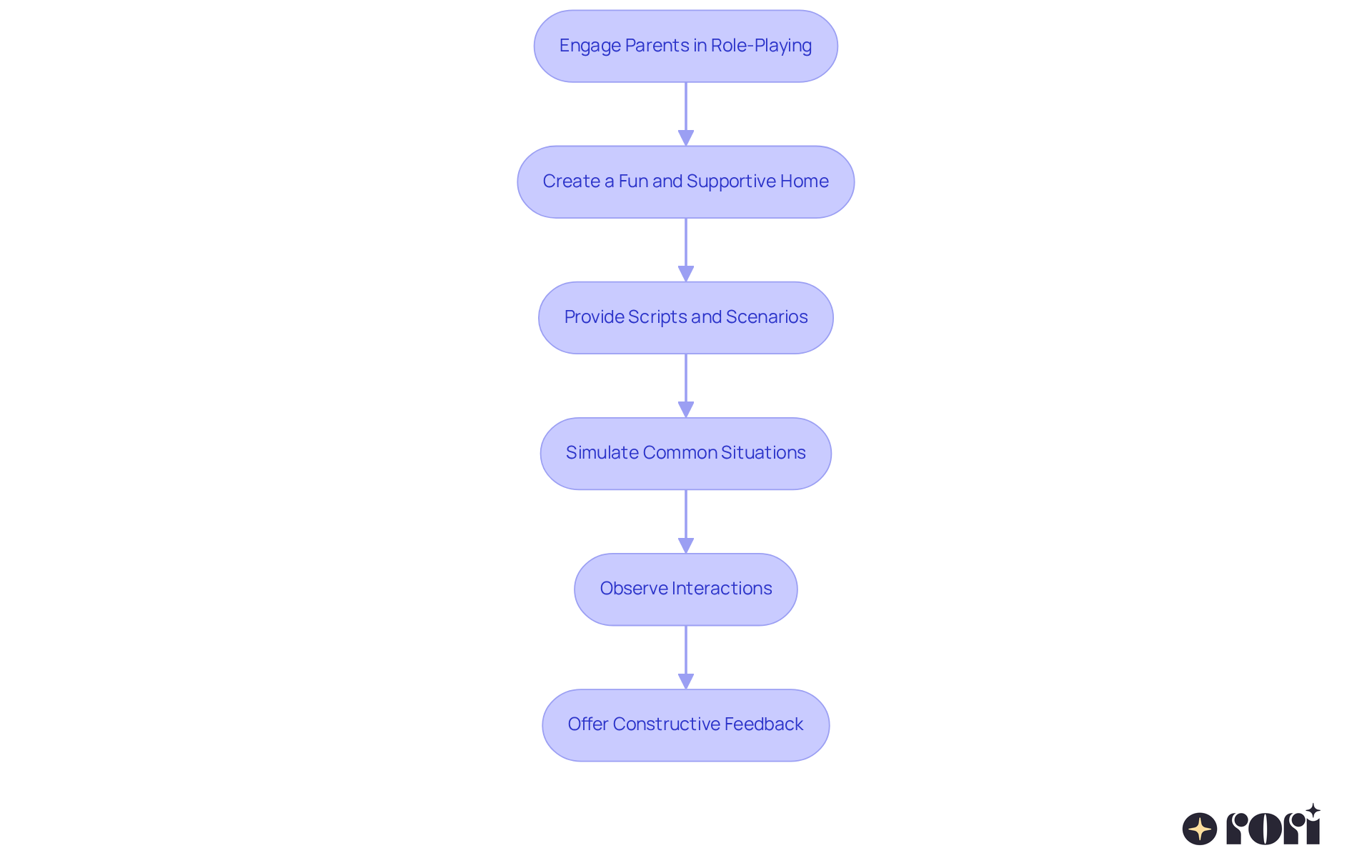
Many parents wonder how to effectively support their child's social skills development. Involving parents in the simulation process can significantly improve a young person's learning experience. When parents create a fun and supportive home, they can dive into imaginative activities with their kids. Providing scripts and scenarios to practice together helps everyone understand the objectives of each role-play. For instance, parents can simulate common situations like making new friends or managing teasing, allowing their kids to rehearse responses in a familiar context.
It's also important for parents to keep an eye on their child's interactions with peers and offer constructive feedback. This teamwork not only brings parents and kids closer but also helps parents play a key role in their child's social growth. Research shows that when caregivers get involved, kids often show amazing improvements in their social skills! In fact, studies reveal that around 90% of youngsters make remarkable progress when the suggested hours of ABA therapy are fully implemented with active caregiver involvement.
As Stephen Shore wisely said, 'If you’ve met one person with autism, you’ve met one person with autism.' This highlights the unique journey each family experiences. Parents can help their children navigate social situations more effectively and boost their confidence and interpersonal skills by fostering an environment of acceptance and support, using role-playing to teach appropriate social behaviors to children with asd.
At Rori Care, we believe in empowering parents with ABA strategies that help them support their child's goals while being actively involved. Our patient-centered approach ensures that each child's unique needs are met, and the therapy is accessible through insurance coverage. When parents take an active role, they not only help their children thrive but also strengthen their family bond.
Have you ever wondered how role-playing can make a difference in your child's social skills? This approach can really boost your child's social skills and build their confidence! By creating a safe space for imaginative play, kids can practice important social interactions, like starting conversations and resolving conflicts. It’s a fun way for them to learn how to read social cues, which helps them connect with their peers.
We’ve talked about some great strategies for making role-playing effective, like designing relatable scenarios and using visual aids. Engaging parents in this process is key! When you get involved, you can reinforce these skills at home and create a supportive environment for practice. Many parents feel overwhelmed when trying to support their child's social development, but remember, you’re not alone in this journey.
Without these practices, children may miss out on crucial social interactions that help them thrive. Case studies show that when caregivers are actively involved, kids show amazing improvements in their social skills and confidence.
By embracing role-playing as a key part of social skills development for children with ASD, you’re not just helping your child; you’re building a stronger family and community together. Let’s explore this together! By adapting techniques to fit your child’s needs, you can create a nurturing atmosphere that encourages growth and acceptance. This approach enriches your child's social competence and strengthens family bonds, leading to a more inclusive and understanding community.
What is the purpose of using role-playing in social skills development for children with ASD?
Role-playing helps children with ASD develop interpersonal skills in a safe environment by allowing them to practice appropriate social behaviors, such as greeting peers, sharing, and resolving conflicts.
How does role-playing benefit children's interaction skills?
Role-playing boosts children's interaction skills by enabling them to act out scenarios, learn to read social cues, and gain confidence in their interactions.
What types of scenarios can children practice through role-playing?
Children can practice scenarios like simple greetings, asking for help, sharing, and resolving conflicts through role-playing.
How does feedback during role-playing sessions contribute to children's development?
Constructive feedback during role-playing sessions encourages a growth mindset, allowing children to reflect on their experiences and recognize their strengths.
What role do caregivers play in supporting social skills development through role-playing?
Caregivers can support social skills development by learning how to facilitate role-playing at home, allowing children to practice what they’ve learned in real-life situations.
What evidence supports the effectiveness of role-playing for children with ASD?
Case studies demonstrate that role-playing helps create a shared understanding among peers, fosters acceptance, and positively influences the development of children with ASD.
How can visual supports enhance the role-playing experience for children with ASD?
Using visual supports alongside acting scenarios can enhance comprehension and engagement in social interactions for children with ASD.
What is the overall impact of incorporating role-playing into social skills training?
Incorporating role-playing into skills training provides a safe space for children to practice interactions and equips them with the tools they need to succeed in real life.