Have you ever noticed how your child's special interests light up their world? These unique passions can spark excitement and serve as powerful motivators for learning, social skills, and emotional well-being. But I get it - many parents wonder how to make the most of these interests without getting stuck in a rut. So, what can we do to make sure these passions help our kids grow while keeping things balanced and fun?
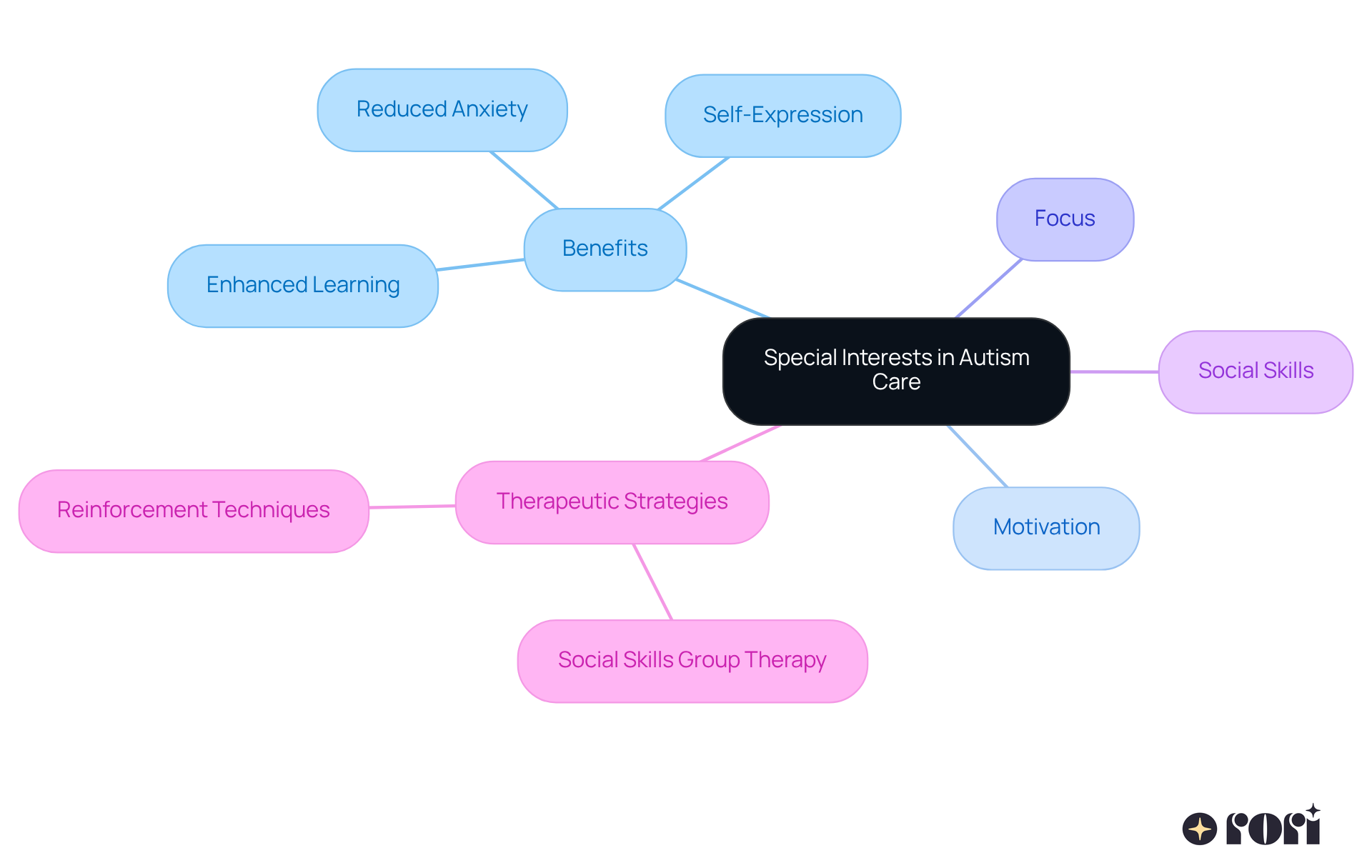
Have you ever noticed how your child lights up when talking about their favorite things? Many kids with autism dive wholeheartedly into unique passions, using special interests to drive progress in autism care, whether it’s dinosaurs, trains, or even coding. Acknowledging and celebrating these interests is so important! They can serve as powerful motivators in therapy and everyday life by using special interests to drive progress in autism care.
You might be surprised to learn that by using special interests to drive progress in autism care, kids often experience better focus, less anxiety, and improved social skills. For instance, young people who engage with their passions frequently find a boost in motivation, using special interests to drive progress in autism care, which can really enhance their learning and social interactions. Just think about it: kids who love music not only enjoy their time playing instruments or singing but also discover new ways to express themselves and relax.
When you create a space that celebrates these passions, you’re using special interests to drive progress in autism care and helping your child thrive! It’s all about turning challenges into opportunities for growth and connection. Plus, when parents are equipped with the right knowledge and skills to support their child’s goals, it makes a world of difference. Remember, every little win is a big deal when you’re raising a child with unique needs!
Incorporating specific ABA strategies, like reinforcement techniques and structured routines, can really enhance these activities in therapy. And don’t forget about social skills group therapy - it’s a fantastic way to boost communication and relationships, supporting your child’s development even further. Let’s explore this together!
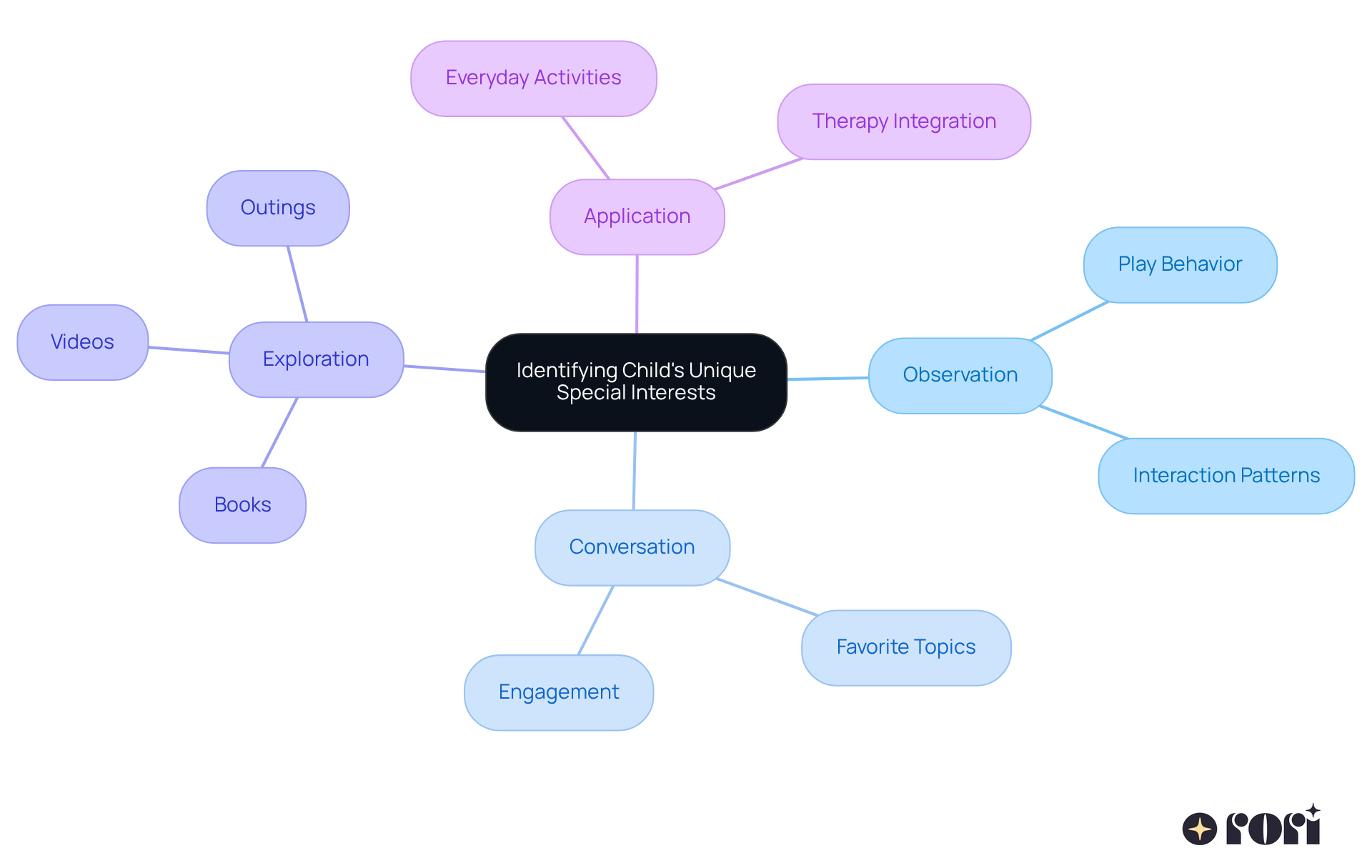
It can be tough to pinpoint what truly excites your child, but with a little observation, you can discover their unique passions! Start by paying attention to how they play and interact. Notice the topics they naturally gravitate towards during conversations or activities. Involve them in chats about their favorite things, and encourage exploration through books, videos, or outings that match their interests.
Using fun tools like passion assessments can really help you uncover what your child loves! Once you know what sparks their interest, you can weave those passions into everyday activities and even therapy, using special interests to drive progress in autism care. This approach not only makes learning more enjoyable but also empowers your child by affirming their unique viewpoints and strengths.
By embracing their interests, you’re not just supporting their growth; you’re helping them shine in their own unique way! Plus, by utilizing the principles of Applied Behavior Analysis (ABA), you can enhance your support and make informed decisions that lead to better behavioral outcomes. Let’s explore this together!
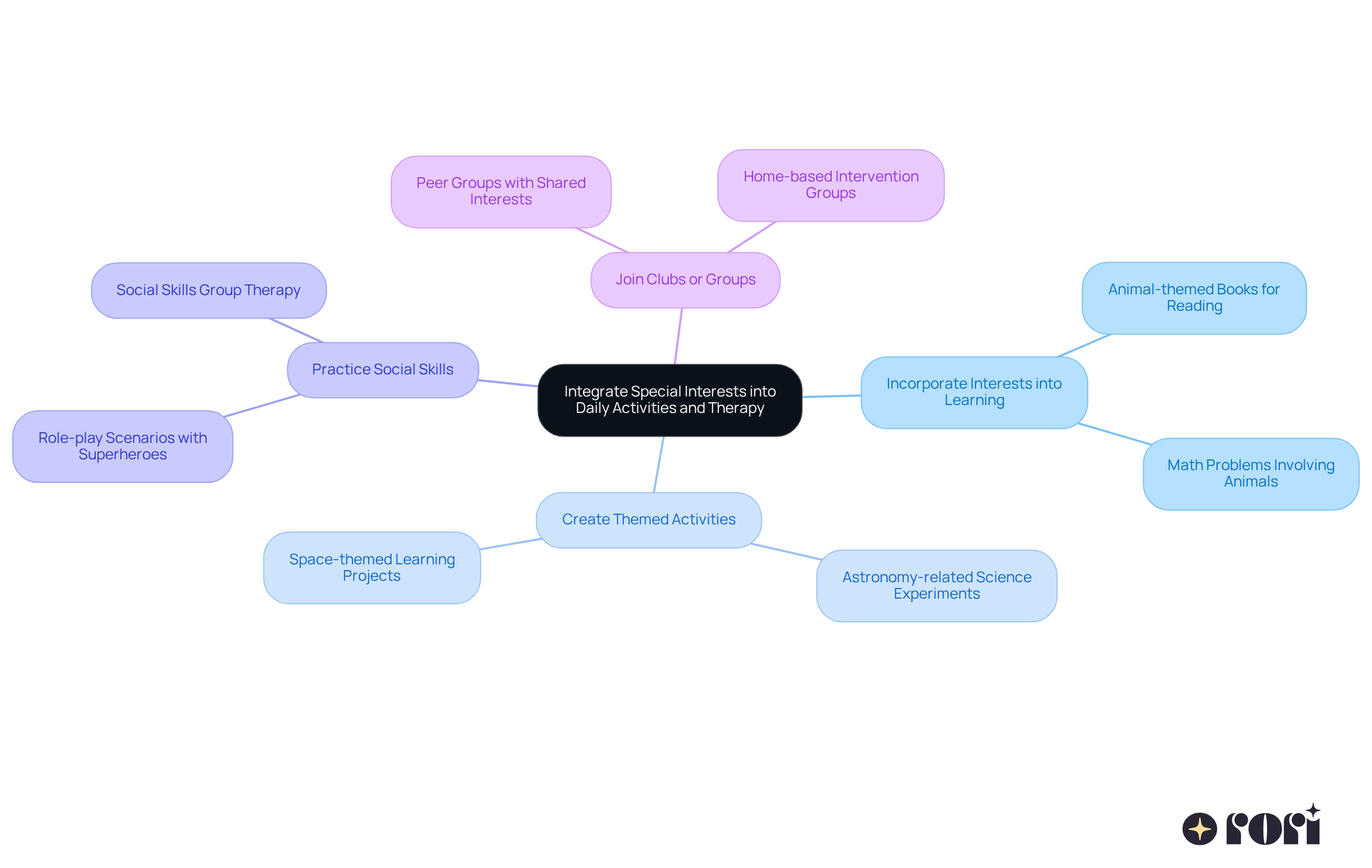
Finding ways to connect your child's unique interests with daily activities can feel like a puzzle, but it’s one worth solving! Here are some friendly strategies focused on using special interests to drive progress in autism care during learning and therapy.
By weaving their passions into everyday life, you’re not just helping them learn; you’re using special interests to drive progress in autism care while nurturing their confidence and independence in a big way!
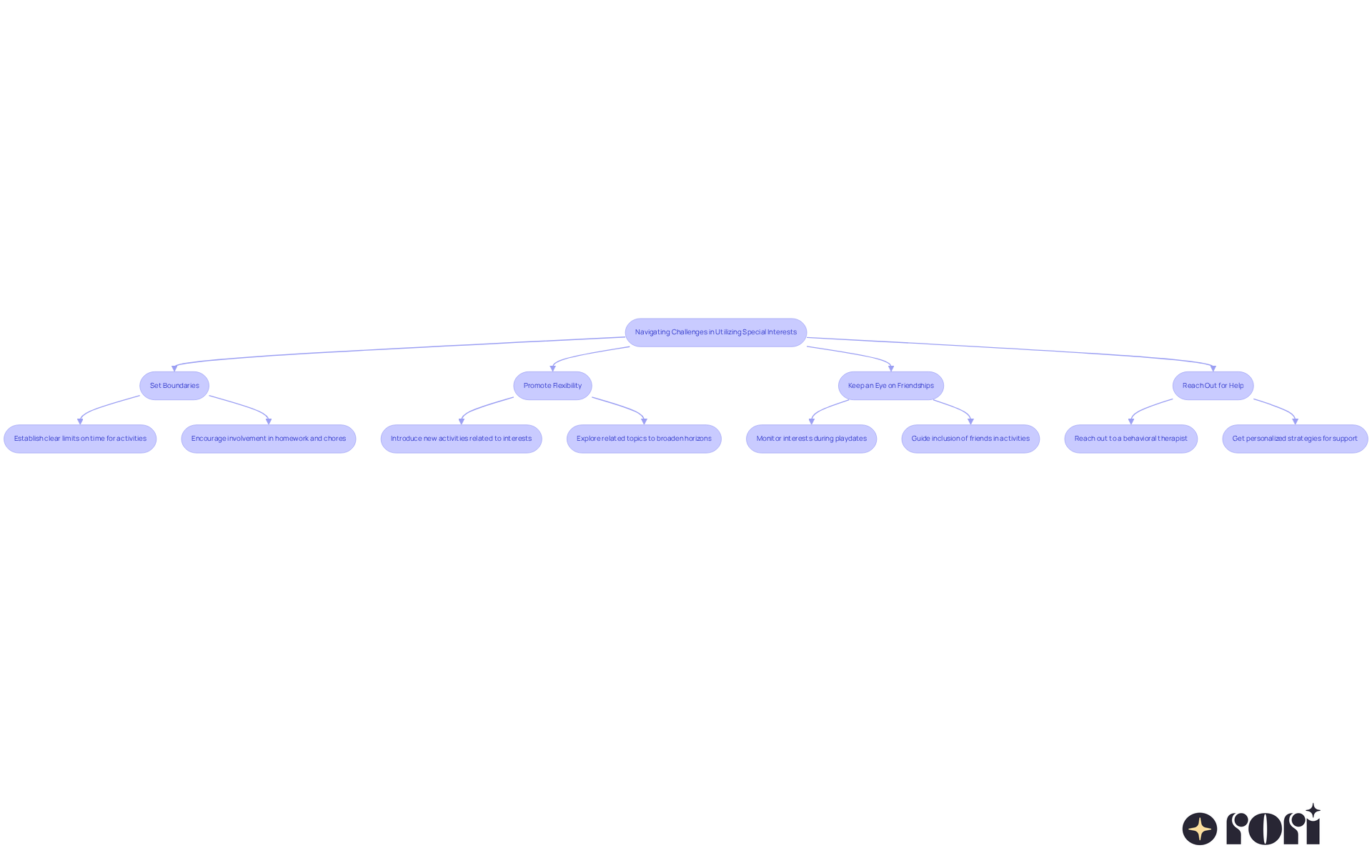
Navigating your child's unique passions can be a double-edged sword, can't it? They can spark incredible involvement in learning, but they might also lead to challenges like inflexibility or getting too focused on one thing. Here are some effective strategies to help you navigate these challenges:
And remember, empowering yourself with ABA principles and strategies can significantly enhance your ability to support your child's behavioral goals. By learning more, you can make informed decisions that positively impact your child's progress, leading to better outcomes for your family. Let’s explore this together!
Special interests can truly change the game for autism care, making learning and therapy more engaging for children. When parents recognize and celebrate their child's unique passions, it can spark motivation. This not only helps improve focus and social skills but also allows kids to thrive in their daily lives. Embracing these interests isn’t just about helping kids grow; it’s about giving them the chance to express themselves and connect with the world around them.
Throughout this article, we’ve explored key strategies like identifying your child's specific interests and weaving them into daily activities and therapy. By doing this, parents can create an enriching environment that nurtures their child’s independence and confidence. Plus, understanding the balance between special interests and necessary routines is crucial for promoting overall development.
At the end of the day, special interests are super important in autism care. They serve as a bridge to better communication, social skills, and emotional well-being. By actively engaging with these interests and using effective strategies, parents can make a profound impact on their child's journey. So, let’s celebrate these unique passions and see how they can help your child grow and connect with the world!
What are special interests in the context of autism care?
Special interests are unique passions or hobbies that children with autism may have, such as dinosaurs, trains, or coding. These interests can be leveraged to drive progress in therapy and everyday life.
Why are special interests important for children with autism?
Special interests are important because they can enhance focus, reduce anxiety, and improve social skills. Engaging with these passions can boost motivation and enhance learning and social interactions.
How can special interests be used to support therapy for children with autism?
Special interests can be used as powerful motivators in therapy, helping children to engage more fully in activities and learn new skills. Creating a space that celebrates these interests can facilitate growth and connection.
What role do parents play in supporting their child's special interests?
Parents can make a significant difference by being equipped with the right knowledge and skills to support their child's goals, helping to celebrate their passions and turning challenges into opportunities for growth.
What are some strategies to enhance the use of special interests in therapy?
Incorporating specific ABA strategies, such as reinforcement techniques and structured routines, can enhance activities related to special interests in therapy. Additionally, social skills group therapy can support communication and relationship-building.
How can special interests contribute to a child's overall development?
By allowing children to engage with their passions, special interests can contribute to their overall development by improving motivation, self-expression, and social interactions, ultimately helping them thrive.