Applied Behavior Analysis (ABA) therapy is a game-changer for kids facing developmental challenges, especially those with autism and similar disorders. In this guide, we’ll explore how ABA can truly enhance communication, social skills, and independence in young ones. But with so many different outcomes and the need for tailored strategies, how can parents navigate the world of ABA therapy to help their child shine?
Let’s dive into the ins and outs of effective ABA implementation! We’ll share insights and practical steps for families to work hand-in-hand with therapists, set meaningful goals, and keep track of progress. Together, we can make a real difference!
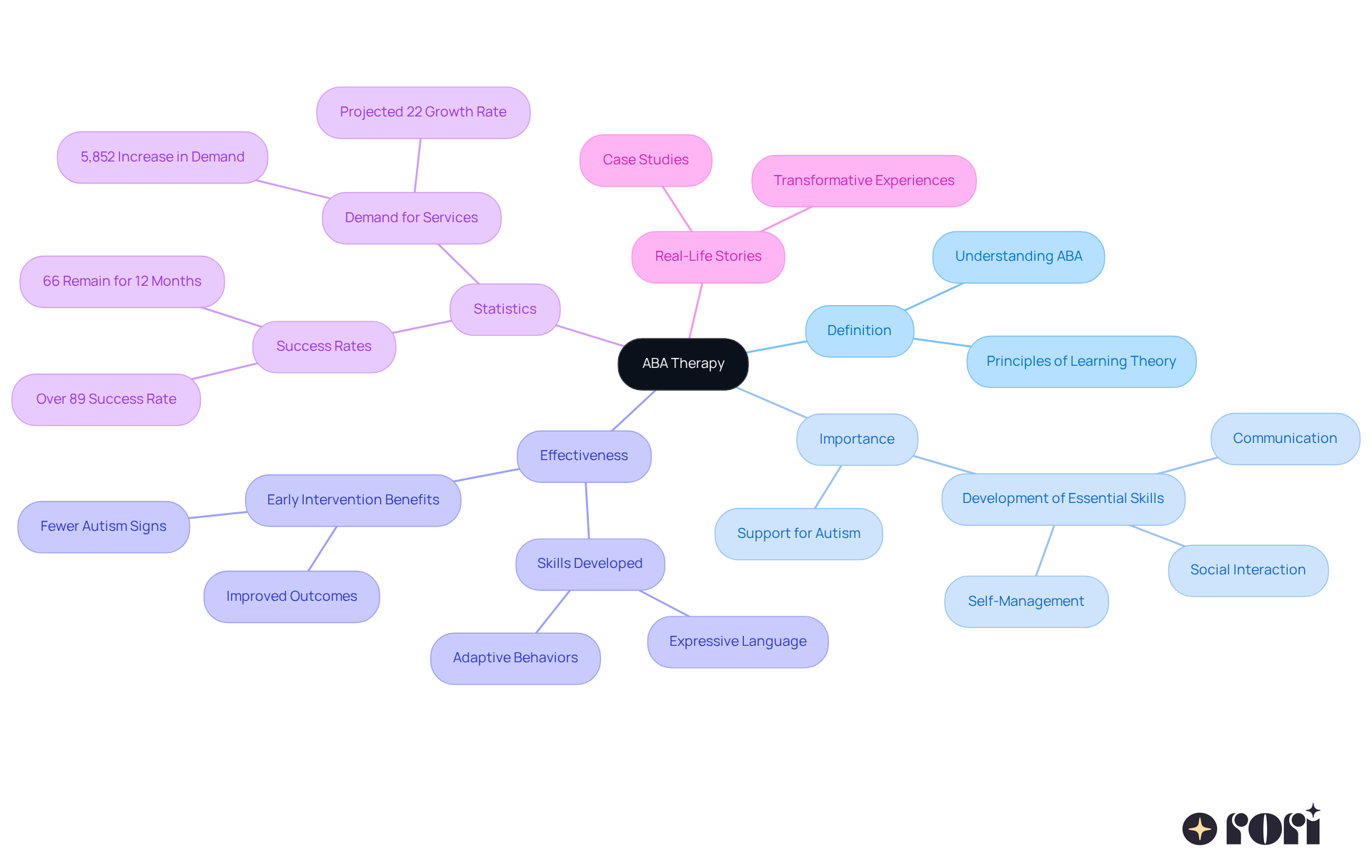
Applied Behavior Analysis (ABA) is a fantastic approach that helps us understand and change behavior using the principles of learning theory. It’s especially effective for kids with autism, ADHD, learning disabilities, and other behavioral challenges. With ABA, children can like communication, social interaction, and self-management. Did you know that kids who start ABA interventions before their second birthday often show amazing improvements in areas like expressive language? That’s right! Research shows a .
The power of really shines through its . Many kids who undergo intensive - typically 25 to 40 hours a week - see , social skills, and overall quality of life. In fact, around 66% of youth referred for ABA services stick with it for at least 12 months, and many reach important milestones in .
Real-life stories highlight just how . Many families report incredible progress in their children’s ability to communicate and socialize. Some kids even go from being non-verbal to expressing themselves verbally after just a few months of treatment! Behavioral scientists emphasize that starting ABA early is crucial. Kids who begin treatment within their first year often show fewer signs of autism compared to those who start later.
In summary, ABA treatment offers guidance for by helping kids reach their full potential and fostering independence, making it a vital part of autism care. Its proven effectiveness, supported by extensive research and real success stories, provides and showcases the key benefits of ABA methods in promoting positive developmental outcomes for young individuals. Let’s explore this together! If you’re considering ABA for your child, know that you’re not alone - we’re here to help you every step of the way!
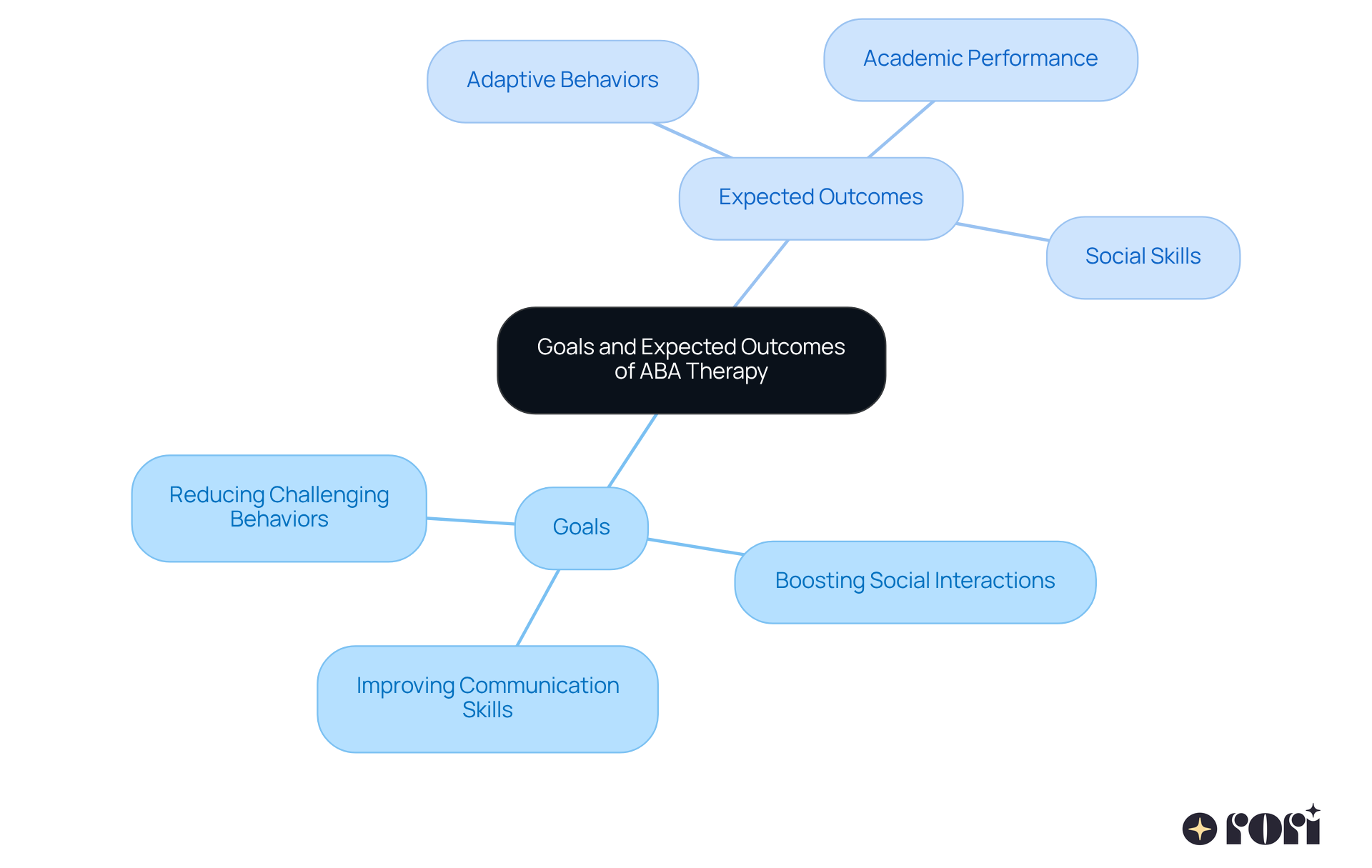
Starting ABA treatment with Rori Care? It’s super important to that fit your child’s unique needs. Think about common objectives like:
With Rori Care’s , we make sure each child’s specific needs are met. In fact, we’ve seen significant progress in 90% of kids when the recommended hours are fully implemented with active caregiver involvement.
Now, results can vary, but research provides guidance for understanding , showing that children involved in ABA interventions often make :
is essential as it provides guidance for understanding . It helps reinforce what’s learned in everyday situations. To keep track of progress, it’s best to set goals that are Specific, Measurable, Achievable, Relevant, and Time-bound (SMART). Regularly chatting about these goals with your child’s therapist can help ensure that the therapy aligns with your child’s evolving needs.
Plus, caregiver education is a game-changer! It empowers you to support your child better and make informed decisions, allowing you to play a positive role in their growth. Let’s explore this together! We’re here to !
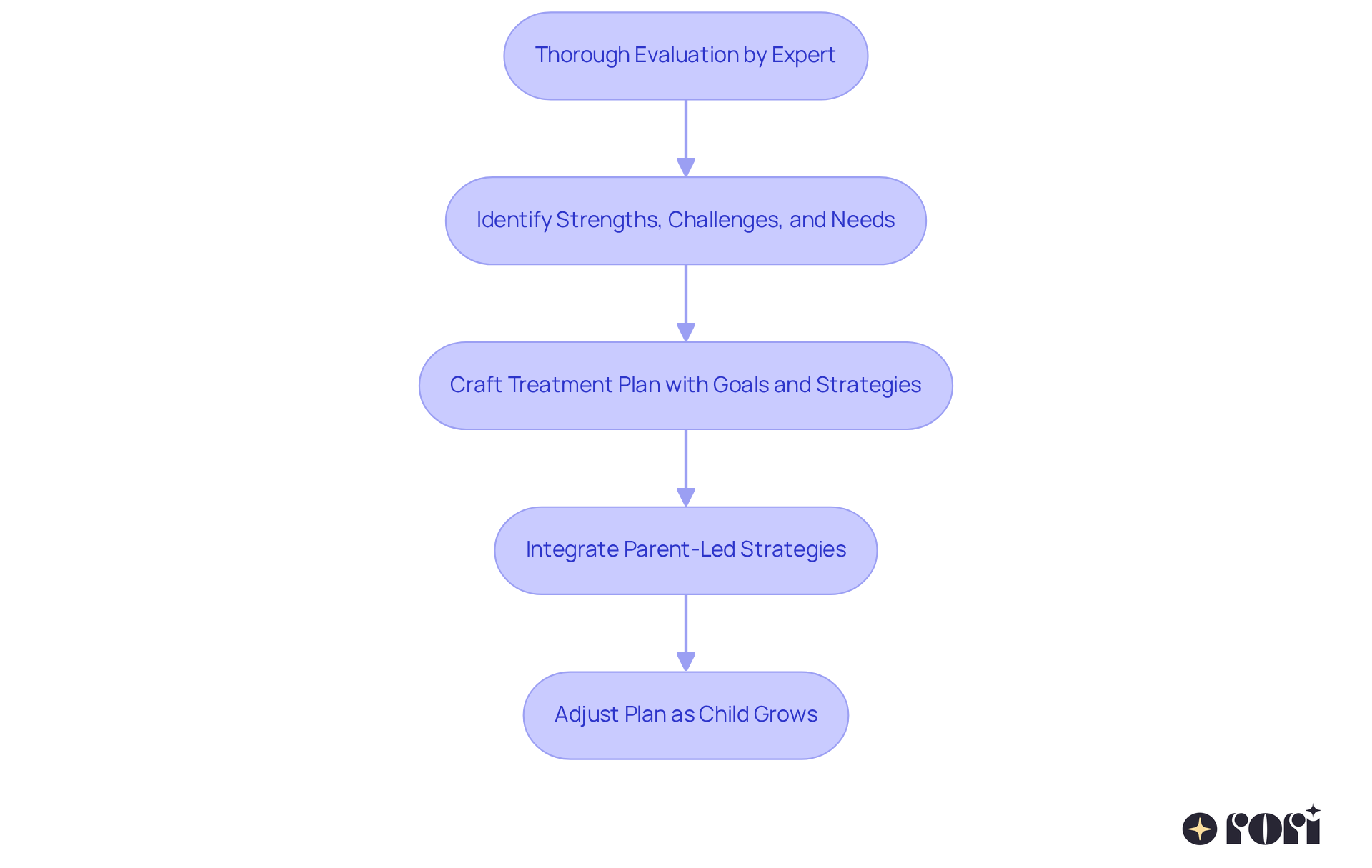
To create a for your little one, it all starts with a thorough evaluation by a . This assessment looks at your child's strengths, challenges, and specific needs, laying the groundwork for effective intervention. Research indicates that kids who receive often benefit from , leading to significant improvements in their cognitive, language, and adaptive skills.
Working alongside your child's therapist, you can craft a treatment plan that includes specific goals, , and ways to . And remember, this plan should be flexible, allowing for adjustments as your child grows. Integrating parent-led strategies not only boosts the treatment's effectiveness but also empowers you to actively support your child's learning and development at home.
Clinicians emphasize that . They ensure that the treatment is tailored to meet each child's unique needs, which offers in communication, socialization, and independence. So, let’s explore this together! Your makes a world of difference!
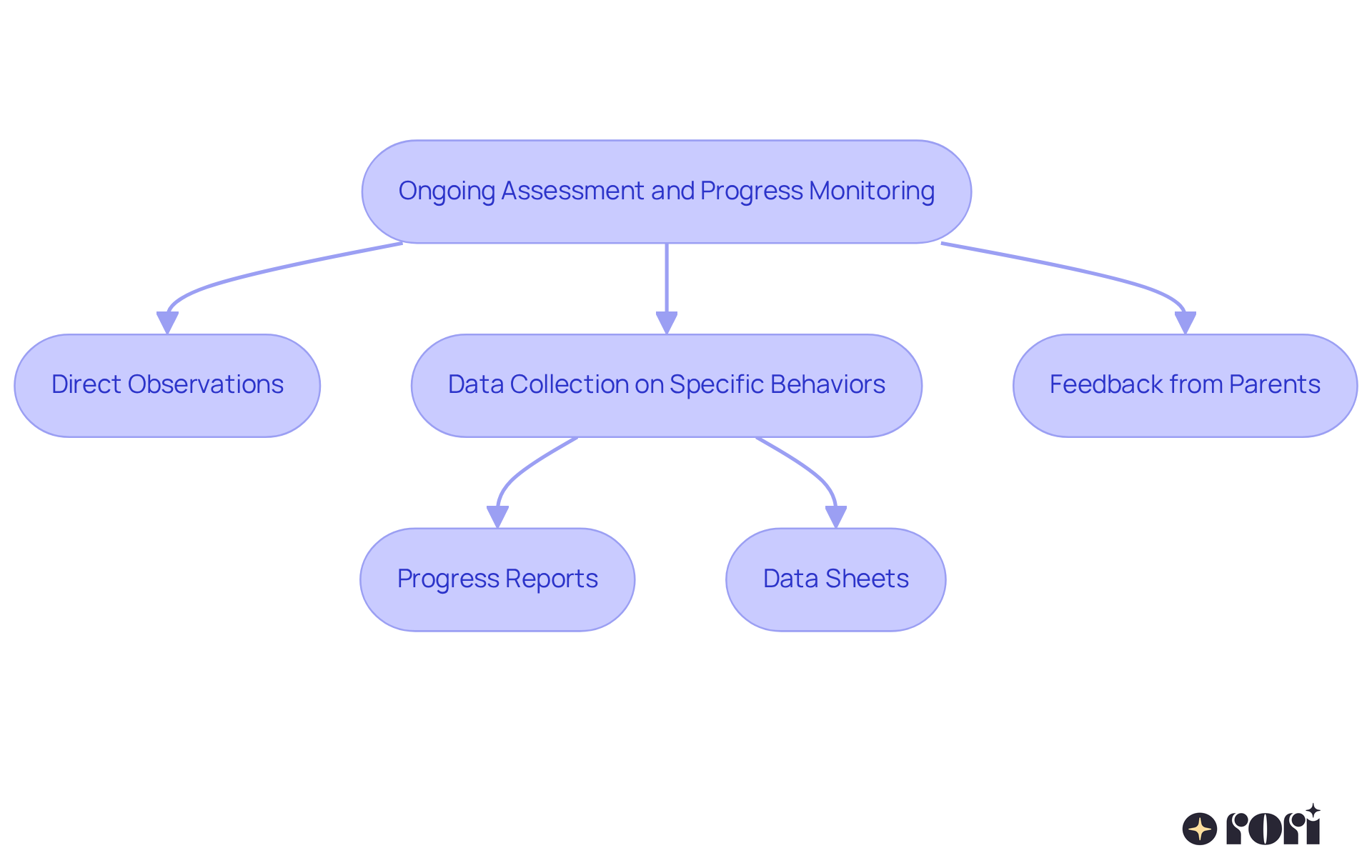
Continuous evaluation is so important in ! It helps therapists keep track of your child's development and adjust as needed. Regular assessments should include:
Using tools like and data sheets is key for documenting changes in behavior and skill acquisition.
For instance, you might notice that your child’s accuracy in recognizing letters improves significantly. This really shows how can be! Staying in touch with your child’s therapist ensures that treatment remains flexible to meet their changing needs. It also creates a that supports your child’s growth.
Research indicates that structured provides valuable guidance for understanding outcomes, with often exceeding 89%! By getting involved in this process, families can gain a better understanding of their child’s journey and the positive effects of ABA intervention. Let’s explore this together!
Collaboration between parents and therapists is crucial for providing at Rori Care. When you create , it opens the door for conversations about goals, progress, and any bumps in the road that might come up. to discuss your child’s progress and tweak the are key, as they offer !
Research shows that when parents get involved, they provide , which leads to , particularly in communication, social skills, and behavioral regulation. For instance, kids whose parents actively participate in their treatment often see better results, with success rates hitting over 89% in crucial developmental areas. Isn’t that amazing? Plus, studies highlight a strong link between , offering guidance for understanding ABA therapy outcomes and underscoring just how vital parents are in this journey.
However, it’s worth noting that only 28% of kids receive a full dose of ABA, which points to the challenges in keeping services going and the need for consistent . Have you thought about joining training sessions or workshops offered by the support team? They can really help you understand the techniques being used.
by sharing your observations about your child’s behavior, asking questions about the therapy process, and giving feedback on what works at home. This kind of involvement creates a nurturing and stable environment, which is especially beneficial for children with autism who thrive on routine and predictability. As one therapist wisely said, "Without parents continuing to use the ABA techniques taught in their child’s structured intervention programs, it’s easy to undo the new skills they acquire if they’re not consistently being reinforced at home."
, significantly enhancing its effectiveness. By actively participating in the therapeutic process, you’re not just supporting your child’s growth and development-you’re also gaining the knowledge and strategies you need to help them reach their behavioral goals. Let’s explore this together!
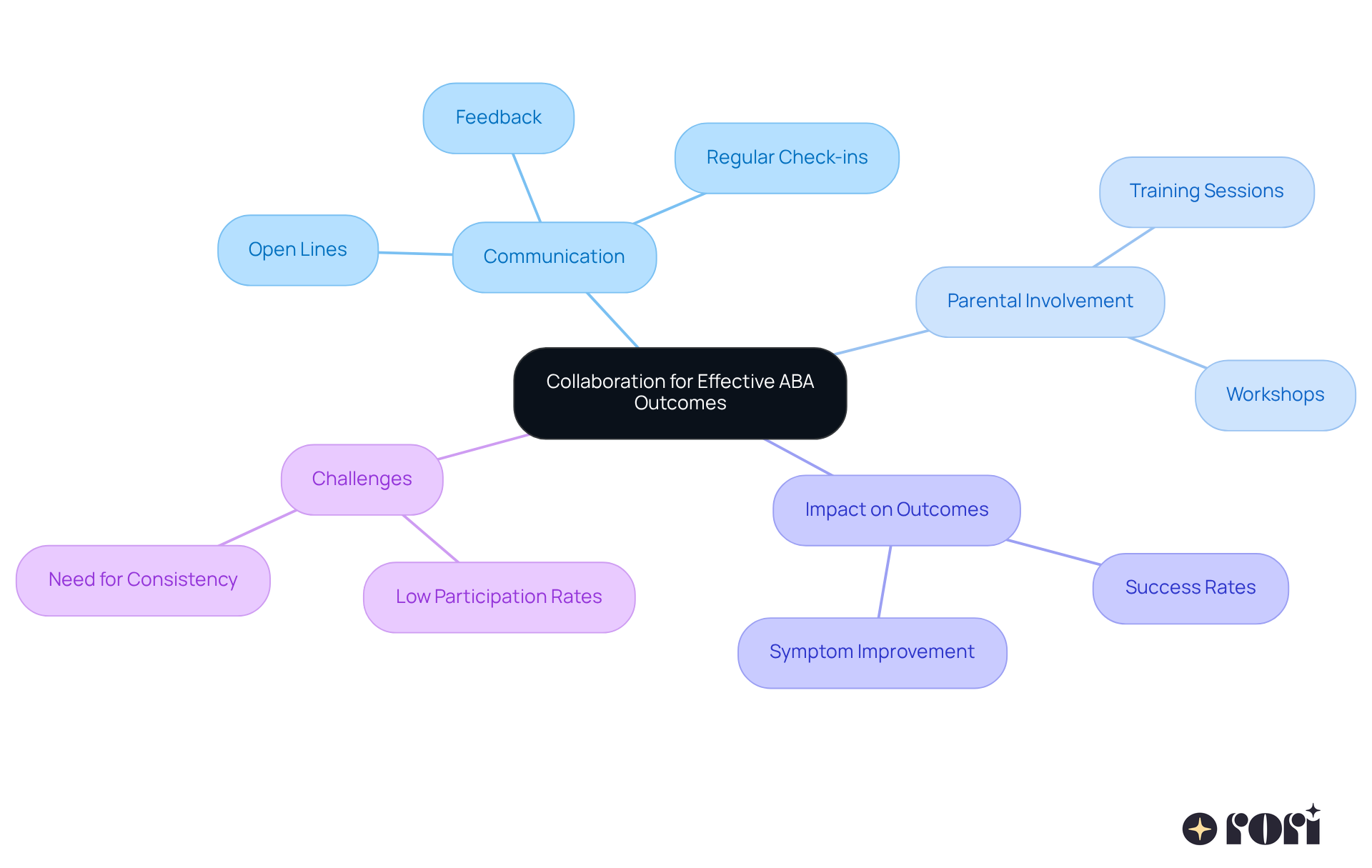
Understanding the outcomes of ABA therapy is so important for parents looking for effective ways to help their children. This approach not only helps kids develop skills in communication, social interactions, and self-management, but it also empowers families to be active participants in their child's growth. The evidence supporting ABA's effectiveness is truly compelling, showing that early and consistent intervention can lead to significant improvements in various developmental areas.
Throughout this guide, we’ve highlighted how crucial it is to:
Engaging with therapists and tracking progress is key, as parents play a vital role in reinforcing the skills learned during therapy. The collaborative relationship between parents and therapists really enhances the treatment's effectiveness, leading to better outcomes for children.
Ultimately, the journey of ABA therapy is all about fostering independence and helping children reach their full potential. By understanding the significance of each part of the process, parents can ensure they’re actively contributing to their child's success. Embrace the chance to learn and grow alongside your child, and remember that your involvement is essential to unlocking the incredible power of ABA therapy. Let’s explore this together!
What is ABA therapy and why is it important?
Applied Behavior Analysis (ABA) is a method that helps understand and change behavior based on learning theory principles. It is particularly effective for children with autism, ADHD, learning disabilities, and other behavioral challenges, helping them develop essential skills like communication, social interaction, and self-management.
What are the benefits of starting ABA therapy early?
Children who start ABA interventions before their second birthday often show significant improvements in areas such as expressive language and overall development. Early treatment can lead to fewer signs of autism and better outcomes compared to those who start later.
How intensive is ABA therapy, and what are the expected improvements?
ABA therapy typically involves 25 to 40 hours of therapy per week. Many children see improvements in academic performance, social skills, and overall quality of life, with about 66% of youth referred for ABA services continuing for at least 12 months.
What goals should be set when starting ABA therapy?
Common goals for ABA therapy include improving communication skills, boosting social interactions, and reducing challenging behaviors. It’s important to set clear, measurable goals that fit the child’s unique needs.
How does family involvement impact ABA therapy outcomes?
Family involvement is crucial as it helps reinforce what children learn in therapy during everyday situations. Active caregiver participation can lead to significant progress in about 90% of children when therapy hours are fully implemented.
What is the SMART goal-setting approach in ABA therapy?
The SMART approach involves setting goals that are Specific, Measurable, Achievable, Relevant, and Time-bound. Regular discussions about these goals with the child’s therapist can help ensure that therapy aligns with the child’s evolving needs.
How can caregiver education benefit ABA therapy?
Caregiver education empowers parents to better support their child and make informed decisions, allowing them to play a positive role in their child's growth and development during therapy.