Feeling overwhelmed by ABA therapy? You’re not alone! Navigating the complexities of ABA therapy can be tough for parents, especially when it comes to keeping things consistent for your child's treatment. Structured support is key - it helps your child learn and grow in the best way possible. But how can you make sure the strategies you use are both consistent and flexible for your child’s changing needs? Let’s explore ten simple ways to keep that balance, so your child can truly thrive!
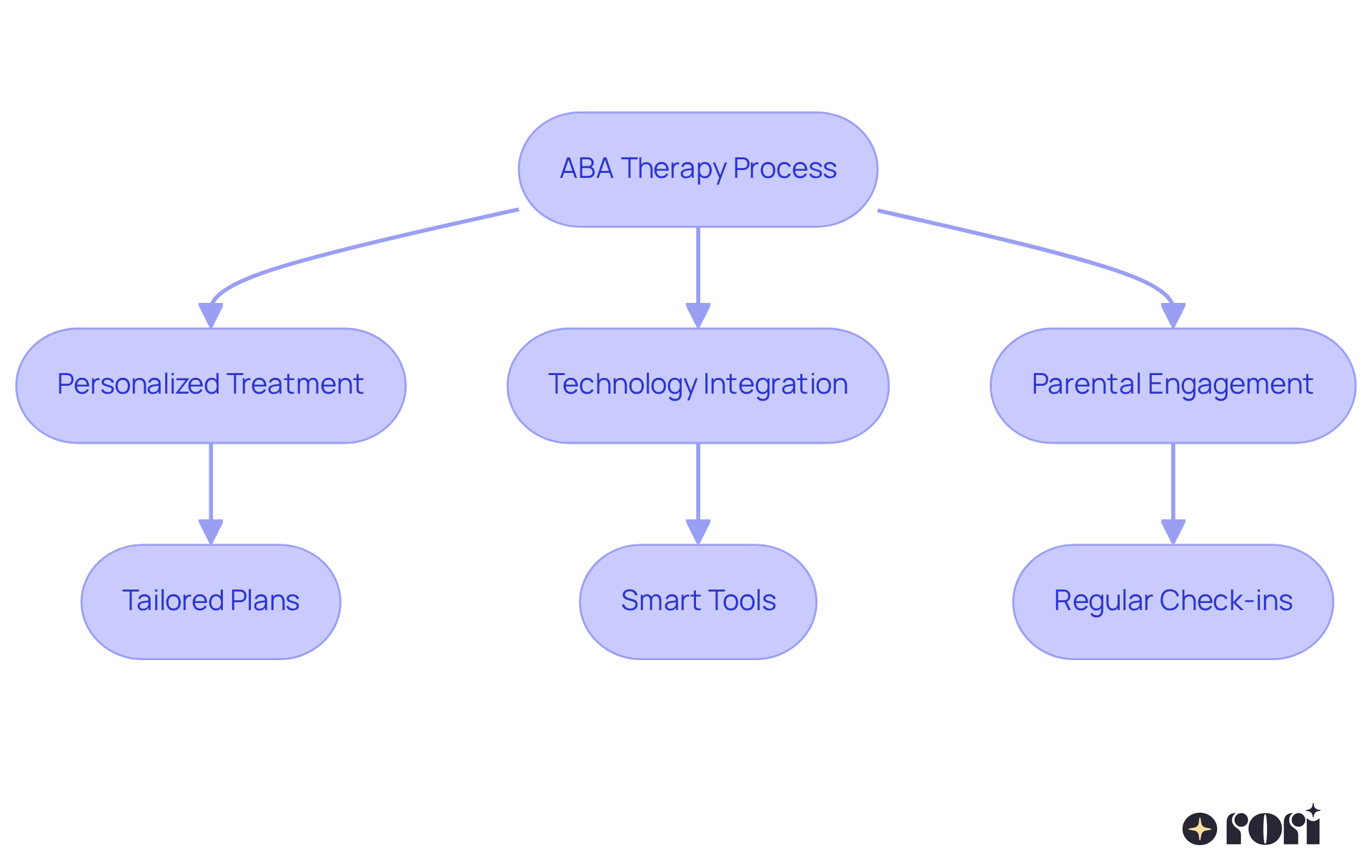
Navigating the world of ABA therapy can feel overwhelming for parents, but it doesn’t have to be. At Rori Care, we believe in a warm, holistic approach to ABA therapy that truly meets your child's needs. We combine personalized treatment with smart technology, giving you back precious time to focus on what matters most - your child!
This means your child gets the support they need, designed just for them! Our organized therapy helps strengthen learned behaviors and includes ways to ensure consistency in ABA therapy, providing the stability that’s so important for growth. We know that many parents feel stretched thin trying to balance their child's needs with daily life. That’s why we’re committed to regularly checking in and adjusting plans to make sure your child is thriving!
When parents actively engage in their child's therapy, it can make all the difference in their journey. By working together, we can create a supportive environment that fosters learning and development. Let’s explore this together!
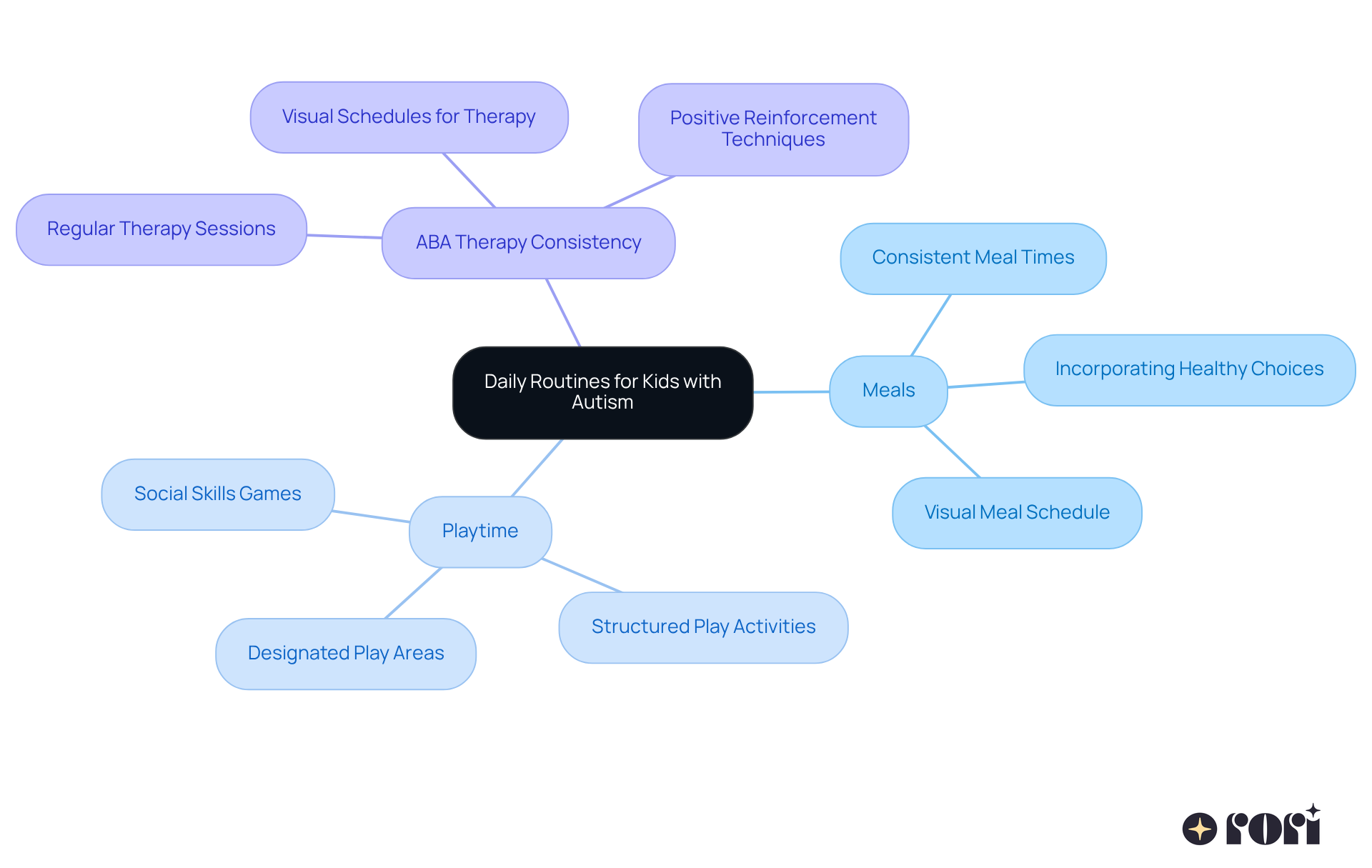
Have you ever noticed how a little predictability can make a big difference in your child's day? Daily routines can really help kids with autism know what to expect, easing their worries and making things smoother. Parents and caregivers should create consistent schedules for activities like:
Visual schedules can be a game-changer! They give clear, easy-to-understand signals that help kids follow their routines. When kids have a predictable environment, they can focus better on learning new skills, which helps them grow and feel good about themselves.
Plus, Rori Care offers a FREE Autism Consultation! We’re here to share helpful ABA strategies that can support your child's goals. Let’s explore this together!
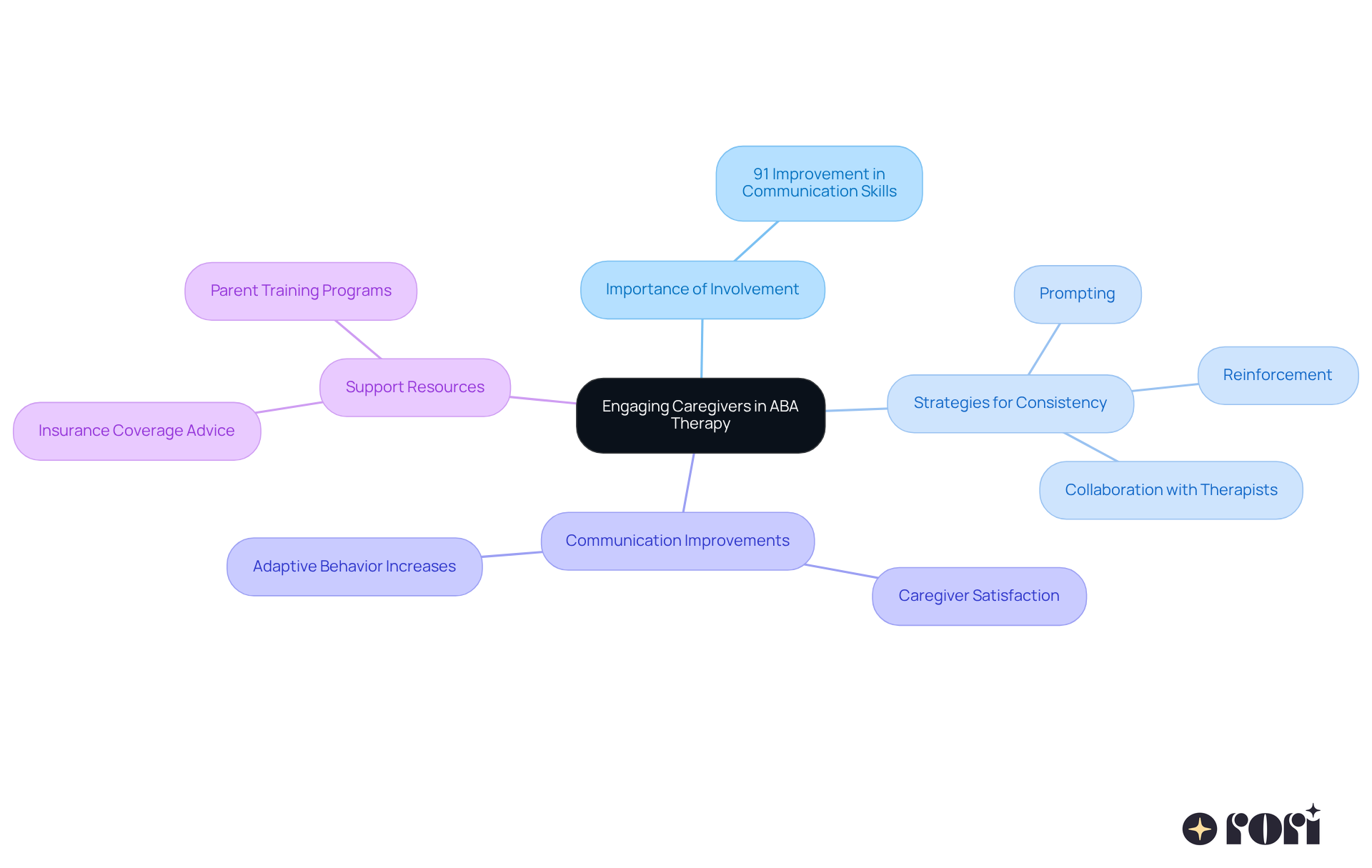
Have you ever wondered how you can make a real difference in your child's ABA therapy journey? Caregivers play a crucial role in the success of ABA therapy by utilizing ways to ensure consistency in ABA therapy while reinforcing the skills their children learn during sessions. Did you know that 91% of caregivers see improvements in their child's communication skills when they get involved? That really emphasizes how important your active participation is!
Staying in touch with your child's therapist can really help you understand how to support their learning at home. By practicing strategies like prompting and reinforcement, you can implement ways to ensure consistency in ABA therapy, ensuring that positive behaviors are acknowledged and rewarded. When everyone works together, it not only helps your child learn but also creates a warm and encouraging space for them to grow.
Plus, understanding ABA principles empowers you to make informed decisions that positively impact your child's progress. As one provider shared, 'My son has emerged from having difficulty using his words to being able to express what he wants.' It really shows how much of a difference your involvement can make in their progress!
And if you're worried about costs, Rori Care offers advice on insurance-covered payment alternatives, helping families secure up to 100% coverage for ABA services. With the right support and resources, you can help your child thrive in ways you never thought possible!
Tracking your child’s progress can feel like a daunting task, but it’s so important! Data tracking is a key part of ABA intervention, helping therapists and parents keep an eye on how things are going over time. When therapists keep track of specific behaviors, they can spot trends and see what’s working. This helps them tweak the treatment plan as needed.
But keeping track of everything can feel overwhelming for parents, right? You can make a big difference by tracking behaviors at home, too! Your insights can guide treatment sessions and help everyone stay on the same page. Using handy apps or software makes tracking data easier and more accurate, which is a win for everyone!
With Rori Care’s behavior care engine, treatment plans get updated after each session based on how well your child is doing, making sure they’re always personalized. Thanks to AI, ABA practices are more efficient, giving therapists 50% more time to focus directly on your child! When you get involved, you’re not just helping your child; you’re becoming a vital part of their journey.

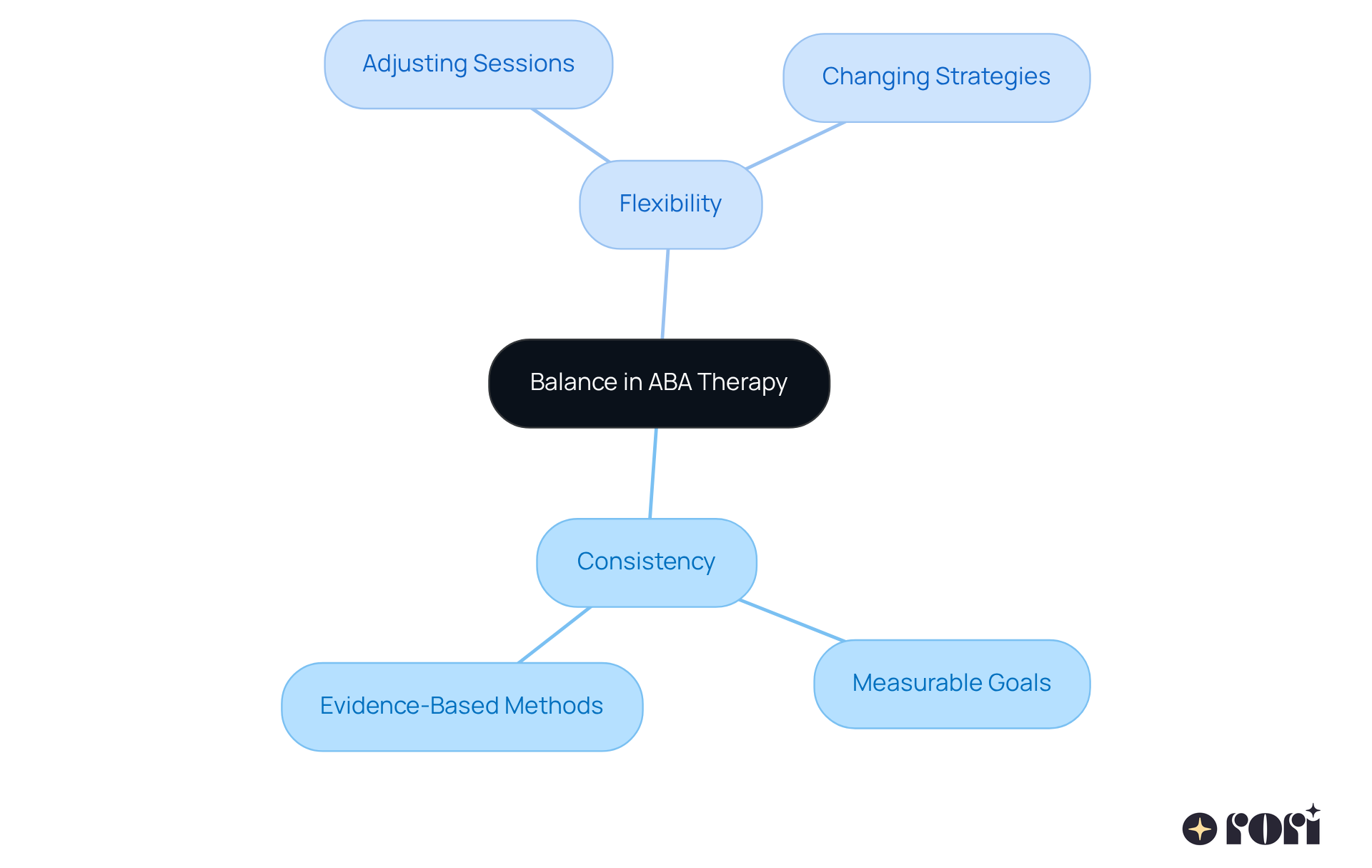
Finding the right balance in ABA treatment can feel like walking a tightrope, can’t it? While there are various ways to ensure consistency in ABA therapy, being flexible to meet your child’s unique needs is just as important. You can find this balance by adjusting treatment sessions based on how your child is feeling that day. For example, if your child is really into a specific activity, why not weave that into the session? It can make learning so much more enjoyable!
Flexibility also means being open to changing strategies when something isn’t working. It’s all about discovering ways to ensure consistency in ABA therapy to keep the treatment responsive and effective. As a parent, you know how important it is to stay informed about your child’s needs. When you’re educated, you can make decisions that positively impact your child’s progress. You might notice that when you adapt your approach, your child seems more engaged and willing to participate. Research shows that this kind of flexibility can lead to a 30% increase in participation and satisfaction!
Plus, when you incorporate measurable goals and evidence-based methods, you’re setting your child up for success. They truly thrive when their interests and feelings are taken into account. By embracing flexibility, you’re not just helping your child; you’re also nurturing a stronger bond between you both.
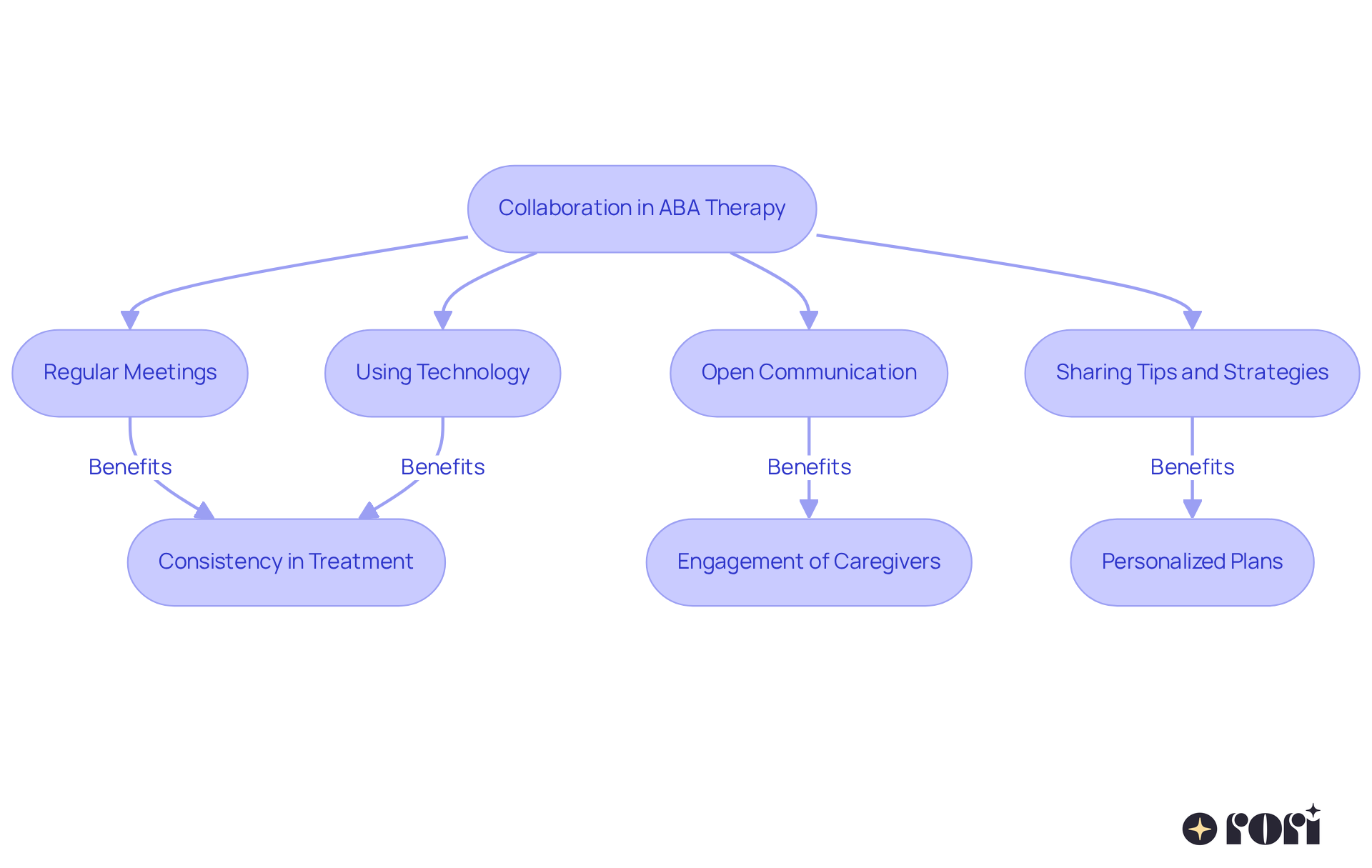
Navigating ABA therapy can feel overwhelming for parents, especially when communication isn’t flowing smoothly. Collaboration among therapists, caregivers, and other professionals is essential for finding ways to ensure consistency in ABA therapy. Regular meetings and open chats help everyone stay in the loop about your child’s progress and any changes to their treatment plan.
When we work together, it provides effective ways to ensure consistency in ABA therapy and helps families get involved in their child’s growth. Sharing tips and strategies lets therapy teams craft personalized plans that really boost your child’s progress. At Rori Care, we’re here to support you every step of the way! We even use advanced AI technology to automate progress report writing, giving you 50% more time to focus on direct treatment.
This innovation improves communication efficiency and allows caregivers to be more engaged in data collection and strategy alignment, ultimately supporting your child’s behavioral goals. Did you know that only 15% of kids with insurance get the recommended therapy hours? That’s why collaborating and maintaining communication are essential ways to ensure consistency in ABA therapy for effective treatment. When everyone works together, it opens doors to new possibilities for your child's success.
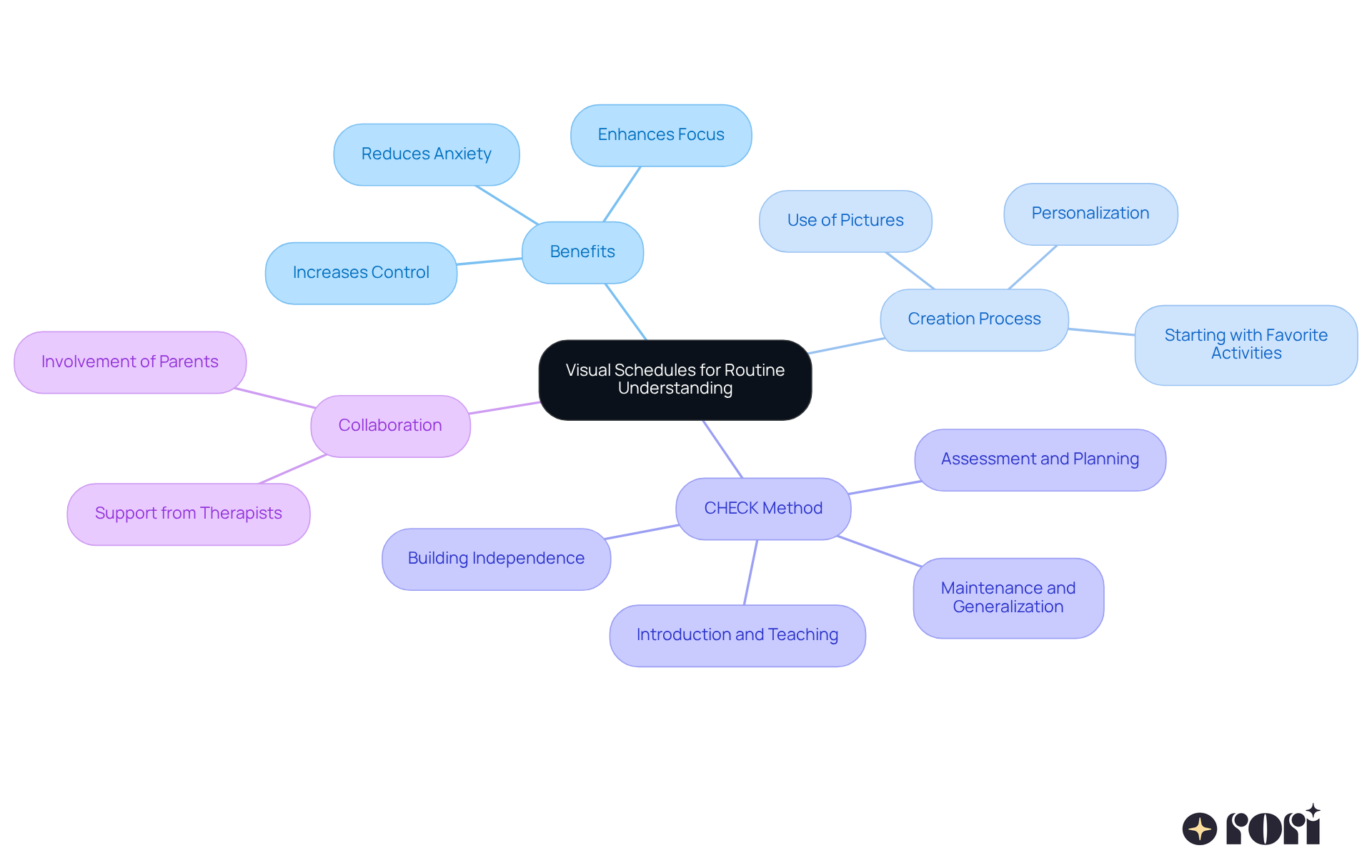
Have you ever felt overwhelmed trying to help your child navigate their daily routine? Visual schedules can be a game-changer for helping kids with autism understand their daily routines! By using pictures, symbols, or written words, these schedules provide clear, step-by-step instructions for what to expect throughout the day. This can significantly lessen anxiety related to transitions and help young individuals feel more in control of their surroundings.
Here at Rori Care, we truly believe that every child deserves personalized support that puts them first. Our team is dedicated to neurodiversity and empowering caregivers with effective strategies. Parents and therapists can work together to create customized visual schedules that reflect the child's daily activities, reinforcing the importance of routine and predictability in their learning process.
Studies show that visual schedules are effective ways to ensure consistency in ABA therapy, helping kids stay focused and engaged in their learning. The CHECK method emphasizes assessment and planning in creating these schedules, ensuring they meet each child's unique needs. Plus, starting with activities your child loves can help ease any reluctance they might have towards using visual schedules, making them even more effective.
When we work together, we can create a supportive environment that truly empowers our children to thrive. Let's explore this together and make a positive impact on their daily lives!
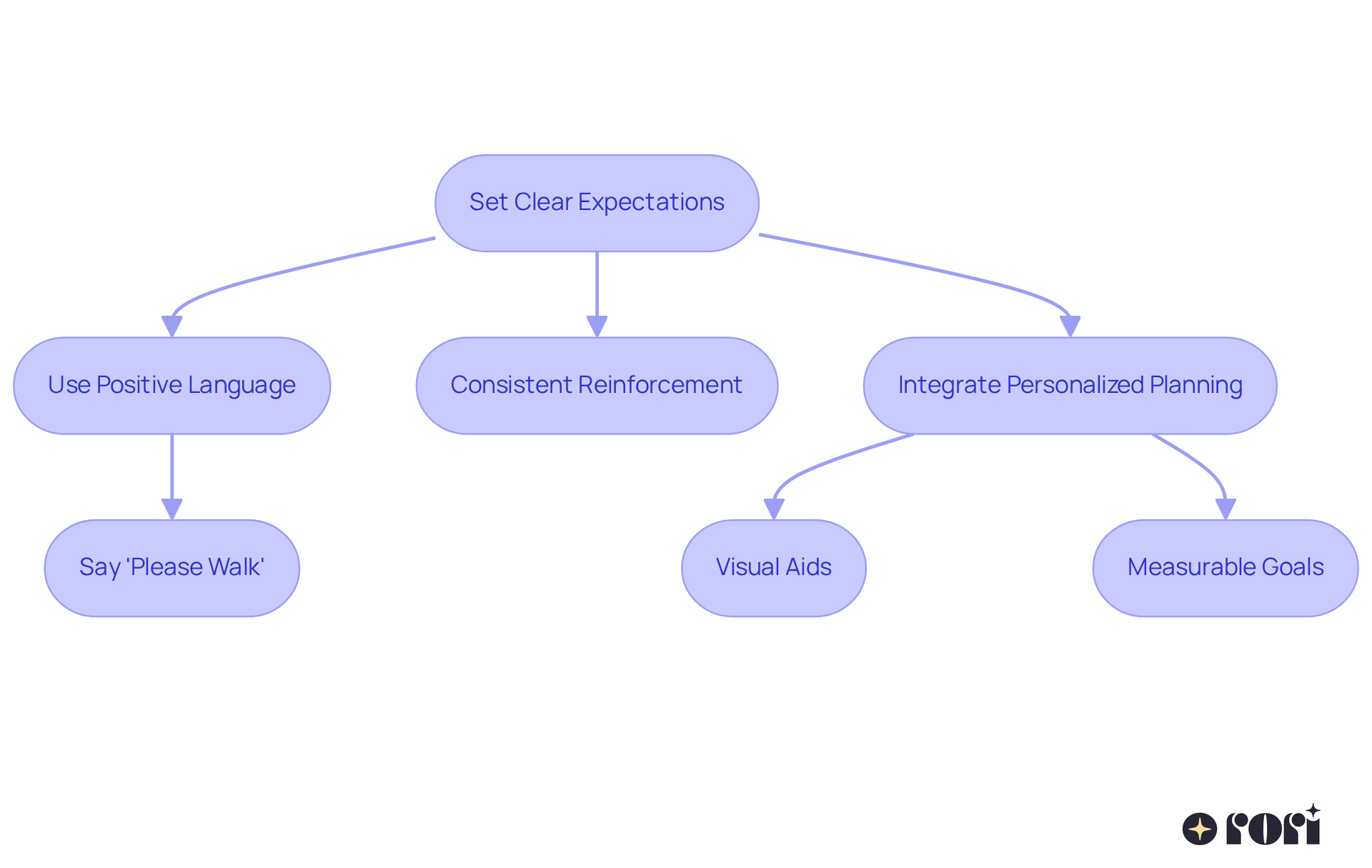
Have you ever noticed how kids thrive when they know what to expect? Establishing clear expectations is one of the ways to ensure consistency in ABA therapy and is key to creating a productive therapeutic setting. Using positive language really helps kids understand what we want from them. For example, instead of saying 'Don't run,' try saying 'Please walk.' This small change not only clarifies what we expect but also encourages positive behavior.
Consistently reinforcing these expectations provides ways to ensure consistency in ABA therapy, helping therapists and caregivers guide kids toward their behavioral goals. Kids who start ABA early often see big improvements in how they communicate and interact with others. This highlights just how important it is to set clear behavioral standards.
By using effective methods like visual aids and consistent reinforcement, therapists can apply ways to ensure consistency in ABA therapy, thereby creating a space where kids feel safe and empowered to thrive. Plus, when we integrate personalized planning and measurable goals into the therapeutic process, it really boosts the effectiveness of ABA treatment.
Empowering caregivers with ABA principles and strategies enhances their ability to support their child's development. When caregivers understand these principles, it transforms not just the child’s behavior but the entire family dynamic. As B.F. Skinner wisely said, 'The way positive reinforcement is carried out is more important than the amount.
Have you ever wondered how to encourage your child to repeat positive behaviors? Positive reinforcement can be a game-changer! It’s all about rewarding kids when they show those desired behaviors, whether it’s with praise, stickers, or even extra playtime. When caregivers explore ways to ensure consistency in ABA therapy, using positive reinforcement consistently creates a fun and motivating space for kids to learn and grow!
At Rori Care, we’re all about keeping things fresh! Our care engine updates treatment plans based on how your child is doing, making sure we’re always in tune with their needs. And guess what? When guardians get involved, it not only boosts the effectiveness of positive reinforcement but also makes them a vital part of their child’s support system.
To make this even easier, caregivers can set clear goals that include ways to ensure consistency in ABA therapy, such as tracking how often positive behaviors happen. This helps everyone see progress and adjust as needed! By taking these steps, you’re not just supporting your child; you’re becoming an essential part of their growth journey!

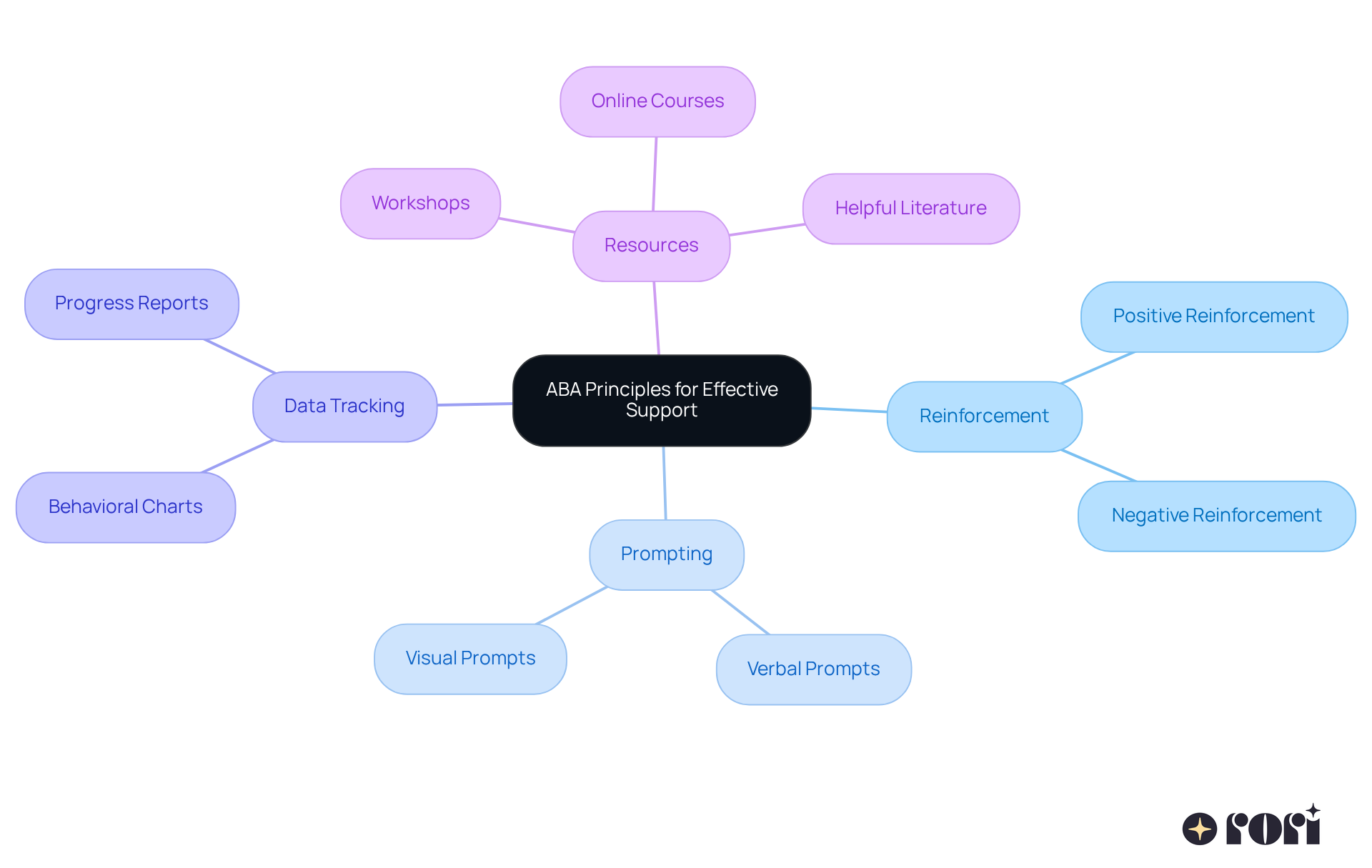
Navigating the world of Applied Behavior Analysis (ABA) therapy can feel overwhelming for parents, but it’s a journey worth taking! Understanding concepts like reinforcement, prompting, and data tracking can really help families get involved in the therapeutic process.
Rori Care offers a variety of resources - think workshops, online courses, and helpful literature - to help you get a better grasp on ABA. Research shows that training programs for parents can significantly boost knowledge and positively impact kids' behavior and social skills.
This understanding allows families to collaborate more effectively with therapists, ensuring they can reinforce learning and support their child’s progress at home. By diving into these educational opportunities, you’re not just boosting your skills; you’re creating a warm, supportive space where your child can truly shine! Let’s explore this together!
Navigating the world of ABA therapy can feel overwhelming, but consistency is key to unlocking your child's potential! By focusing on personalized treatment, daily routines, and getting involved, parents create a nurturing environment for their child's growth. Remember, consistency doesn’t have to be rigid! It’s all about being flexible to meet your child’s unique needs while keeping therapy effective and relevant.
Throughout this article, we’ve highlighted key strategies like:
Tracking progress and fostering collaboration among therapy teams and families is crucial. These elements work together to create a supportive framework that empowers both children and caregivers on this journey.
The journey to successful ABA therapy is all about understanding and applying these principles together as a team. By embracing the resources available and actively participating in the process, caregivers can make a profound difference in their child's life. The road may have its challenges, but with the right support and strategies, you can help your child shine brighter than ever!
What is Rori Care’s approach to ABA therapy?
Rori Care utilizes a warm, holistic approach to ABA therapy that combines personalized treatment with smart technology to meet each child's individual needs.
How does Rori Care support parents in managing their child's therapy?
Rori Care regularly checks in and adjusts therapy plans to ensure that children are thriving, helping parents balance their child's needs with daily life.
Why are daily routines important for children with autism?
Daily routines provide predictability, easing worries and making daily activities smoother for children with autism, which enhances their ability to learn new skills.
What role do visual schedules play in a child's routine?
Visual schedules offer clear signals that help children follow their routines, allowing them to focus better on learning and feel more confident.
How can caregivers contribute to their child's ABA therapy success?
Caregivers can reinforce skills learned during therapy sessions by actively participating and using consistent reinforcement strategies, which significantly improves children's communication skills.
What is the impact of caregiver involvement in ABA therapy?
Studies show that 91% of caregivers notice improvements in their child's communication skills when they engage in the therapy process.
How can caregivers stay connected with their child's therapist?
Caregivers should maintain communication with their child's therapist to understand how to support their learning at home effectively.
What resources does Rori Care provide for families concerned about costs?
Rori Care offers advice on insurance-covered payment alternatives, helping families secure up to 100% coverage for ABA services.