Spotting the early signs of autism in your little one can feel overwhelming, but it’s so important! At just six months old, babies start to engage with the world around them, and while that’s exciting, there are subtle indicators that might suggest they’re having a tough time with social interactions, communication, or sensory processing.
Let’s explore four key signs that can help you spot potential developmental concerns early on, empowering you to seek timely support and interventions:
Wondering how to tell the difference between typical behaviors and those red flags? Let’s chat about it!
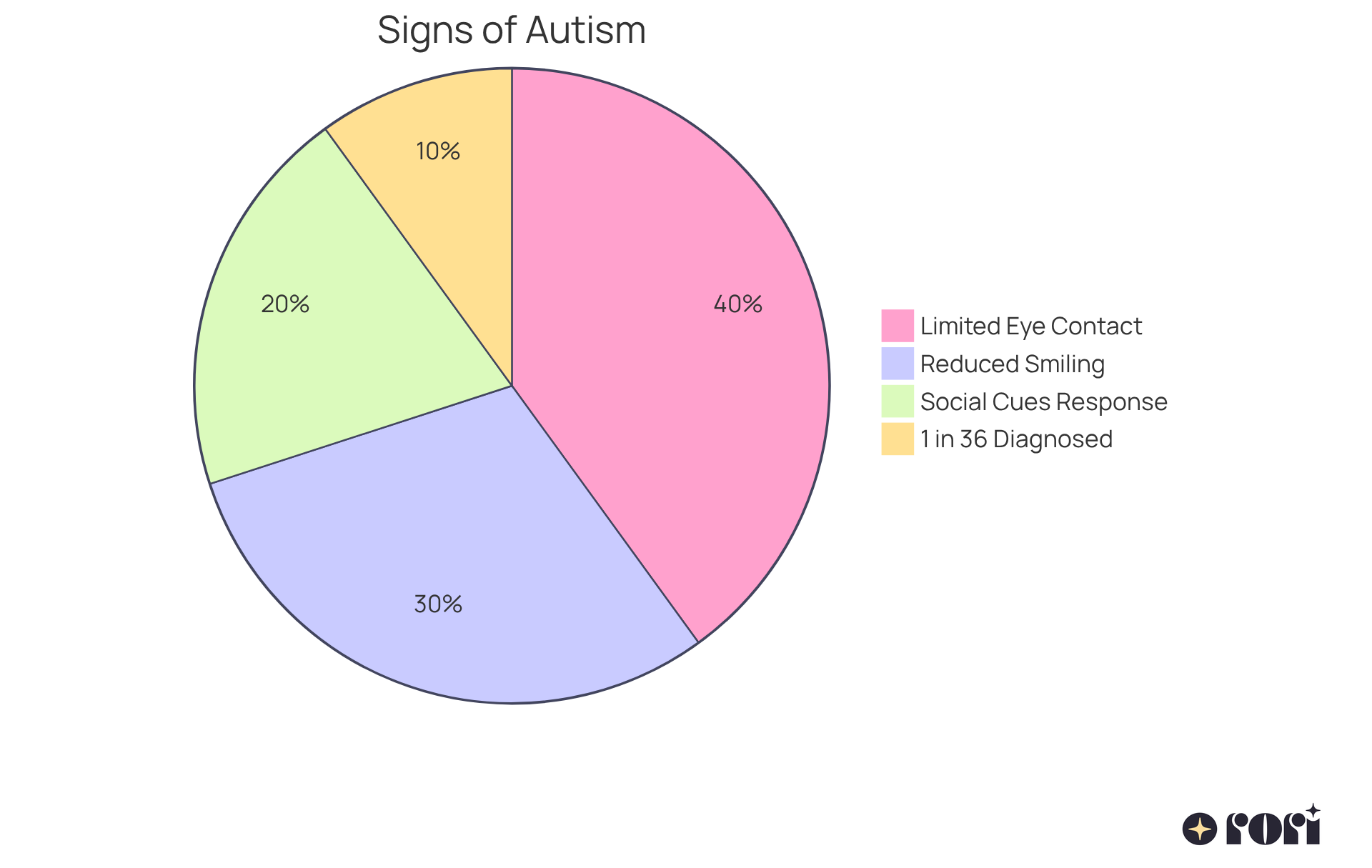
At six months, your baby is starting to explore the world around them, but what if you notice something feels off? Babies typically engage in social interactions through smiles, coos, and eye contact. However, some signs may indicate autism, including:
Recognizing the early signs of autism in babies 6 months can encourage parents to seek further evaluation and support, ensuring that their little ones receive the necessary interventions. Learning more about these signs can really empower you as a parent, giving you the knowledge and skills needed to make informed decisions about your child’s care. This education not only boosts your confidence but also leads to better outcomes for your child. Being proactive now can make a world of difference for your child's future. Did you know that about 1 in 36 kids in the US are diagnosed with autism? That’s why being aware is so important!
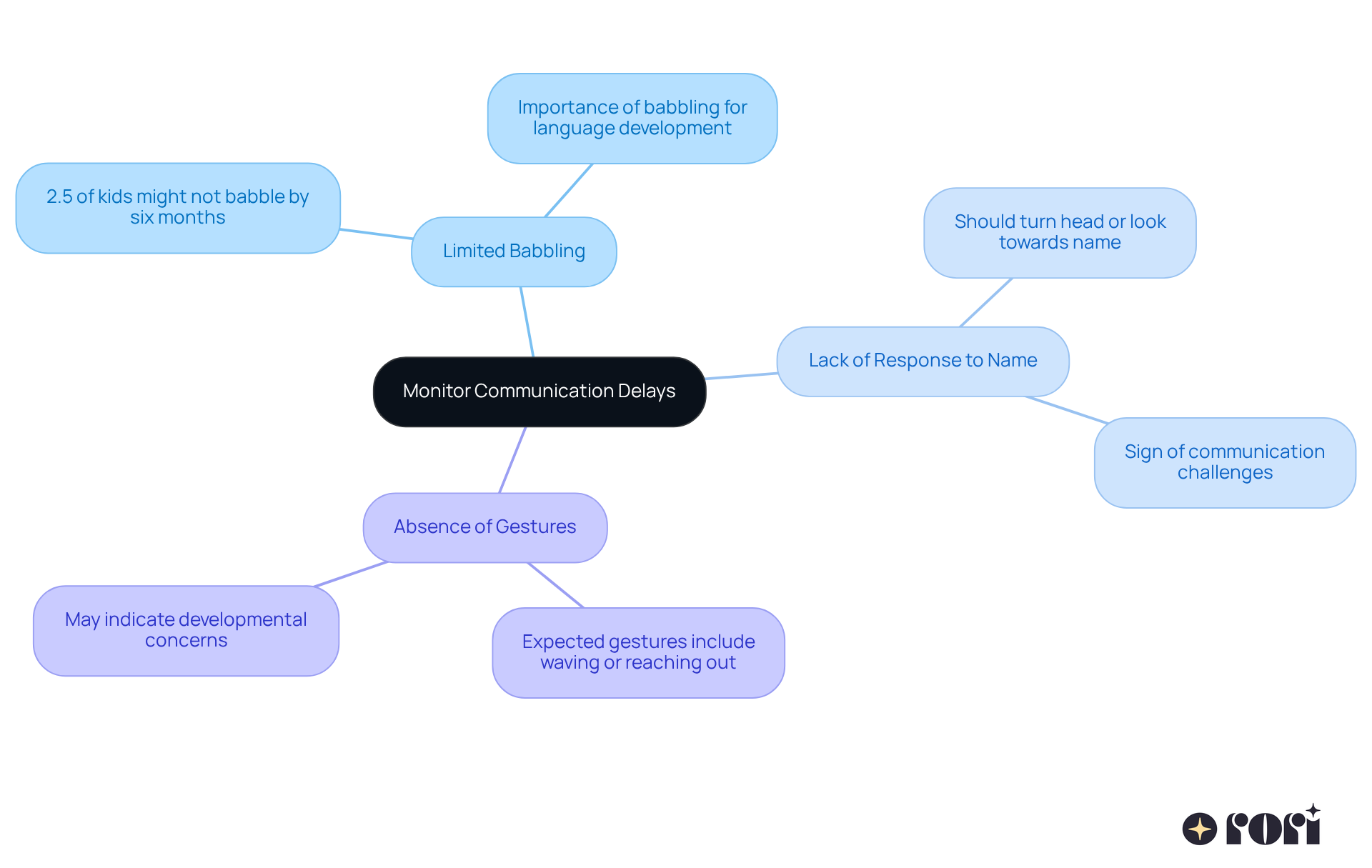
As parents, we all want to hear our little ones babble away, but what if they’re not? By six months, babies typically begin to babble, producing a range of sounds. But there are some signs that might make you pause and think about your baby’s communication skills:
Keeping an eye on the early signs of autism in babies 6 months can really help you identify any issues early on and get the support your little one needs! Remember, assessments for kids under 3 years are free in the U.S., making it easier for parents to seek help if needed. As Chia-Cheng Lee from The University of Memphis says, "The emergence of canonical babbling is critical in forming foundations for speech." This really highlights how important those early sounds are for language development.
At Rori Care, we’re here to help you every step of the way! We know that early intensive behavioral intervention (EIBI) can greatly enhance learning, verbal, and social abilities in individuals with autism. Our clinical leadership team is dedicated to neurodiversity and the success of young individuals, ensuring that caregivers have the ABA principles and strategies tailored to their unique needs. We encourage you to actively engage in your child's development by observing these signs and seeking evaluations when necessary.
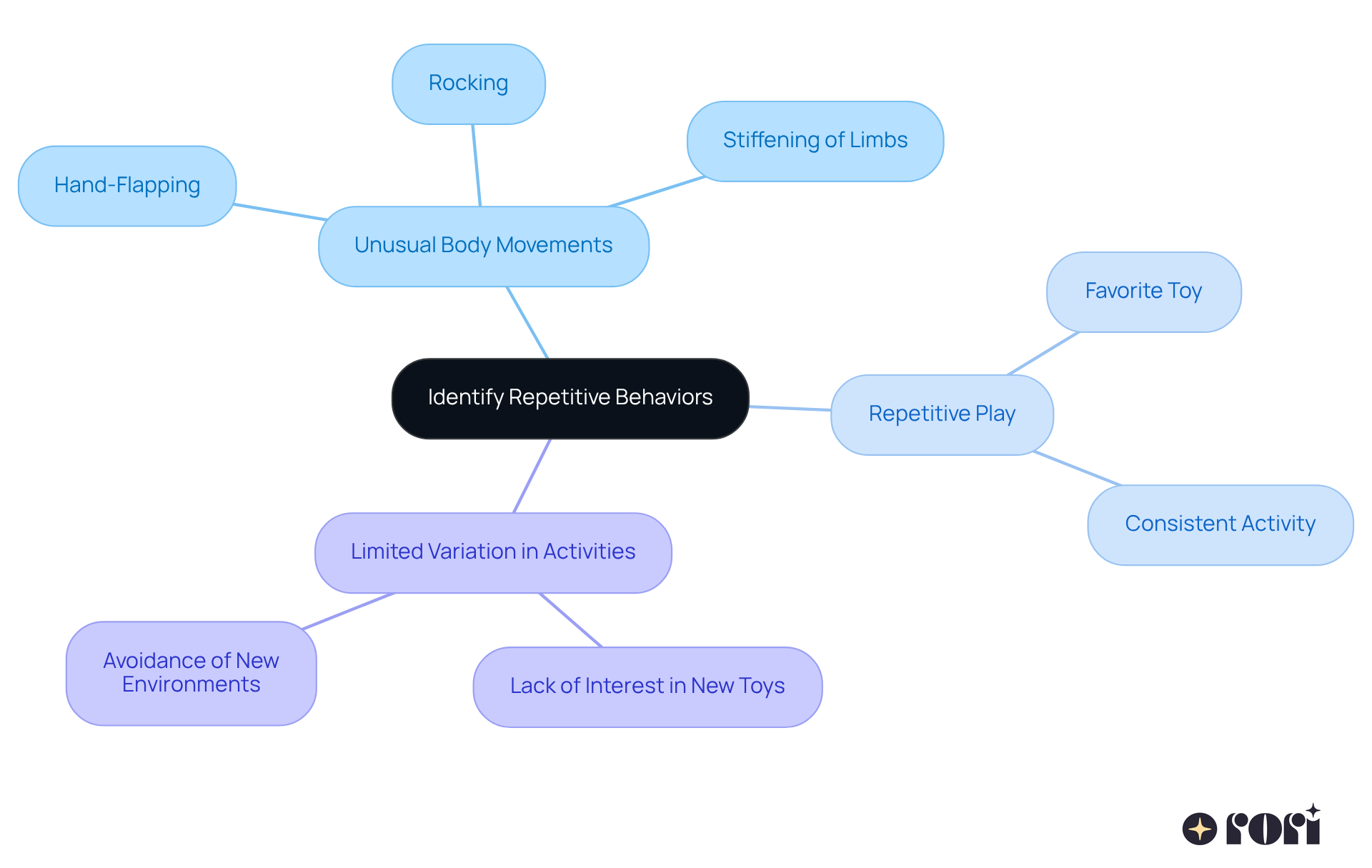
As parents, we often wonder what’s normal when it comes to our little ones, right? Repetitive behaviors can show up in different ways in infants, and it’s important to keep an eye out for early signs of autism in babies 6 months. Here are a few signs to watch for:
It can be tough to know what to look for when it comes to your little one’s development, but recognizing the early signs of autism in babies 6 months can make a world of difference in getting the right support. At Rori Care, we’re here to help every step of the way, offering support for children of all ages facing these challenges, including those with Autism Spectrum Disorders, ADHD, and learning disabilities. With the right support, your child can thrive, and you don’t have to navigate this journey alone.
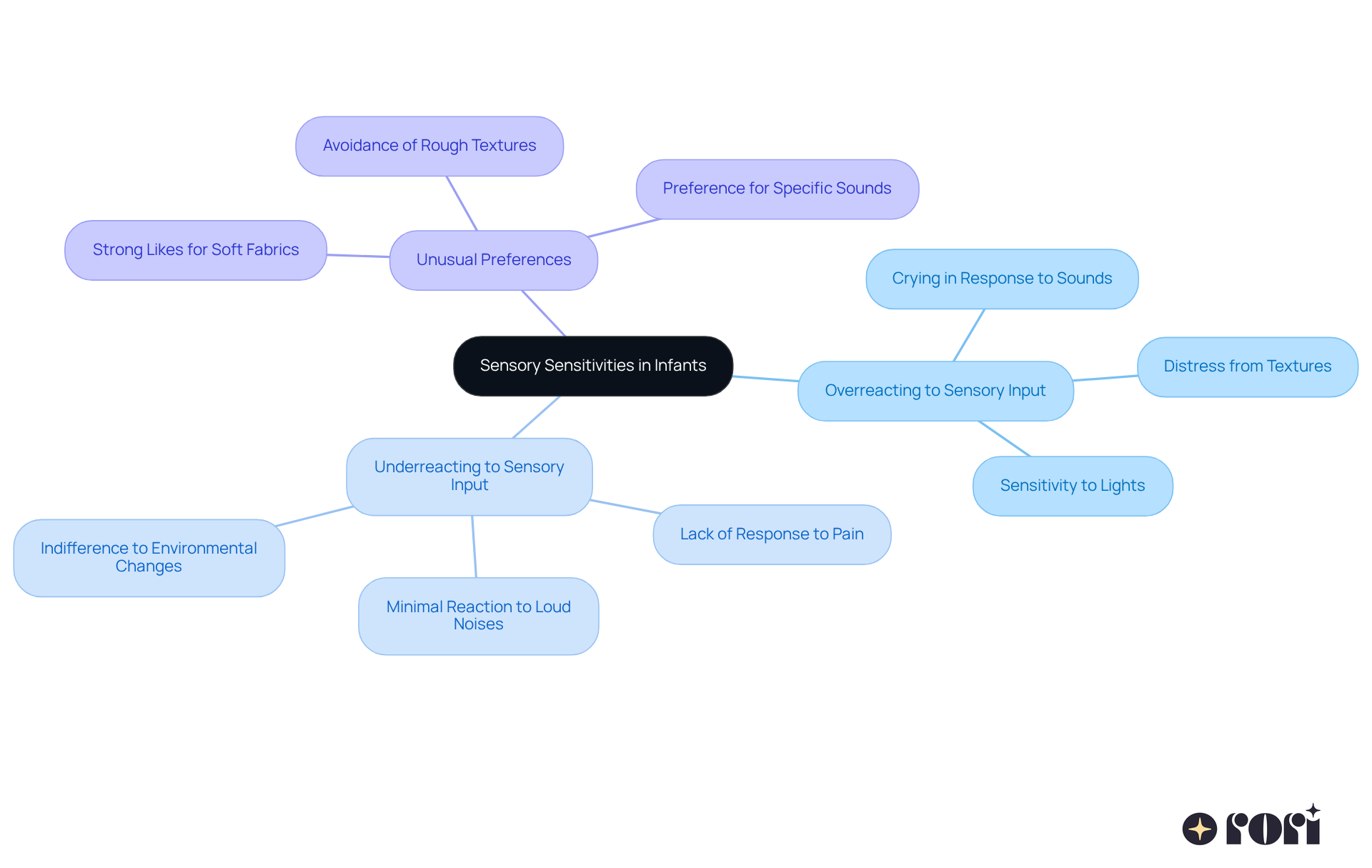
Have you ever noticed your baby reacting differently to sounds or textures? Being aware of sensory sensitivities is crucial for parents, as they can be among the early signs of autism in babies 6 months. Here are a few things to look for:
Recognizing these sensory sensitivities is so important for parents. By tuning into these signs, you can make a real difference in your child's journey toward support and understanding. We’re here to support your family with compassionate Applied Behavior Analysis treatment, equipping you with the knowledge and skills to help your loved one thrive. This active involvement creates a consistent and supportive environment, maximizing the impact of the intervention. You can apply ABA principles by observing your child's reactions to various stimuli and adjusting their environment to better suit their sensory needs. Let’s explore this together!
Spotting the early signs of autism in your little one can feel overwhelming, but it’s so important for their future! By knowing what to look for - like limited eye contact, reduced smiling, or communication delays - you can take proactive steps to support your child. It can be tough to know what to look for when it comes to your baby's development, but recognizing these signs can help you take action!
Throughout this article, we’ve highlighted key indicators that can guide you in monitoring your baby's growth.
Each of these can be a marker for autism, reminding us to stay vigilant during these formative months.
But catching these signs early can really change the game for your child! Being informed and proactive can lead to better outcomes for children facing developmental challenges. So, keep observing your child's behaviors closely and don’t hesitate to seek professional evaluations when needed. This engagement not only creates a supportive environment for your little one but also empowers you with the knowledge to navigate their developmental journey effectively. Taking these early signs seriously can truly shape your child's path, leading to a brighter tomorrow!
What are the typical social interaction behaviors of a six-month-old baby?
At six months, babies typically engage in social interactions through smiles, coos, and eye contact.
What signs might indicate that a six-month-old baby could be showing early signs of autism?
Signs that may indicate early signs of autism in a six-month-old include limited eye contact, reduced smiling, and a lack of response to social cues.
How common is limited eye contact among infants with autism?
Research shows that about 40% of infants with autism exhibit limited eye contact by six months of age.
What does reduced smiling in a baby indicate?
A lack of reciprocal smiling in a baby may be a red flag for developmental concerns, suggesting potential social interaction challenges.
What is social referencing, and why is it important?
Social referencing is the ability to react to familiar faces or voices. A lack of response to these cues in a baby may suggest difficulties in social referencing, which is a key aspect of social interaction.
Why is it important for parents to recognize the early signs of autism?
Recognizing early signs of autism can encourage parents to seek further evaluation and support, ensuring that their child receives necessary interventions for better outcomes.
What is the prevalence of autism diagnoses among children in the US?
Approximately 1 in 36 kids in the US are diagnosed with autism, highlighting the importance of awareness regarding early signs.