

Understanding the relationship between Autism Spectrum Disorder (ASD) and sleep disturbances is a real concern for many families. Did you know that a staggering 90.21% of children with ASD face sleep issues? This highlights the urgent need for specialized strategies to tackle these challenges. Caregivers are right there in the thick of it, armed with techniques that not only improve sleep quality but also boost overall well-being.
So, how can these tailored interventions change the nighttime routine for children with ASD and their families? Let’s explore this together! By sharing experiences and insights, we can create a supportive community that helps each other navigate these challenges.
Rest disturbances are surprisingly common among kids with Autism Spectrum Disorder (ASD). In fact, research shows that about 90.21% of children with ASD face some kind of sleep issue, especially in Chonburi Province, Thailand. These challenges can look like insomnia, trouble falling asleep, shorter sleep duration, waking up frequently during the night, and getting up too early in the morning.
So, what’s behind these sleep troubles? Well, factors like:
can all play a role. Tackling these sleep challenges is really important because specialized approaches to addressing sleep issues in children on the autism spectrum can help mitigate poor sleep quality, which can exacerbate ASD symptoms, lead to behavioral issues, affect cognitive functioning, and lower overall quality of life.
But here’s the good news! Taking proactive steps to improve sleep quality is essential and can include specialized approaches to addressing sleep issues in children on the autism spectrum, leading to better outcomes for kids with ASD. One way to do this is by empowering caregivers with education on ABA principles and strategies. This knowledge helps them provide the right support at home, make informed decisions, and actively engage in their child’s development.
When caregivers are involved, it not only boosts the effectiveness of interventions but also fosters better behavioral outcomes and informed decision-making. This ultimately benefits the whole family dynamic. Let’s explore this together and see how we can make a positive change!
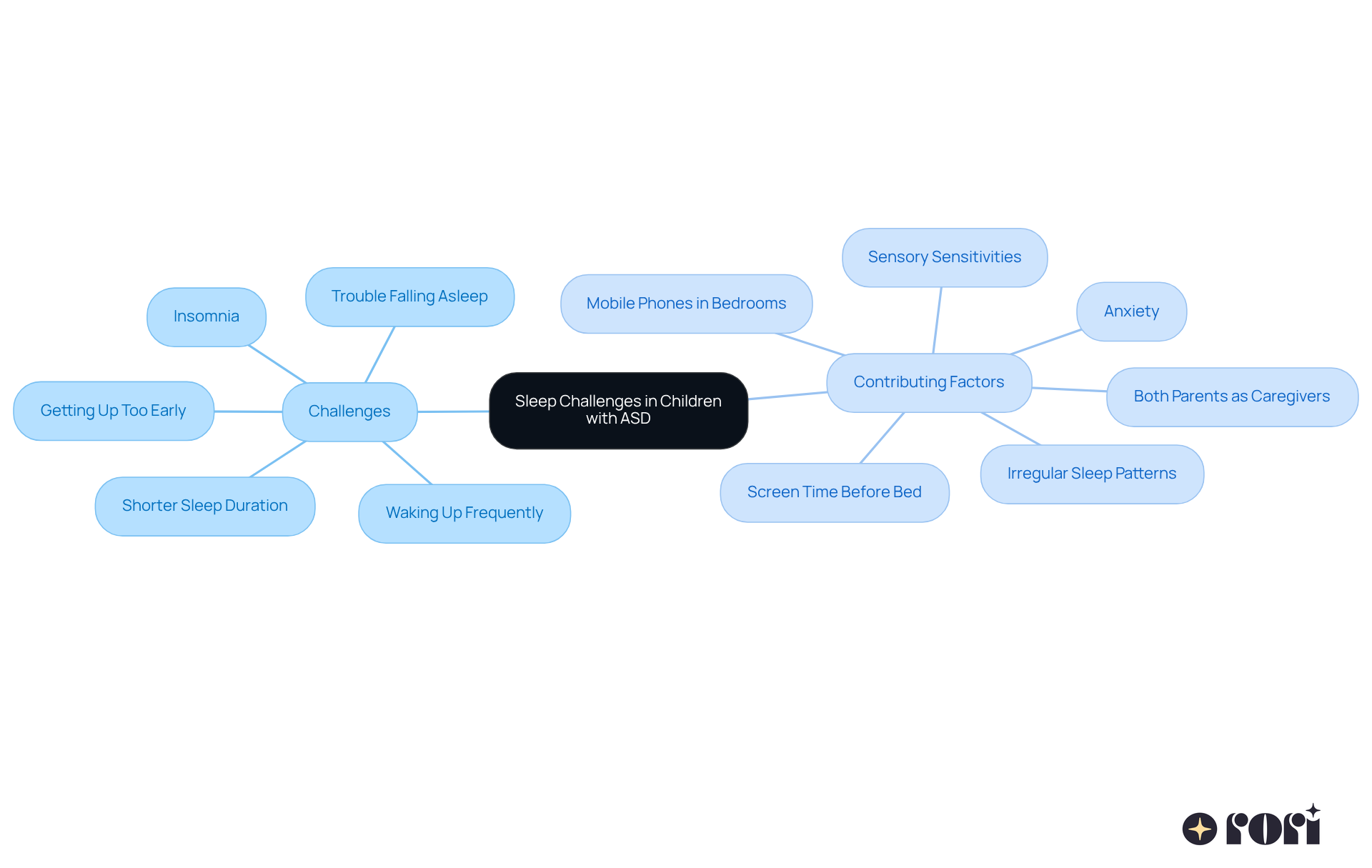
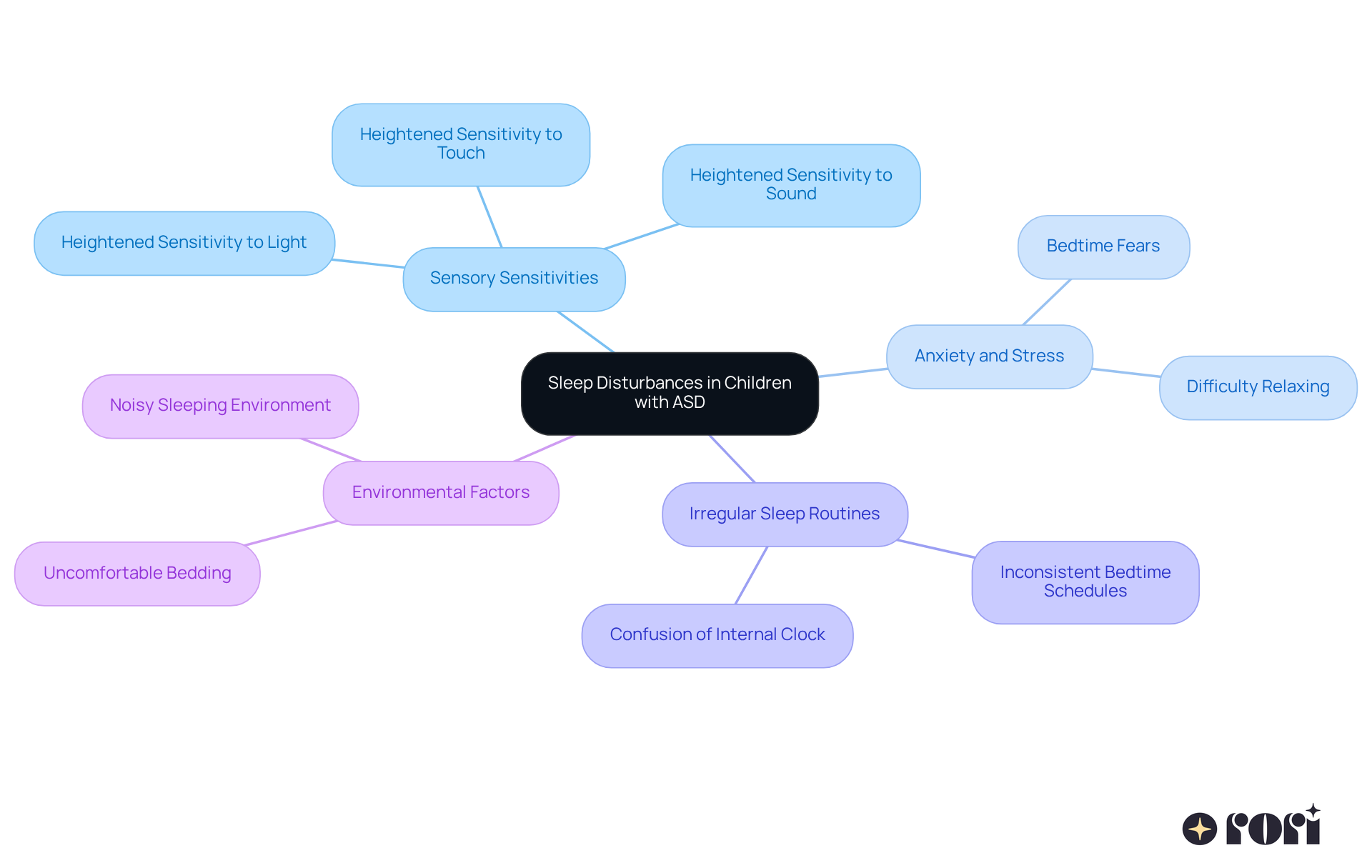
Sleep disturbances in children with Autism Spectrum Disorder (ASD) can come from a mix of factors that often intertwine. Let’s take a closer look at some of these challenges:
By recognizing and addressing these factors, you can gain a better understanding of your child’s sleep challenges and explore specialized approaches to addressing sleep issues in children on the autism spectrum. The principles of Applied Behavior Analysis (ABA) therapy can be incredibly helpful here. They empower you to actively engage in your child’s development. With the right education on ABA strategies, caregivers can enhance their support at home, leading to better decision-making and improved outcomes.
Timely identification and intervention for sleep issues are crucial. They can significantly improve the overall quality of life for children with ASD and their families. So, let’s explore this together! We’re here to help you every step of the way!
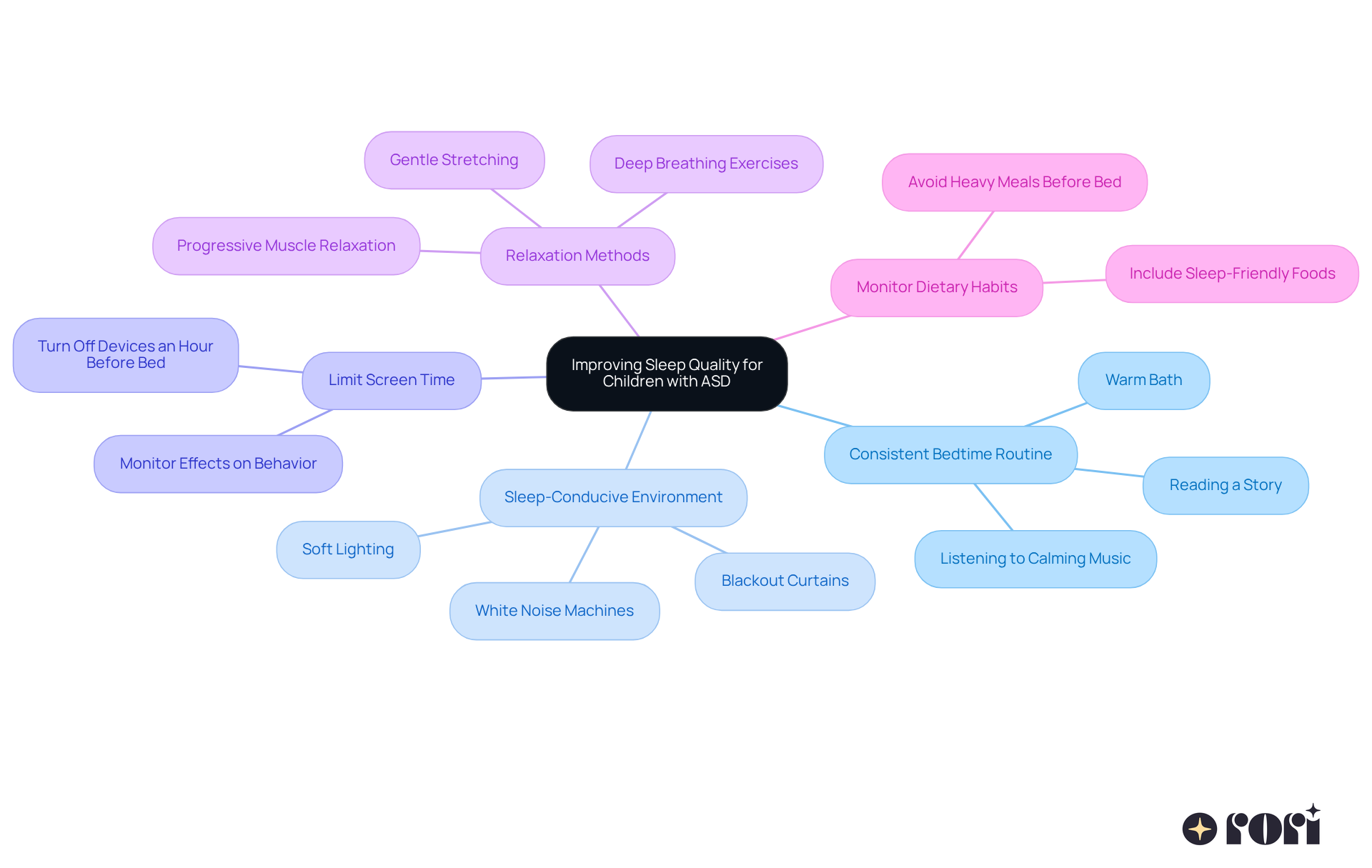
To help improve sleep quality for children with ASD, caregivers can try out some friendly strategies, all rooted in ABA principles:
These strategies, guided by your education in ABA, can help create specialized approaches to addressing sleep issues in children on the autism spectrum, making it easier for them to drift off and stay asleep. Let’s explore this together!
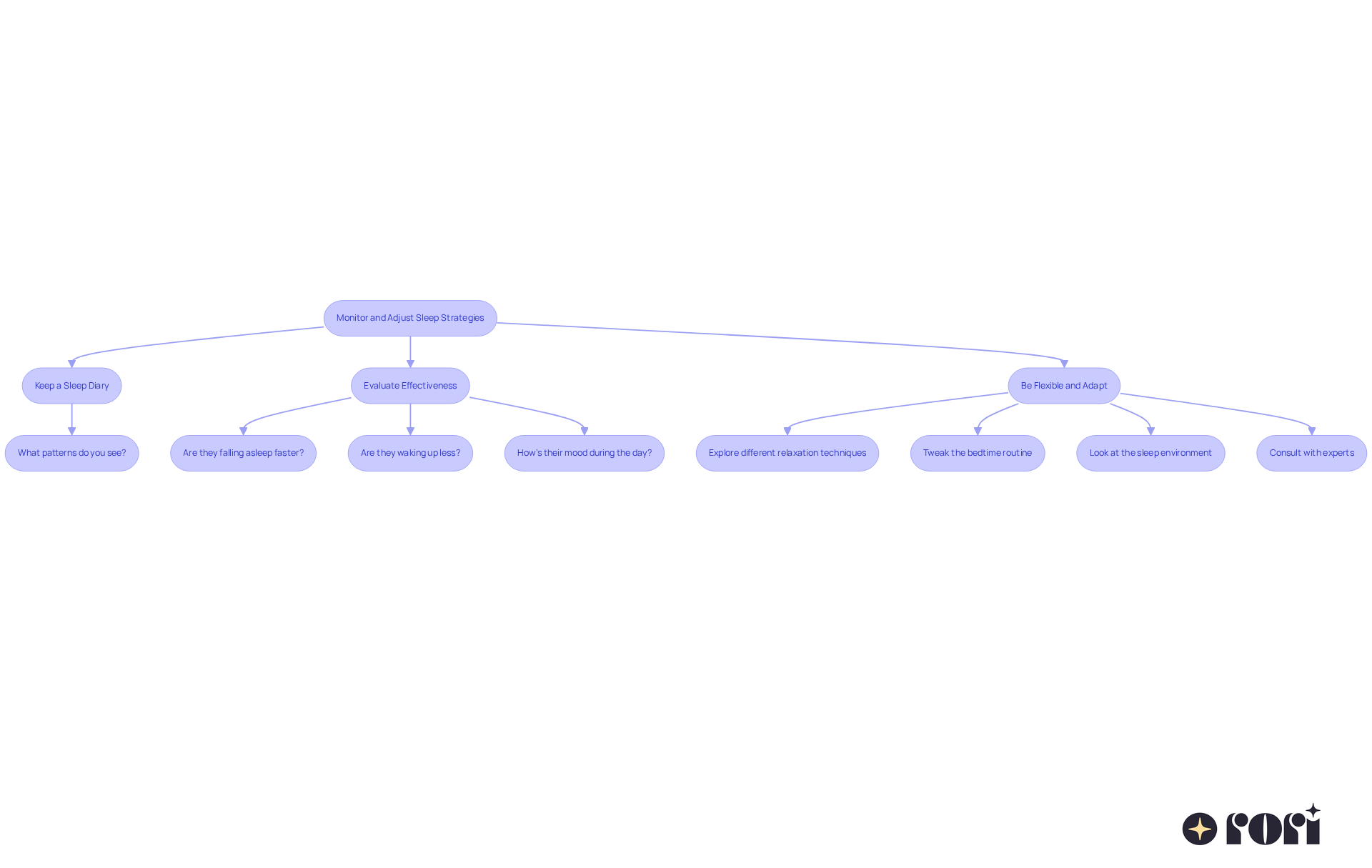
To help make sleep strategies more effective, caregivers can try a few simple things:
If sleep challenges persist despite your best efforts, it might be time to consult with experts who employ specialized approaches to addressing sleep issues in children on the autism spectrum, such as sleep specialists or behavioral therapists. Collaborating with experts can really enhance your efforts and strengthen the support system for your little one.
By keeping an eye on and adjusting sleep strategies, caregivers can create a more supportive sleep environment for their children. This can lead to better behavioral outcomes and happier family dynamics. Let’s explore this together!
Addressing sleep issues in children with Autism Spectrum Disorder (ASD) can feel like a daunting task for many parents. It’s a multifaceted challenge that truly requires a tailored approach. By understanding the unique factors that contribute to sleep disturbances, caregivers can implement effective strategies that not only improve sleep quality but also enhance the overall well-being of their little ones. Specialized approaches, rooted in the principles of Applied Behavior Analysis (ABA), empower caregivers to create supportive environments that foster better sleep habits.
Throughout this journey, it’s crucial to recognize sensory sensitivities, anxiety, and irregular sleep routines as key factors affecting sleep in children with ASD. Strategies like:
can really make a difference. Plus, ongoing monitoring and adjustments to these strategies ensure that caregivers can respond effectively to their child's evolving needs.
Ultimately, improving sleep for children with ASD isn’t just about enhancing nighttime rest; it’s about fostering a better quality of life for the entire family. By actively engaging in this process and utilizing specialized approaches, caregivers can make significant strides in supporting their child's development and well-being. Remember, the journey towards better sleep is a collaborative effort, and it can lead to lasting positive changes. So, let’s take proactive steps today for a brighter tomorrow! We’re here to help you every step of the way!
What percentage of children with Autism Spectrum Disorder (ASD) experience sleep issues?
About 90.21% of children with ASD face some kind of sleep issue.
What are some common sleep challenges faced by children with ASD?
Common sleep challenges include insomnia, trouble falling asleep, shorter sleep duration, waking up frequently during the night, and getting up too early in the morning.
What factors contribute to sleep disturbances in children with ASD?
Factors that can contribute to sleep disturbances include sensory sensitivities, anxiety, irregular sleep patterns, having both parents as primary caregivers, mobile phones in bedrooms, and screen time before bed.
Why is it important to address sleep challenges in children with ASD?
Addressing sleep challenges is important because poor sleep quality can exacerbate ASD symptoms, lead to behavioral issues, affect cognitive functioning, and lower overall quality of life.
What proactive steps can be taken to improve sleep quality in children with ASD?
Proactive steps include specialized approaches to addressing sleep issues and empowering caregivers with education on ABA principles and strategies.
How does caregiver involvement impact sleep interventions for children with ASD?
Caregiver involvement boosts the effectiveness of interventions, fosters better behavioral outcomes, and enhances informed decision-making, ultimately benefiting the whole family dynamic.


