Many families with children on the autism spectrum face the tough reality of sleep challenges, often feeling overwhelmed by the struggles their loved ones endure. Did you know that around 80% of these children deal with issues like insomnia, frequent awakenings, and unpredictable sleep patterns? These challenges can really affect their daily lives.
In this article, we’ll explore effective strategies for improving sleep in children with autism through ABA therapy. We aim to provide parents and caregivers with valuable insights to create tailored interventions that can make a difference. So, how can caregivers use these strategies not just to improve sleep, but also to enhance their children's overall well-being? Let’s dive in together!
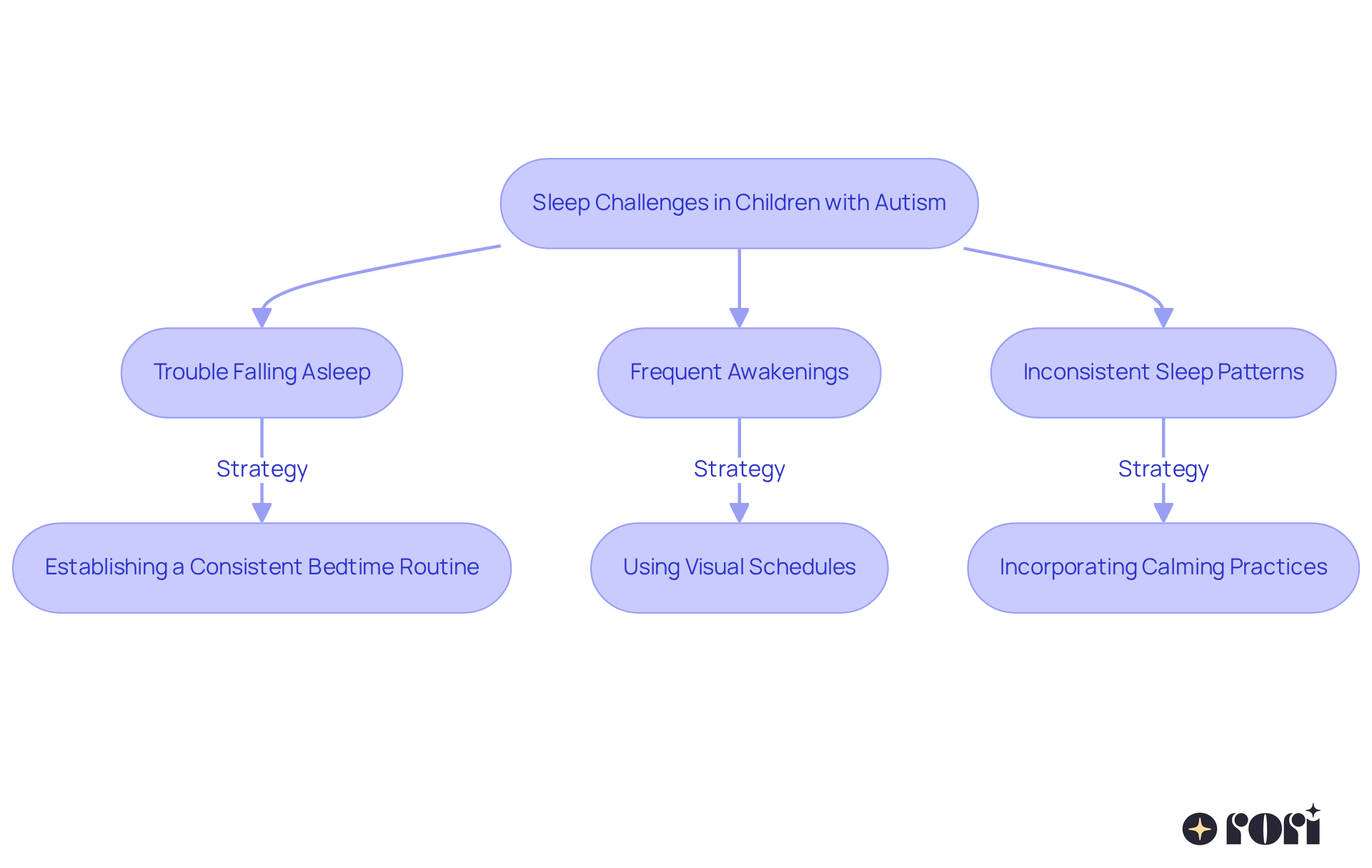
Many individuals with autism spectrum disorder (ASD) face significant challenges when it comes to rest. In fact, studies show that up to 80% of these individuals struggle with issues like trouble falling asleep, frequent awakenings during the night, and inconsistent sleep patterns. These difficulties often stem from a mix of factors, including sensory sensitivities, anxiety, and behavioral concerns. For example, young ones might find it hard to drift off due to heightened sensitivity to sounds or lights in their environment. Understanding these challenges is key to developing strategies for better sleep in children with autism through ABA therapy.
Empowering caregivers with ABA principles and strategies is so important for helping kids reach their behavioral goals. Parents and guardians can play a crucial role by closely observing their children's sleep patterns and behaviors. This way, they can spot potential triggers and create tailored interventions that meet their unique needs. Some helpful strategies for better sleep in children with autism through ABA therapy include:
The knowledge and skills gained through caregiver education can really boost their confidence in supporting their children, leading to better behavioral outcomes.
Research shows that sleep difficulties can have a big impact on daytime functioning, often resulting in increased behavioral issues and attention challenges. That’s why addressing sleep disruptions through strategies for better sleep in children with autism through ABA therapy is so vital for enhancing overall well-being in youth with ASD. Simple practices like maintaining a regular bedtime routine and creating a soothing sleep environment can make a real difference. Plus, when caregivers actively participate and follow suggested hours, about 90% of youth show significant improvement, highlighting the importance of flexible treatment strategies based on ongoing evaluations.
Let’s explore this together! By understanding these challenges and implementing supportive strategies, we can help our children thrive. Remember, you’re not alone in this journey, and we’re here to help you every step of the way!
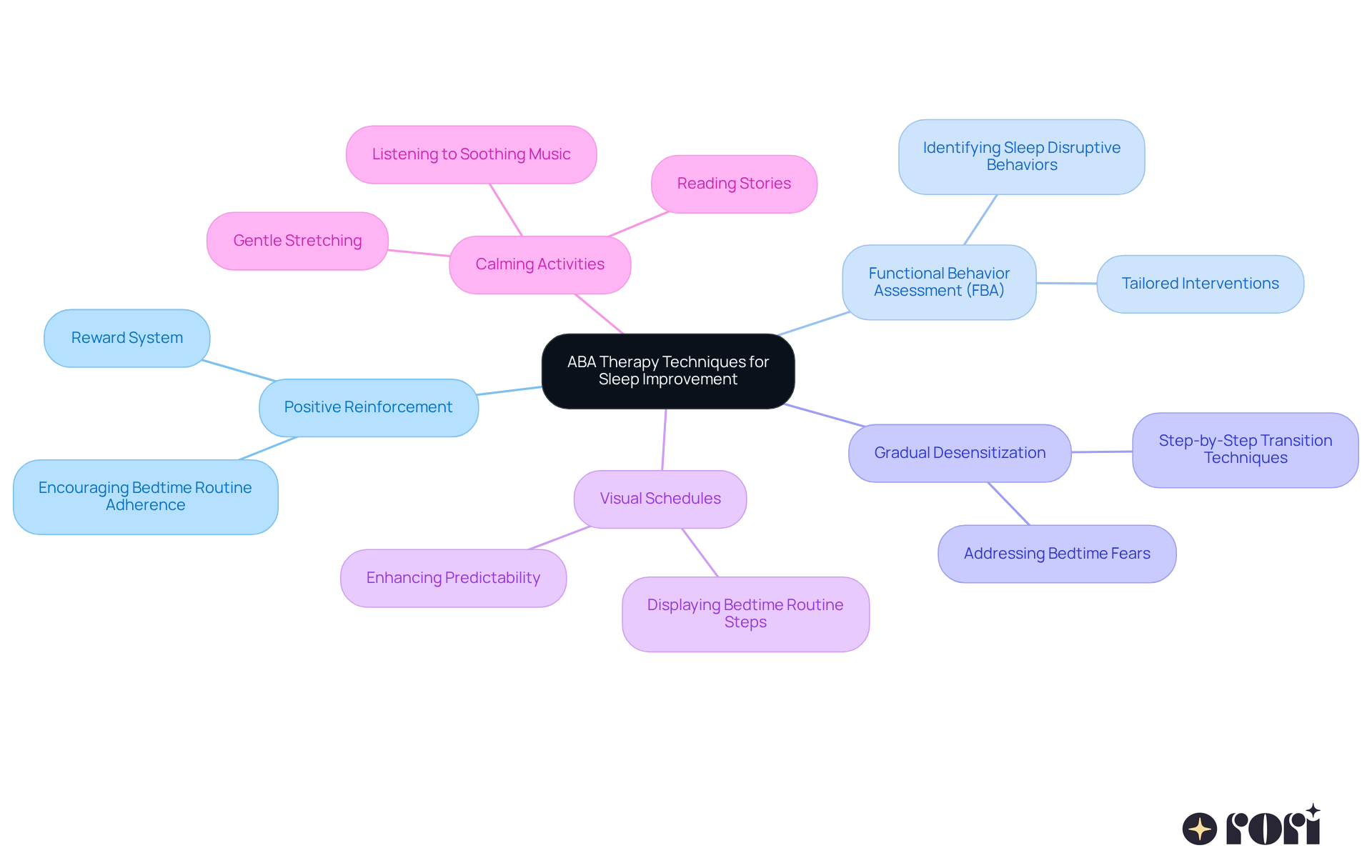
ABA therapy employs a variety of techniques, and among these, positive reinforcement serves as one of the key strategies for better sleep in children with autism through ABA therapy. For example, parents can set up a reward system that encourages their little ones to stick to bedtime routines or sleep through the night. Research shows that these positive reinforcement techniques can really boost sleep behaviors, with studies revealing that 63% to 88% of interventions report improvements in sleep quality among children undergoing ABA therapy.
Now, implementing a Functional Behavior Assessment (FBA) is key to pinpointing the specific behaviors that disrupt sleep. This allows for tailored interventions that really hit home. Techniques like gradual desensitization to bedtime fears and using visual schedules can make a big difference. Visual schedules help kids understand and anticipate each step of their bedtime routine, which can ease anxiety and promote participation.
Integrating calming activities, such as reading a story or doing some gentle stretching, can signal to kids that it’s time to wind down, helping them develop self-soothing skills. By combining strategies for better sleep in children with autism through ABA therapy, it not only promotes better sleep but also helps children build healthier sleep habits that enhance their overall well-being. Let’s explore this together!
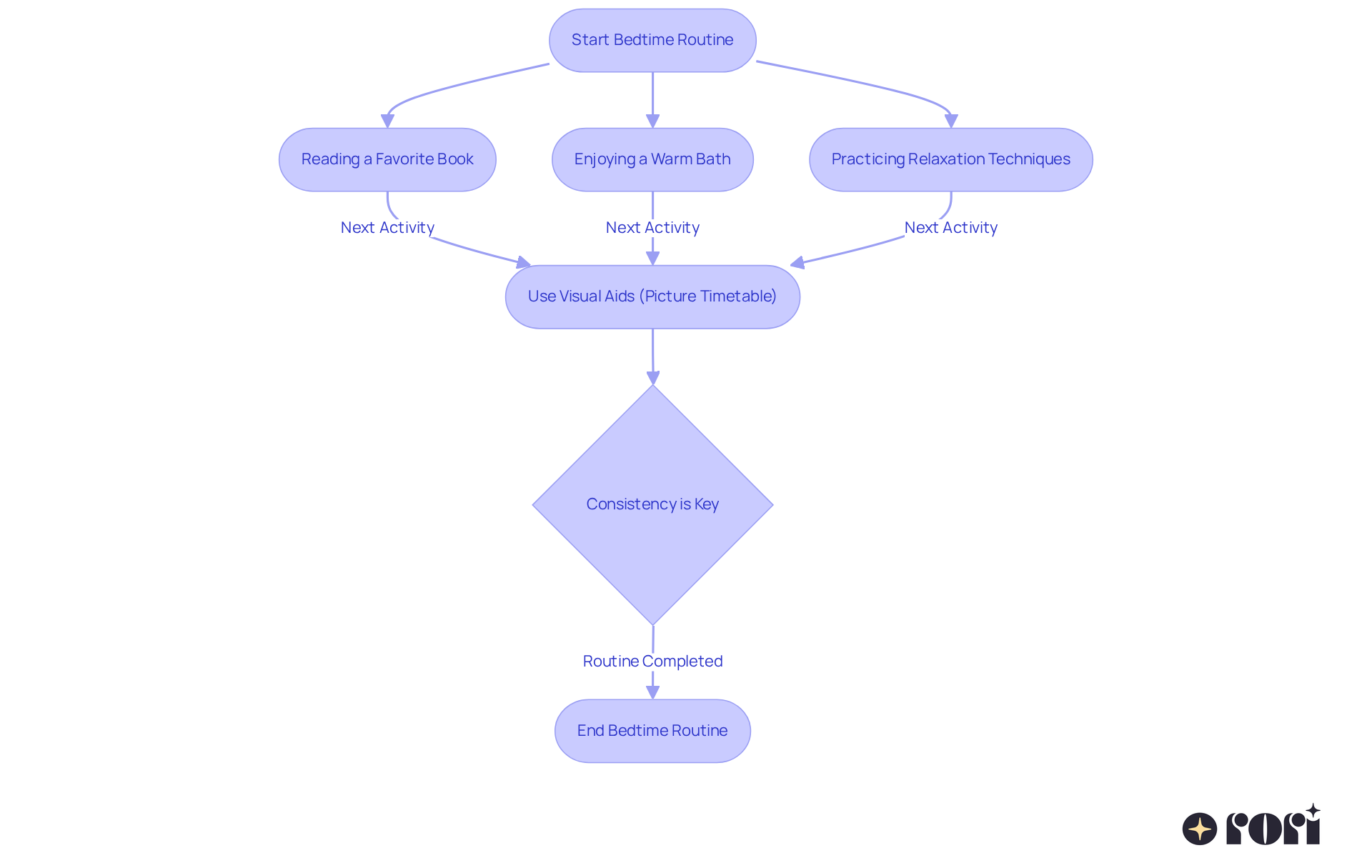
Establishing a consistent bedtime routine is crucial for developing strategies for better sleep in children with autism through ABA therapy. It signals that it’s time to wind down and helps them relax. Think about including calming activities like:
Consistency really is key! Following the same sequence of activities each night can make bedtime feel more predictable, which often eases anxiety and resistance. You might even consider using visual aids, like a picture timetable, to help your child understand what comes next. This can make it easier for them to anticipate the routine.
It’s a good idea to start the schedule at the same time each evening. This helps reinforce their natural body rhythms and can improve the quality of their sleep. Research shows that kids with consistent bedtimes tend to manage their behavior and emotions better. It really highlights how important routine is for their overall development.
So, let’s explore this together! Establishing a bedtime routine can be one of the effective strategies for better sleep in children with autism through ABA therapy, supporting your child’s needs and creating a peaceful end to the day.
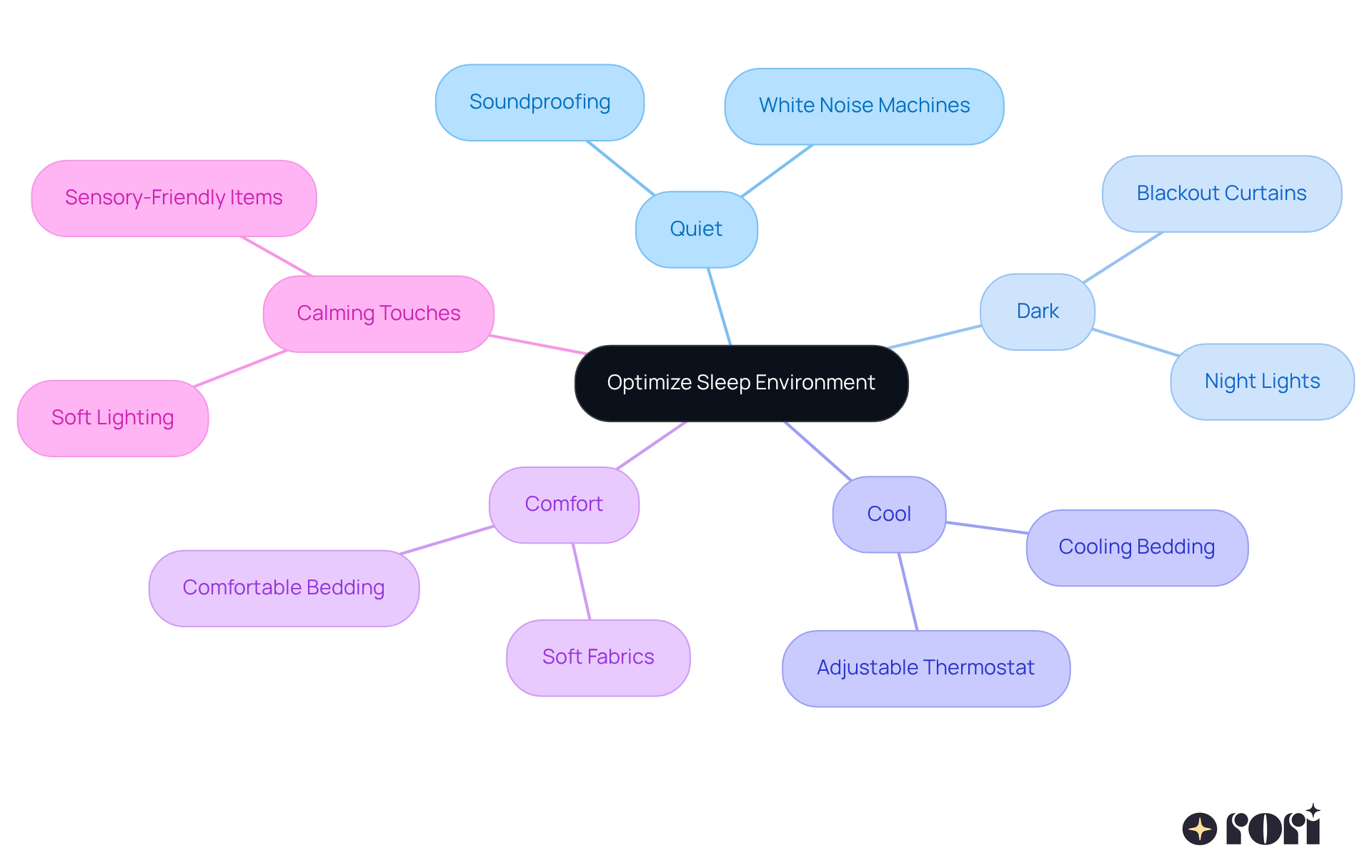
Creating the perfect resting atmosphere for kids with autism involves a few key elements. First off, think about the bedroom: it should be quiet, dark, and cool. These conditions can really boost the quality of rest. Did you know that around 80% of autistic youth face sleep challenges in their early years? Often, these issues are made worse by their surroundings. Parents can make a big difference by using blackout curtains to block out light and white noise machines to drown out disruptive sounds. These simple steps are vital for crafting a peaceful sleeping environment.
Comfort is another biggie! Many kids with autism are extra sensitive to certain fabrics, so it’s important to check the bedding and pajamas for anything that might irritate them. Adding calming touches, like soft lighting and sensory-friendly items, can really help create a soothing atmosphere that encourages relaxation. As occupational therapists often say, "Implementing strategies for better sleep in children with autism through aba therapy can significantly improve sleep outcomes for children with autism." By focusing on these factors, caregivers can set up a restful space that supports their child’s overall well-being.
Let’s explore this together! What have you found helpful in creating a calming environment for your little one?
Cooperation between guardians and therapists is so important when it comes to tackling sleep difficulties in kids with autism. Parents, you’re often the first to notice your child’s behaviors and triggers, making your role crucial in developing and implementing sleep strategies. Research shows that when caregivers actively participate in ABA therapy, treatment outcomes improve significantly. In fact, studies reveal a 47.7% decrease in behavioral issues when caregivers are involved compared to just 31.8% with general caregiver education.
At Rori Care, our dedicated clinicians are here to guide families through comprehensive and compassionate Applied Behavior Analysis treatment. We want to empower you with the knowledge and skills you need to support your loved one’s behavioral goals. Regular communication between guardians and therapists ensures that strategies are consistently applied and adjusted as needed. For example, therapists can train parents on how to use ABA techniques at home, while parents can provide valuable feedback on their child’s progress. This teamwork not only creates a supportive environment but also encourages families to actively participate in improving their child’s sleep.
Effective communication strategies, like setting clear, measurable goals with therapists, can really boost the effectiveness of interventions. By reinforcing what’s learned in therapy, you help your child generalize those skills, making it easier for them to apply their learning in different settings. This collaborative approach is key to establishing predictable routines that incorporate strategies for better sleep in children with autism through ABA therapy. Plus, we understand that parents from lower socioeconomic backgrounds might face challenges that limit their involvement in ABA therapy. That’s why we offer tailored support and resources to ensure all families can engage effectively in their child’s treatment.
Let’s explore this together! We’re here to help you every step of the way!
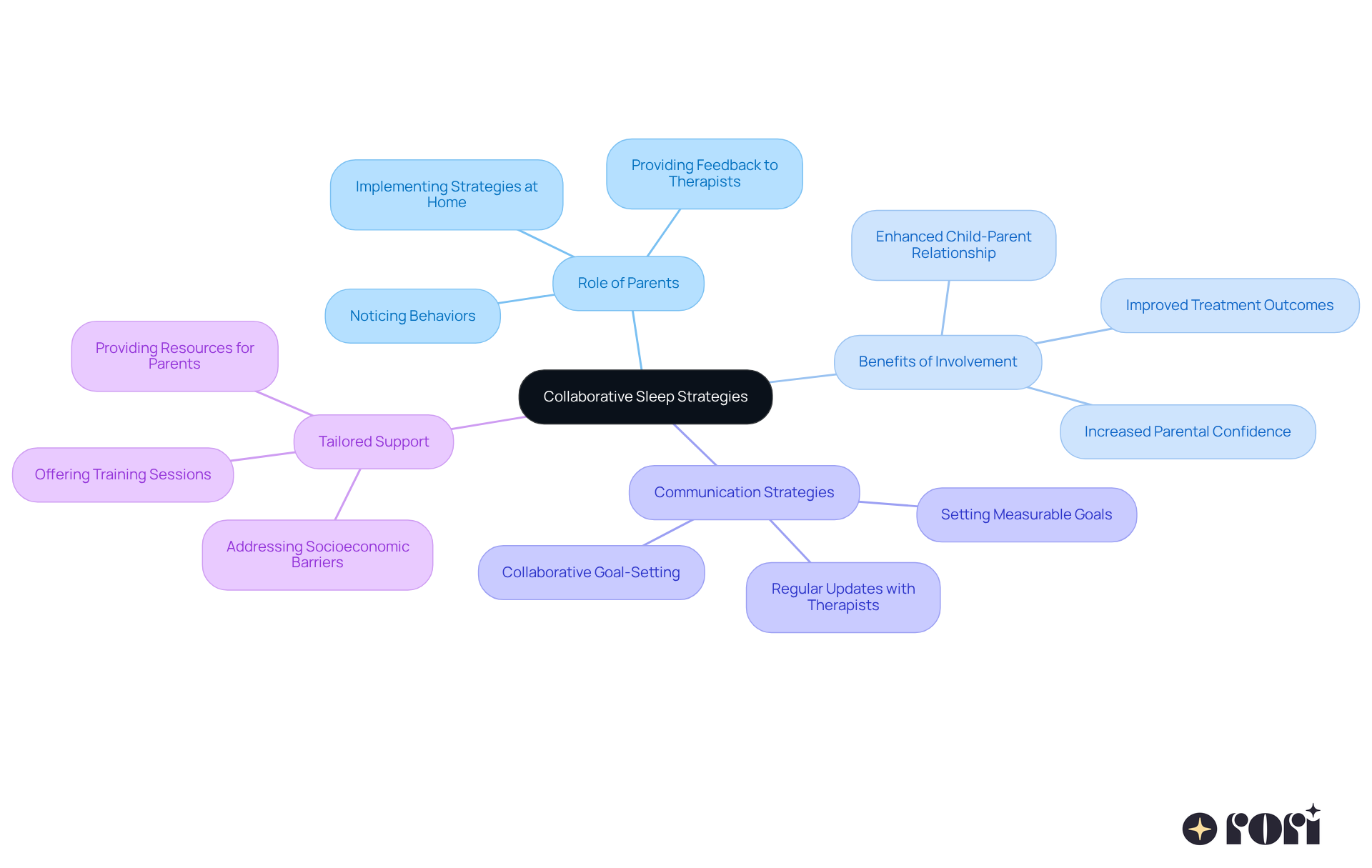
Tackling sleep challenges in children with autism can feel overwhelming, but with the right strategies, you can truly enhance their well-being and daily life. By recognizing the unique sleep hurdles these kids face, you can tailor interventions that help them develop better sleep habits. Think about using ABA therapy principles - like setting up consistent bedtime routines and creating a cozy sleep environment. This way, you can foster a supportive atmosphere that encourages restful nights.
Let’s talk about some key strategies!
These elements not only boost sleep quality but also help children with autism learn self-soothing skills. When parents and therapists work together, it really strengthens these strategies, ensuring they’re applied consistently and adjusted to fit each child’s needs.
Remember, the journey to better sleep for children with autism is a shared one. It takes patience, understanding, and teamwork. By getting involved and using the insights shared here, you can make a real difference in your child’s sleep patterns. Embracing these strategies doesn’t just improve sleep; it also leads to a more harmonious daily life for both your child and your family. Let’s explore this together!
What sleep challenges do children with autism face?
Children with autism spectrum disorder (ASD) often struggle with sleep issues, including difficulty falling asleep, frequent awakenings, and inconsistent sleep patterns, affecting up to 80% of individuals with ASD.
What factors contribute to sleep difficulties in children with autism?
Sleep difficulties in children with autism can stem from sensory sensitivities, anxiety, and behavioral concerns, such as heightened sensitivity to sounds or lights in their environment.
How can caregivers help improve sleep in children with autism?
Caregivers can help by observing their children's sleep patterns, identifying potential triggers, and implementing tailored interventions. Strategies include establishing a consistent bedtime routine, using visual schedules, and incorporating calming practices.
What role does ABA therapy play in improving sleep for children with autism?
ABA therapy employs techniques such as positive reinforcement to encourage better sleep behaviors, helping children adhere to bedtime routines and sleep through the night.
What specific ABA techniques are effective for improving sleep patterns?
Effective ABA techniques include implementing a Functional Behavior Assessment (FBA) to identify disruptive behaviors, using visual schedules to ease anxiety around bedtime, and integrating calming activities like reading or gentle stretching.
What impact do sleep difficulties have on children with autism during the day?
Sleep difficulties can significantly affect daytime functioning, leading to increased behavioral issues and attention challenges.
How effective are interventions based on ABA therapy for improving sleep quality?
Research indicates that 63% to 88% of interventions using ABA therapy report improvements in sleep quality among children with autism.
What is the importance of caregiver education in addressing sleep challenges?
Educating caregivers on ABA principles and strategies boosts their confidence in supporting their children, leading to better behavioral outcomes and enhanced overall well-being for children with autism.