Understanding the unique needs of children with Autism Spectrum Disorder (ASD) is so important for helping them grow and thrive. 🌱 Effective reward systems can be powerful tools, changing the way caregivers motivate and connect with these amazing kids. But here’s the thing: it can be tricky to tailor these incentives to fit each child’s preferences and to keep things consistent.
So, what can caregivers do to create an environment where children with ASD really flourish through well-implemented reward systems? Let’s explore this together! We’ll dive into some strategies that can make a real difference.
are organized approaches that incorporate to use in encouraging preferred actions in kids with autism. Think of them as tools that can include tangible rewards, social recognition, or benefits - all aimed at helping young individuals engage in . It’s important to remember that kids with autism might perceive differently than their neurotypical peers, often needing clearer and more consistent reinforcement.
Research shows that having transparent and consistent incentives and rewards for children with ASD can significantly and for individuals on the spectrum. For example, have proven effective in helping kids grasp expectations and succeed in their tasks. By providing prompt reinforcement and tailoring incentives and rewards for children with ASD to align with each child’s interests, caregivers can create a stronger link between behavior and positive results.
This not only increases engagement but also builds self-esteem, allowing kids to thrive in various settings. Plus, when caregivers learn about , they become better equipped to make informed choices, leading to improved behavioral outcomes and a more unified approach to intervention.
Let’s explore this together! We’re here to !

Creating a successful system of really hinges on . Think about it: some kids might light up at the thought of earning toys or snacks, while others might be more excited about experiences like extra playtime or getting to do their favorite activity. It’s super important that these incentives are not just appealing but also suitable for where they are in their development.
For instance, there’s this great case study about a kid who absolutely loved dinosaurs. He was motivated by earning dinosaur-themed stickers, and guess what? This led to a noticeable ! By aligning with what kids are genuinely interested in, caregivers can really and encourage .
This doesn’t just make interventions more effective; it incorporates incentives and rewards for children with ASD, helping young learners thrive in their . Plus, when caregivers are educated about these strategies, it can really ease stress and improve family dynamics. This way, they can .
Let’s explore this together! We’re here to help you every step of the way!

Creating uniformity in is essential for nurturing a . Caregivers, it’s essential to set clear guidelines for when and how to implement . This way, kids can easily understand the connection between their actions and the rewards they receive. For example, offering right after a desired behavior really helps to strengthen that connection!
Research shows that individuals with autism thrive in . Plus, it’s crucial for caregivers to regularly for children with ASD to align with the individual’s changing interests and developmental needs. This ongoing adjustment builds trust and creates a sense of safety, allowing kids to embrace new behaviors with confidence.
Immediate reinforcement, such as incentives and rewards for children with ASD, has been proven to significantly boost behavior association, making it a key part of . By equipping caregivers with , Rori Care ensures they’re ready to through active involvement and informed decision-making. Let’s explore this together!

Creating programs that include can be a bit tricky, even when you have the best intentions. Many parents find that , certain incentives might not work as well as hoped, and sometimes kids just don’t want to follow the structure. So, what can you do? It’s all about being flexible! If you notice your child isn’t as excited about a particular incentive anymore, it might be time to shake things up and find .
Involving your child in this process can really make a difference! Ask them what they’d like as an incentive. This not only boosts their motivation but also gives them a . For instance, a family at Hands Center found success by . This approach kept their child engaged and aligned with their evolving interests.
Research shows that can actually . Studies indicate that when kids expect rewards for everything, their intrinsic drive can take a hit. By being proactive and making adjustments as needed, you can for children with asd remains . Let’s explore this together! We’re here to !

Implementing effective incentives and rewards for children with Autism Spectrum Disorder (ASD) is so important for encouraging positive behavior and enhancing their learning experiences. By understanding the unique perspectives of these amazing kids and tailoring reward systems to fit their individual preferences, caregivers can create an environment where motivation thrives and personal growth flourishes.
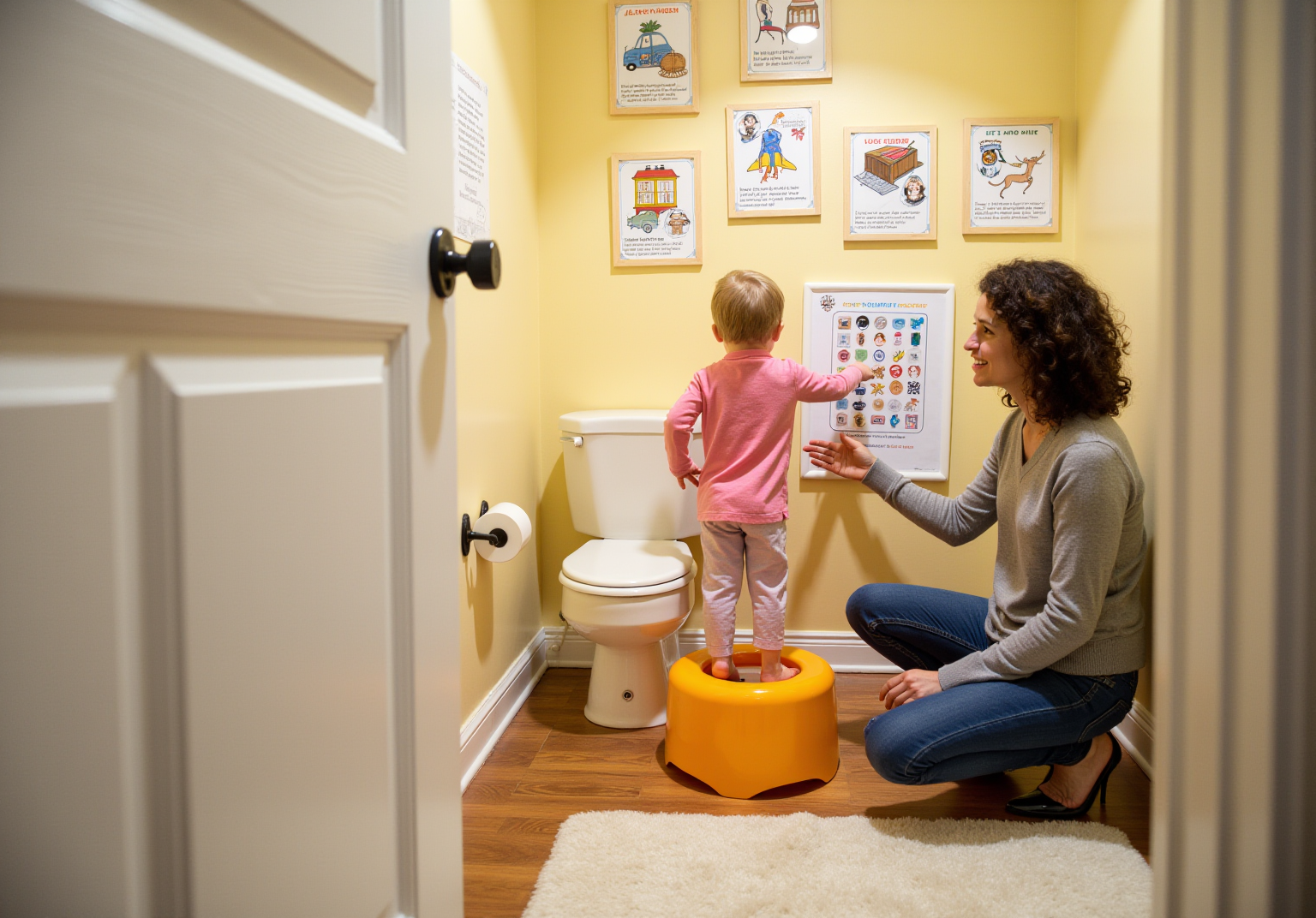
As we explore best practices, it’s clear that clear communication, immediate reinforcement, and adaptability are key elements in successful reward systems. Think about using visual incentive charts or aligning rewards with what your child loves - these strategies not only boost engagement but also help build self-esteem. Plus, consistency and follow-through in applying these rewards are crucial. They help establish a structured environment where children can confidently embrace new behaviors.
Ultimately, the journey of implementing effective reward systems for children with ASD is all about collaboration and continuous improvement. Caregivers are encouraged to stay flexible, regularly reassessing and adapting their approaches to meet the evolving needs and interests of their children. By doing this, you’re not just supporting your child's developmental goals; you’re also fostering a nurturing atmosphere that promotes lifelong learning and success.
Let’s explore this together! Remember, you’re not alone on this journey, and we’re here to help you every step of the way!
What are reward systems for children with autism?
Reward systems are organized approaches that use incentives and rewards to encourage positive behaviors in children with autism spectrum disorder (ASD). They can include tangible rewards, social recognition, or other benefits aimed at promoting socially adaptive behaviors.
How do children with autism perceive incentives and rewards?
Children with autism may perceive incentives and rewards differently than their neurotypical peers, often requiring clearer and more consistent reinforcement to understand and respond to them effectively.
What is the impact of consistent incentives and rewards on children with ASD?
Research indicates that transparent and consistent incentives and rewards can significantly enhance motivation and improve learning outcomes for children with ASD.
How do visual incentive charts help children with autism?
Visual incentive charts have been shown to be effective in helping children with autism understand expectations and succeed in their tasks by providing clear visual cues for reinforcement.
Why is it important to tailor incentives and rewards for children with ASD?
Tailoring incentives and rewards to align with each child's interests helps create a stronger connection between their behaviors and positive outcomes, increasing engagement and building self-esteem.
How can caregivers improve behavioral outcomes for children with autism?
By learning about Applied Behavior Analysis (ABA) principles, caregivers can make informed choices that lead to improved behavioral outcomes and a more unified approach to intervention for children with ASD.