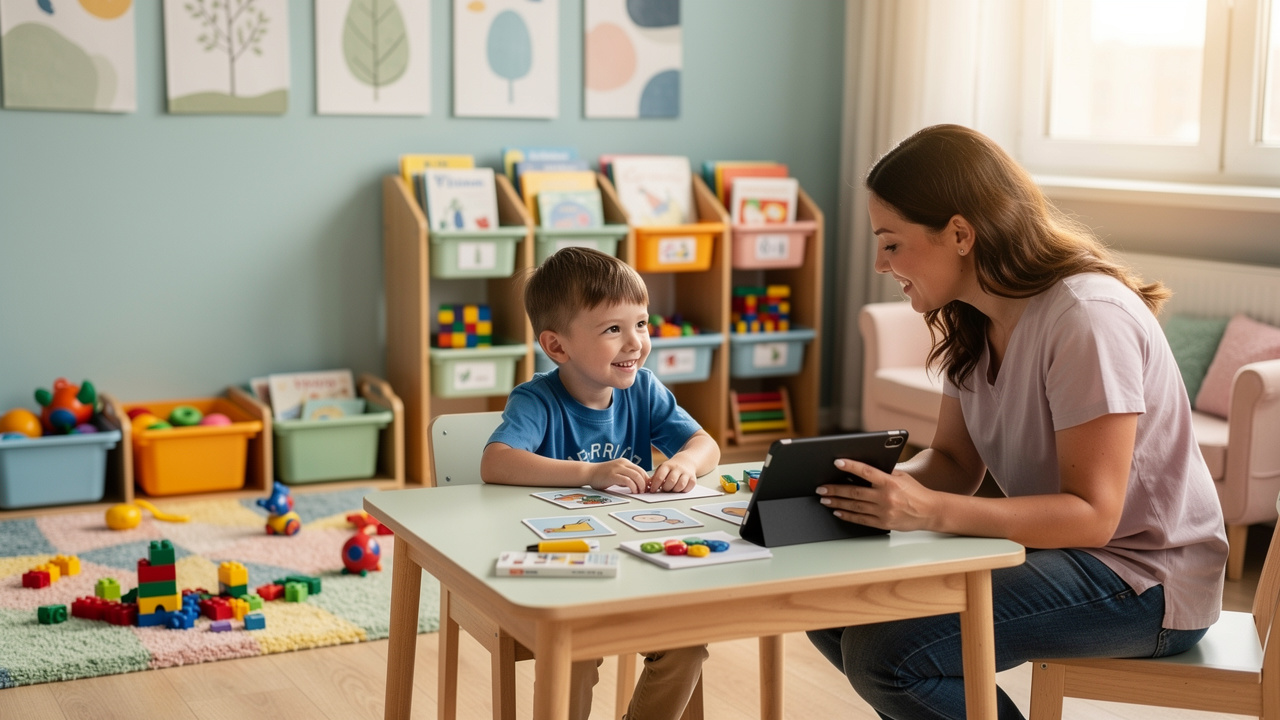
Exploring the intersection of music and art in autism therapy opens up a world of possibilities for children with Autism Spectrum Disorder (ASD). 🎶✨ By tapping into creative therapies, parents can discover new ways for their kids to express emotions and connect socially. It’s all about fostering that deeper bond with your child, right?
But here’s the question: how can caregivers weave these strategies into everyday life to truly make a difference? This article dives into practical techniques that not only support your child’s growth but also empower you as a parent to take an active role in this therapeutic journey. Let’s explore this together!
encompasses a range of neurodevelopmental conditions that can make social interactions, communication, and certain behaviors a bit tricky. Let’s break down some key characteristics:
. It helps parents and clinicians tailor interventions that fit each child's unique needs, leading to better therapy outcomes. At Rori Care, our clinical leadership team is all about and ensuring every child has the chance to thrive. We can’t stress enough how important is in the therapeutic journey. In fact, when caregivers actively participate, we see !
Our are based on progress reports, ensuring we meet each child's specific needs effectively. Let’s explore this together! We’re here to help you every step of the way!

Exploring the role of can effectively boost interpersonal skills and . Here are some :
Research shows that kids involved in exploring the role of often see . For instance, studies indicate that exploring the role of music and art in autism therapy can lead to significant gains in social engagement, with children showing increased joint attention and eye contact. Plus, the supportive bond formed during these sessions is crucial for exploring the role of music and art in autism therapy, as it enhances responses and involvement from children with autism. By using these strategies, parents can effectively harness music interventions while exploring the role of music and art in autism therapy to support their child's social development and emotional expression.
Let’s explore this together! We’re here to help you every step of the way!

is a fantastic way for kids with autism to express themselves and share their feelings. Here are some friendly strategies for parents to try out:
Research shows that exploring the role of music and art in can significantly enhance emotional expression and in children with autism. In fact, a systematic review found that 18 out of 20 studies highlighted the benefits of , especially in exploring the role of , showing improvements in , behavior, and motor skills for youth and adolescents with ASD. By using these strategies, parents can help foster meaningful communication and self-expression, empowering their children in the therapeutic journey. Plus, being actively involved as a caregiver, as Rori Care suggests, can really boost these outcomes by ensuring that therapeutic strategies are consistently used at home, leading to better behavior and overall development.
Let’s explore this together! We’re here to help you every step of the way!

To effectively implement , let’s consider some friendly strategies:
By applying these strategies, you and your child can create a supportive atmosphere that enhances the effectiveness of exploring the role of music and art in autism therapy for children with autism. And remember, Rori Care offers specialized services like , , and program development to on this journey. We’re here to help you every step of the way!

As we explore the integration of music and art into autism therapy, it’s clear just how impactful these creative therapies can be for children with Autism Spectrum Disorder (ASD). By tapping into the power of music and art, parents can nurture vital social skills and emotional expression, ultimately boosting their child's overall development and well-being.
Imagine interactive music sessions that spark communication and emotional literacy, or art activities that encourage self-expression and storytelling. These strategies not only help children tackle their unique challenges but also create a nurturing environment where they can truly thrive. Research backs this up, showing that integrating creative therapies leads to improvements in social engagement, communication, and emotional regulation.
As caregivers and clinicians work together to implement these strategies, it’s essential to stay flexible and responsive to each child's needs. By actively joining in their child's therapeutic journey and using the insights shared, parents can play a crucial role in their child's growth. Embracing music and art therapy can really transform the therapeutic experience, paving the way for meaningful connections and empowering children with autism to express themselves fully.
Let’s explore this together! Your involvement can make all the difference!
What is Autism Spectrum Disorder (ASD)?
Autism Spectrum Disorder (ASD) encompasses a range of neurodevelopmental conditions that affect social interactions, communication, and certain behaviors.
What are some key characteristics of ASD?
Key characteristics of ASD include social communication challenges, repetitive behaviors, and sensory sensitivities.
How do social communication challenges manifest in children with ASD?
Children with ASD often struggle to pick up on social cues, which can make building friendships feel overwhelming.
What are repetitive behaviors in children with ASD?
Many children with ASD engage in repetitive movements or seek consistency, which can be comforting but may also make adapting to new situations more difficult.
What are sensory sensitivities in children with ASD?
Sensory processing issues are common in children with ASD, with some being particularly sensitive to sounds, lights, or textures.
Why is recognizing the traits of ASD important?
Recognizing these traits helps parents and clinicians tailor interventions to fit each child's unique needs, leading to better therapy outcomes.
How does caregiver involvement impact the therapeutic journey for children with ASD?
Active participation from caregivers is crucial, as it has been shown to lead to notable progress in 90% of children with ASD.
How are treatment plans for children with ASD developed at Rori Care?
Treatment plans are flexible and continuously updated based on progress reports to effectively meet each child's specific needs.