Effective Social Skills Development Strategies for Nonverbal Children

Explore effective social skills development strategies for nonverbal children with autism.

Introduction

Social skills are so important for nonverbal children with autism. They really form the foundation for communication, building relationships, and emotional well-being. Yet, many of these kids face tough challenges in social interactions, which can lead to feelings of isolation.

Let’s dive into some effective strategies for developing social skills in nonverbal children. We’ll offer parents and caregivers practical tools to help enhance their child’s ability to connect with peers. What innovative approaches can we use to turn these challenges into opportunities for meaningful social engagement?

We’re here to help you every step of the way!

Understand the Importance of Social Skills for Nonverbal Children with Autism

Social abilities are so important for nonverbal kids with autism. They help with communication, build relationships, and boost emotional well-being. But let’s be real - these kids often struggle with social interactions due to limited verbal skills, which can lead to feelings of isolation and frustration. By implementing social skills development strategies for nonverbal children with autism, these children can navigate interactions better, pick up on nonverbal cues, and connect with their peers more easily. Research shows that kids who develop strong social skills are more likely to form meaningful connections and enjoy better emotional health. So, prioritizing social skills development strategies for nonverbal children with autism is essential for helping them thrive in various community settings.

To help nonverbal children flourish in social situations, parents can try a few strategies:

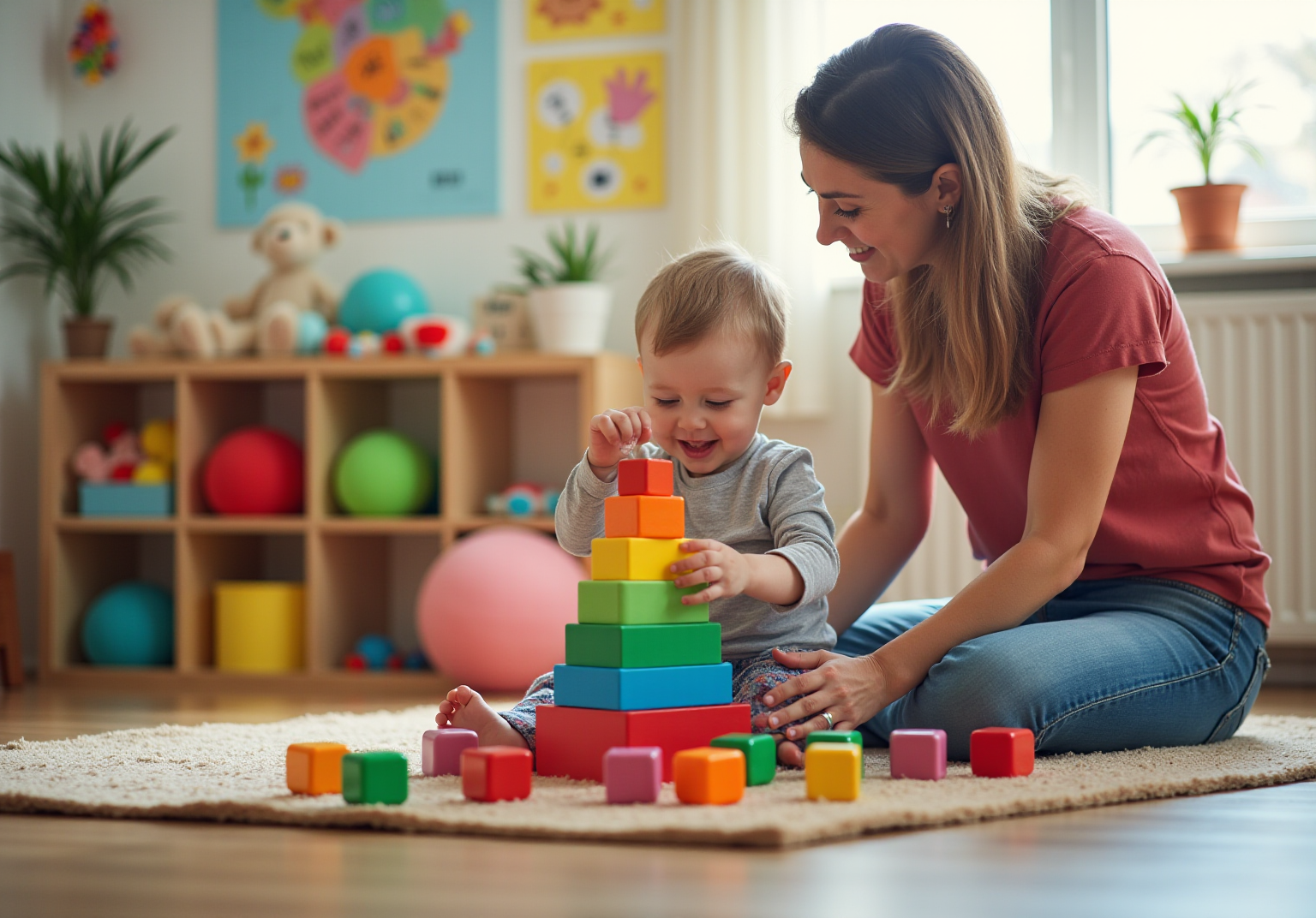
  • Encourage Play: Set up playdates or group activities that encourage interaction with peers. This kind of exposure helps them practice social skills in a friendly environment, like Rori Care's led by trained therapists.
  • Model Interactions: Show effective communication and social cues in everyday life. Kids learn a lot by watching, so demonstrating how to greet others or share toys can really help.
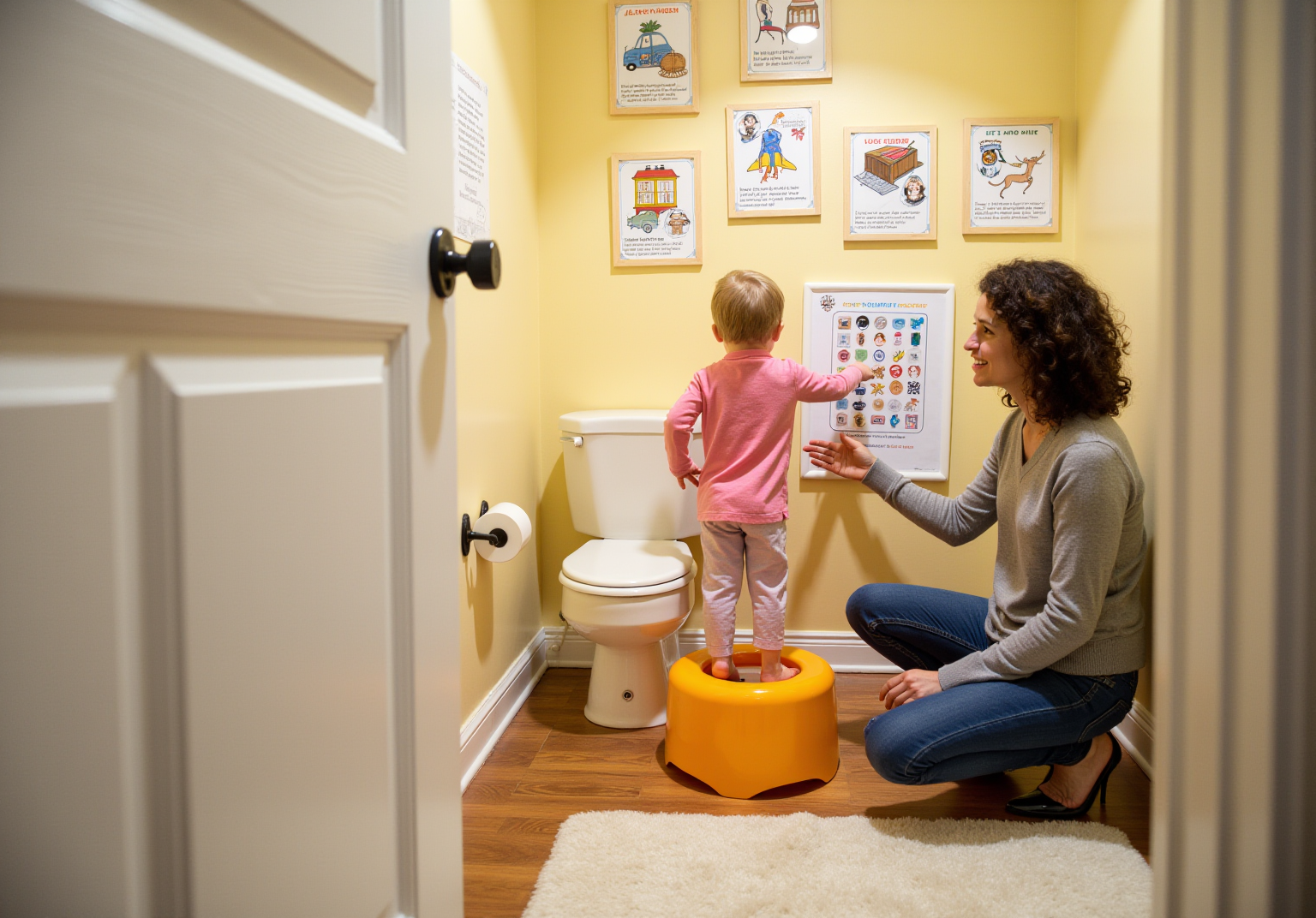
  • Use Visual Supports: Use visual aids, like stories about social situations or picture schedules, to help your child understand what to expect in interactions.
  • Celebrate Small Victories: Acknowledge and celebrate your child’s efforts in social situations, no matter how small. This positive reinforcement encourages them to continue using social skills development strategies for nonverbal children with autism.

As Claire Scovell LaZebnik suggests, parents should embrace and support their child, celebrating their unique strengths and quirks while also working on areas for improvement. This approach not only nurtures their social skills but also positively impacts their overall emotional health. Plus, Dr. Colin Zimbleman points out that autism offers a unique perspective on the world, which can inspire creativity and resilience in social settings. By implementing social skills development strategies for nonverbal children with autism through caregiver education and therapeutic services, parents can greatly enhance their child’s emotional well-being and ability to connect with others, leading to a more fulfilling life. Let’s explore this together!

The center represents the main focus on social skills, while the branches show different strategies parents can use. Each strategy is a way to help children connect better with others and improve their emotional well-being.

Implement Effective Strategies for Social Skills Development

To effectively develop social skills in nonverbal children, let’s explore some friendly strategies together:

  1. Utilize Visual Supports: Think about incorporating visual aids like picture schedules and prompts. These tools can really help young learners understand interactions, which is crucial for implementing social skills development strategies for nonverbal children with autism. Plus, they’ve been shown to reduce anxiety and improve communication, making them essential for fostering independence and engagement.
  2. Model Interactions: Have you tried demonstrating appropriate behaviors through role-playing? It’s a great way for kids to observe and imitate desired behaviors in a safe space. Role-playing can be an effective component of social skills development strategies for nonverbal children with autism, providing a structured way for youngsters to practice their interactions.
  3. Encouraging play-based learning serves as one of the effective social skills development strategies for nonverbal children with autism, as it promotes turn-taking, sharing, and cooperation. Games like Simon Says or simple board games can be effective in teaching these skills. Play-centered education not only makes learning enjoyable but also strengthens communication through natural exchanges.
  4. Utilize Peer Buddies: Pairing nonverbal children with peers who have strong interpersonal skills can create wonderful opportunities for learning. These peer interactions can improve community involvement and support the use of social skills development strategies for nonverbal children with autism to help reduce challenging behaviors.
  5. Reinforce Positive Interactions: Don’t forget to use positive reinforcement! Recognizing efforts and achievements encourages ongoing involvement in social skills development strategies for nonverbal children with autism. These techniques can really boost a young person’s confidence and eagerness to join in group activities.

Let’s keep the conversation going! What strategies have you found helpful? We’re here to help you every step of the way!

The center represents the main goal of developing social skills, while each branch shows a different strategy. Follow the branches to see how each strategy contributes to helping nonverbal children with autism improve their social interactions.

Collaborate with Professionals to Enhance Social Skills Training

Cooperation among experts is essential for improving social skills development strategies for nonverbal children with autism. Let’s dive into some effective ways to collaborate:

  1. Interdisciplinary Team Meetings: Regular get-togethers among therapists, educators, and parents help everyone stay on the same page regarding goals and strategies for interpersonal development. These meetings create comprehensive treatment plans that incorporate social skills development strategies for nonverbal children with autism, covering various developmental aspects and promoting a holistic approach.
  2. Shared Resources: Using like visual supports, social stories, and activity plans helps create a consistent approach across different settings. This consistency is key for strengthening skills and ensuring that kids receive the same messages and strategies everywhere they go.
  3. Feedback Loops: Setting up feedback systems allows professionals to share observations and insights about the child’s development. This real-time communication means adjustments can be made quickly, boosting the effectiveness of interventions.
  4. Encouraging parent engagement in training sessions and workshops equips them with the tools to implement social skills development strategies for nonverbal children with autism at home. Family involvement is crucial for improving consistency and outcomes, as caregivers can apply what they’ve learned in everyday situations.
  5. Peer-Mediated Interventions: Using peer-mediated techniques helps prepare classmates to support nonverbal children in social interactions. This creates a nurturing educational environment, helping kids develop interpersonal skills through natural interactions with their peers.

Let’s explore this together! We’re here to help you every step of the way!

The central idea is about enhancing social skills training, with branches showing different collaborative strategies. Each strategy is connected to the main goal, illustrating how they work together to support nonverbal children with autism.

Create a Supportive Environment for Social Interaction

To help nonverbal youth grow their interpersonal skills, it is key to apply social skills development strategies for nonverbal children with autism in a nurturing environment. Here are some friendly strategies to consider:

  1. Safe Spaces: Think about setting up cozy corners or sensory-friendly zones where young folks can feel secure and comfortable while engaging with their peers. These spaces can really help reduce anxiety and promote relaxation.
  2. Structured Activities: How about organizing group activities that encourage interaction? Team sports, art projects, or cooperative games can provide natural opportunities that align with social skills development strategies for nonverbal children with autism, helping them practice and improve their social skills in a fun way.
  3. Positive Reinforcement: It’s important to foster a supportive atmosphere where kids feel encouraged to express themselves and connect with others. Celebrating those small wins can really boost their confidence and make them more willing to join in.
  4. Visual Organization: Using , like labels with images or symbols, can be super helpful for young learners. This way, they can navigate their surroundings and understand expectations more easily, making interactions feel less intimidating.
  5. Encourage Peer Interaction: Let’s create chances for kids to hang out with their peers through playdates, group outings, or community events. These experiences are part of social skills development strategies for nonverbal children with autism, allowing them to practice social skills in different settings and helping them connect better with others.

Let’s explore these ideas together and see how we can support our kids in their journey!

The central idea is about creating a supportive environment, and each branch represents a strategy to help nonverbal youth develop their social skills. Follow the branches to explore each strategy and its benefits.

Conclusion

Social skills are so important for nonverbal children with autism. They act as a bridge to effective communication, meaningful relationships, and better emotional well-being. By focusing on developing these skills, caregivers can help children navigate social interactions, understand nonverbal cues, and connect with their peers. This not only eases feelings of isolation but also nurtures a sense of belonging in various community settings.

There are several effective strategies for developing social skills that can make a real difference:

  1. Encouraging play
  2. Modeling interactions
  3. Using visual supports
  4. Celebrating small victories

These are all great ways to create a supportive atmosphere. This nurturing environment helps nonverbal children grow in confidence and thrive socially. Plus, collaborating with professionals can enrich this process, ensuring that children receive consistent and tailored support for their unique needs.

Ultimately, fostering social skills in nonverbal children with autism is about more than just teaching them how to interact; it’s about enriching their lives and enhancing their emotional health. By implementing these strategies and creating nurturing environments, caregivers and educators can truly impact the development of social skills. This helps children lead fulfilling, connected lives. Let’s embrace this journey together! It can pave the way for meaningful interactions and lasting relationships, shaping a brighter future for nonverbal children in our communities.

Frequently Asked Questions

Why are social skills important for nonverbal children with autism?

Social skills are crucial for nonverbal children with autism as they aid in communication, relationship building, and enhancing emotional well-being. These skills help children navigate interactions, understand nonverbal cues, and connect with peers.

What challenges do nonverbal children with autism face regarding social interactions?

Nonverbal children with autism often struggle with social interactions due to their limited verbal skills, which can result in feelings of isolation and frustration.

What are some strategies parents can use to develop social skills in nonverbal children with autism?

Parents can encourage playdates or group activities, model effective communication and social cues, use visual supports to explain social situations, and celebrate small victories to reinforce their child's social skills.

How can playdates benefit nonverbal children with autism?

Playdates provide opportunities for nonverbal children to interact with peers in a friendly environment, allowing them to practice and develop their social skills.

What role do visual supports play in helping nonverbal children with autism?

Visual supports, such as social stories or picture schedules, help children understand what to expect in social interactions, making it easier for them to engage with others.

How can parents celebrate their child's social skill development?

Parents can acknowledge and celebrate their child's efforts in social situations, regardless of how small, which serves as positive reinforcement for continued use of social skills.

What does Claire Scovell LaZebnik suggest regarding parenting nonverbal children with autism?

Claire Scovell LaZebnik suggests that parents should embrace and support their child by celebrating their unique strengths while also working on areas for improvement, positively impacting their social skills and emotional health.

How can autism provide a unique perspective in social settings?

Dr. Colin Zimbleman notes that autism can offer a unique perspective on the world, which may inspire creativity and resilience in social situations.

What is the overall goal of implementing social skills development strategies for nonverbal children with autism?

The goal is to enhance the child's emotional well-being and ability to connect with others, leading to a more fulfilling life.