

ABA shirts, a therapeutic tool designed to support children with autism, are more than just clothing. With the increasing prevalence of autism spectrum disorder (ASD), it is crucial to cater to the diverse needs of these children. ABA shirts address sensory sensitivities, a common issue for individuals with ASD, by incorporating over a decade of clinical knowledge from Board-Certified Behavior Analysts.
These shirts are tailored to the unique sensory experiences of children on the spectrum, aiming to reduce stress and promote comfort. The significance of specialized clothing like ABA shirts is highlighted by initiatives such as The Spotlight Project, which supports individuals with developmental disabilities. By empowering children with autism to navigate their environments more comfortably, ABA shirts contribute to their learning, growth, and overall well-being.
In this article, we explore the importance of comfortable clothing for children with autism, the sensory-friendly features of ABA shirts, the benefits of adaptive clothing, strategies for organizing and selecting ABA shirts for independence, popular designs and messages on ABA shirts, and resources for autism-friendly clothing. As parents, it is essential to understand that selecting the right clothing is more than a matter of style—it is a step towards nurturing our child's independence and well-being.
are not just clothing; they are a therapeutic tool designed to support . With the rising understanding of autism spectrum disorder (ASD) and its prevalence now at 1 in 36, according to Dr. Jan Blacher, it's increasingly crucial to cater to the diverse needs of these children. address sensory sensitivities, an issue that affects many individuals with ASD, potentially leading to challenging behaviors and stress for both the child and their family.
Incorporating over a decade of clinical knowledge, have contributed to the design of , taking into account the necessity for high quality, coordinated care that aligns with best practices. This clothing is tailored to the of children on the spectrum, aiming to and , thus fostering better engagement in daily activities.
The significance of such specialized clothing is highlighted by initiatives like The Spotlight Project, which supports individuals with developmental disabilities by showcasing their talents. Similarly, empower to navigate their environments more comfortably, which can be instrumental in their learning and growth.
Supporting the independence of through aligns with Dr. David Offord's vision of equity and mental health for all children. By reducing chronic sources of stress and acknowledging the assets these children bring to their communities, can contribute to a fairer 'race' for children with disabilities. Parents, equipped with this knowledge, can make informed decisions, understanding that selecting the right clothing is more than a matter of style—it's a step towards nurturing their child's independence and well-being.
, carefully crafted with sensory-friendly materials, are more than just garments for children with autism. They are a supportive tool that caters to the unique of these individuals, who may struggle with everyday stimuli that others easily tolerate. are prevalent in the autism community, where hypersensitivities to sights, sounds, and touch can lead to feelings of overwhelming stress and discomfort. , with their seamless construction and soft fabrics, eliminate common irritants like tags and rough textures, reducing the likelihood of sensory overload. With these , children can engage more comfortably in their and therapies, which is pivotal for their development and independence. Moreover, as research indicates that up to 80% of children with autism exhibit aggressive behavior due to difficulty in , can serve as a non-restrictive method to help manage these challenges, fostering a safer and more for everyone involved.
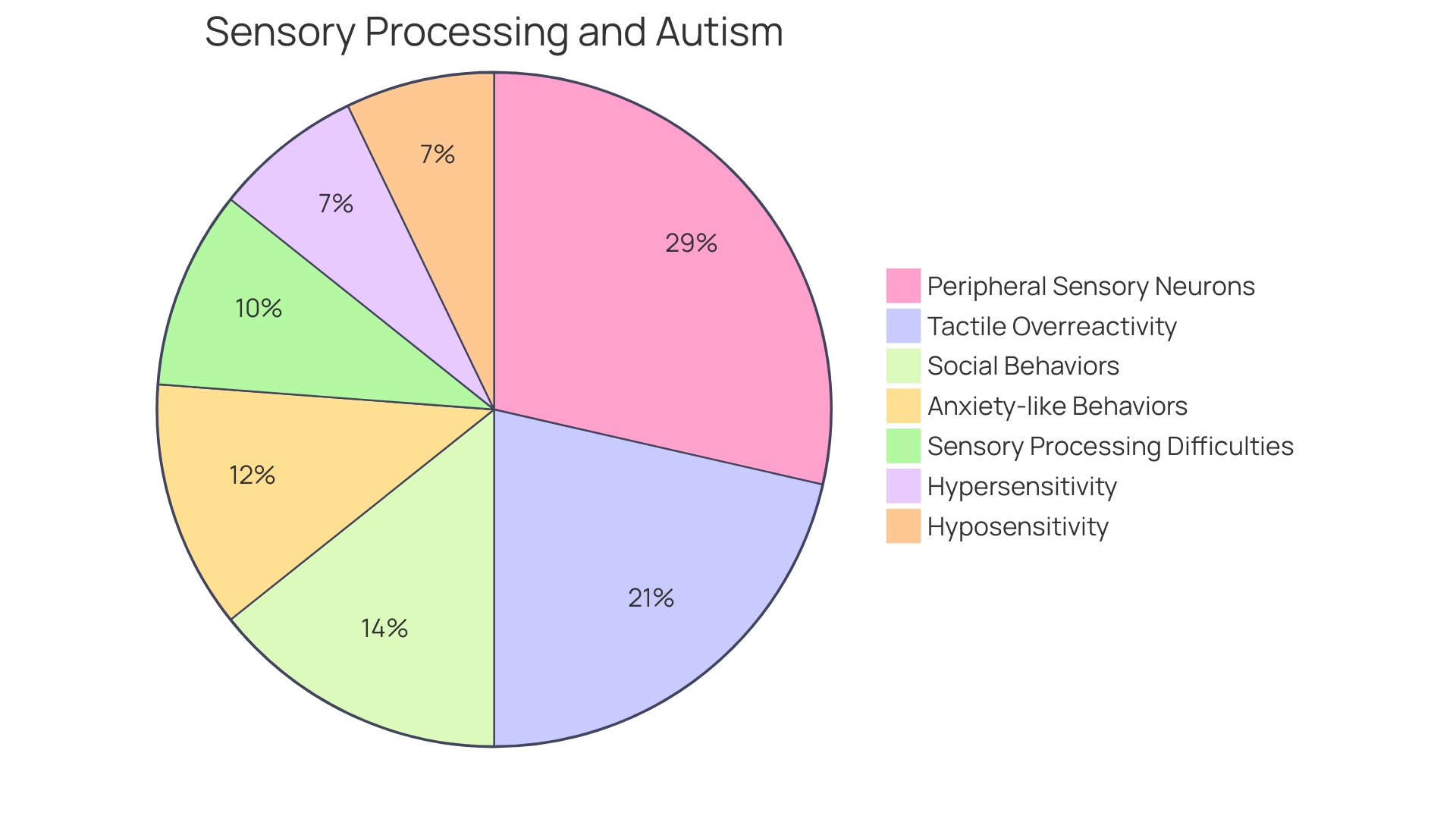
are thoughtfully designed to cater to the unique , who may experience hypersensitivity or hyposensitivity to various types of stimuli. These specialized garments are crafted with seamless interiors to prevent irritation from rough edges. They also feature that offer comfort without overwhelming the senses. The absence of tags eliminates a common source of discomfort, ensuring that nothing distracts or distresses the wearer. By incorporating these , create a , enabling children to participate more fully and comfortably in their .

, a form of , are revolutionizing the way experience daily life. These shirts cater to the unique needs of children who may struggle with motor skills or coordination, making dressing an effortless task. By incorporating , such as hook-and-loop fasteners or magnetic snaps, bypass the complexities of traditional buttons and zippers. This not only simplifies the process of dressing but also empowers children by bolstering their through the ability to dress independently. As fashion design students at Parson's School of Design learn from mentors who emphasize inclusion, the fashion industry is progressively acknowledging the significance of . By prioritizing the wearer's needs, ensure that can enjoy clothing that is not only functional but also allows them to express their personal style without any sensory discomfort.
Pediatric occupational therapist Kara from Florida shares insights into how organizing and selecting clothing can play a significant role in in children with autism. By integrating strategies from independence therapy into daily routines, children can learn to make choices and develop autonomy. Visual aids such as can be instrumental in guiding children to choose suitable for various activities. This approach of involving children in organizing their wardrobe not only empowers them with but also aligns with the broader goals of —helping individuals engage in meaningful tasks irrespective of challenges. Kara's experience highlights the positive impact of nurturing in children with autism, which can contribute to their during crucial developmental years.
are not only a means of comfort and but also a canvas to showcase their to . These garments may be adorned with captivating visuals or uplifting messages, such as the of Alex Schlueter, a talented young artist with autism. Alex's ability to convey the beauty of nature through his art is a testament to the unique perspectives that individuals with autism bring to our world. Furthermore, initiatives like the illustrate the importance of community and the collective effort to foster environments where all individuals with autism can thrive. The walk's provision of acknowledges the sensory sensitivities often associated with autism, offering a considerate and inclusive approach. By wearing with meaningful designs, children with autism and their supporters can spark dialogues, spread knowledge, and contribute to a more accepting and inclusive society.
Discovering the right involves more than just picking out a favorite color or pattern. It requires a thoughtful approach to meet their unique sensory and functional needs. When shopping for , it's crucial to seek out brands that prioritize ease of wear, such as garments that are simple to put on or remove and feature to avoid discomfort.
Online communities and provide an invaluable resource for parents navigating these choices. Here, parents can share reviews and recommendations, ensuring others benefit from their experiences with various clothing options. Such networks also serve as a support system, offering insights into the that promote both comfort and independence for children with autism.
Moreover, initiatives like the are making strides in training businesses to create more autism-friendly environments. This extends to clothing brands that consider the sensory and practical challenges faced by individuals with autism. By engaging with these communities and initiatives, parents are not only finding the best clothing for their children but also contributing to a broader movement that celebrates and supports the neurodiverse community.
In this landscape, inspirational stories abound, like that of Alex Schlueter, an artist with autism whose abilities shine through his detailed artwork, and companies like The Spotlight Project, which underscore the value of inclusive employment. These examples not only highlight the talents of individuals with autism but also the importance of fostering an environment where their skills are recognized and valued.
Clothing plays a significant role in self-expression and identity, as noted by scholars like Flugel and Entwistle. It is the interface between the individual and society, and for people with autism, it can also be a tool for gaining confidence and navigating the world more comfortably. Therefore, in choosing ABA shirts and , parents are helping their children to not only dress for comfort but also to express their unique personalities and sense of self.

ABA shirts are a crucial therapeutic tool designed to support children with autism. These shirts address sensory sensitivities and promote comfort, empowering children to navigate their environments more comfortably. By reducing stress and promoting well-being, ABA shirts contribute to the learning and growth of children with autism.
Comfortable clothing is essential for children with autism who may struggle with sensory processing challenges. ABA shirts eliminate common irritants like tags and rough textures, reducing sensory overload and allowing children to engage more comfortably in daily activities and therapies. These shirts also provide a non-restrictive method to manage challenges related to emotional regulation, creating a safer and inclusive environment.
Thoughtfully designed, ABA shirts cater to the unique sensory needs of children with autism. They feature seamless interiors, soft and breathable materials, and the absence of tags, creating a positive sensory environment and enabling children to participate more fully.
As adaptive clothing, ABA shirts revolutionize the way children with autism experience daily life. With adaptive closures, these shirts simplify the dressing process, empowering children to dress independently and express their personal style.
Organizing and selecting ABA shirts for independence play a significant role in fostering autonomy in children with autism. Strategies like visual aids and involving children in organizing their wardrobe empower them with essential life skills and contribute to their personal and social identity formation.
ABA shirts not only provide comfort and support but also serve as a canvas for showcasing individuality and raising autism awareness. With captivating designs and uplifting messages, these shirts spark dialogues, spread knowledge, and contribute to a more accepting and inclusive society.
When seeking autism-friendly clothing, it is crucial to consider brands that prioritize ease of wear and sensory-friendly fabrics. Online communities and support groups offer valuable resources and recommendations, ensuring parents make informed choices. Engaging with initiatives like the Autism Welcoming Initiative supports a broader movement that celebrates and supports the neurodiverse community.
In choosing ABA shirts and autism-friendly clothing, parents provide comfort and self-expression for their children while contributing to a society that recognizes and values the talents of individuals with autism. ABA shirts empower children with autism to navigate the world more comfortably and confidently, promoting their overall well-being.
What are ABA shirts?
ABA shirts are therapeutic garments designed specifically for children with autism to address their unique sensory sensitivities. These shirts are created with input from Board-Certified Behavior Analysts and aim to reduce stress and promote comfort for better engagement in daily activities.
Why are ABA shirts important for children with autism?
Children with autism often experience sensory processing challenges that can lead to stress and discomfort. ABA shirts are made with sensory-friendly materials that minimize irritants like tags and rough textures. This can decrease the likelihood of sensory overload, allowing children to participate more comfortably in their environments.
What are the sensory-friendly features of ABA shirts?
ABA shirts typically have seamless interiors, soft and breathable materials, and no tags. These features are intended to create a positive sensory environment for children with autism, who may be hypersensitive to various stimuli.
How can ABA shirts benefit children with autism?
By providing a comfortable sensory experience, ABA shirts can help manage emotional regulation challenges and reduce aggressive behavior linked to sensory discomfort. Furthermore, the adaptive closures in ABA shirts facilitate easier dressing and independence.
What is the role of adaptive clothing such as ABA shirts?
Adaptive clothing like ABA shirts simplifies dressing for children who struggle with motor skills or coordination. Features like hook-and-loop fasteners or magnetic snaps replace traditional buttons and zippers, empowering children to dress independently and with confidence.
How can organizing and selecting ABA shirts promote independence in children with autism?
Strategies such as using picture schedules and clothing labels can help children with autism choose appropriate ABA shirts for different activities. This involvement in organizing their wardrobe fosters decision-making skills and aligns with the goals of occupational therapy.
What designs and messages are found on ABA shirts?
ABA shirts may feature artwork or messages that express individuality and promote autism awareness. Designs can range from intricate artworks by artists with autism to uplifting slogans, contributing to a more accepting and inclusive society.
How can parents find the right ABA shirts for their children with autism?
Parents should look for autism-friendly clothing that prioritizes ease of wear and sensory-friendly fabrics. Online communities, support groups, and initiatives like the Autism Welcoming Initiative can be valuable resources for sharing reviews and finding clothing that supports comfort and independence.
What broader impact do ABA shirts and autism-friendly clothing have?
ABA shirts and autism-friendly clothing play a significant role in self-expression and identity for individuals with autism. By choosing clothing that is both comfortable and expressive, parents help their children navigate the world more confidently and contribute to a society that values neurodiversity.


