In a world where autism care is constantly evolving, mindfulness shines as a practice that can truly uplift the well-being of children on the spectrum. By nurturing present-moment awareness, mindfulness techniques pave the way for better emotional regulation, less anxiety, and more social engagement. But here’s the question: how can parents and caregivers weave these practices into everyday life to genuinely benefit their kids?
Let’s dive into the exciting intersection of mindfulness and autism care! We’ll explore tailored strategies that not only support children but also strengthen family bonds. Together, we can discover how these practices can make a real difference in your family’s journey.
Mindfulness is all about intentionally focusing your attention on the present moment - no judgment involved! For parents of kids with autism, incorporating can be a game changer. It helps children become aware of their thoughts, feelings, and even those little bodily sensations that often go unnoticed. This awareness can really , , and improve overall well-being.
Think about it: mindfulness techniques like , body scans, and mindful movement can be tailored to fit the unique sensory and cognitive profiles of your child. Incorporating mindfulness practices in autism care allows clinicians to create a that fosters self-awareness and .
Let’s explore this together! Imagine your child taking a moment to breathe deeply, feeling their body relax, and noticing how their emotions shift. It’s these small moments that can lead to big changes. We’re here to help you every step of the way!

Incorporating can be a game-changer for children with autism, especially in managing feelings, , and . 🌟 Research shows that can lead to and anxiety levels. Even just a few minutes of can make a real difference, and longer sessions often bring even more impressive improvements in emotions and behavior.
But that’s not all! Incorporating mindfulness practices in autism care also helps kids by sharpening their awareness of social cues and improving communication. Kids who practice mindfulness often say they feel more grounded and less overwhelmed in social situations. This can lead to more . Plus, incorporating mindfulness practices in autism care can help children cope with sensory overload, resulting in better and overall well-being.
As families engage in incorporating mindfulness practices in autism care into their daily routines, they might notice not just improvements in their child’s behavior but also a boost in family dynamics and emotional health. Let’s explore this together! If you’re curious about how to get started, there are plenty of resources available to help you on this journey. We’re here to support you every step of the way!

Integrating mindfulness into daily routines can be a game-changer for parents and clinicians alike! Simple techniques like or can make a big difference. For example, taking just a few minutes each day for deep breathing can help kids center themselves before tackling those challenging tasks. It’s amazing how slowing down the breath can ease negative feelings and help manage emotions.
And let’s not forget about playtime! Encouraging kids to focus on their senses while exploring different textures can really enhance their enjoyment of the moment. Creating a - like morning stretches or afternoon breathing exercises - can help solidify these habits and promote .
Research shows that incorporating can significantly in children, particularly those on the autism spectrum. When caregivers are equipped with these techniques, in autism care allows them to better , leading to improved behavior and a more harmonious family dynamic.
In fact, studies have shown that mindfulness can lead to in youth. Isn’t it encouraging to know that these methods can have such a positive impact? Let’s explore this together and see how we can incorporate mindfulness into our lives!

is essential for incorporating to . It all starts with observing how each individual reacts and what they prefer. For example, some kids might really connect with , while others may find joy in like yoga or tai chi. Involving them in this process is key! It gives them a chance to express what feels comfortable and right for them, fostering a sense of agency.
Adjustments can be made to mindfulness practices in autism care to meet sensory sensitivities, incorporating mindfulness practices in autism care. Think about incorporating to enhance the experience for those who might feel overwhelmed by certain stimuli. Techniques like the 'Soles of the Feet' exercise or can be tailored to help kids .
Regular feedback from both the young person and their caregivers is crucial for refining these practices over time. This ongoing process ensures that incorporating mindfulness practices in autism care remains effective and relevant, leading to better . By customizing these practices, families can create supportive environments that nurture emotional understanding and resilience in their children.
Let’s explore this together! We’re here to !
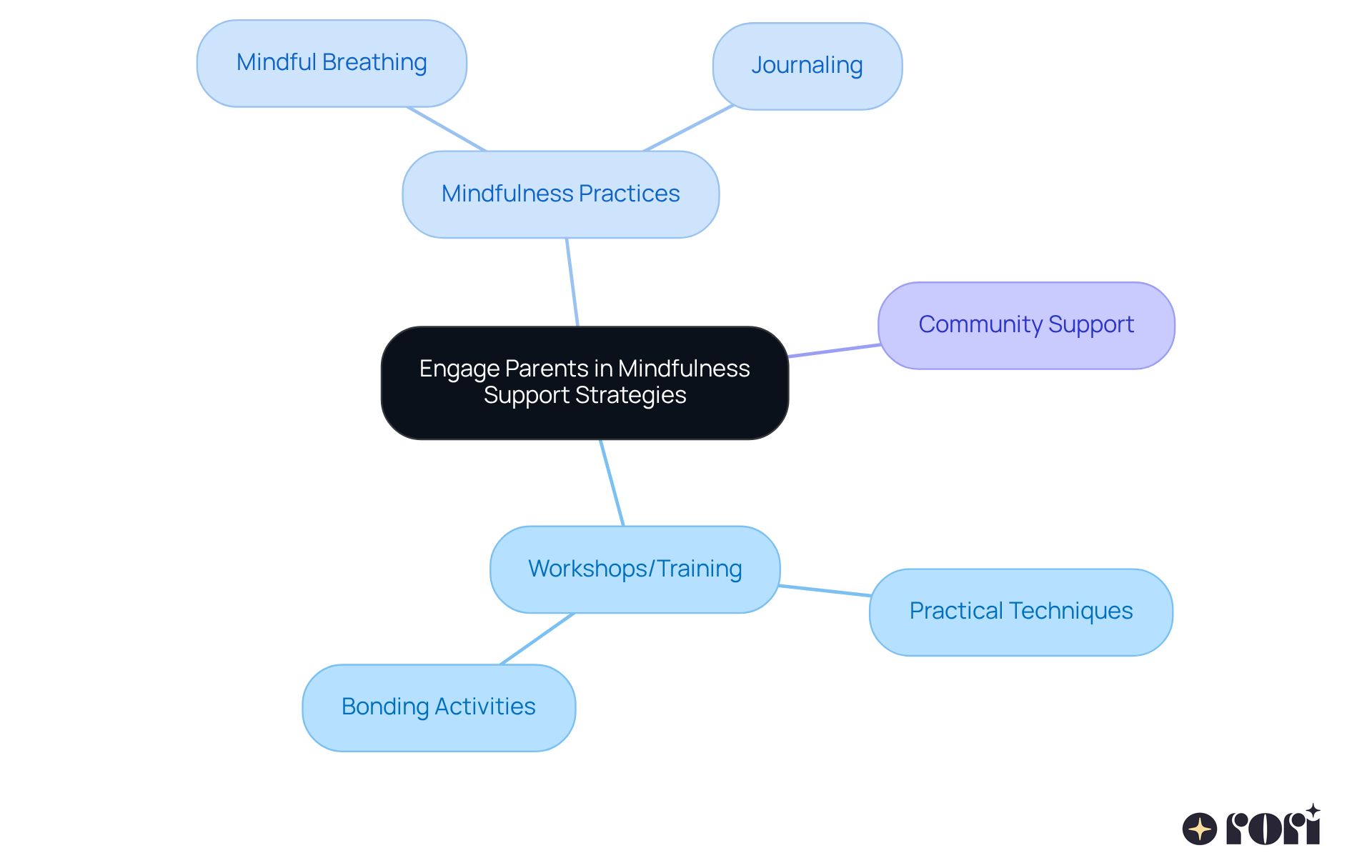
Getting parents involved in awareness support strategies is all about giving them the right tools and resources to use with their kids. Think about hosting workshops or training sessions that teach parents at home. When parents engage in with their children, it not only shows them how to do it but also strengthens their bond.
Plus, parents can benefit from incorporating , which can help them reduce stress and boost their overall well-being. Simple strategies like mindful breathing or journaling can empower parents to start their own mindfulness journey, ultimately benefiting the whole family by incorporating mindfulness practices in autism care.
Let’s explore this together! By sharing these experiences, we can create a where everyone feels understood and connected. We’re here to help you every step of the way!
Incorporating mindfulness practices into autism care offers a wonderful way to enhance the well-being of children on the spectrum. By nurturing present-moment awareness and emotional regulation, mindfulness becomes a powerful tool for both kids and their families, helping everyone connect and understand each other’s needs better.
This article shines a light on how mindfulness techniques - like breathing exercises and sensory engagement - can really make a difference. They can help improve mood regulation, reduce anxiety, and boost social skills. It’s so important to customize these practices to fit each child’s unique profile, ensuring they feel supported and empowered on their mindfulness journey. Plus, when parents get involved, they not only gain valuable strategies but also strengthen family dynamics and emotional health.
Ultimately, integrating mindfulness into autism care is about more than just individual techniques; it’s about creating a nurturing environment that fosters resilience and emotional understanding. Embracing these practices can lead to meaningful improvements in the lives of autistic children and their families. As families embark on this journey, let’s explore available resources together and connect with supportive communities that can guide us every step of the way!
What is mindfulness in the context of autism care?
Mindfulness involves intentionally focusing attention on the present moment without judgment. In autism care, it helps children become aware of their thoughts, feelings, and bodily sensations, which can boost mood regulation, ease anxiety, and improve overall well-being.
How can mindfulness practices be tailored for children with autism?
Mindfulness techniques such as breathing exercises, body scans, and mindful movement can be adapted to fit the unique sensory and cognitive profiles of children with autism, creating a nurturing environment that fosters self-awareness and psychological resilience.
What are the benefits of incorporating mindfulness practices for autistic children?
Mindfulness practices can help manage feelings, boost concentration, and reduce anxiety. Regular meditation has been shown to significantly decrease stress and anxiety levels, with even a few minutes of daily practice making a noticeable difference.
How does mindfulness improve social skills in autistic children?
Mindfulness helps children sharpen their awareness of social cues and improve communication, leading to more positive interactions with peers and adults. Children who practice mindfulness often feel more grounded and less overwhelmed in social situations.
What impact does mindfulness have on family dynamics?
As families incorporate mindfulness practices into their daily routines, they may notice improvements in their child's behavior, as well as a boost in family dynamics and emotional health.
Are there resources available for families interested in mindfulness practices for autism care?
Yes, there are plenty of resources available to help families get started with mindfulness practices in autism care, and support is offered throughout the journey.