

Maximizing parent participation in autism interventions isn’t just beneficial; it’s absolutely essential for fostering real improvements in children’s development. Research shows that when parents actively engage in their child’s therapy, the outcomes can be truly transformative, boosting social skills and communication abilities.
But many caregivers often wonder: what are the best ways to get involved and ensure they’re ready to support their child’s growth? 🤔 Let’s explore this together! In this article, we’ll dive into four key strategies that empower parents, enhance collaboration with therapists, and ultimately lead to better behavioral outcomes for children with autism. We’re here to help you every step of the way!
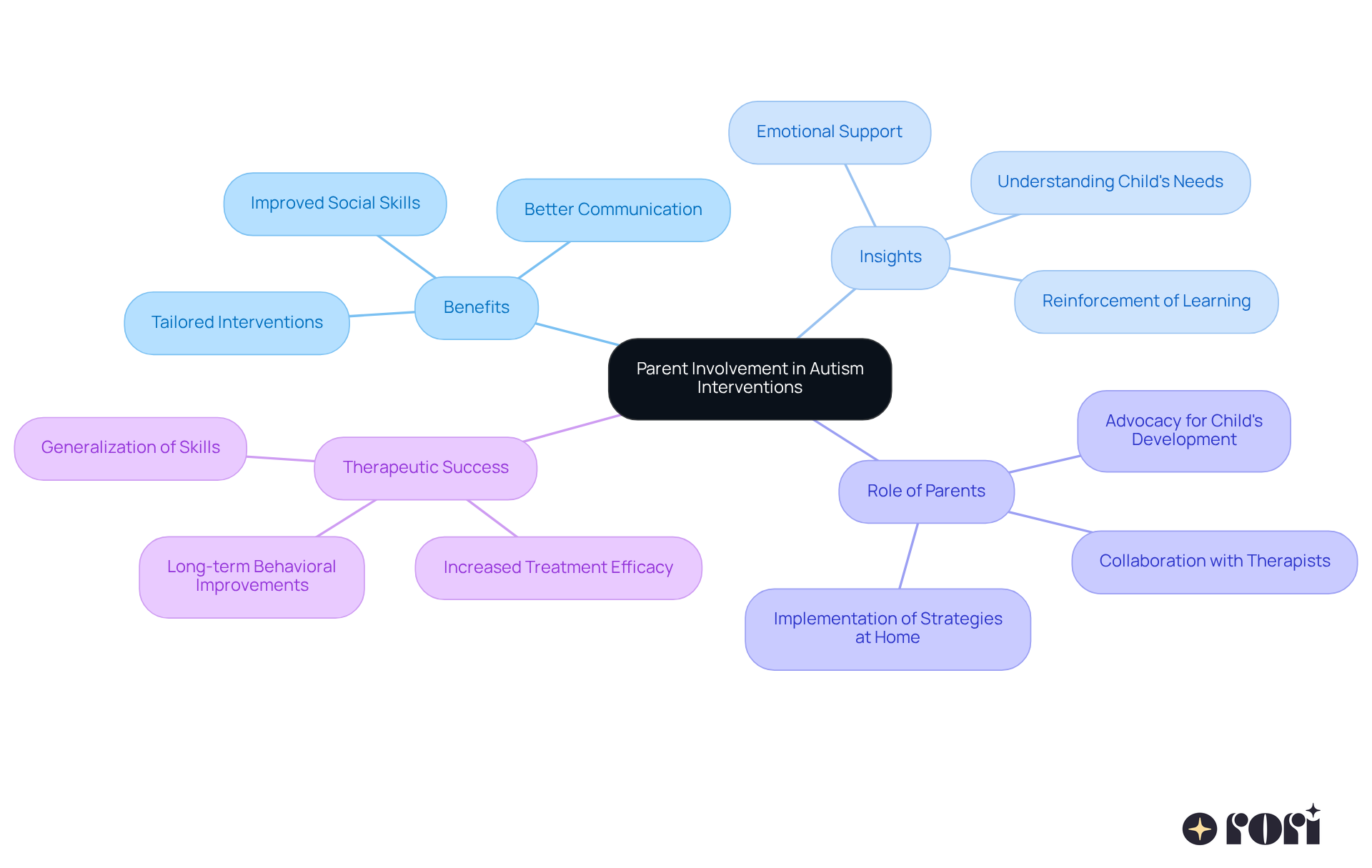
Parent participation in autism interventions is key to making them successful! Studies show that amazing improvements in kids occur when there is parent participation in autism interventions. For example, children whose parents engage in parent participation in autism interventions often show better social skills and communication abilities. This hands-on involvement helps caregivers reinforce what’s learned at home, creating a consistent environment for growth through parent participation in autism interventions.
Plus, parent participation in autism interventions provides invaluable insights into their child’s unique needs and preferences. This information helps therapists tailor interventions more effectively. At Rori Care, our caring clinicians are here to guide families through comprehensive and compassionate Applied Behavior Analysis treatment. We empower caregivers with the knowledge and skills they need to support their loved ones’ behavioral goals.
By recognizing the importance of their role, parents can become strong advocates for their child’s development. This collaborative approach not only boosts therapeutic success but also emphasizes the importance of parent participation in autism interventions, leading to greater improvements in social skills, language, and behavior regulation. And let’s not forget, it equips caregivers with the tools to make informed decisions, promoting better behavioral outcomes.
So, let’s explore this journey together! We’re here to help you every step of the way!
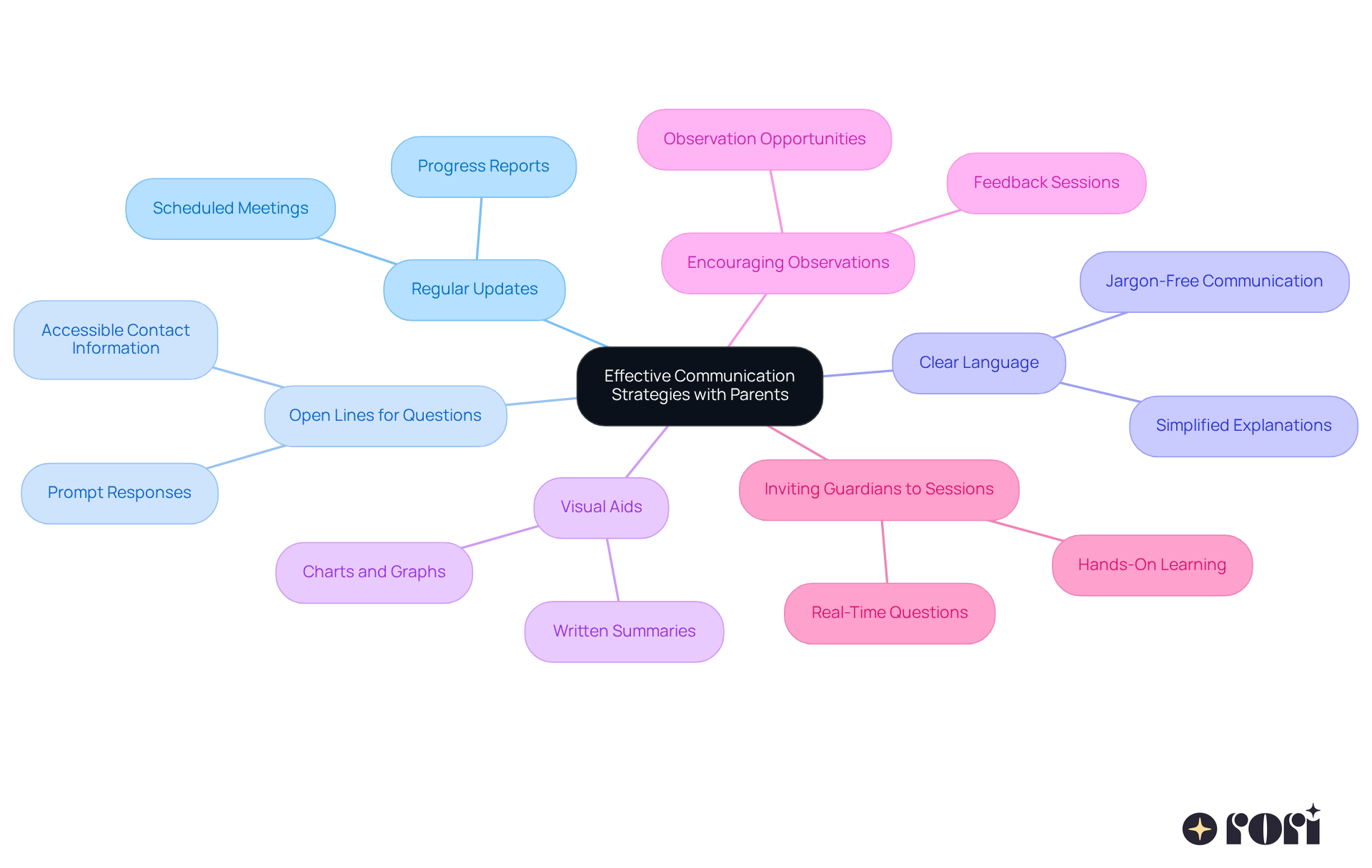
Enhancing parent participation in autism interventions begins with effective communication methods. Regular updates on a child's progress are key - they keep guardians informed and engaged. Plus, having open lines for questions and concerns, along with scheduled meetings to discuss goals and strategies, really strengthens this relationship.
Using clear, jargon-free language is super important for helping caregivers grasp the therapeutic process. Visual aids and written summaries can reinforce what’s said, making complex concepts easier to understand. Encouraging guardians to share their observations creates a collaborative atmosphere that promotes parent participation in autism interventions, allowing both therapists and caregivers to work together toward common goals.
For instance, inviting guardians to observe therapy sessions allows them to see techniques in action and ask questions in real-time. This not only deepens their understanding but also boosts their involvement. Let’s explore this together! We’re here to help you every step of the way!
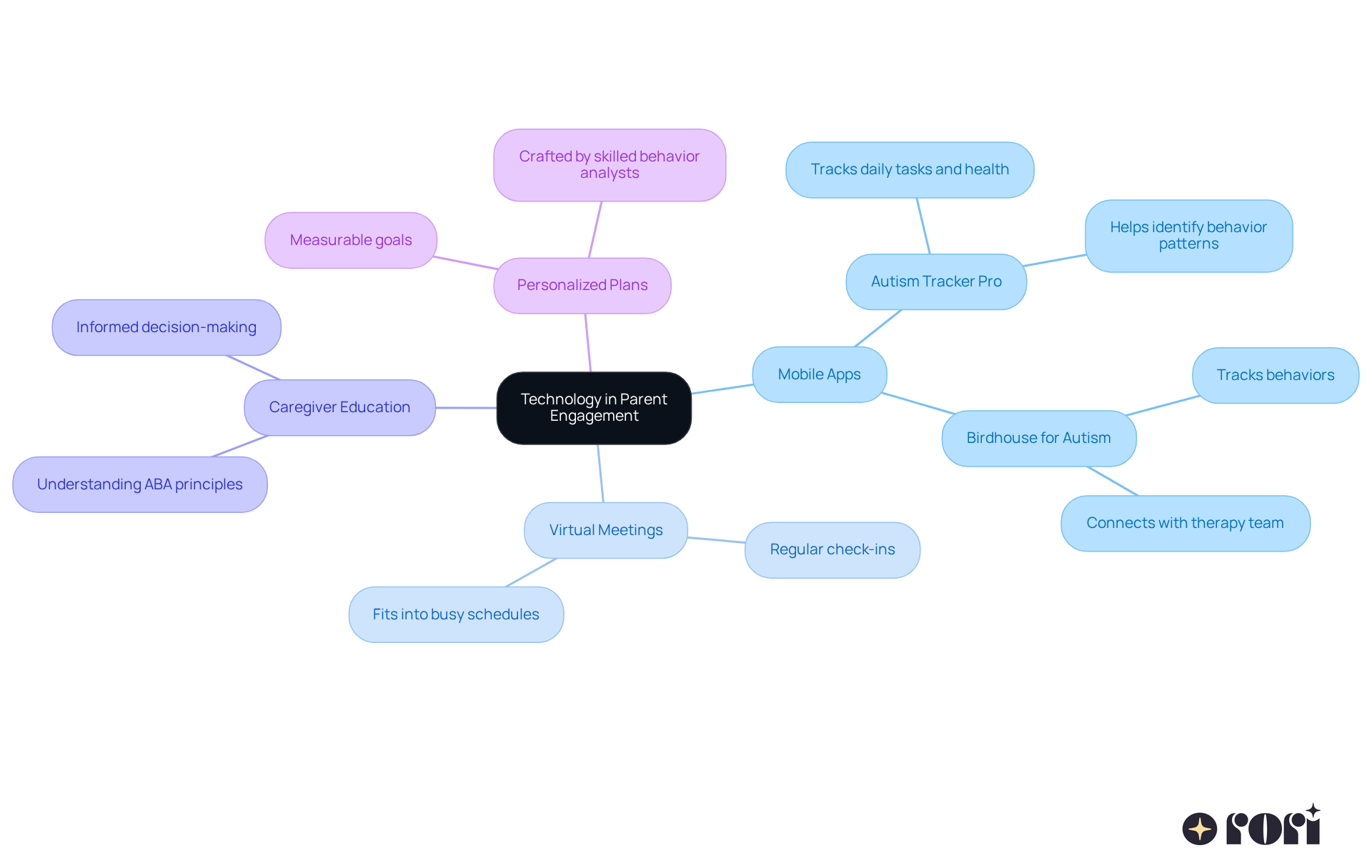
Technology plays a vital role in facilitating parent participation in autism interventions. For instance, mobile apps like Autism Tracker Pro let parents keep an eye on their child's daily activities and health, making it easier to communicate with therapists. These tools help caregivers share insights and updates effortlessly, boosting collaboration.
Take Birdhouse for Autism, for example. It allows caregivers to track behaviors and connect smoothly with their child’s therapy team. Plus, virtual meetings provide opportunities for regular check-ins, fitting into busy schedules while ensuring parent participation in autism interventions by keeping parents actively engaged in their child's therapy. By using these tech resources, therapists can equip caregivers with the tools they need to reinforce skills at home, leading to more effective interventions and better outcomes for kids with autism.
And let’s not forget about caregiver education! It’s essential for parents to understand ABA principles and strategies, which helps them make informed decisions that positively impact their child's development. When caregivers are involved through parent participation in autism interventions, it often results in more effective and lasting behavioral improvements.
It’s important to note that interventions for kids aged 9 and older have shown to be effective, highlighting the need for age-appropriate approaches. Many parents have shared positive feedback about mobile devices, emphasizing how they enhance communication and collaboration. However, relying solely on technology without enough parental involvement can lead to misapplication of methods, so finding a balance is key.
By diving deeper into what makes mobile solutions effective, we can strengthen the evidence for these tools. Additionally, the role of skilled behavior analysts in crafting personalized plans with measurable goals and research-backed methods is crucial for fostering positive behavior changes and ensuring responsiveness to each child's needs.
Let’s explore this together! We’re here to help you every step of the way!
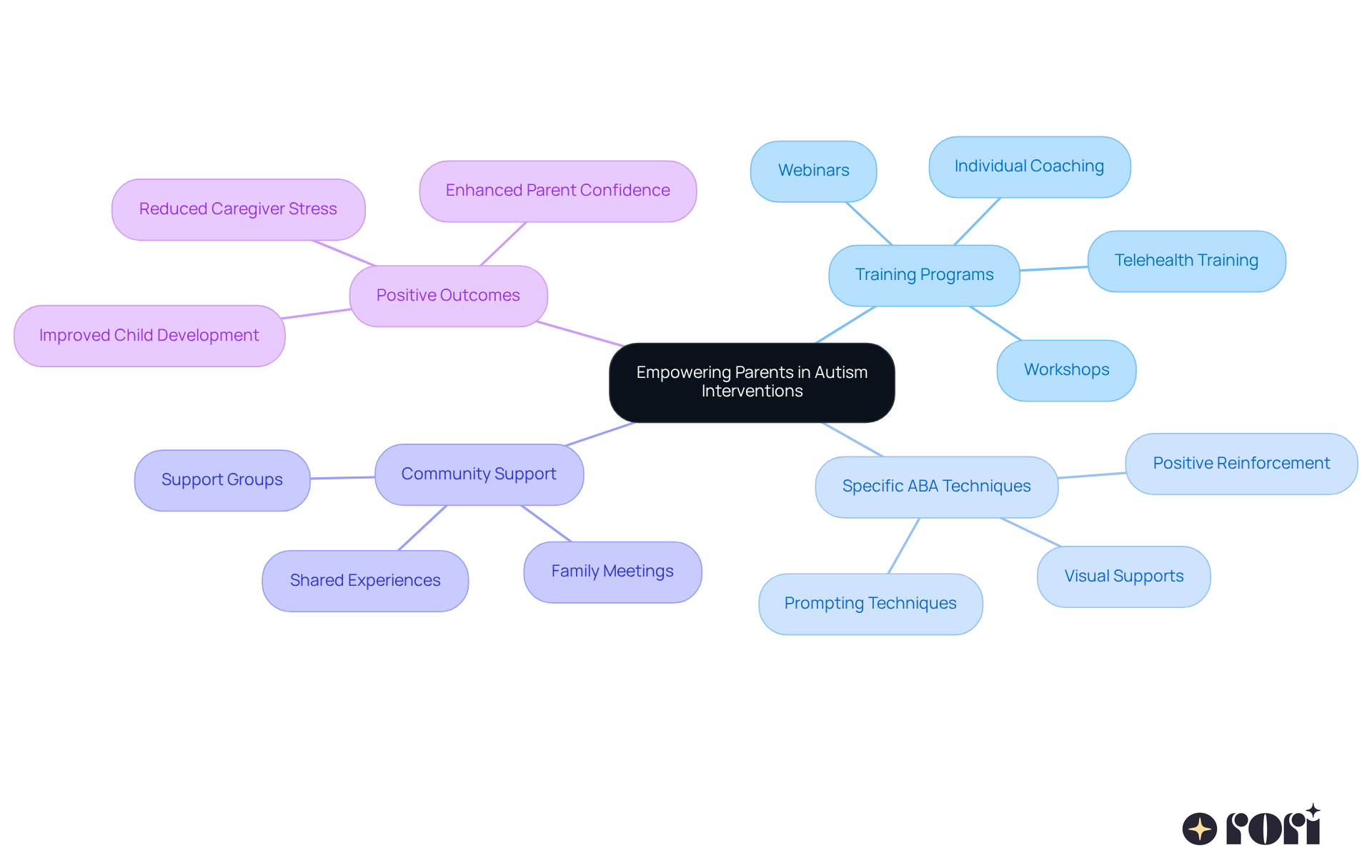
Supporting guardians with training and resources is crucial for enhancing parent participation in autism interventions. At Rori Care, we’re here to guide your family’s journey with our comprehensive and compassionate Applied Behavior Analysis (ABA) treatment. Our caregiver education programs help you understand ABA principles and approaches better, empowering you to make informed decisions that positively impact your child’s development.
When we focus on teaching caregivers specific ABA techniques, like positive reinforcement and prompting, it really enhances their ability to support their child’s learning. Imagine being equipped with practical strategies you can use at home! Our workshops and webinars create a supportive community among families, sharing experiences and tips that make a difference.
By investing in parent education, Rori Care promotes parent participation in autism interventions, leading to a more collaborative and effective intervention process. This not only leads to better behavioral outcomes but also helps reduce caregiver stress and empowers you as a caregiver. Let’s explore this together! We’re here to help you every step of the way!
Maximizing parent participation in autism interventions is so important for helping children with autism make real progress. When parents get involved, it not only boosts the effectiveness of therapy but also empowers them to be strong advocates for their child's growth. By actively participating, parents can create a consistent environment that truly supports learning and development.
Think about it: effective communication, using technology, and providing training and resources are key to encouraging this involvement. Regular updates and clear communication can really bridge the gap between therapists and families, making sure everyone is on the same page. Plus, when parents gain knowledge and skills through training, they’re better equipped to meet their child’s unique needs.
Ultimately, we can’t underestimate how vital parent participation is in autism interventions. By prioritizing this engagement, families can achieve better outcomes for their children, leading to improved social skills, communication, and behavior regulation. Embracing these strategies not only helps individual children but also strengthens the entire family unit, creating a supportive community that thrives together.
So, let’s explore this journey together! We’re here to help you every step of the way!
Why is parent involvement important in autism interventions?
Parent involvement is crucial in autism interventions as it leads to significant improvements in children's social skills and communication abilities. Engaging parents helps reinforce learning at home, creating a consistent environment for growth.
How does parent participation benefit children with autism?
Children whose parents participate in autism interventions often show better social skills and communication. This hands-on involvement allows caregivers to support and reinforce what is learned during therapy sessions.
What insights do parents provide in autism interventions?
Parents offer invaluable insights into their child's unique needs and preferences, which helps therapists tailor interventions more effectively to meet those specific requirements.
What role do clinicians play in supporting parent involvement?
Clinicians at Rori Care guide families through comprehensive Applied Behavior Analysis treatment, empowering caregivers with the knowledge and skills necessary to support their loved ones’ behavioral goals.
How can parents advocate for their child's development in autism interventions?
By recognizing the importance of their role, parents can become strong advocates for their child's development, which boosts therapeutic success and leads to greater improvements in social skills, language, and behavior regulation.
What outcomes can result from effective parent participation in autism interventions?
Effective parent participation can lead to better behavioral outcomes, as it equips caregivers with the tools to make informed decisions and actively support their child's development.


