Recognizing individual interests in autism care isn’t just a strategy; it’s a crucial foundation for effective support and engagement. When we tailor therapeutic approaches to match a child’s passions - be it trains, dinosaurs, or art - we can really boost their motivation and learning outcomes. But how do practitioners find that sweet spot between nurturing these interests and achieving broader developmental goals?
Let’s explore this together! This article dives into best practices for creating personalized treatment plans that honor individual preferences while promoting holistic growth for children on the autism spectrum. By focusing on what excites them, we can make a real difference in their journey.
Recognizing personal preferences is super important in autism care! Kids with autism often have specific interests that can really boost their learning and engagement. For example, if a child loves trains, bringing in train-related themes during counseling can make everything feel more relevant and fun. This approach not only grabs their attention but also sparks motivation and a sense of connection.
Research shows that when treatment incorporates tailored support for individual interests in autism care, it leads to better engagement and overall outcomes. It’s essential for clinicians to keep an eye on these preferences and chat about them with the child and their family, ensuring that therapy remains enjoyable and effective. In fact, a whopping 96 percent of autistic adults believe that encouraging kids' favorite activities is a great idea, highlighting how crucial this method is for positive developmental experiences.
But let’s remember, while focusing on personal interests is beneficial, we should also be careful not to overlook broader developmental goals, especially for those with learning disabilities. This kind of personalized planning, along with tailored support for individual interests in autism care, measurable goals, and evidence-based strategies, is key for effective behavioral intervention. It can really make a difference for individuals of all ages facing Autism Spectrum Disorders, ADHD, learning disabilities, and other behavioral challenges.
So, let’s explore this together! We’re here to help you every step of the way!

Creating tailored support for individual interests in autism care is crucial for developing personalized treatment plans that align with a young person's interests. It’s all about teamwork! These plans should come together with input from the young individual, their family, and the clinical team. For instance, if a young person loves art, we can weave in art-based activities that help boost social skills and communication. This not only makes the sessions more fun but also encourages the young participant to get more involved.
Research shows that personalized plans really enhance skill retention and motivation. When caregivers are actively involved and suggested hours are fully utilized, an impressive 90% of youngsters show remarkable progress! Plus, did you know that 66% of youth referred for ABA services start treatment and stick with it for 12 months? This highlights how crucial it is to keep evaluating and adjusting treatment strategies.
At Rori Care, we’re all about keeping things fresh! Our behavior care engine updates behavior intervention and skill acquisition plans after each session based on the progress made. This means clinicians regularly review and tweak these plans to provide tailored support for individual interests in autism care, fitting any changes in the individual’s preferences or progress, and ensuring that therapy remains relevant and effective. Let’s explore this together!

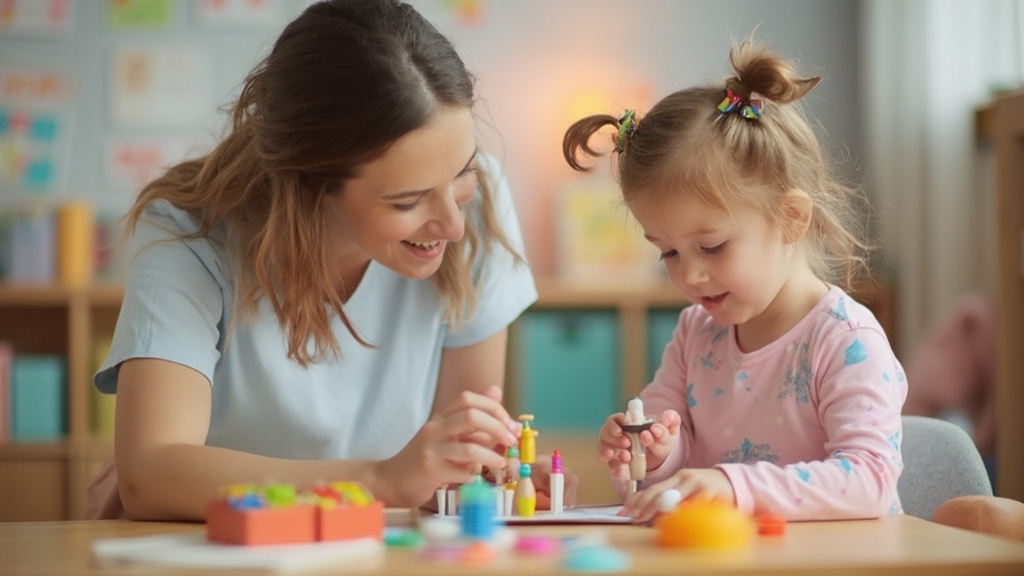
When it comes to helping young people develop their skills, tapping into their interests can be a game changer! Clinicians have a bunch of strategies up their sleeves to make this happen. For example, using visuals that resonate with what a child loves can really boost their understanding and memory. Imagine a kid who's crazy about dinosaurs - by adding dinosaur-themed visuals like picture schedules or first/then boards, learning becomes not just relatable but super fun!
But that’s not all! Creating chances for social interaction around these interests - think group activities or clubs - can really help kids build social skills and strengthen friendships. Research shows that when children engage in activities they’re passionate about, they’re more likely to practice and pick up new skills. So, clinicians should always be on the lookout for fresh ways to weave these interests into therapy sessions, making sure those visual supports are consistent across different settings.
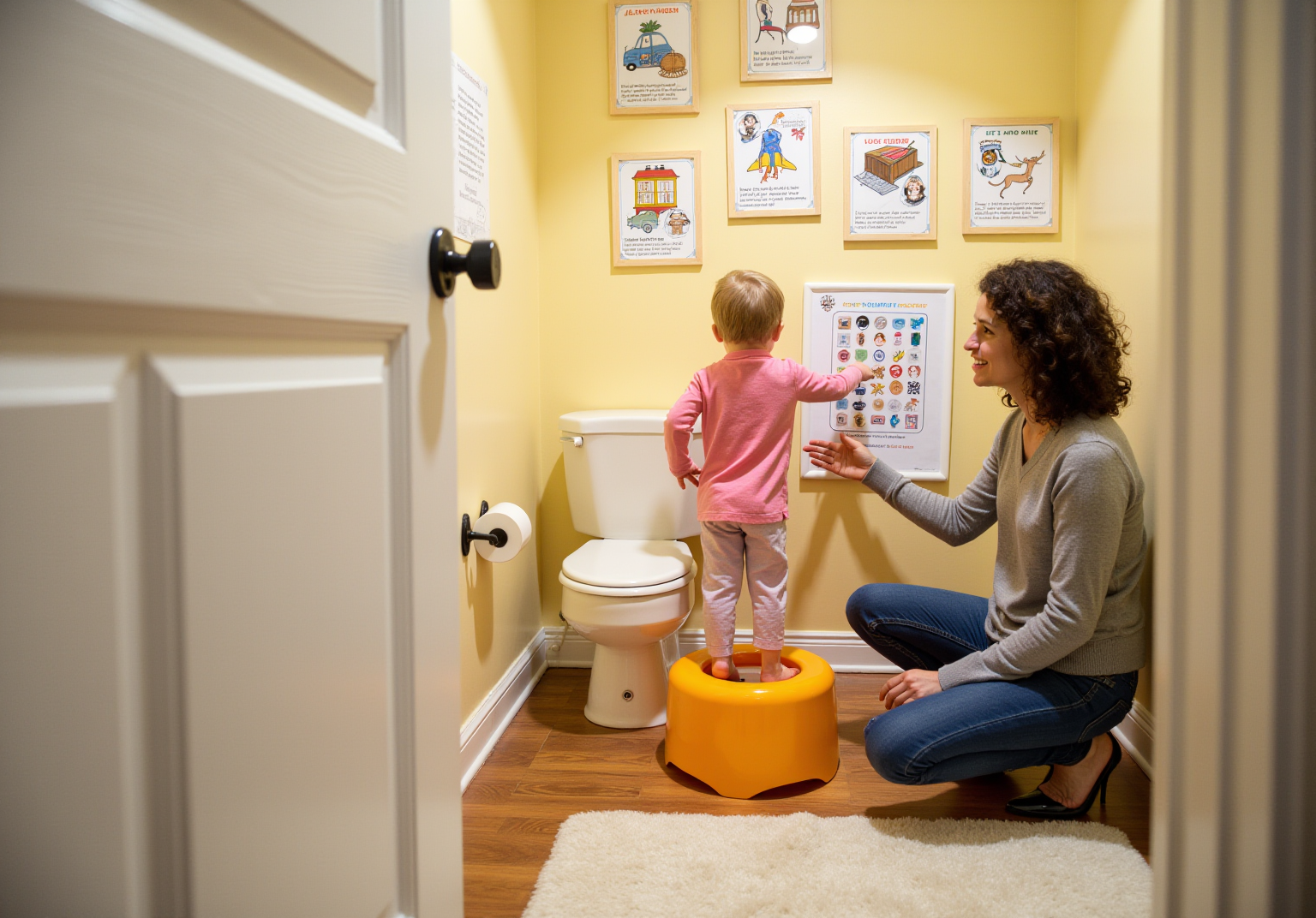
And let’s not forget about parents! Their involvement is crucial. When parents understand ABA principles, they can reinforce these techniques at home, turning learning into an enjoyable experience. This active participation not only enhances the support given to the child but also empowers caregivers, helping them make informed choices that positively impact their child’s progress. Let’s explore this together and see how we can make learning a joyful journey!

Collaboration with families is so important when it comes to effective autism care! Involving parents and caregivers in the therapy process not only brings valuable insights into a young person's interests and behaviors but also ensures that therapeutic strategies are consistently reinforced at home. When clinicians and families communicate regularly, it helps align goals and expectations, creating a unified approach to the individual’s development. For example, if a child is working on improving communication skills, families can practice these skills during daily routines, making the learning experience even richer.
Research shows that family involvement can really boost treatment outcomes, highlighting why clinicians should prioritize this collaboration. Here are some key benefits of caregiver education:
By actively engaging in their child's treatment, families not only support their child's development but also enhance their own coping methods and family interactions. As Ralph Moller wisely states, 'Family involvement in treatment is also crucial for effective outcomes.' Plus, parents typically receive about 1.5 hours of intervention training each week, which really shows their commitment to improving therapy outcomes.
Let’s explore this together! We’re here to help you every step of the way!

Recognizing and integrating individual interests into autism care isn’t just a strategy; it’s a heartfelt approach that truly enhances engagement and learning. When we tailor support around what captivates each child, clinicians can build deeper connections and spark motivation, leading to more effective outcomes. This personalized focus lays the groundwork for meaningful therapeutic relationships and helps achieve developmental goals.
Key practices highlight the importance of personalized treatment plans that involve collaboration among clinicians, families, and the young individuals themselves. By actively involving families and adapting strategies based on interests, clinicians create a supportive environment that not only boosts skill acquisition but also empowers caregivers. Research shows that when interests are woven into therapy, children show improved motivation and retention of skills, underscoring the effectiveness of this approach.
The significance of these practices goes beyond individual sessions; they nurture a holistic support system that benefits the entire family. Engaging families in the therapeutic process reinforces learning at home and strengthens family dynamics. As we continue this journey in autism care, it’s essential to prioritize these tailored approaches. By embracing each child’s unique interests and fostering collaboration with families, we can establish a more inclusive and effective autism care framework, paving the way for brighter futures for individuals on the spectrum. Let’s explore this together!
Why is recognizing individual interests important in autism care?
Recognizing personal preferences is crucial in autism care because it can boost learning and engagement. Tailoring therapy to a child's specific interests, such as using train-related themes for a child who loves trains, makes the experience more relevant and enjoyable.
How does incorporating individual interests impact treatment outcomes?
Research indicates that when treatment incorporates tailored support for individual interests, it leads to better engagement and overall outcomes in autism care.
What do autistic adults think about encouraging children's favorite activities?
A significant 96 percent of autistic adults believe that encouraging kids' favorite activities is a great idea, underscoring the importance of this approach for positive developmental experiences.
What should clinicians keep in mind when focusing on personal interests?
Clinicians should ensure that while focusing on personal interests is beneficial, they do not overlook broader developmental goals, especially for children with learning disabilities.
What elements are key for effective behavioral intervention in autism care?
Key elements for effective behavioral intervention include personalized planning, tailored support for individual interests, measurable goals, and evidence-based strategies.
Who can benefit from personalized support in autism care?
Individuals of all ages facing Autism Spectrum Disorders, ADHD, learning disabilities, and other behavioral challenges can benefit from personalized support in autism care.