Autism Spectrum Disorder (ASD) encompasses a wide range of neurological and developmental conditions, with symptoms and characteristics varying greatly among individuals. Within the spectrum, there is a categorization known as high-functioning autism, which describes individuals with milder symptoms and average or above-average cognitive abilities. These individuals may face challenges in social interaction and communication, along with repetitive or highly focused behaviors and interests.
Despite these challenges, they often excel in specific areas of interest or academic fields. As our understanding of the spectrum evolves, terminology has shifted to provide a clearer clinical picture. Recognizing the diverse experiences of individuals with ASD is crucial for fostering inclusive environments.
Autistic individuals face employment challenges, highlighting the need for increased awareness and support. Current research suggests an imbalance between excitatory and inhibitory neurons may contribute to the development of ASD, opening potential pathways for therapeutic interventions. As society embraces the neurodiversity paradigm, it is essential to acknowledge and celebrate the strengths of individuals with high-functioning autism while providing appropriate support for their challenges.
encompasses a broad spectrum of neurological and developmental conditions, with symptoms and characteristics varying greatly among people. One classification within the range is high-functioning ASD, which is not an authorized medical diagnosis but is utilized to depict individuals who exhibit less severe symptoms and have average or above-average cognitive capabilities.
Individuals with may experience challenges in , alongside patterns of behavior and interests that are repetitive or highly focused. They often have the ability to communicate verbally but might struggle with the subtleties of conversation, such as interpreting body language, tone, and expressions. Despite these challenges, they may excel in specific areas of interest or academic fields, leveraging their intense focus and analytical skills.
Recent shifts in terminology reflect an evolving understanding of the spectrum. For instance, the term , previously used to describe a similar profile, is being phased out in favor of non-eponymous descriptors that provide a clearer clinical picture without the ethical and historical baggage associated with eponymous terms.
Comprehending the varied experiences of people with ASD is vital for cultivating inclusive environments. Statistics indicate that people with autism face significant , with only 30% of working-age individuals on the autism spectrum being employed, compared to 50% of all disabled people and 80% of non-disabled individuals. This highlights the need for increased awareness and support to harness the unique talents of autistic employees and bridge the employment gap.
Furthermore, current research underscores the importance of balanced neural activity for . A study led by Dr. Xiangling Meng suggests that an imbalance between excitatory and inhibitory neurons may contribute to the development of ASD. This discovery reveals possible routes for therapeutic interventions that could enhance the quality of life for individuals in this range.
As society continues to embrace the neurodiversity paradigm, acknowledging that neurocognitive differences are a natural and valuable form of human variation, we can work towards a future where the strengths of individuals with are recognized and celebrated, and their challenges are met with understanding and appropriate support.
People with mild ASD often exhibit a wide range of indications that can vary greatly from one individual to another. Common traits among this group include hurdles in . They may struggle to interpret and use nonverbal communication signals effectively, which are crucial for seamless social exchanges. A pronounced inclination towards is also frequently observed, along with a deep, abiding interest in particular subjects or activities. These attributes are part of the broader spectrum of autism and impact people to varying extents.
In recent research, clinicians are shifting their approaches in studying the most effective interventions for children with ASD. The emphasis is now on randomized controlled trials over quasi-experimental studies, as these provide a more robust comparison between treatment outcomes. This change is reflective of the growing consensus on the need for .
The CDC estimates that the condition occurs in as many as 1 in 36 individuals. Identifying the initial indications of a developmental disorder is crucial, as it enables . The DSM-5 from the American Psychiatric Association provides clear guidelines for diagnosing a condition characterized by persistent differences in communication and social interactions across various contexts, as well as restricted, repetitive patterns of behavior, activities, or interests.
Understanding the complexity and variability of ASD is essential. While the DSM-5 and ICD-11 have attempted to categorize the spectrum with , these are not always applied in practice or research. Notably, a substantial minority of children with ASD in the United States meet the criteria for profound ASD, which emphasizes the need for tailored support to address the wide range of needs among individuals with ASD.
Autism's etiology is multifaceted, involving genetic and environmental factors. Contrary to misinformation, vaccines have been conclusively shown not to cause a developmental disorder. Brain scans indicate that individuals with the distinctive brain structures have a genetic basis for the disorder. Despite the challenges, can lead to more independent living in adulthood for some people with ASD.
Navigating can be a complex journey for individuals on the milder side of the spectrum disorder. They often face unique challenges in interpreting and engaging in the give-and-take of everyday . This may manifest as difficulties in starting or following through with conversations, discerning the implied meanings in sarcasm or humor, and reading non-verbal signals such as body language or facial expressions.
For people with mild autism, the subtleties of can sometimes feel like a foreign language. They might find it hard to grasp another person's perspective or to convey their own thoughts and emotions effectively. Recognizing this, the approach to fostering must start with a mutual understanding that the two groups may process information in significantly different ways. This includes the interpretation of sensory inputs, non-verbal cues, and the focus and filtering of information.
Certain people may excel in specific communicative functions, like requesting assistance or showing empathy, while others might find these very areas to be hurdles that inhibit their . Identifying and utilizing the strengths in communication for each person is crucial. For instance, those with limited verbal skills may benefit from , such as using pictures, gestures, or even technology like the Picture Exchange Communication System (PECS). Others might find it easier to type their thoughts rather than speak them out loud, and some may appreciate structured questions that help them to engage in conversations and establish connections.
Research highlights the range of experiences among autistic people and their families. A study involving ten autistic mothers with children in mainstream education highlighted systemic challenges in securing the appropriate support from healthcare and educational services. The participants' narratives echoed the struggles of that often seems ill-equipped to address their needs, a sentiment shared by non-autistic parents as well. The findings point to a pressing need for services to be more attuned to the experiences of autistic families, possibly through training developed and led by autistic adults, emphasizing the positive aspects of autism.
In a revolutionary research conducted by Professor Vikram Jaswal at the University of Virginia, scientists investigated the literacy of non speaking autistic people by creating a game-like approach. Participants were asked to tap on letters on a tablet which lit up in either meaningful sentences or nonsensical sequences. This innovative approach aimed to understand whether nonspeaking autistic people respond to written language in a manner similar to literate, speaking persons.
As we deepen our understanding of mild autism, it becomes evident that a one-size-fits-all approach to communication is inadequate. The abilities and preferences of each person must guide the strategies we use to support meaningful interaction. With research and personal accounts illuminating the complexities of the range of conditions, it is evident that is crucial for fostering stronger, more between individuals with autism and those without.
Individuals with mild ASD often display unique behaviors that can involve a variety of repetitive actions and intensely focused interests. These may take the form of specific repetitive movements—like hand-flapping or rocking—which provide a sense of comfort or help manage sensory input. Consistent routines or resistance to change are also characteristic of , as they offer predictability in a world that may otherwise feel overwhelming.
Deep, sometimes consuming interests in particular subjects or objects are another facet of mild developmental disorder. This intense focus can lead to an impressive accumulation of knowledge or skills in specific areas. For some, these interests align with academic or career pursuits, providing an avenue for success and satisfaction. For others, the interests may be more esoteric but are no less important for personal fulfillment and stability.
The behaviors associated with mild developmental disorder serve important functions for those who display them. They can be mechanisms for coping with the challenges of sensory processing or means of finding joy and engagement in a world that can seem chaotic or indifferent. Recognizing the underlying purposes of these behaviors is essential for comprehending and assisting individuals with .
Recent studies emphasize the need for to provide the best outcomes for children with ASD. Identifying the indications of mild developmental disorder early enables for interventions that can greatly enhance quality of life. For instance, The Autism Community in Action (TACA) notes that can lead to better long-term outcomes.
Furthermore, research from the UC Davis MIND Institute highlights the importance of . By considering the , clinicians and researchers can develop more effective strategies for intervention and support. This is underscored by , such as those employed by The Center for Discovery, which use artificial intelligence and machine learning to predict behaviors and improve individualized care.
As our comprehension of the condition deepens, so does our capacity to customize assistance to each individual's distinct experiences and needs. This personalized method is essential, considering the and the various ways in which it appears.
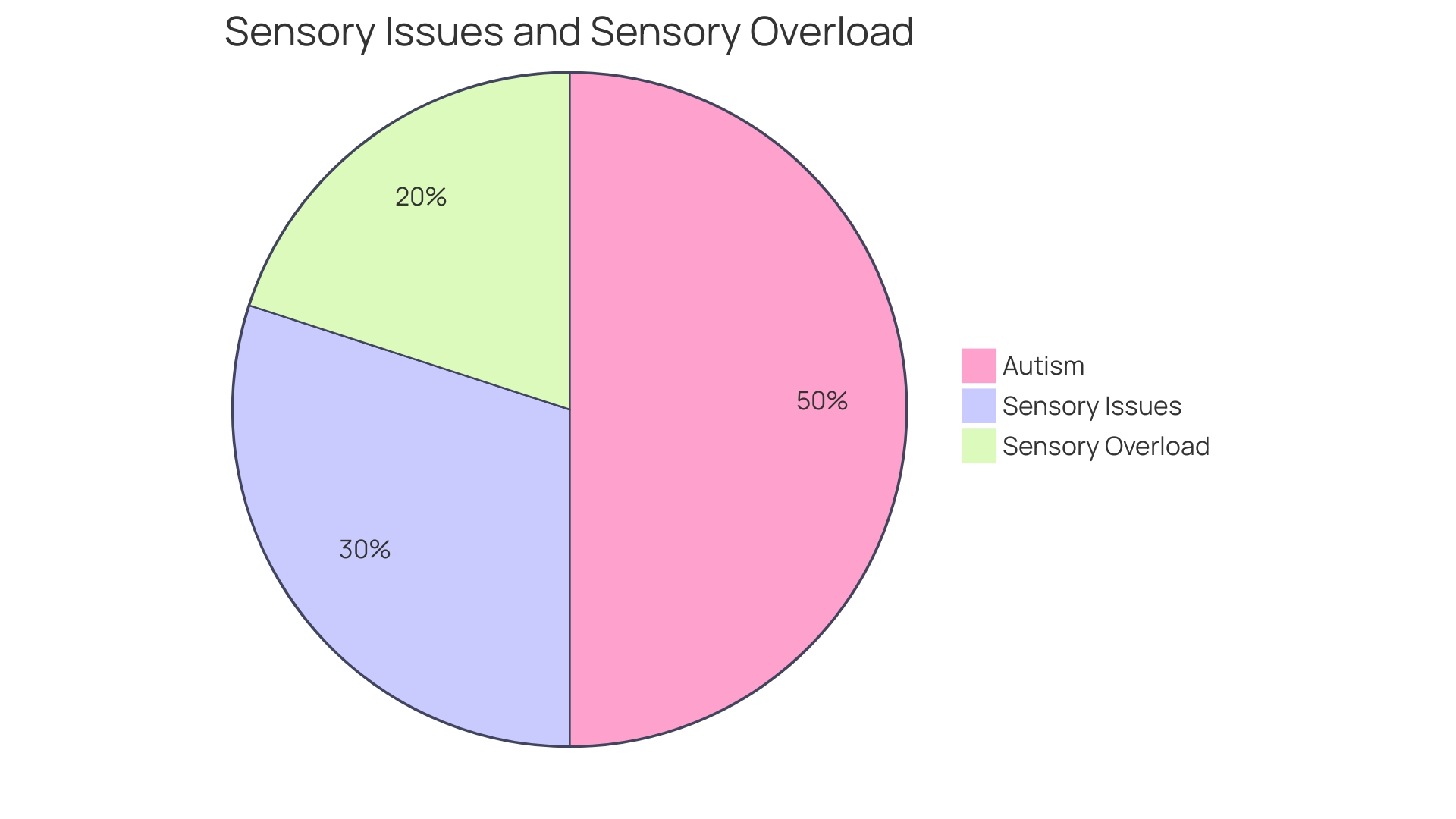
People with a wide range of can greatly affect their everyday lives. These challenges stem from a unique sensory profile that includes both hypersensitivity and hyposensitivity to environmental stimuli, such as sights, sounds, tastes, smells, and touch. For some, bright lights or loud noises can be overwhelming, while others may not react to strong scents or flavors. Individuals with the condition may also face challenges with proprioception, which is the sense of body position and movement, as well as vestibular senses, involving balance and spatial orientation.
Sensory sensitivities are not uniform across the spectrum; they can present in various combinations and intensities, causing a diverse range of responses. For instance, while one person may find the hum of fluorescent lighting intolerable, another might not notice it at all. Additionally, these sensitivities can shift over time or even from day to day, adding to the complexity of managing them.
Recent research suggests that these sensory processing issues could be linked to genetic factors. Studies are exploring the neural circuits involved, particularly focusing on the auditory system, as difficulties with processing sound information can severely impact quality of life. In loud or busy environments like shopping malls or public transportation, the ability to filter out excessive noise and sensory input becomes crucial. For some, these sensory challenges can lead to physical discomfort or pain, making it difficult to navigate everyday situations.
Understanding and managing sensory sensitivities in individuals with this condition is critical, as they can influence behavior, development, and learning. With a better grasp of these , to each individual's needs, whether at home, in educational settings, or in the workplace. By acknowledging and addressing these challenges, we can foster environments that are more inclusive and supportive for .
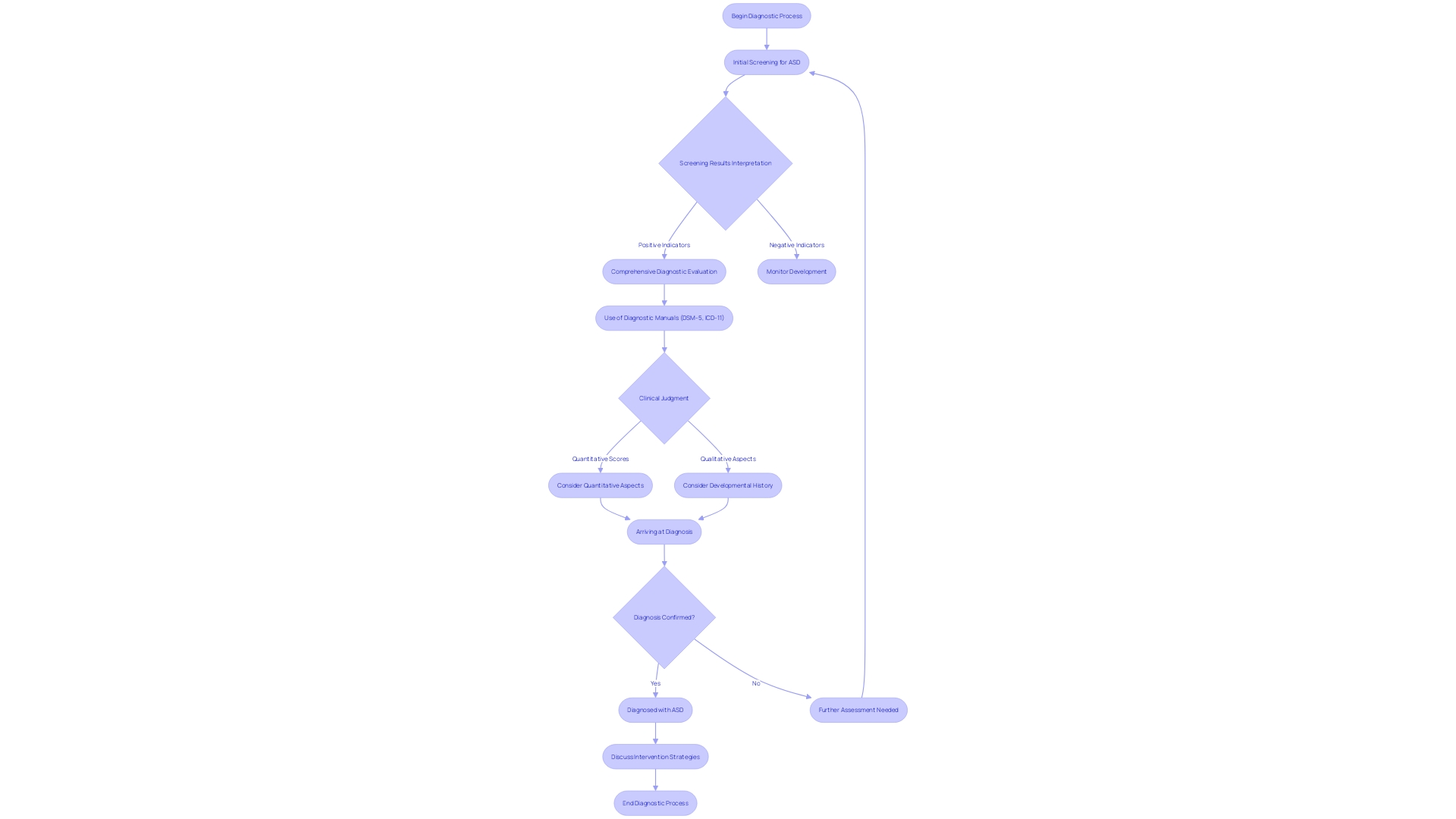
Identifying mild spectrum disorder (ASD) is a nuanced and multi-faceted process, typically involving a team of specialists including psychologists, psychiatrists, and speech-language pathologists. This collaborative approach seeks to gain a of the person's distinct developmental history and current behaviors. Specialists meticulously observe social interactions and utilize a range of to ensure a thorough and accurate evaluation.
The importance of cannot be overstated, as it can significantly influence a person's ability to access that support a fulfilling life. With the current estimated prevalence of 1 in 36 individuals according to the CDC, the demand for a robust and sensitive diagnostic process for individuals with this condition is clear.
A poignant example of the critical nature of comes from a study published in the Journal of Personalized Medicine, which detailed the case of 4-year-old dizygotic twins diagnosed with level 3 severity ASD. This study highlighted the success of a in reducing the severity of ASD symptoms, demonstrating the potential for positive outcomes when interventions are well-coordinated and individual-specific.
Additionally, ongoing studies highlight the complex interaction between genetic and environmental elements in the development of this condition, underscoring the requirement for a . The American Psychiatric Association's DSM-5 offers standardized criteria for diagnosis, yet clinicians are urged to consider a myriad of information sources, including caregiver insights and direct observation, rather than relying on a single diagnostic tool.
According to specialists, the diagnosis of disorder usually depends on two primary sources of information: parents' or caregivers' explanations of their child's growth and an expert's assessment of the child's conduct This dual-source approach ensures a comprehensive and compassionate understanding, opening the path for the most effective interventions and support systems.
Identifying the traits of mild autism disorder (ASD) is important for offering the at each phase of life. For younger children, some of the typical signs include a noticeable delay in speech or language skills, a reduced engagement in imaginative play, and difficulties with , such as making eye contact or . As children with ASD grow into adolescents, they may find it challenging to form and keep friendships, often showing a preference for solitary activities and developing , which can be a source of comfort and expertise.
For adults, the subtleties of social communication and the complexities of relationships can pose ongoing challenges. Navigating may not come naturally, leading to potential misunderstandings and social anxiety. Managing daily life responsibilities and adapting to unexpected changes can also be areas of difficulty. However, it's crucial to acknowledge that each person's experience with ASD is distinctive, and the range of symptoms can differ greatly, with some demonstrating extraordinary abilities or excelling in specific areas.
Recent studies stress the in connection with quality of life for people with ASD, particularly as they transition into adulthood. Continuous research is necessary to track changes over time and to develop a deeper understanding of how adaptive skills and behaviors evolve. Significant progress in , like the application of AI in examining retinal images, are creating opportunities for earlier and more precise detection of ASD, which can significantly improve the assistance accessible to people and their families.
Individuals with mild autism spectrum disorder (ASD) have access to a variety of support and treatment options tailored to their unique needs. are designed to help manage symptoms and reinforce positive behaviors, while speech and language therapy aims to improve communication skills. can be crucial in helping people navigate interpersonal interactions, and is often utilized to develop daily living skills and independence.
, known as IEPs, are essential in the educational setting, providing customized strategies to facilitate learning and development. It's vital for caregivers and professionals to collaborate in identifying the most effective interventions, drawing upon successful programs like the . This program, which targets the prevention of wandering and elopement in people with developmental disabilities, has granted $10.3 million since 2018, showcasing the beneficial effect of focused assistance funded by the Autism CARES Act.
As ASD can present various challenges in adulthood, it's important to continue exploring and expanding these types of programs. Dr. Gregory Wallace highlights the lack of research on autistic adults, particularly beyond young adulthood, which underscores the necessity for ongoing support services. With the increasing number of diagnoses for children, ranging from 1 in 36 as reported by the CDC, the significance of becomes increasingly evident. Initiatives like TACA and NeuroQure are addressing this by providing support and striving for early, accurate diagnoses, which can significantly improve outcomes.
In the realm of travel, efforts to accommodate neurodivergent passengers, such as those by Emirates and Dubai International Airport, show how adaptations in various environments can greatly enhance the experiences of individuals with ASD. By offering rehearsal flying experiences and personalized support, these organizations set an example of how societal inclusion can be achieved through thoughtful consideration of the needs of those on the autism spectrum.
Identifying at an early stage in life is crucial for offering children optimal chances for their growth and development. When signs of ASD are recognized swiftly, it opens the door to that can profoundly influence a child's ability to communicate, engage in , and learn adaptive behaviors.
Research has made significant strides in improving early detection methods. A novel approach combines observational protocols, like watching how children and parents interact during block-play activities, with sophisticated attention-enhanced deep learning frameworks. This innovative model processes the subtle nuances of these interactions, potentially identifying early signs of ASD more effectively than some conventional screening methods.
Furthermore, recent progress in machine learning has facilitated the creation of models such as 'AutMedAI,' which utilizes a collection of parameters to detect patterns suggestive of a in children below 24 months of age. This model has demonstrated potential, effectively identifying about 80% of children with ASD in a sample of about 12,000 people.
As ASD can manifest in a spectrum of behaviors affecting social skills, communication, and behavior to varying degrees, is a gateway to tailored support and therapies. Given the high occurrence rate of autism, as estimated by the CDC to be present in up to 1 in 36 people, the significance of these cannot be emphasized enough.
Groundbreaking work continues to unfold in the field, with researchers exploring new methods for early screening and rapid referral into routine healthcare. These efforts are crucial, as research suggests that only a small percentage of people diagnosed with ASD before the age of five can live independently as adults. With initiatives like the focusing on specific ASD-related challenges such as wandering, the impact of early intervention and public awareness is further emphasized.
Understanding the complex interplay of genetic and environmental factors in ASD development is an ongoing endeavor. However, it is evident that early identification and subsequent intervention can result in more favorable outcomes, supporting people with ASD to lead satisfying lives.
Individuals with a bring a diverse range of strengths and challenges to the table. Often, they have a keen eye for detail, impressive memory capabilities, and an intense passion for their areas of interest—attributes that can lead to remarkable achievements. Daisy, through her project 'Neurodivergent in STEM', celebrates such unique abilities by sharing the experiences of thriving in science fields. Likewise, Jacob Rock's story serves as evidence of the remarkable potential within individuals with autism. Despite his profound condition of non-oral, Jacob, with the help of text-to-voice technology, created 'Unforgettable Sunrise'âa symphony that not only displays his profound sensitivity to language and art but also his ability to surpass communication barriers and express his inner world.
On the flip side, social interactions, adapting to changes, and sensory sensitivities can be challenging for those with mild spectrum autism. It's critical to acknowledge these challenges while fostering a that allows for personal growth and fulfillment. Reports suggest that neurodiverse people frequently do not perceive themselves as having a long-term health condition, indicating that the estimated 680,000 working-age autistic persons in the UK might be an underrepresentation. Furthermore, while many individuals on the autism spectrum are eager to work, only about 30% are employed, which is significantly lower than the average for both non-disabled people and those with other disabilities.
, reducing stigma, and leveraging the unique skills of autistic employees are essential. The , initiated on World Autism Awareness Day, aimed to gather feedback from different stakeholders to enhance employment rates and support for people with autism. It underscored the importance of with a broad range of manifestations, emphasizing that while the condition is present from birth, it may take years for a diagnosis. Clinicians such as David Lynch, PhD, and Liliana Valvano, LMSW, promote to cater to the varied experiences of autistic people throughout their lives.
In sum, while living with mild spectrum autism involves navigating certain challenges, the strengths and abilities that come with it are not just beneficial but often extraordinary. By fostering inclusivity and understanding, we can unlock the potential of each individual and celebrate the diverse contributions they make to our world.
In conclusion, individuals with mild autism spectrum disorder (ASD) face challenges in social interaction, communication, and sensory processing. However, they also possess unique strengths and abilities that should be recognized and celebrated.
Early identification and intervention are crucial in improving outcomes for individuals with ASD. Tailored support and therapies, such as behavioral interventions, speech and language therapy, and occupational therapy, can significantly enhance communication, social skills, and adaptive behaviors.
Creating inclusive environments that acknowledge and respect the challenges faced by individuals with mild ASD is essential. By fostering understanding and providing appropriate support, we can promote personal growth and fulfillment.
Increased awareness, reduced stigma, and the utilization of the unique skills of autistic individuals are necessary to improve employment rates and support for individuals with ASD. By embracing their strengths and abilities, we can unlock their potential and celebrate their diverse contributions.
In conclusion, by providing early identification, tailored support, and inclusive environments, we can empower individuals with mild ASD to thrive and lead fulfilling lives.
Join us in creating inclusive environments for individuals with mild ASD and help them thrive.
What is Autism Spectrum Disorder (ASD)?
Autism Spectrum Disorder is a broad range of neurological and developmental conditions with varying symptoms and characteristics among individuals. It can affect social interaction, communication, behavior, and interests.
What does 'high-functioning autism' mean?
"High-functioning autism" is a term used to describe individuals with less severe symptoms of autism who have average or above-average cognitive abilities. This term is not an official medical diagnosis.
What challenges do individuals with high-functioning autism face?
Individuals with high-functioning autism may have difficulties with social interaction and communication, including interpreting body language, tone, and expressions. They may also exhibit repetitive behaviors or have highly focused interests.
Why is the term Asperger's syndrome no longer widely used?
The term Asperger's syndrome, which described a similar profile to high-functioning autism, is being phased out due to the preference for non-eponymous descriptors that provide a clearer clinical picture and avoid the ethical issues associated with eponymous terms.
What are the employment statistics for individuals with autism?
Only 30% of working-age individuals on the autism spectrum are employed, which is significantly lower than the 50% employment rate for all disabled people and 80% for non-disabled individuals.
What role do neural imbalances play in ASD?
Imbalances between excitatory and inhibitory neurons may contribute to the development of ASD, suggesting potential routes for therapeutic interventions.
What are common characteristics of mild spectrum autism?
People with mild ASD can have social interaction difficulties, repetitive behaviors, strict routines, and a deep interest in particular subjects. The severity and type of symptoms vary widely among individuals.
How has research on interventions for children with ASD changed?
Research now focuses on randomized controlled trials to compare treatment outcomes, reflecting a need for evidence-based practices in care for individuals with ASD.
How prevalent is ASD?
The CDC estimates that ASD occurs in as many as 1 in 36 individuals.
What challenges do individuals with mild autism face in social communication?
They may have trouble starting conversations, understanding sarcasm or humor, and interpreting non-verbal signals. Communicative strengths and weaknesses vary among individuals.
How do repetitive behaviors and restricted interests manifest in mild ASD?
These may include specific repetitive movements for comfort, resistance to change, and deep interests in particular subjects or activities, which serve important functions for individuals with ASD.
What are sensory sensitivities in ASD?
Individuals with ASD may have hypersensitivity or hyposensitivity to environmental stimuli like lights, sounds, and textures, which can affect everyday life and vary in intensity.
How is mild spectrum autism diagnosed?
Diagnosis involves a team of specialists who review developmental history and current behaviors using standardized assessment tools and direct observations.
What signs and symptoms of ASD appear in different age groups?
Young children may have delayed speech or language skills and difficulties with social interactions, while adults may struggle with social communication and adapting to changes.
What support and treatment options are available for mild spectrum autism?
Options include behavioral interventions, speech and language therapy, social skills training, occupational therapy, and personalized education plans.
Why is early identification and intervention important for ASD?
Early identification and intervention can greatly impact a child's communication, social interactions, and adaptive behaviors, leading to better long-term outcomes.
What are the strengths and challenges of living with mild spectrum autism?
Individuals may have keen attention to detail, strong memory, and passion for interests but may also face challenges with social interactions and sensory sensitivities. Employment rates for autistic individuals are lower than average, highlighting the need for increased awareness and support.