Introduction
Navigating the world of Applied Behavior Analysis (ABA) therapy can feel like a daunting task for many parents. But figuring out all the different ways to collect data and make sense of it can be tricky. So, how can you use data analysis to make sure your child's ABA therapy fits their unique needs and goals? With the right tools and support, you can turn this complexity into a powerful ally in your child's development.
Understand the Basics of ABA Therapy and Data Analysis
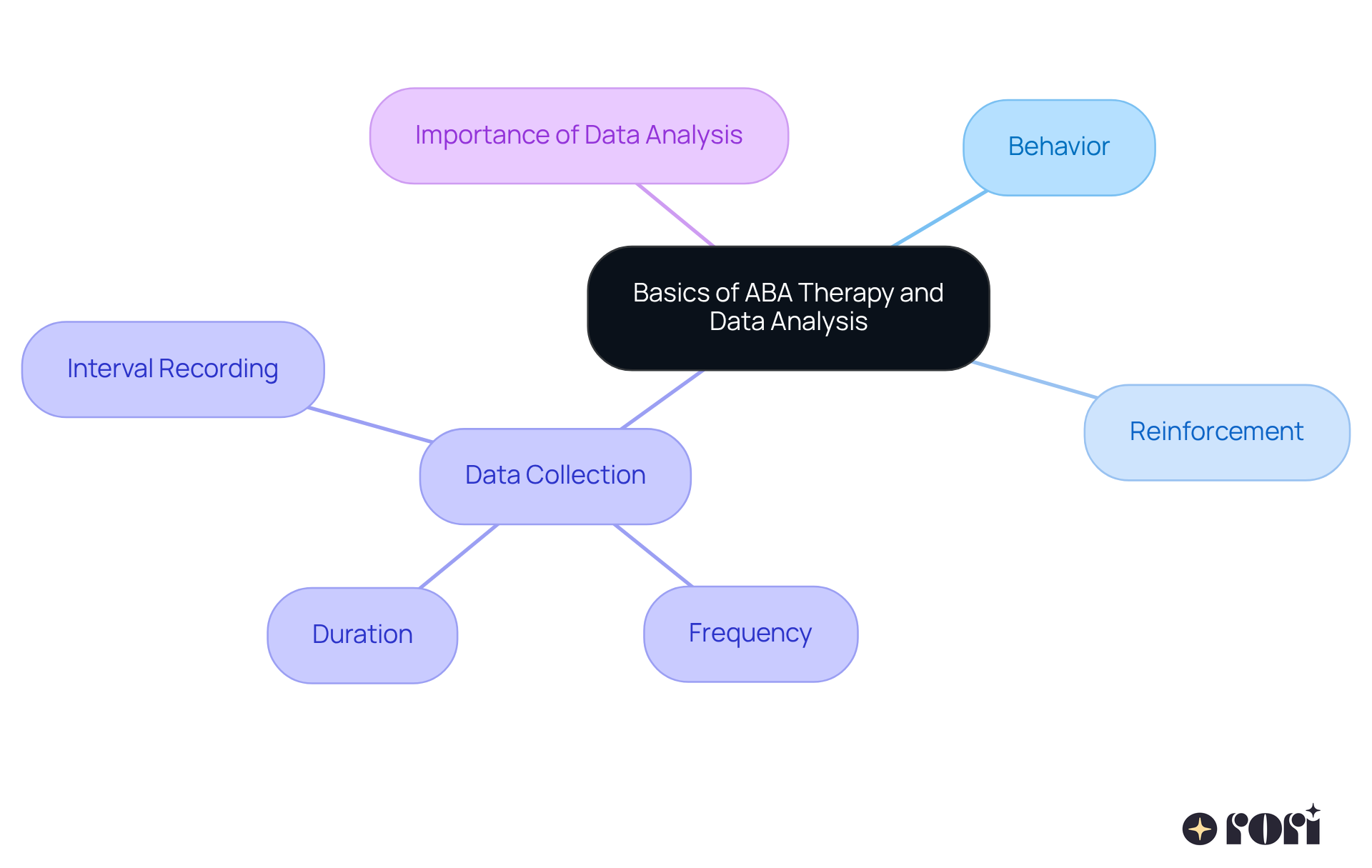
Navigating the world of Applied Behavior Analysis (ABA) can feel a bit daunting, can’t it? ABA is all about understanding and changing behaviors by watching closely and collecting data. Sounds a bit technical, right? The goal of ABA is to boost the good behaviors while dialing down the not-so-great ones, using rewards to help along the way. Utilizing data analysis to optimize ABA therapy plays a significant role here! Therapists can enhance their approach by utilizing data analysis to optimize ABA therapy, allowing them to see how things are going, spot patterns, and tweak the treatment as needed.
Let’s break down some key ideas you’ll want to know:
- Behavior: Any observable action or response from your child.
- Reinforcement: A technique used to promote desired actions by providing rewards.
- Data Collection: The systematic documentation of actions, including methods such as frequency, duration, and interval recording, to evaluate progress over time.
Here at Rori Care, we focus on creating personalized plans that fit your child’s unique needs and strengths. We set clear goals for behavior changes and skill growth, so you can easily see how things are progressing. We keep checking in and adjusting the plan to make sure it’s working well for your child’s growth and responses.
Recent research shows just how important utilizing data analysis to optimize ABA therapy is for achieving great results. Kids who get at least 25 hours of ABA each week tend to see big improvements in their communication and social skills. In fact, over 89% of studies show that kids in ABA programs make significant strides in different areas of development! Behavior analysts understand that utilizing data analysis to optimize ABA therapy is essential for tracking how behaviors change over time. This organized approach not only helps us keep track of progress but also allows us to tailor treatment plans to fit each child’s needs better, utilizing data analysis to optimize ABA therapy. Plus, we use smart AI tech to create progress reports automatically, giving us more time to focus on your child’s treatment!
By getting to know these basics, you can really get involved in your child’s ABA journey and support strategies that make a difference!
Explore Effective Data Collection Methods in ABA Therapy
Keeping track of your child's progress in ABA therapy can feel overwhelming, can't it? But effective data collection is key to understanding how they're doing when utilizing data analysis to optimize ABA therapy. Here are some friendly methods that align with Rori Care's commitment to personalized care:
- Frequency Recording: This method counts how often a specific behavior occurs within a set time frame. It’s super helpful for tracking things like tantrums or requests. For example, a teacher once used frequency recording to see how many times a child raised their hand during class, which helped her provide targeted support.
- Duration Recording: This technique measures how long an activity lasts. It’s great for actions that can vary in length, like playing or working on a task. For instance, you might use duration recording to evaluate how long a tantrum lasts, giving you insights into its intensity.
- Interval Recording: This method involves checking if a behavior happens during specific intervals, like seeing if your child is on task every 10 seconds. It can help you spot patterns in their engagement over time.
- ABC Data Collection: This technique records the Antecedent (what happens before a behavior), Action (the behavior itself), and Consequence (what happens after). By understanding the context, such as noticing that a child throws materials after being asked to start math work, you can gain valuable insights into triggers and outcomes, which is essential when utilizing data analysis to optimize ABA therapy.
- Permanent Product Recording: This method looks at whether your child completes specific tasks, like packing their school bag each evening. It focuses on what they accomplish, giving you clear information about their independence.
By embracing these methods, you’re not just tracking progress; you’re paving the way for your child’s success! Rori Care emphasizes the importance of continuously assessing and adjusting treatment plans utilizing data analysis to optimize ABA therapy based on what you learn. This empowers you with ABA principles and strategies for effective support. Plus, using collection software can help reduce errors and streamline the process. Remember, responsible information collection is essential for ethical and effective ABA practice. Let’s explore this together!

Navigating your child's ABA therapy can feel overwhelming at times, can’t it? Here’s how to effectively approach this process:
- Regularly review collected data by utilizing data analysis to optimize ABA therapy, examining the data gathered through various methods, such as frequency counts and ABC data. Look for trends, such as increases or decreases in specific actions, to gauge overall progress.
- Identify Patterns: Take a moment to see if certain behaviors are improving or worsening over time. For instance, if tantrums are decreasing, that’s a great sign! But if they’re on the rise, it might be time to rethink your strategies.
- Let’s Team Up with Your Therapist: Share your observations with your child’s therapist. Discuss any patterns you notice and ask for their insights on potential adjustments to the therapy plan. This teamwork is key to tailoring interventions to your child’s evolving needs.
- Adjust Goals as Needed: Based on your analysis, work together with your therapist to tweak goals or strategies. It can be frustrating when things don’t seem to be working, right? Let’s think about some new ideas together! Ongoing evaluation helps ensure that treatment stays aligned with your unique requirements.
By utilizing data analysis to optimize ABA therapy, you’re really helping to ensure that your child’s therapy is just right for them! Remember, you’re not alone in this journey-let’s work together to find what works best for your child!

Collaborate with Therapists for Effective Data Utilization
Navigating your child's ABA therapy can feel overwhelming, especially when it comes to working with their therapist. Here are some friendly steps to enhance that collaboration:
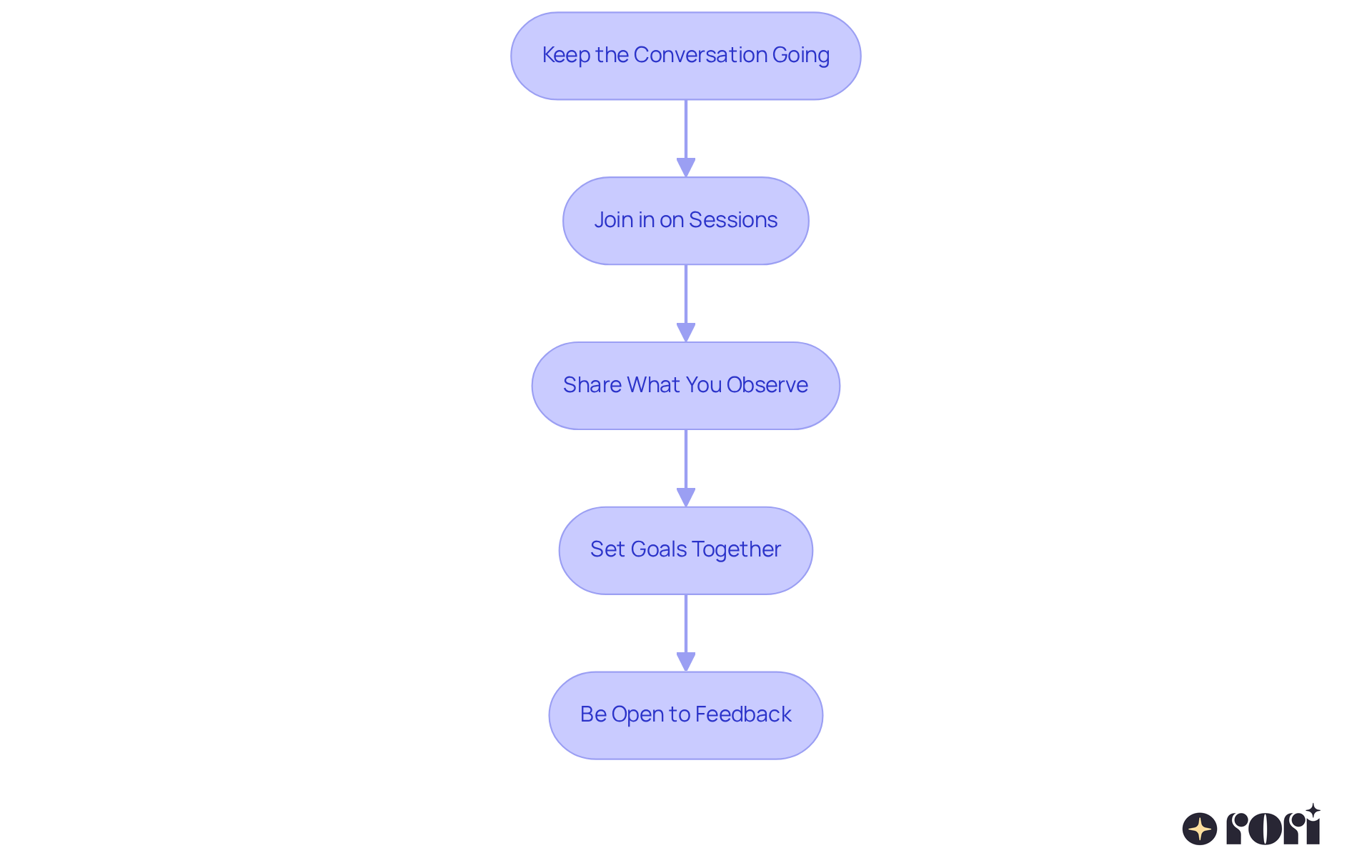
- Keep the conversation going: Share your thoughts, concerns, and any changes you notice in your child's behavior with their therapist. This ongoing dialogue creates a supportive atmosphere and helps everyone stay aligned, making it easier to support your child.
- Join in on sessions: Attend meetings to discuss your child's progress. Your insights are super important in shaping the treatment plan and ensuring it meets their evolving needs, leading to better behavioral outcomes.
- Share what you observe: If you notice anything at home, let your therapist know! This information can provide valuable insights into your child's behavior outside of sessions, allowing for more tailored interventions.
- Set goals together: Work with your therapist to establish realistic and achievable objectives based on what you both observe. When you're on the same page, it helps create consistency in support at home.
- Be open to feedback: Embrace your therapist's suggestions about your data collection methods and observations. Being open can lead to improved strategies and better results for your child. Plus, participating in joint observation sessions can enhance understanding and coordination, benefiting your child's development.
When you work hand-in-hand with your child's therapist, you're not just supporting their therapy; you're actively participating in their growth journey. Let’s explore this together!
Conclusion
Data analysis in ABA therapy isn’t just about numbers; it’s about making a real difference in your child’s life! When you get the hang of ABA and how data collection works, you can really step up in your child’s therapy journey. This involvement not only helps track progress but also ensures that the therapy is tailored to meet your child's unique needs.
Throughout this article, we’ve explored key strategies for effective data collection and analysis, like frequency, duration, and ABC data recording methods. These techniques empower you to spot behavioral patterns, work hand-in-hand with therapists, and tweak therapy plans as needed. Working together with your child’s therapist makes a world of difference, and sharing insights can really boost treatment success!
So, let’s embrace this journey together, knowing that every step we take can lead to amazing progress for our kids! By getting involved in collecting and analyzing data, you’re making sure your child’s therapy is spot on and meets their changing needs. The journey may seem challenging, but with the right tools and collaboration, significant progress is within reach.
Frequently Asked Questions
What is Applied Behavior Analysis (ABA) therapy?
ABA therapy is a method focused on understanding and changing behaviors by observing actions and collecting data to promote positive behaviors and reduce negative ones through reinforcement.
What role does data analysis play in ABA therapy?
Data analysis is crucial in ABA therapy as it helps therapists monitor progress, identify patterns, and adjust treatment plans to optimize outcomes for each child.
What are some key concepts in ABA therapy?
Key concepts include: - Behavior: Any observable action or response from a child. - Reinforcement: A technique to encourage desired behaviors by providing rewards. - Data Collection: The systematic documentation of behaviors to evaluate progress over time.
How does Rori Care approach ABA therapy?
Rori Care focuses on creating personalized plans tailored to each child's unique needs and strengths, setting clear goals for behavior changes and skill growth, and regularly adjusting the plan based on progress.
What is the recommended amount of ABA therapy for significant improvement?
Research indicates that children who receive at least 25 hours of ABA therapy each week tend to experience significant improvements in their communication and social skills.
What percentage of studies show positive outcomes for children in ABA programs?
Over 89% of studies indicate that children in ABA programs make significant progress in various areas of development.
How does Rori Care utilize technology in ABA therapy?
Rori Care uses smart AI technology to create automatic progress reports, allowing therapists to dedicate more time to focusing on the child's treatment.
List of Sources
- Understand the Basics of ABA Therapy and Data Analysis
- Success Rates of ABA Therapy (https://alumacare.com/blog/success-rates-of-aba-therapy)
- The Numbers Don't Lie: Revealing Autism Therapy Statistics | Above and Beyond Therapy (https://abtaba.com/blog/autism-therapy-statistics)
- ABA Therapy Success Rate: Real Outcomes for Children (https://championsaba.com/aba-therapy-success-rate)
- Success Rates of ABA Therapy | Advanced Autism Services (https://advancedautism.com/post/success-rates-of-aba-therapy)
- Success Rates of ABA Therapy (https://besteveraba.com/blog/success-rates-of-aba-therapy)
- Explore Effective Data Collection Methods in ABA Therapy
- ABA Data Collection Examples: Methods & Best Practices - Nurturing Nests (https://nurturingnests.com/aba-data-collection-examples)
- ABA Data Collection Methods: Types, Techniques, and Examples - Pops ABA Therapy (https://popstherapy.com/aba-data-collection-methods)
- ABA Data Collection Methods: What They Are and Why They Matter (https://abamatrix.com/what-are-aba-data-collection-methods-why-they-matter)
- The Ultimate Guide to ABA Data Collection Methods (https://alldayaba.org/blog/f/the-ultimate-guide-to-aba-data-collection-methods)
- ABA Data Collection: Methods, Types, Tools, and Best Practices - Theralytics (https://theralytics.net/blogs/aba-data-collection-methods)
- Analyze Data to Inform and Adjust ABA Therapy Plans
- Why is Data Collection Essential in ABA Therapy? (https://bluegemsaba.com/why-is-data-collection-essential-in-aba-therapy)
- The Significance of Statistics in ABA Therapy | All Star ABA (https://allstaraba.org/statistics-in-aba-therapy)
- Best ABA Quotes (https://testpreptech.com/post/best-aba-quotes)
- The Role of Data in Measuring Progress in ABA Therapy (https://ambitionsaba.com/resources/the-role-of-data-in-measuring-progress-in-aba-therapy)
- The role of data in customizing ABA therapy plans (https://crossrivertherapy.com/articles/the-role-of-data-in-customizing-aba-therapy-plans)
- Collaborate with Therapists for Effective Data Utilization
- Why team collaboration improves ABA therapy outcomes (https://crossrivertherapy.com/articles/why-team-collaboration-improves-aba-therapy-outcomes)
- Maximizing ABA Therapy Outcomes: The Importance of Parental Involvement - Cultivate BHE (https://cultivatebhe.com/maximizing-aba-therapy-outcomes-the-importance-of-parental-involvement)
- Effective parent training techniques in ABA (https://mastermindbehavior.com/post/how-parent-involvement-enhances-aba-therapy-outcomes)
- ABA Therapy Success Rates: Autism Treatment Insights - Mindcolor Resources (https://mindcolorautism.com/resources/articles/aba-therapy-success-rates-autism-treatment-insights)
- ABA Therapy Outcomes for Children with Autism | Behavioral Innovations (https://behavioral-innovations.com/aba-therapy-outcomes)